American Beer History: Origins, Evolution, and Cultural Roots
When we talk about American beer history, the story of how beer became a cornerstone of U.S. culture, from colonial taverns to modern microbreweries. Also known as the evolution of U.S. brewing, it’s not just about hops and barley—it’s about immigration, rebellion, and reinvention.
Long before Budweiser dominated shelves, the foundations of American beer were laid by European settlers who brought brewing traditions from Germany, England, and the Netherlands. But the real roots? They go deeper. The oldest known beer culture traces back over 13,000 years to the Natufians, an ancient group in what’s now Israel who fermented wild grains into early beer-like drinks. These practices traveled across continents, eventually reaching North America. By the 1700s, beer wasn’t just a drink—it was safer than water, a daily staple, and even used as payment. Breweries popped up in every town, often run by women, because brewing was seen as domestic work, not a trade.
Then came Prohibition. In 1920, the 18th Amendment shut down nearly every brewery in the country. Many disappeared forever. Others survived by making near-beer, soda, or even ice cream. When it ended in 1933, the industry didn’t bounce back the same way. Big corporations took over, standardizing taste, cutting corners, and turning beer into a bland commodity. But the spark never died. In the 1970s and 80s, home brewing, the practice of making beer in kitchens and garages using simple kits and local ingredients began to rise again. People started tasting real flavor—hops, malt, yeast—and they wanted more. That movement birthed the craft beer revolution we see today.
Today, American beer history isn’t just about the past—it’s alive in every IPA, sour, and stout brewed in a garage or a downtown taproom. It’s in the farmers growing hops in Washington, the brewers experimenting with local fruit, and the communities gathering for beer festivals that feel more like block parties than commerce. The Sumerian beer, the first fully documented beer tradition with recipes, religious rituals, and economic value, might have been the blueprint, but America turned it into something new: democratic, diverse, and defiantly creative.
What you’ll find below isn’t just a list of articles—it’s a collection of stories that connect the dots. From how to brew your own beer at home to why certain lagers dominate sales, from the science behind flavor to the cultural quirks that make American beer unique. These posts don’t just tell you what happened—they show you how it still matters today.
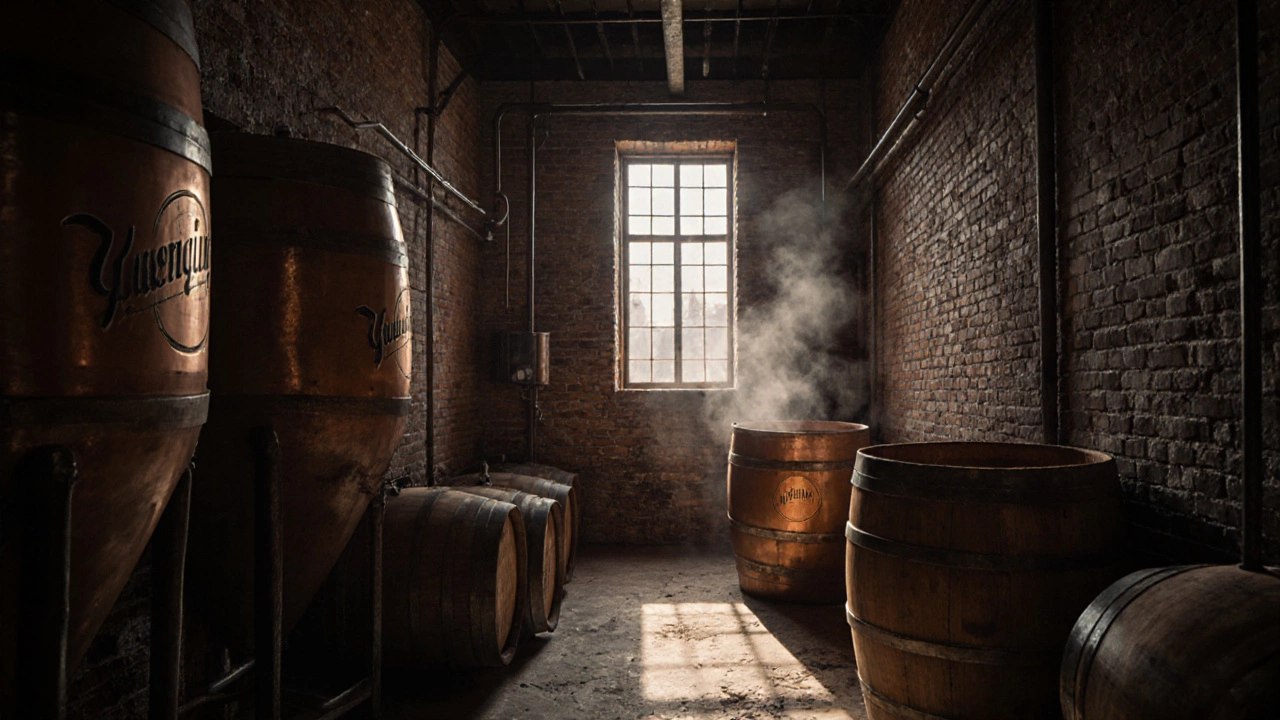
Yuengling is America's oldest continuously operating brewery, founded in 1829. It survived Prohibition by making ice cream and still brews the same lager today. No other U.S. brewery can claim the same unbroken history.
View Details