Tea Varieties: Types, Tastes, and How to Enjoy Them Right
When you sip a cup of tea, a brewed drink made from the leaves of the Camellia sinensis plant, often consumed for its flavor, aroma, and calming effects. Also known as infusion, it’s one of the most widely drunk beverages in the world after water. But not all tea is the same. The difference between a bold Assam and a delicate White Peony isn’t just in the leaf—it’s in how it’s processed, where it’s grown, and how you drink it. tea varieties, the distinct types of tea produced through different oxidation and processing methods include black, green, oolong, white, and pu-erh. Each one has its own flavor profile, caffeine level, and even cultural rituals around how it’s served.
What makes tea so fascinating is that one plant—Camellia sinensis—can become five totally different drinks. Green tea is steamed or pan-fired right after picking to stop oxidation, giving it a fresh, grassy taste. Black tea gets fully oxidized, turning dark and rich, perfect with milk. Oolong sits in the middle, partially oxidized, offering floral or fruity notes depending on the region. White tea? Just the youngest buds, air-dried with minimal handling—light, sweet, and subtle. And pu-erh? It’s fermented over years, developing an earthy depth that gets better with age, like wine. These aren’t just flavors—they’re stories. From Chinese tea ceremonies to British afternoon rituals, tea etiquette, the cultural norms and manners surrounding tea preparation and consumption varies wildly. In Japan, you might bow before sipping matcha. In the UK, you might stir clockwise and never slurp. And in Morocco, mint tea is poured from a height to create foam—because tradition matters.
And if you’ve ever wondered why some teas make you alert while others calm you down, it’s not just caffeine. The amino acid L-theanine works with caffeine to give you focus without the jitters. That’s why a good green tea feels different from a strong black tea or a sugary fruit infusion. tea lover, a person with a deep appreciation for tea’s complexity, aroma, and ritual doesn’t just drink tea—they notice it. They care about water temperature, steep time, and whether the leaves unfurl properly. They might even have a favorite teapot or a ritual of tasting tea at the same time every day. It’s not just a drink—it’s a habit, a pause, a moment of calm.
So whether you’re sipping a morning cup of Darjeeling, trying your first oolong, or just curious why your friend swears by white tea, you’re part of a global tradition that’s been around for thousands of years. Below, you’ll find real stories, practical tips, and honest takes on how to choose, brew, and enjoy each kind of tea—no jargon, no fluff, just what works.
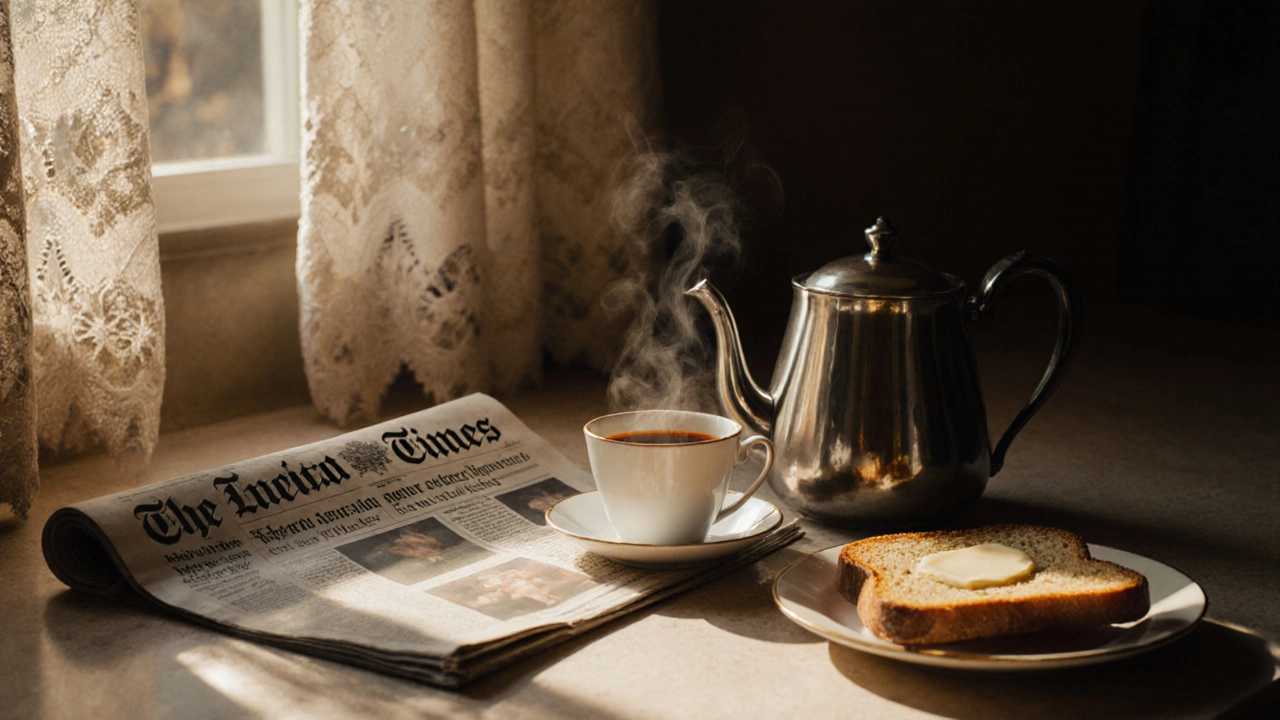
There's no single 'most delicious' tea flavor-it depends on your taste, culture, and moment. Explore bold black teas, delicate greens, soothing rooibos, and the iconic Moroccan mint to find your perfect cup.
View Details