Wine Tasting Process: How to Taste Wine Like a Pro Without the Fuss
When you hear wine tasting process, the structured way people evaluate wine using sight, smell, and taste to understand its character. Also known as wine sensory evaluation, it’s not about showing off—it’s about figuring out what you actually like. Most people think it’s all about swirling, sniffing, and saying "notes of blackcurrant and wet stone." But here’s the truth: you don’t need a degree in enology to taste wine well. You just need to slow down, pay attention, and trust your own nose and tongue.
The wine tasting process starts long before you even lift the glass. It’s about the environment—clean glass, quiet room, no perfume or strong food nearby. Then comes sight: tilt the glass, check the color, look at how thick the wine clings to the sides. That’s not just for show. Deep reds often mean ripe grapes and higher alcohol. Lighter whites? Usually crisper, fresher. Next, smell. Swirl gently, then take a deep sniff. You’re not looking for fancy words—you’re trying to guess: is it fruity? Floral? Earthy? Smoky? If it smells like a wet sock, that’s a sign something’s off. If it smells like ripe peaches and fresh grass, you’re in for a good time.
Now, the sip. Don’t gulp. Take a small amount, let it sit on your tongue for a few seconds. Notice the texture—is it light like water or thick like cream? Where do you feel it? On the tip? The back? Then swallow. What lingers? A burst of acid? A warm burn? A hint of vanilla? That’s the finish. This part is where people get lost trying to sound smart. But really, you’re just asking: did I like it? Would I drink it again? That’s the whole point. The wine pairing, matching wine with food to enhance both flavors is just an extension of this. If a wine tastes too sharp with cheese, try something rounder. If a red feels too heavy with fish, go lighter. It’s not science—it’s trial and error, and your palate is the best guide.
You’ll find posts here that break down how to taste whiskey, how to pick the best white wine for cheese, and even how to neutralize vodka taste—because once you start paying attention to what you drink, you start noticing everything. Whether you’re sipping a $10 bottle or a $100 one, the wine tasting process, the structured way people evaluate wine using sight, smell, and taste to understand its character stays the same. It’s not about impressing others. It’s about finding what makes you say, "Yeah, this one’s mine."
Below, you’ll find real, no-nonsense guides from people who’ve been there—tasting, spitting, sipping, and learning what actually works. No fluff. Just what to look for, what to skip, and how to enjoy wine without pretending you know more than you do.
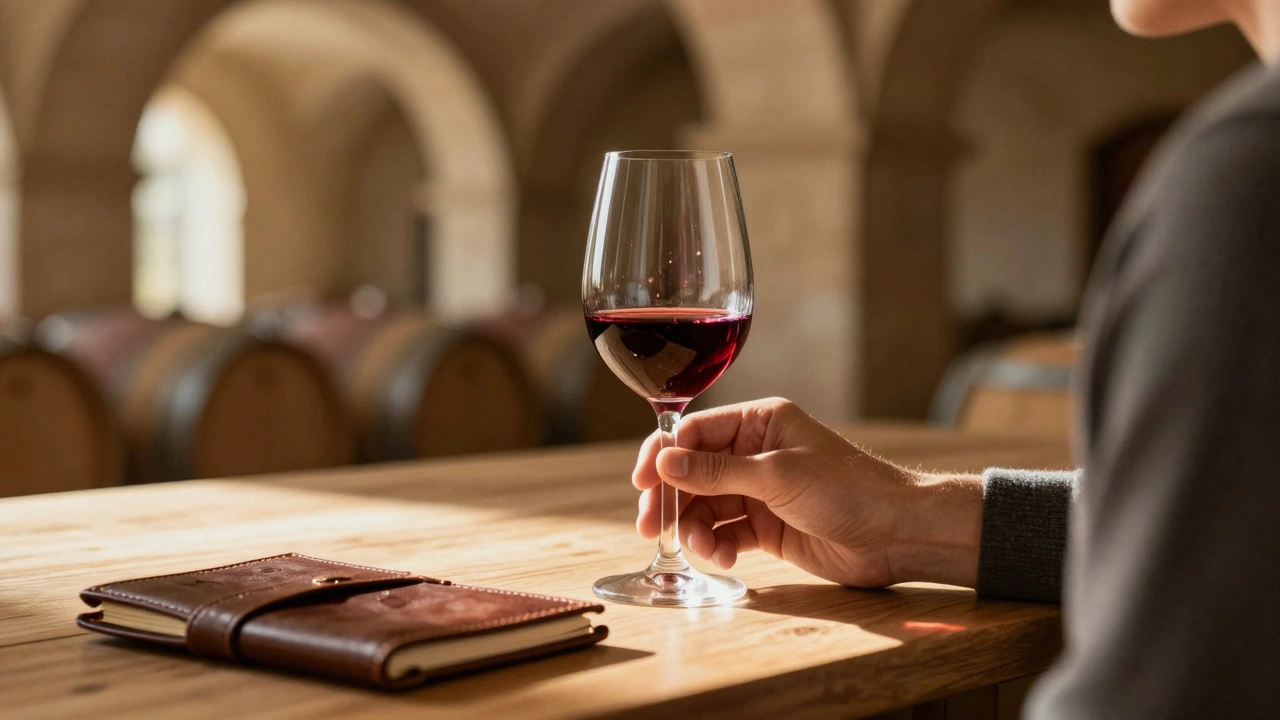
Wine tasting is a multisensory experience that goes beyond drinking-it’s about seeing, swirling, sniffing, sipping, and savoring. Learn the real terms like finish, body, tannins, and bouquet, and how to tell if a wine is corked or balanced.
View Details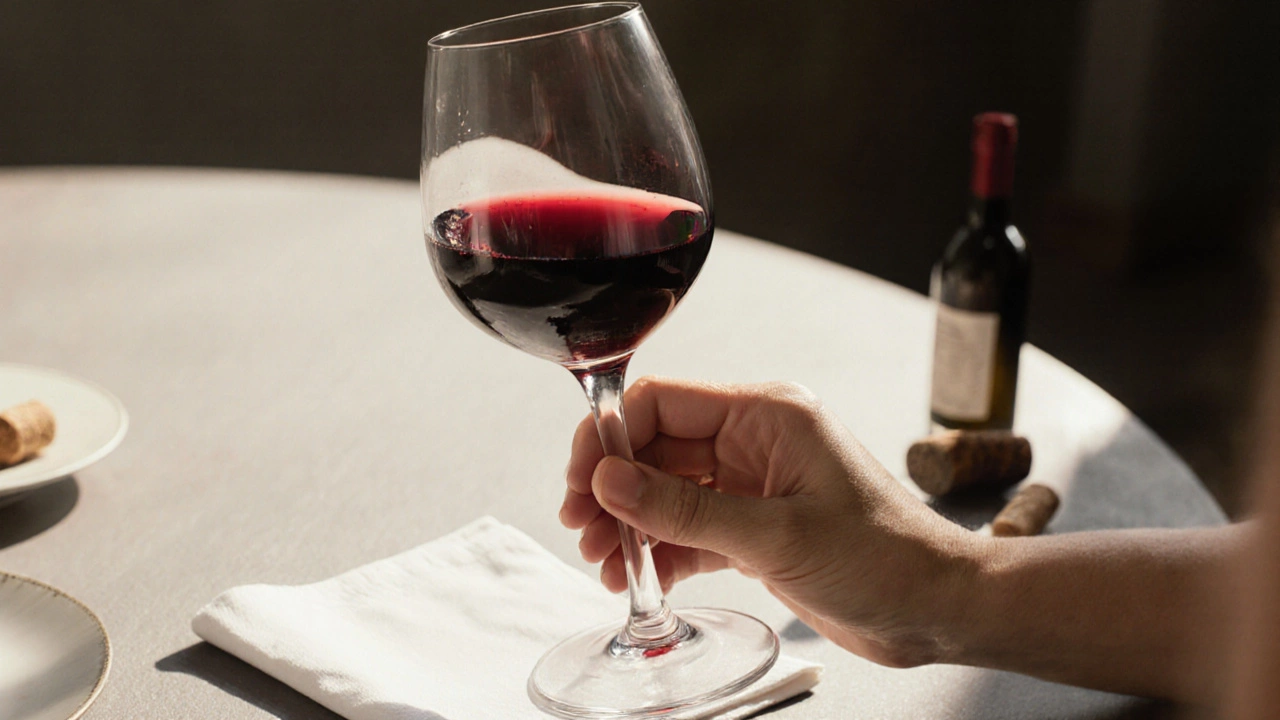
Learn the step-by-step process of wine tasting-from looking and swirling to smelling, tasting, and evaluating the finish. A practical guide for beginners and enthusiasts to taste wine like a pro without needing expensive gear.
View Details