Sober Evening Ritual Builder
Design your perfect alcohol-free evening. Select your current state and preferences below to generate a personalized, evidence-based ritual.
Your Custom Sober Ritual
Why This Works:
You’ve just finished a long day. Your brain is screaming for a break. For years, the answer has been simple: open a bottle or grab a cold one. But what if that routine isn’t serving you anymore? Maybe you’re trying to cut back, maybe you’re going fully sober, or maybe you just want to feel better in the mornings. The problem isn’t just the alcohol itself; it’s the void left behind when you remove it from your evening ritual.
Alcohol serves specific psychological functions. It acts as a stress reliever, a social lubricant, and a reward system. If you simply delete drinking without replacing those functions, you’ll likely find yourself bored, anxious, or reaching for the bottle again. The key isn’t willpower alone-it’s substitution. You need activities that hit the same buttons as alcohol but leave you feeling energized rather than drained. Here are five powerful, evidence-based things to do instead of drinking, designed to address the real reasons you pick up a glass in the first place.
1. Move Your Body to Release Natural Endorphins
When you drink, you often seek a chemical shift-a way to numb stress or change your mood. Physical exercise is the most effective natural alternative because it triggers the release of endorphins, dopamine, and serotonin, the same neurotransmitters affected by alcohol, but without the crash.
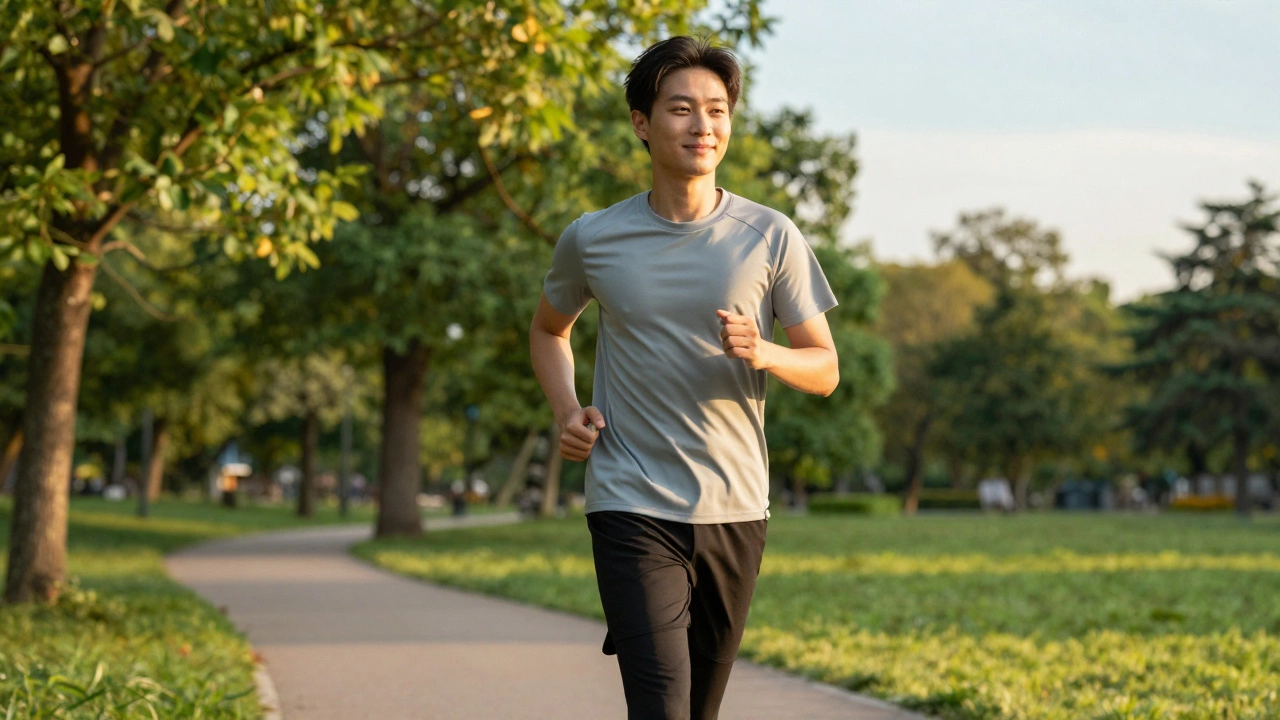
You don’t need to run a marathon to get this benefit. A brisk 20-minute walk can place you in a meditative state, lowering cortisol levels immediately. According to health experts at Benenden Health, joining a local gym or taking up sports like boxing or Pilates provides structure and community. The physiological effect is clear: sweating reduces tension, and the post-workout glow replaces the artificial high of alcohol with genuine vitality.
- Immediate craving fix: Do 20 jumping jacks or a quick bodyweight squats set. The physical shock resets your nervous system.
- Social replacement: Invite a friend for a hike or a bike ride. This mimics the social aspect of happy hour but keeps you active.
- Mental reset: Try yoga. Practitioners report increased flexibility and relaxation, directly countering the anxiety that often drives drinking.
The beauty of movement is that it’s accessible. If you live in Sydney, you have endless trails in the Blue Mountains or coastal walks along Bondi to Manly. Even a "grounding walk" in your local park-where you notice five things you see and four you hear-can break the loop of automatic drinking behavior.
2. Engage in Creative Flow States
Drinking often happens during downtime-those quiet hours where boredom sets in. Alcohol fills that silence, but it rarely leads to fulfillment. Creative pursuits, however, induce a "flow state," a psychological zone where you lose track of time and self-consciousness fades. This is a far superior antidote to existential dread or work stress.
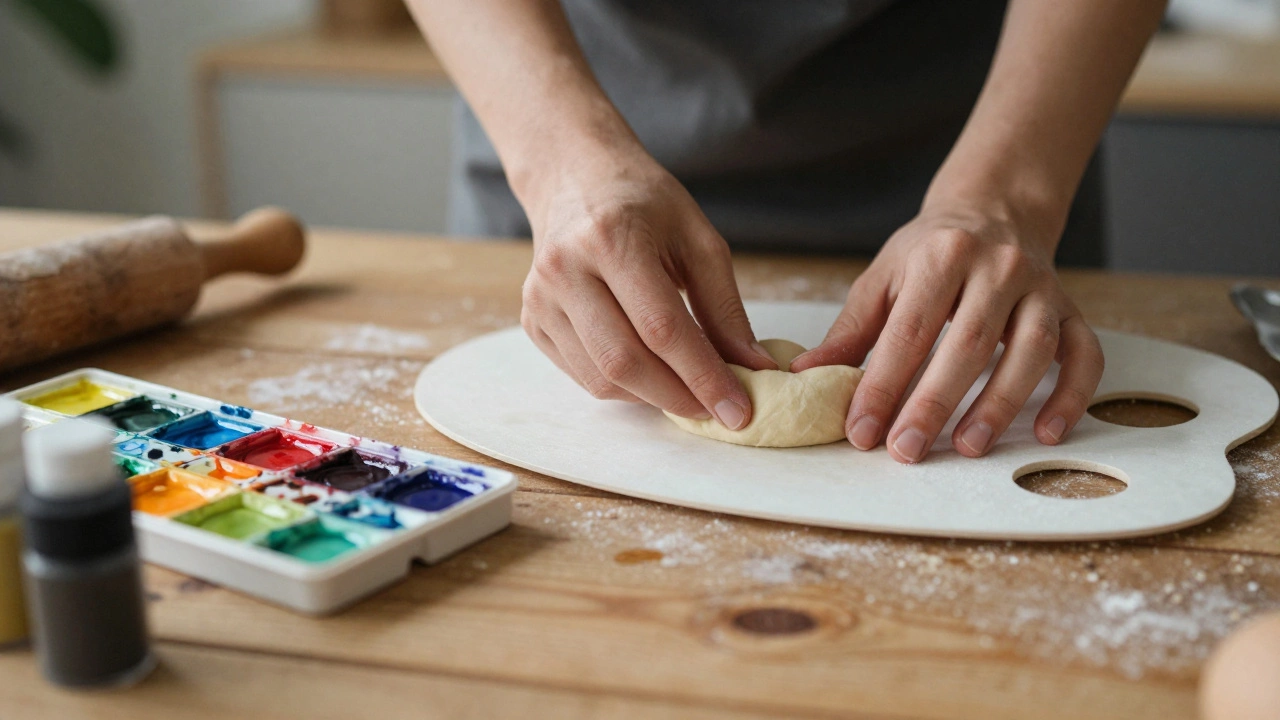
Creative activities force your brain to focus on the present moment. Whether it’s playing a musical instrument, painting, or writing poetry, these tasks require cognitive engagement that leaves little room for rumination. Harvard Health highlights hobbies like woodworking or playing music as great alternatives because they demand attention and skill development. When you’re learning chords on a guitar or mixing colors on a canvas, you aren’t thinking about your problems; you’re creating something new.
If you prefer culinary creativity, cooking can be therapeutic. Instead of mindlessly snacking while drinking, try making beetroot brownies or banana pancakes. The process of chopping, stirring, and tasting engages multiple senses. As suggested by The Good Trade, eat your creation mindfully. Notice the texture and flavor. This slows down your eating and turns mealtime into an experience rather than a fuel stop.
Even low-stakes creativity works. Start a Substack newsletter about a topic you love. Write bad poetry. Follow a makeup tutorial online. The goal isn’t to produce a masterpiece; it’s to give your hands something to do and your mind a constructive outlet. Craft nights, whether solo or virtual with friends, provide a tactile distraction that breaks habitual sipping patterns.
3. Reconnect with Nature and Outdoor Spaces
We spend too much time indoors, often under artificial light, which can exacerbate feelings of isolation and stress. Nature offers a restorative environment that lowers blood pressure and improves mood. Horizon Services notes that teens and adults alike are less likely to turn to alcohol when they are engaged with the outdoors.
Hiking is a standout activity here. It combines physical exertion with sensory immersion. The sound of wind in trees, the smell of pine, and the visual expanse of a landscape trigger a sense of awe that puts daily worries into perspective. You don’t need to climb a mountain; exploring local parks or taking a sunset drive can achieve similar results.
Camping, even in your backyard, changes your relationship with comfort. Cooking s’mores over a candle or a fire pit creates a ritualistic element that satisfies the desire for a "special" evening event. Kayaking or fishing adds a layer of skill and patience, requiring you to be present in the moment. These activities regulate sleep cycles naturally, addressing one of the biggest complaints of early sobriety: insomnia.
If weather is an issue, remember that "outdoors" doesn’t always mean wilderness. A visit to a botanical garden or a morning jog in a city park counts. The key is getting outside your immediate living space to break the environmental cues associated with drinking.
4. Build Social Connections Without Liquor
Social drinking is a major driver of alcohol consumption. We associate conversation, celebration, and bonding with cups in hand. Breaking this association requires intentional effort to create sober social rituals. The good news? Connection feels better without the fog of intoxication.
Volunteering is a powerful tool. Helping others shifts your focus outward, reducing self-centered anxiety. You can volunteer at a local shelter, mentor youth, or even help online. This builds community ties and provides a sense of purpose that alcohol cannot replicate. Game nights, board game cafes, and trivia events offer structured social interaction where the focus is on the activity, not the beverage.
Rethink hospitality. Visit your favorite café and treat yourself to a fancy latte or a piece of cake. This mimics the "treat yourself" aspect of drinking. Write letters to old friends or schedule video calls with family in different time zones. These actions deepen relationships through vulnerability and attention, rather than shared intoxication.
Harvard Health points out that when you spend time with others in meaningful ways, you naturally stop focusing on yourself. Join a book club, a running group, or a volunteer organization. These groups provide built-in accountability and support, making the transition away from alcohol socially sustainable.
5. Practice Mindfulness and Restorative Rest
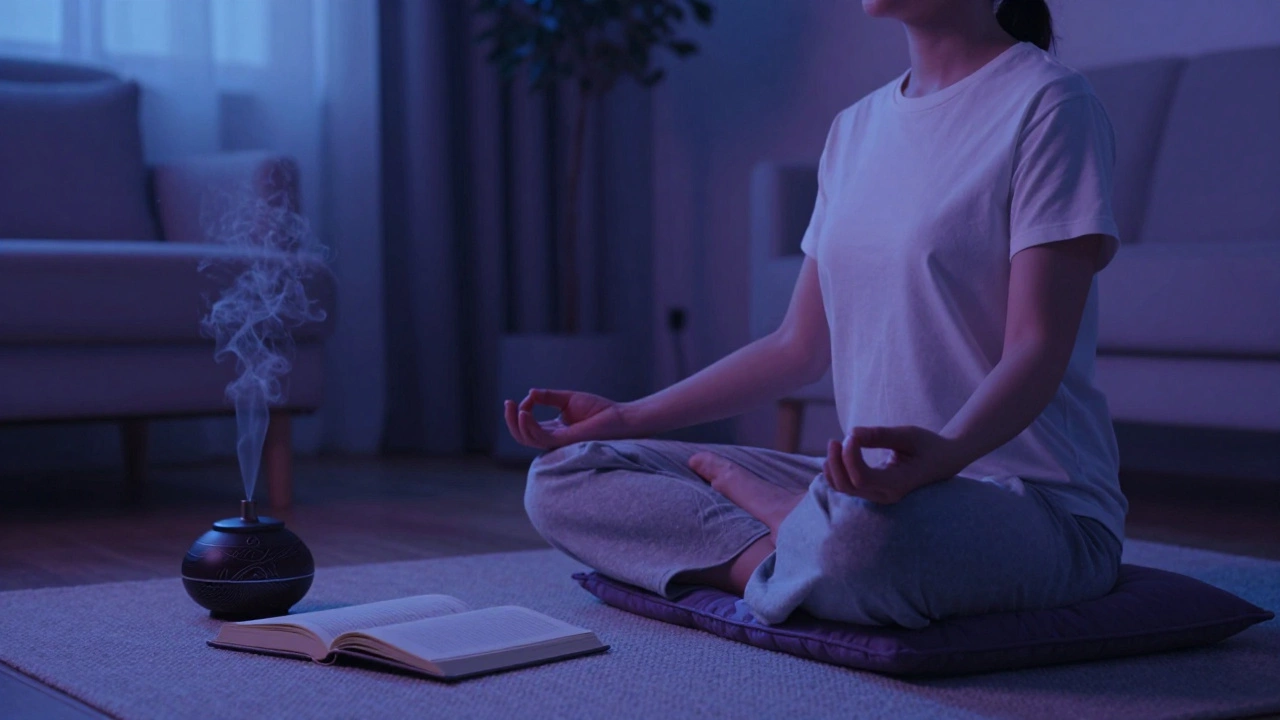
Finally, we must address the need for stillness. Many people drink to "switch off." However, alcohol disrupts sleep architecture and increases anxiety the next day. True rest comes from mindfulness and deliberate relaxation techniques.
Meditation is the gold standard here. Establishing a daily mindfulness habit, especially during high-risk hours (like right after work), can interrupt the urge to drink. Apps like Headspace or Calm guide you through breathing drills that calm the stress response. Eudaimonia Homes recommends a "breathing drill": 20 slow breaths with a long exhale. This physically signals safety to your brain.
Reading is another potent alternative. Unlike scrolling through social media, reading a book allows for deep immersion. Poetry, fiction, or non-fiction-all offer escape without the negative health impacts. Take a nap. Yes, really. Afternoon naps with a partner or pet can recharge your energy without the guilt of laziness. Home spa treatments, like using eucalyptus oil in a diffuser or giving yourself a facial, provide sensory pleasure that grounds you in the present.
Journaling helps process emotions that might otherwise be drowned out by alcohol. Writing down your thoughts clarifies them. Over time, you’ll find that you don’t need to numb your feelings; you can observe them, understand them, and let them pass.
| Activity | Primary Benefit | Time Required | Social Potential |
|---|---|---|---|
| Exercise (Running/Yoga) | Endorphin release, stress reduction | 20-60 mins | High (groups/classes) |
| Creative Hobbies (Cooking/Painting) | Flow state, distraction | 30-90 mins | Medium (craft nights) |
| Nature Outings (Hiking/Camping) | Mood boost, sleep regulation | 1-4 hours | High (partners/friends) |
| Social Volunteering | Purpose, connection | 2-4 hours | Very High |
| Mindfulness/Meditation | Anxiety reduction, clarity | 10-20 mins | Low (solo practice) |
Replacing alcohol isn’t about deprivation; it’s about upgrading your toolkit for coping with life. By integrating these five categories-movement, creativity, nature, social connection, and mindfulness-you build a resilient, vibrant life that doesn’t rely on a substance to feel complete. Start small. Pick one activity from each category and try it this week. You might be surprised by how much more alive you feel.
What should I do when I have an intense alcohol craving?
Use the "Sober Swap Method." For immediate cravings, try a 5-minute replacement: drink a glass of water, eat a protein-rich snack, or do 20 slow breaths. If the craving persists, engage in a 15-minute activity like a grounding walk or texting a supportive friend. The goal is to change your physical state and distract your mind until the urge passes.
Can exercise really replace the stress relief of alcohol?
Yes. Exercise releases endorphins and reduces cortisol, providing natural stress relief without the negative side effects of alcohol. Activities like running, lifting weights, or yoga can induce a meditative state and improve sleep, addressing both the immediate stress and the underlying causes of drinking.
How do I maintain social connections without drinking?
Shift the focus from the beverage to the activity. Suggest coffee dates, hiking trips, game nights, or volunteering. These activities provide structure and shared experiences, allowing for genuine connection. Over time, your friends will adapt to these new social norms, and you’ll find that conversations are often deeper and more memorable without alcohol.
What are some easy creative hobbies for beginners?
Start with low-pressure activities like journaling, cooking simple meals (like stir-fry or oatmeal), or following online tutorials for painting or makeup. The goal is engagement, not expertise. Even writing bad poetry or starting a simple blog can help channel mental energy into productive creation.
Is it normal to feel bored when stopping drinking?
Absolutely. Boredom is a common symptom as your brain adjusts to the absence of alcohol-induced stimulation. This is why scheduling activities is crucial. Fill your downtime with engaging hobbies, exercise, or social plans. Over time, you’ll discover new interests and realize that life offers far more rewarding sources of entertainment than drinking.