Sober Night Out Planner & Estimator
Plan your next night out by estimating how much you save in cash and gain in clarity when skipping the booze.
Enter your details to see your potential savings and wellness score.
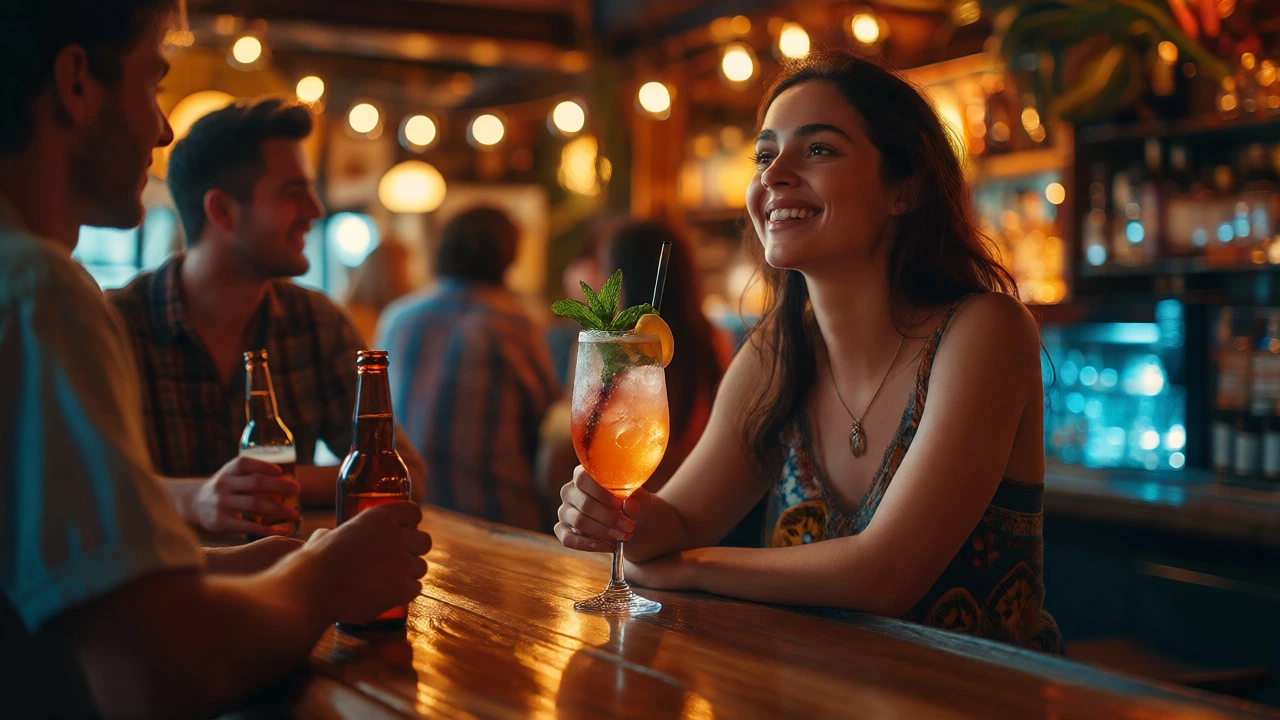
You’re standing at the bar, holding a glass of something fizzy and colorful, while your friends are three rounds deep into tequila shots. The music is loud, the vibe is high, and you feel perfectly fine-until someone asks, "Are you sure you don't want one?" It’s a question that has haunted many of us who choose non-alcoholic drinks. But here’s the truth: enjoying a night out doesn’t require a buzz. In fact, skipping the booze can make the evening sharper, more memorable, and surprisingly easier to manage.
The secret isn’t just about what you drink; it’s about how you design the experience. If you treat an alcohol-free night as a restriction, it feels like punishment. If you treat it as an opportunity for clarity and connection, it becomes liberating. Let’s break down exactly how to pull this off, from picking the right venue to handling the inevitable peer pressure.
Rethink Your Definition of "Fun"
Most people associate nightlife with bars because that’s where the infrastructure exists. But if you go to a dive bar expecting to have fun without drinking, you’re playing the game on hard mode. The environment itself pushes you toward alcohol. Instead, shift the focus from "drinking together" to "doing things together."
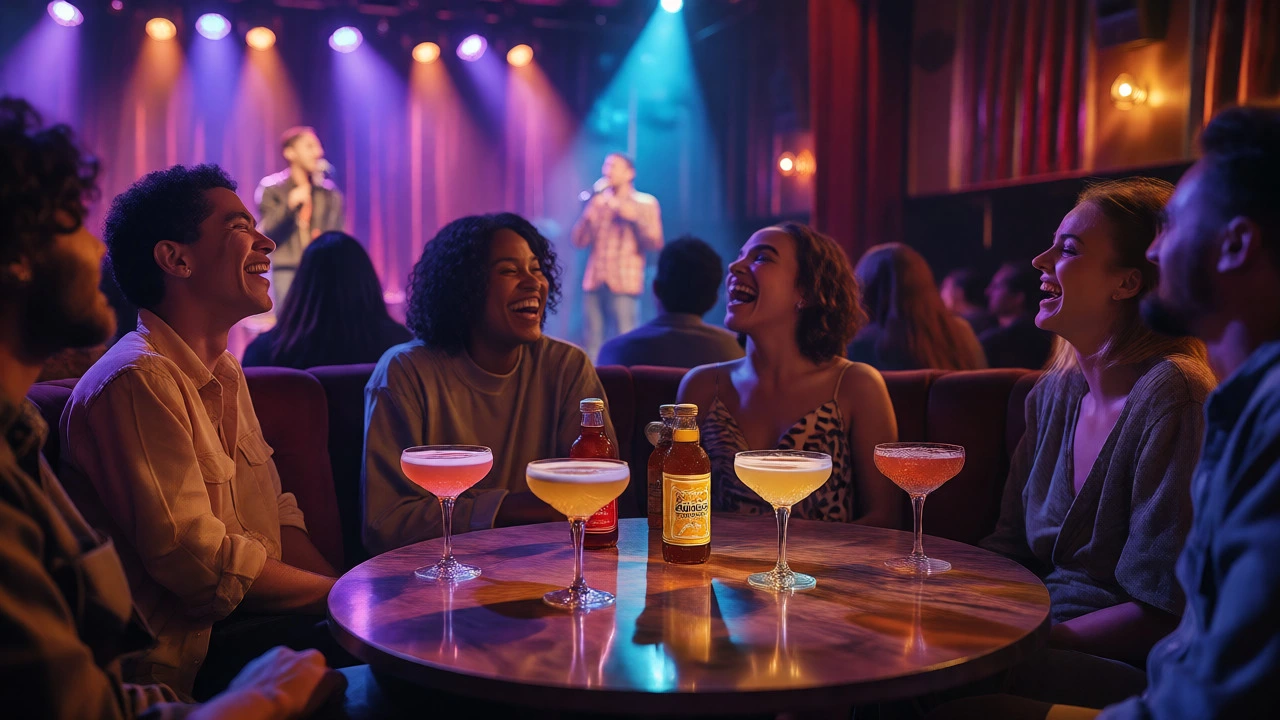
Think about activities where alcohol is incidental, not central. A comedy club, a late-night cinema screening, an escape room, or a bowling alley are great examples. You’re still socializing, laughing, and competing, but the primary activity isn’t consuming ethanol. According to guidance from the U.S. National Institute on Alcohol Abuse and Alcoholism (NIAAA), developing new interests and finding rewarding ways to spend time that do not involve alcohol is key to sustainable change. When the activity is engaging, nobody notices-or cares-that you aren’t drinking.
If you must go to a bar, pick a place with a strong food menu or a specific event, like live jazz or trivia. This gives you a reason to be there other than the beer taps. It also keeps your hands busy and your mind engaged, reducing the idle moments where awkward silences might lead to unwanted questions about your sobriety.
Master the Art of the Non-Alcoholic Drink
One of the biggest mistakes people make is ordering a plain soda water or a juice box when everyone else is having craft cocktails. It makes you feel like a child at an adult party. You want a drink that looks sophisticated, tastes complex, and fits the ritual of sipping.
The global market for no-alcohol beverages is exploding. IWSR reported in early 2025 that the volume of no-alcohol beer rose by 9% globally, and it was expected to become the world’s second-largest beer category by volume. This means options are better than ever. You’re not limited to sugary mixers anymore.
Here is a quick guide to upgrading your order:
- Mocktails: Ask the bartender to make a virgin version of their signature cocktail. Muddled herbs, fresh citrus, and bitters (check ingredients for alcohol content) add depth.
- Alcohol-Free Beer: Modern brewing techniques have improved these significantly. Brands now offer crisp lagers and rich stouts that mimic the mouthfeel of real beer.
- Kombucha: Its natural fizz and tangy profile satisfy the craving for carbonation and acidity, which is often what we miss most from wine or beer.
- Sparkling Water with Garnish: Don’t underestimate ice and lime. A tall glass with plenty of ice and a fresh garnish looks intentional and refreshing.
| Drink Type | Best For | Key Attribute | Watch Out For |
|---|---|---|---|
| Mocktail | Social signaling | Complex flavor profile | High sugar content |
| Alcohol-Free Beer | Casual gatherings | Familiar taste/ritual | Residual alcohol traces |
| Kombucha | Health-conscious nights | Probiotics/fizz | Vinegar-like taste |
| Tea/Coffee | Late-night energy | Caffeine boost | Jitteriness/sleep issues |
A pro tip: ask for your drink in a nice glass. Presentation matters. Holding a rocks glass with ice makes you look like you’re part of the crew, even if the liquid inside is just tonic water and cucumber.
Handle Social Pressure Like a Pro
No matter how confident you feel, someone will eventually ask why you aren’t drinking. This is where preparation saves you from awkwardness. You don’t owe anyone a medical history or a philosophical essay. Keep it short, firm, and positive.
Try these responses:
- "I’m taking a break tonight, but I’m loving the company!"
- "I’ve got an early start tomorrow, so I’m pacing myself."
- "I actually prefer the taste of this mocktail-it’s way better than the IPA."
- "No thanks, I’m good." (Then immediately change the subject.)
The NIAAA recommends using a "broken-record" technique if someone persists. Simply repeat your answer calmly without adding justification. "No thanks," followed by a smile and a pivot to a new topic, works wonders. Most people stop pushing once they realize you aren’t looking for debate.
Also, consider arriving with a plan. Know what you’re going to order before you get to the bar. Deciding under pressure, especially when surrounded by clinking glasses, is harder than deciding when you’re calm. Check the menu online beforehand if possible. This small step reduces decision fatigue and anxiety.
Design the Evening Around Connection
Alcohol often acts as a social lubricant, lowering inhibitions and making conversation flow. Without it, you might worry that interactions will feel stiff. The solution is to create conditions where connection happens naturally.
Be active rather than passive. Suggest games, dance if the music moves you, or engage deeply in conversation. Since you won’t be distracted by the effects of alcohol, you’ll likely find yourself listening better and remembering details. People appreciate being heard. Use your sobriety as a superpower: you’re the one who remembers names, navigates the crowd, and keeps the group together.
Eat well. Drinking on an empty stomach is bad for drinkers, but eating a solid meal anchors your experience when you aren’t drinking. It signals to your brain that you are participating in the communal ritual of dining and sharing. Plus, good food is a legitimate source of pleasure that rivals any cocktail.
Know Your Exit Strategy
Not every night goes according to plan. Sometimes the vibe turns toxic, or the pressure becomes too much. Having an exit strategy removes the fear of being trapped. Arrange your own transportation-a rideshare app, public transport schedule, or a trusted friend who agrees to drive.
Setting a departure time in advance helps too. Tell your group, "I’m heading out around 10 PM." This manages expectations and gives you a clear goal. Leaving early isn’t a failure; it’s a boundary. As the NHS advises, identifying high-risk times and changing plans when necessary is crucial for maintaining control over your habits.
Remember, the goal isn’t to prove you can withstand boredom or pressure. The goal is to enjoy yourself. If the venue doesn’t support your choice, leave. Find a spot that does. There are plenty of places in Sydney-and anywhere else-that cater to the growing community of people who prefer clarity over chaos.
The Health Bonus You Didn’t Expect
Beyond the immediate social ease, there are tangible benefits to skipping the alcohol. The World Health Organization stated in January 2023 that no level of alcohol consumption is risk-free. By opting out, you avoid hangovers, sleep disruption, and the next-day sluggishness that often ruins weekends.
Consider tracking your experience. Try comparing an alcohol-free night to a drinking night using simple metrics: money spent, bedtime, sleep quality (rate it 1-10), and mood the next morning. Many people are shocked to find they saved $40-$60 and slept eight hours instead of five. These concrete data points reinforce the behavior far more effectively than abstract health advice.
Is it okay to order a mocktail that looks like alcohol?
Yes, absolutely. For many people, the visual cue of holding a cocktail glass helps them feel included in the social ritual. It signals that you are participating in the evening's structure without consuming alcohol. Just ensure you're comfortable with the presentation; some individuals in recovery prefer drinks that don't mimic alcohol to avoid triggering cravings, while others find the imitation helpful for social integration.
What should I say if friends keep pressuring me to drink?
Keep your response short and consistent. Phrases like "No thanks, I'm good" or "I'm staying hydrated tonight" work best. Avoid long explanations or apologies, as these can invite debate. If they persist, use the "broken record" technique: repeat your initial refusal calmly and then change the subject or move away from the conversation. Setting a firm boundary is respectful to both you and them.
Can non-alcoholic beer contain actual alcohol?
It depends on the jurisdiction and the brand. In many countries, products labeled "alcohol-free" can contain up to 0.5% ABV (alcohol by volume). While this amount is generally negligible for most adults, those with strict medical reasons, pregnancy concerns, or severe allergies should check labels carefully. Some brands specifically produce "0.0%" beers that are completely free of alcohol. Always read the label if total abstinence is critical for you.
How do I handle the feeling of missing out (FOMO)?
Focus on the present moment rather than hypothetical scenarios. Alcohol often creates a false sense of connection; without it, you may find deeper, more genuine interactions. Engage actively in the conversation or activity. Remind yourself that you are gaining clarity, saving money, and protecting your health. Often, the FOMO fades once you realize you're actually having more fun because you're fully present.
What are some good venues for a sober night out?
Look for venues where the primary activity isn't drinking. Comedy clubs, karaoke bars (where singing is the focus), bowling alleys, escape rooms, art galleries hosting evening events, cinemas, and cafes with live music are excellent choices. Restaurants with extensive dessert menus or tea/coffee bars also provide a social atmosphere without the heavy emphasis on alcohol service.