There is something undeniably magical about the Bijou, which translates from French as "Jewel". This isn't just another drink you can whip up in five minutes; it is a piece of liquid history that demands respect and precision. If you have ever wondered why some cocktails taste like they belong in a Parisian bistro from 1900 while others feel like modern experiments, the Bijou sits firmly on the side of timeless elegance.
The secret lies in its three distinct pillars: cognac, green Chartreuse, and sweet vermouth. When balanced correctly, these ingredients create a complex, herbal, and nutty profile that changes with every sip. But getting that balance right requires more than just pouring spirits into a glass. You need to understand the character of each component and how they interact. Let’s walk through exactly how to craft this jewel-toned masterpiece at home.
The History Behind the Jewel
Before we start mixing, it helps to know where this drink comes from. The Bijou was created by Harry MacElhone, the legendary bartender behind Harry’s New York Bar in Paris. He published the recipe in his famous 1927 book, ABC of Modern Mixed Drinks. At the time, MacElhone was known for creating sophisticated drinks that appealed to the expat community and tourists visiting Paris.
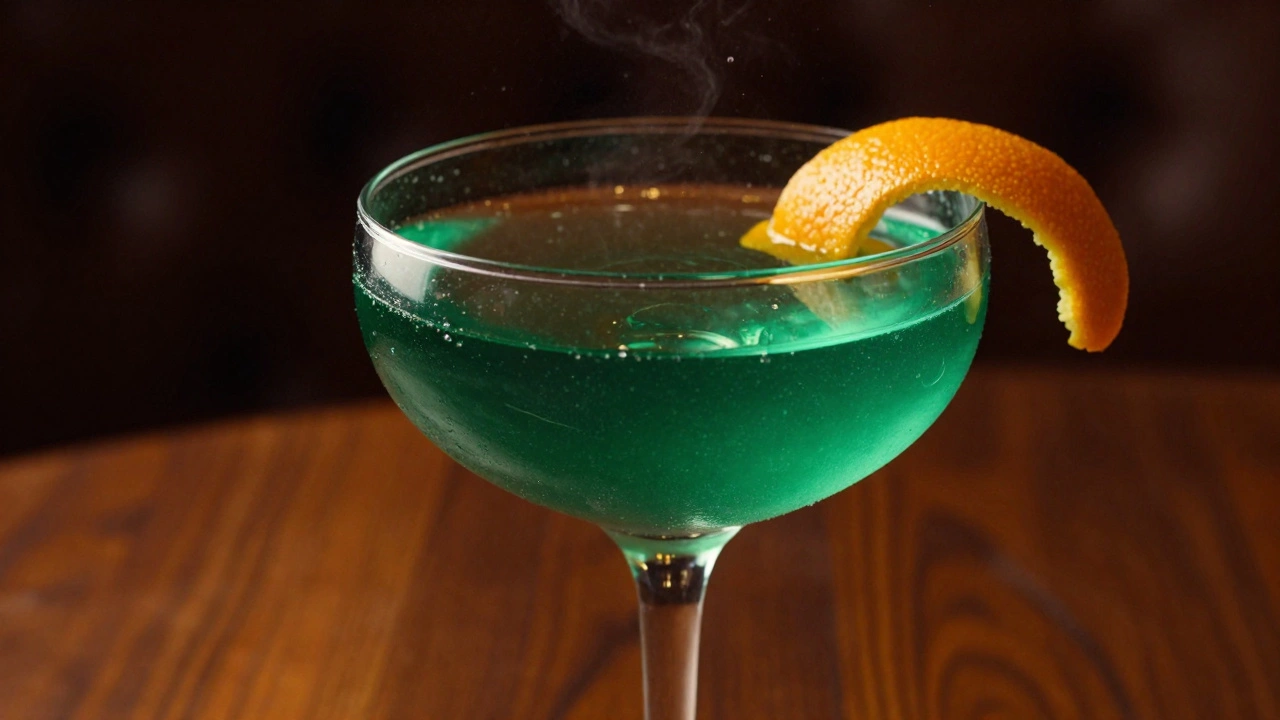
The name "Bijou" reflects the drink's visual appeal-specifically the deep green hue provided by the Chartreuse. It was designed to be stirred, not shaken, preserving the silky texture of the spirits. Understanding this heritage matters because it tells us how the drink should behave. It shouldn’t be frothy or cloudy. It should be clear, cold, and smooth. This historical context sets the stage for why specific techniques matter when you are making it today.
Gathering Your Ingredients
To make an authentic Bijou, you cannot cut corners on quality. Each ingredient plays a specific role in the flavor profile. Here is what you need:
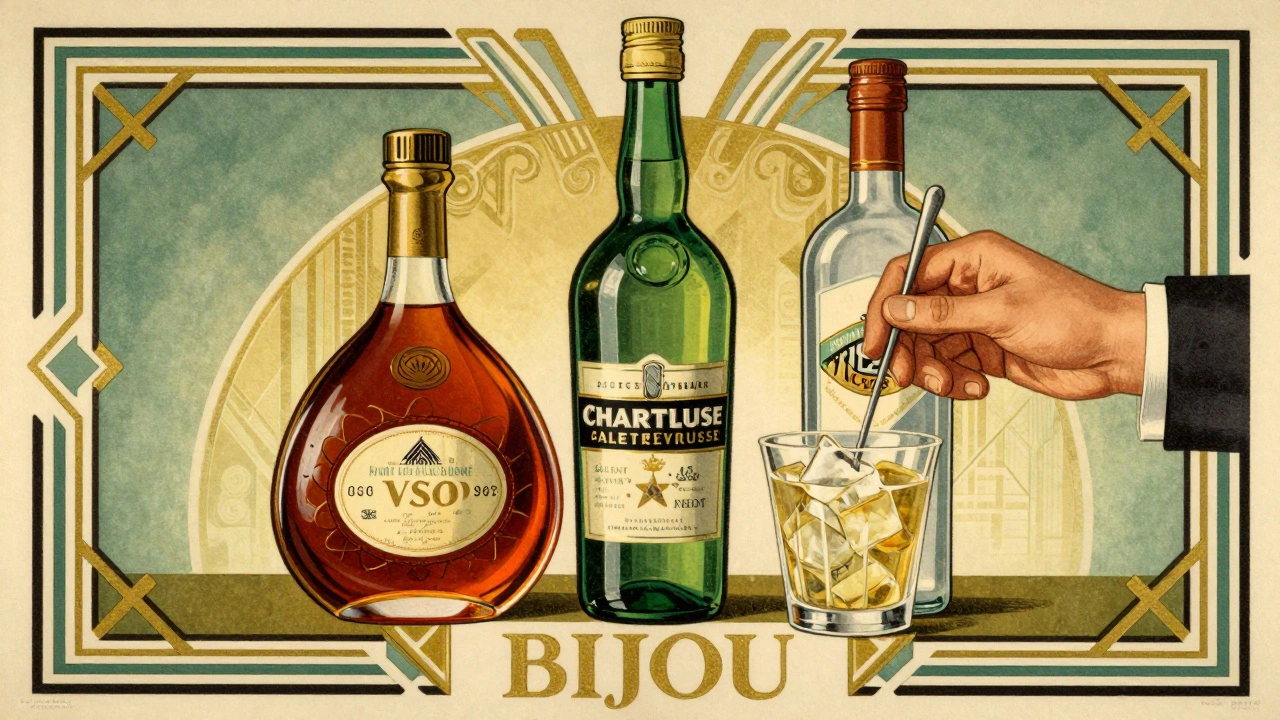
- Cognac: Use a VSOP (Very Superior Old Pale) grade. A standard VS will be too harsh and lack the depth needed to stand up to the herbs. Look for notes of dried fruit, vanilla, and oak. Brands like Rémy Martin or Hennessy work well, but smaller producers often offer better value.
- Green Chartreuse: This is the star of the show. Green Chartreuse is a liqueur made by Carthusian monks using 130 different plants. It is potent (around 55% ABV) and intensely herbal. Do not confuse it with Yellow Chartreuse, which is sweeter and milder. The green version provides the signature color and complexity.
- Sweet Vermouth: Choose a high-quality Italian sweet vermouth. Martini & Rossi or Carpano Antica Formula are reliable choices. The vermouth adds body, sweetness, and aromatic herbs that bridge the gap between the strong cognac and the intense Chartreuse.
- Orange Bitters: These add a crucial citrus note that lifts the heavy flavors. Angostura orange bitters are the standard, but Fee Brothers Orange Bitters are also excellent. Avoid regular Angostura bitters here; the flavor profile will be completely wrong.
You will also need fresh ice cubes. Large, clear ice melts slower and dilutes the drink less, keeping your Bijou cold without watering down the delicate herbal notes.
The Step-by-Step Method
Making a Bijou is straightforward if you follow the classic stirring technique. Shaking would aerate the drink and cloud the appearance, ruining the "jewel" effect. Here is how to do it properly:
- Chill Your Glass: Place a coupe glass or a rocks glass in the freezer for at least 10 minutes. A cold glass keeps the cocktail chilled longer and enhances the drinking experience.
- Combine Ingredients: In a mixing glass, combine 45ml (1.5 oz) of Cognac, 15ml (0.5 oz) of Green Chartreuse, 15ml (0.5 oz) of Sweet Vermouth, and 2 dashes of Orange Bitters.
- Add Ice: Fill the mixing glass with large, clear ice cubes. The ice should cover the liquid completely.
- Stir Gently: Using a bar spoon, stir the mixture for about 30 seconds. Move the spoon smoothly around the edge of the glass. You want to chill the drink and achieve slight dilution, but not over-dilute it. The goal is a silky texture, not a watery one.
- Strain: Double-strain the cocktail into your chilled glass. Double straining ensures no small ice chips fall into your drink, maintaining clarity.
- Garnish: Express an orange peel over the surface to release its oils, then drop it in. Alternatively, you can use a maraschino cherry, though the orange peel is more traditional and complements the bitters better.
Troubleshooting Common Mistakes
Even experienced bartenders can stumble with the Bijou. Here are the most common pitfalls and how to avoid them:
| Mistake | Why It Happens | The Fix |
|---|---|---|
| Too Herbal | Using too much Green Chartreuse | Reduce Chartreuse to 10ml (0.33 oz) and increase Cognac slightly. |
| Too Sweet | Low-quality vermouth or too much vermouth | Use fresh, high-quality vermouth. Reduce vermouth to 10ml if needed. |
| Cloudy Appearance | Shaking instead of stirring | Always stir. Shake only if you have fruit juice or egg white. |
| Watery Taste | Over-stirring or using small ice cubes | Use large ice cubes and stir for only 20-30 seconds. |
| Lack of Depth | Using cheap Cognac | Upgrade to a VSOP or aged Cognac. The spirit is the backbone. |
Variations and Personalization
While the classic recipe is perfect, sometimes you might want to tweak it to suit your palate. Here are a few variations that stay true to the spirit of the Bijou:
The Dry Bijou: Replace the sweet vermouth with dry vermouth. This creates a sharper, more savory drink that highlights the herbal notes of the Chartreuse even more. It’s great for those who prefer drier cocktails.
The Bourbon Bijou: Swap the Cognac for a smooth bourbon. This American twist adds caramel and vanilla notes that pair surprisingly well with the herbal Chartreuse. It’s a heavier, richer variation.
The Smoky Bijou: Add a dash of smoked salt to the rim of the glass or use a peated whisky instead of Cognac. This introduces a smoky element that contrasts beautifully with the bright orange bitters.
Serving Suggestions
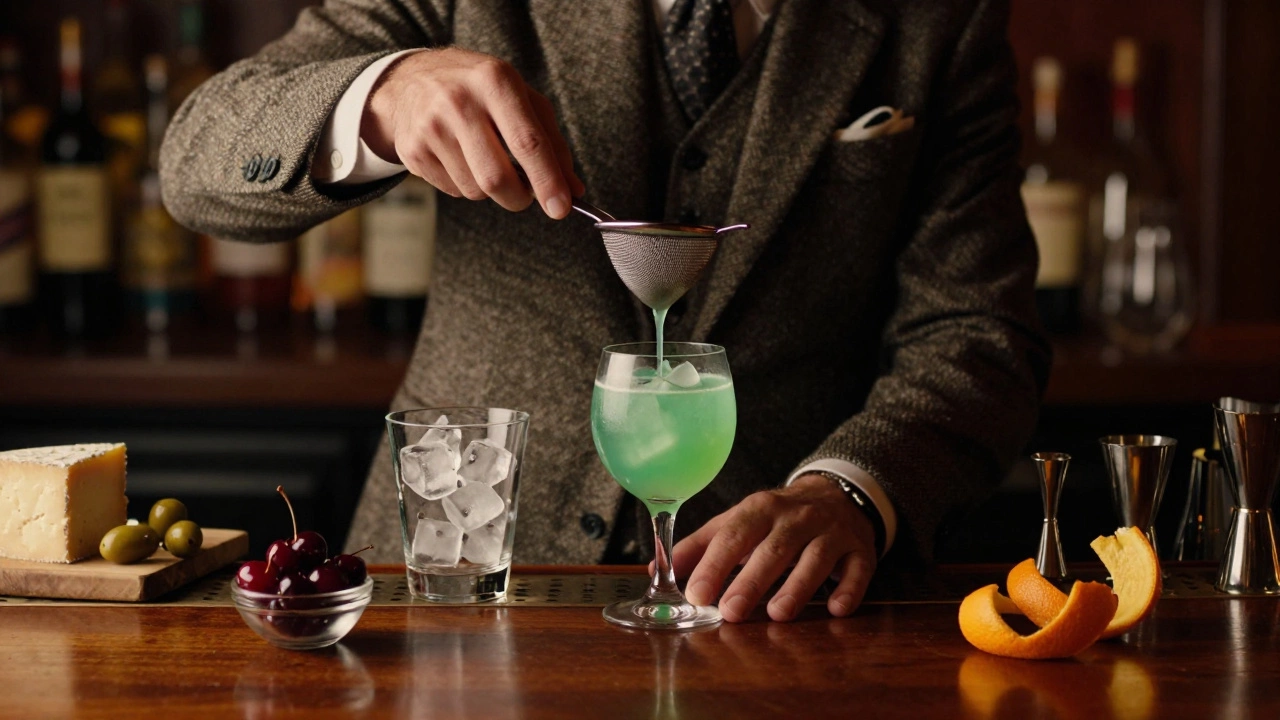
The Bijou is a contemplative drink. It’s not meant to be gulped down quickly. Serve it as an aperitif before dinner or as a digestif after a meal. Pair it with light appetizers like cheese boards, olives, or cured meats. The herbal notes complement salty and fatty foods exceptionally well.
If you are hosting a gathering, consider making batch versions. Mix the Cognac, Chartreuse, and vermouth in a pitcher and refrigerate for up to 24 hours. Just add ice and stir individually when serving. This saves time and ensures consistency across all glasses.
Final Thoughts on Crafting the Perfect Bijou
Making a Bijou is less about following a rigid formula and more about understanding balance. The interplay between the rich Cognac, the intense Chartreuse, and the aromatic vermouth creates a symphony of flavors. By respecting the history and technique, you elevate a simple cocktail into an experience. So, grab your bar tools, chill your glass, and enjoy the process of crafting your own jewel.
What does "Bijou" mean in the context of cocktails?
"Bijou" is French for "Jewel." The name refers to the drink's attractive green color, primarily derived from the Green Chartreuse, which makes it look like a precious gem in the glass.
Can I substitute Green Chartreuse with Yellow Chartreuse?
It is not recommended. Green Chartreuse has a higher alcohol content (55%) and a much stronger, more complex herbal profile. Yellow Chartreuse is sweeter and milder, which would unbalance the cocktail and change its character significantly.
Why should I stir a Bijou instead of shaking it?
Stirring preserves the clarity and silky texture of the spirits. Shaking introduces air bubbles and clouds the drink, ruining the elegant "jewel" appearance. Since there are no juices or egg whites, stirring is the correct technique.
What type of Cognac works best for a Bijou?
A VSOP (Very Superior Old Pale) Cognac is ideal. It offers enough complexity and smoothness to stand up to the strong flavors of Chartreuse. Cheaper VS Cognacs may be too harsh, while very old XO Cognacs might overpower the other ingredients.
How long can I store leftover Bijou mix?
You can mix the Cognac, Chartreuse, and vermouth together and store it in the refrigerator for up to 24 hours. However, the vermouth can oxidize over time, so it is best to use it within a day for optimal freshness.
Is the Bijou a strong cocktail?
Yes, it is quite strong. With Cognac at 40% ABV and Green Chartreuse at 55% ABV, the final drink has a significant alcohol kick. It is meant to be sipped slowly rather than consumed quickly.
What garnish is traditional for a Bijou?
An expressed orange peel is the most traditional garnish. It releases citrus oils that enhance the aroma. A maraschino cherry is sometimes used, but the orange peel complements the orange bitters in the recipe better.
Who invented the Bijou cocktail?
The Bijou was created by Harry MacElhone, the founder of Harry’s New York Bar in Paris. He included the recipe in his 1927 book, "ABC of Modern Mixed Drinks," establishing it as a classic of the era.