Imagine walking into a dimly lit bar in the 1930s. The air smells of tobacco and old wood. You order a drink that tastes like sophistication itself-crisp, herbal, and dangerously smooth. That is the Turf Club Cocktail. It isn’t just a mix of alcohol; it’s a piece of history bottled in ice. If you’ve ever struggled with drinks that taste too sweet or too harsh, this one hits the perfect middle ground. It’s dry enough for purists but complex enough to keep your guests guessing.
The History Behind the Glass
Before you start pouring, you need to understand why this drink matters. The Turf Club Cocktail originated in New York City during the Prohibition era. It was named after the Turf Club, a private social club for horse racing enthusiasts. This context explains its profile: it’s a drink for people who appreciate tradition and don’t need flashy garnishes to impress. Unlike modern creations that rely on obscure syrups, the Turf Club sticks to the basics. It proves that limitation breeds creativity.
Most recipes from that era were designed to mask poor-quality spirits. But the Turf Club did the opposite. It highlighted the botanical notes of gin by using vermouth and bitters as supporting actors rather than lead roles. When you make this at home, you’re not just mixing liquids; you’re recreating a specific moment in culinary history. It’s a conversation starter that doesn’t require you to be a historian. Just serve it cold, and let the flavor do the talking.
Essential Ingredients and Their Roles
You don’t need a warehouse full of bottles to make this work. In fact, simplicity is key here. If you add too many components, you lose the elegance that defines the Turf Club Cocktail. Here is what goes into the shaker and why each part matters.
- Dry Vermouth: This is the backbone. Use a high-quality brand like Dolin or Martini & Rossi. Cheap vermouth can taste metallic, which ruins the delicate balance. Aim for about 1 ounce.
- Gin: You want a London Dry style. Brands like Beefeater or Tanqueray work best because they have strong juniper notes. Avoid floral gins like Hendrick’s unless you want a different twist. You’ll need 2 ounces.
- Orange Bitters: These add depth without sweetness. Two dashes are plenty. Peychaud’s can work, but orange bitters complement the citrus peel garnish better.
- Citrus Peel: Fresh orange or lemon peel provides essential oils. Do not skip this step. The aroma triggers the first impression of taste before the liquid even hits your tongue.
Notice what’s missing? Sugar. Many classic cocktails use simple syrup, but the Turf Club relies on the natural sweetness of the vermouth. If you find it too dry, adjust the vermouth ratio slightly, but avoid adding sugar directly. It muddies the crisp finish.
| Ingredient | Amount | Role |
|---|---|---|
| London Dry Gin | 2 oz (60 ml) | Primary Spirit / Juniper Base |
| Dry Vermouth | 1 oz (30 ml) | Sweetness & Herbal Complexity |
| Orange Bitters | 2 Dashes | Bitter Balance & Depth |
| Orange Twist | 1 Piece | Aromatic Garnish |
Step-by-Step Preparation Method
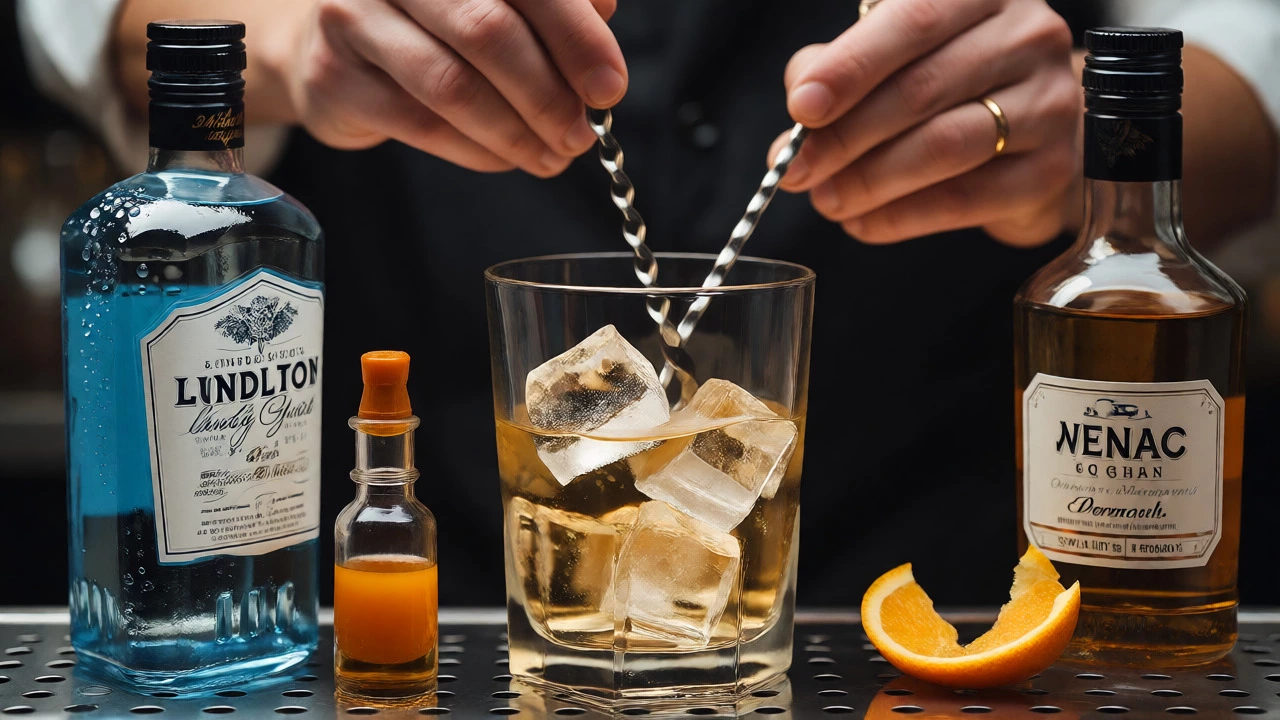
Making the drink is fast, but technique changes everything. You might think stirring and shaking are the same thing. They aren’t. For a Turf Club, you stir. Shaking aerates the drink, making it cloudy and diluting it faster. Stirring keeps it crystal clear and silky. Follow these steps exactly for the best result.
- Chill your glass. Place a coupe or martini glass in the freezer for ten minutes before you start. A warm glass melts the ice too quickly, watering down your effort.
- Add ice to the mixing glass. Fill it halfway with large, solid cubes. Small or crushed ice melts too fast and over-dilutes the spirit.
- Pour the ingredients. Add the gin, vermouth, and bitters directly into the mixing glass. Do not measure loosely; precision ensures consistency.
- Stir gently. Use a bar spoon to rotate the mixture. Count to thirty seconds. You want the drink to reach about -5°C (23°F). You’ll feel the outside of the mixing glass get frosty.
- Strain carefully. Use a Hawthorne strainer if you used small ice, or a Julep strainer for larger cubes. Pour slowly into your chilled glass.
- Garnish last. Take a fresh strip of orange peel. Hold it over the drink skin-side down and give it a gentle squeeze. This sprays essential oils onto the surface. Rub the peel around the rim, then drop it in.
Common Mistakes to Avoid
Even experienced home bartenders mess this up. The most common error is using stale vermouth. Once opened, vermouth oxidizes within weeks. Keep it in the fridge. If it smells like cardboard, throw it out. Another mistake is skipping the chill. Room-temperature gin tastes harsher. Always chill your glassware.
Also, beware of over-stirring. If you stir for two minutes, the drink becomes watery. Thirty seconds is usually enough. Check the temperature by touching the side of the mixing glass. If it’s painful to hold, it’s ready. Finally, don’t use pre-packaged orange peels. They lack oils. Buy fresh oranges and cut your own twists.
Variations and Pairings
Once you master the classic, you can experiment. Some people prefer a sweeter profile. If so, swap half the dry vermouth for sweet vermouth. This creates a hybrid closer to a Manhattan. Alternatively, try using a navy strength gin. Its higher alcohol content stands up well to the bitters, creating a stronger kick.
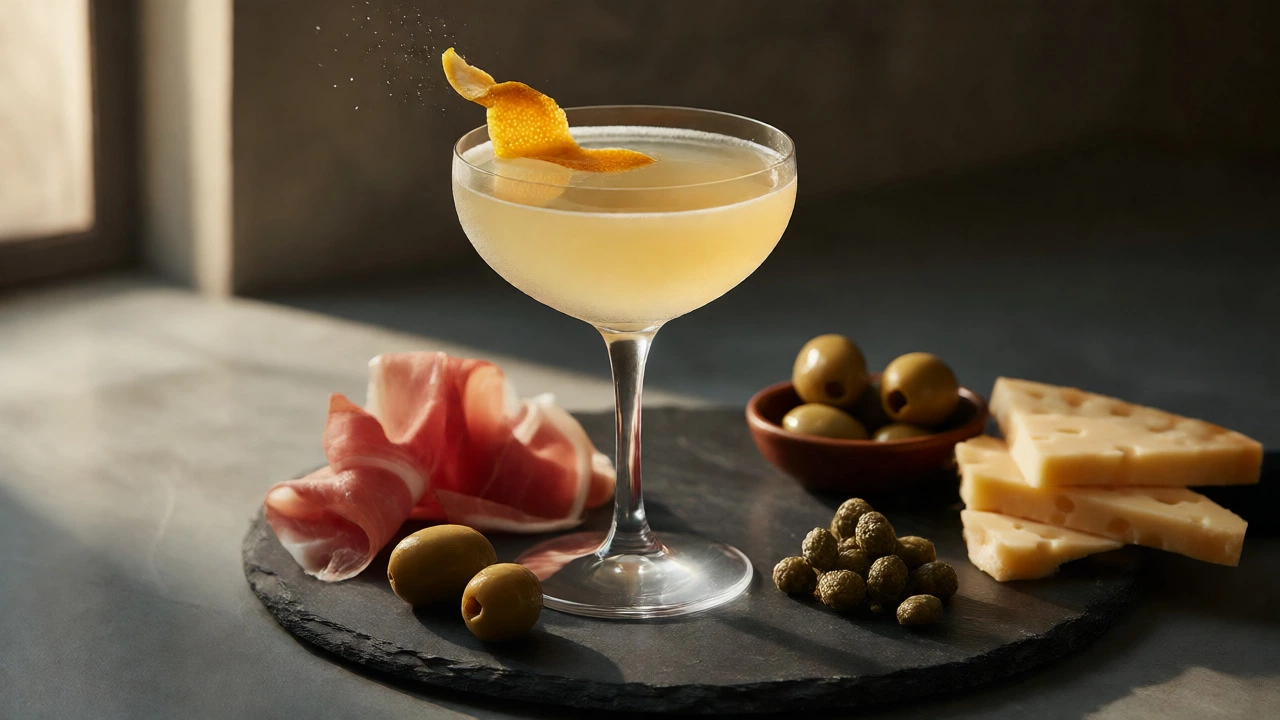
What should you eat with it? This cocktail pairs beautifully with salty snacks. Think olives, capers, or cured meats like prosciutto. The salt enhances the herbal notes of the gin. If you’re serving dinner, pair it with seafood starters. Oysters or smoked salmon complement the briny undertones of the vermouth perfectly. It’s also great with cheese boards, especially sharp cheddar or blue cheese.
Frequently Asked Questions
Can I make a Turf Club Cocktail without vermouth?
Technically, no. Vermouth is a core ingredient that provides the necessary sweetness and herbal complexity. Without it, you’re just drinking gin with bitters, which lacks body. If you dislike vermouth, try reducing the amount to 0.5 ounces, but don’t eliminate it entirely.
Is the Turf Club Cocktail sweet or dry?
It is considered a dry cocktail. While dry vermouth contains some residual sugar, the overall profile is crisp and savory due to the gin and bitters. It is not sweet like a Negroni or a Manhattan.
What glass should I use for a Turf Club Cocktail?
A coupe glass or a stemmed martini glass is ideal. These shapes concentrate the aromas near your nose, enhancing the experience. Avoid tumblers, as they allow the volatile oils to escape too quickly.
Why does my cocktail taste watery?
This usually happens from over-stirring or using small, melting ice. Use large, dense ice cubes and limit stirring to 30-45 seconds. Also, ensure your serving glass is thoroughly chilled before pouring.
Can I batch prepare Turf Club Cocktails for a party?
Yes. Mix the gin, vermouth, and bitters in a pitcher without ice. Store it in the fridge. When guests arrive, pour the mixture over ice in a mixing glass, stir briefly to chill, strain, and garnish individually. This saves time while maintaining quality.