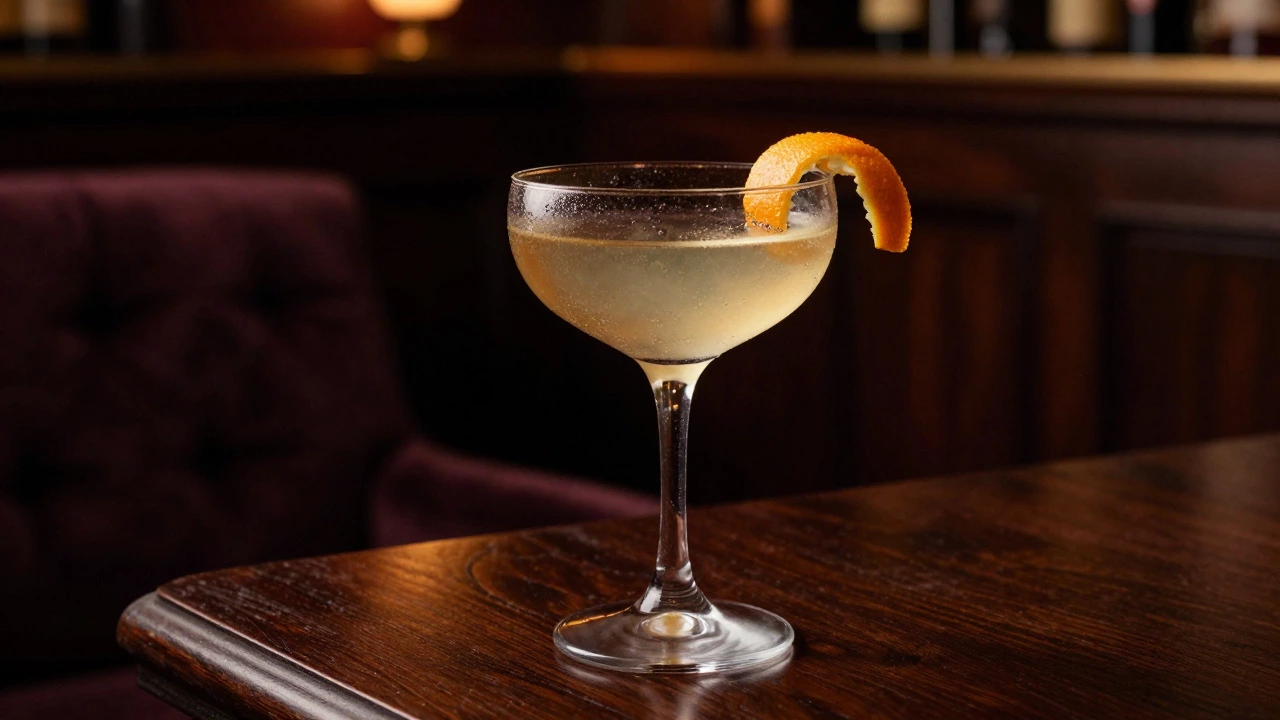
Picture this: it’s 1954. A suave spy named James Bond is sitting in a London club. He orders a drink that sounds like formal wear. It’s not a martini, though it looks suspiciously similar. This is the Tuxedo cocktail, a sophisticated pre-Prohibition era drink made with gin, dry vermouth, orange liqueur, lemon juice, and maraschino liqueur. If you’ve ever wondered why your home bar feels missing something sharp, elegant, and slightly mysterious, you might be looking for the Tuxedo.
Most people know the Martini. Everyone knows the Negroni. But the Tuxedo? That’s the secret handshake of serious cocktail enthusiasts. It’s dry, it’s complex, and if you get the ratios right, it’s absolutely addictive. You don’t need a fancy shaker or rare ingredients from overseas. You just need to understand the balance between bitter, sweet, and botanical.
The Origin Story: More Than Just a Name
Where did this drink come from? The story usually points to Harry MacElhone, the legendary bartender at Harry’s New York Bar in Paris. Legend has it he created it around 1920 for an American diplomat who was dressed in a tuxedo. Whether that’s true or just a clever marketing tale doesn’t really matter. What matters is that the recipe survived Prohibition, World War II, and decades of neglect to become a staple in modern craft bars.
It belongs to the same family as the Martini and the Manhattan, but it walks its own path. While a Martini relies on the interplay of gin and vermouth alone, the Tuxedo adds layers of citrus and fruit liqueurs. It’s more approachable than a straight-up Martini but still demands respect. Think of it as the cocktail equivalent of wearing a suit without a tie-formal enough for business, relaxed enough for pleasure.
| Ingredient | Amount | Role in the Drink |
|---|---|---|
| Gin | 2 oz (60 ml) | The backbone; provides botanicals and alcohol strength |
| Dry Vermouth | 1 oz (30 ml) | Adds herbal complexity and dries out the profile |
| Orange Liqueur | 1/2 oz (15 ml) | Provides sweetness and bright citrus notes |
| Fresh Lemon Juice | 1/2 oz (15 ml) | Cuts through richness with acidity |
| Maraschino Liqueur | 1/4 oz (7.5 ml) | Adds subtle cherry/almond nuance and depth |
Gathering Your Tools and Ingredients
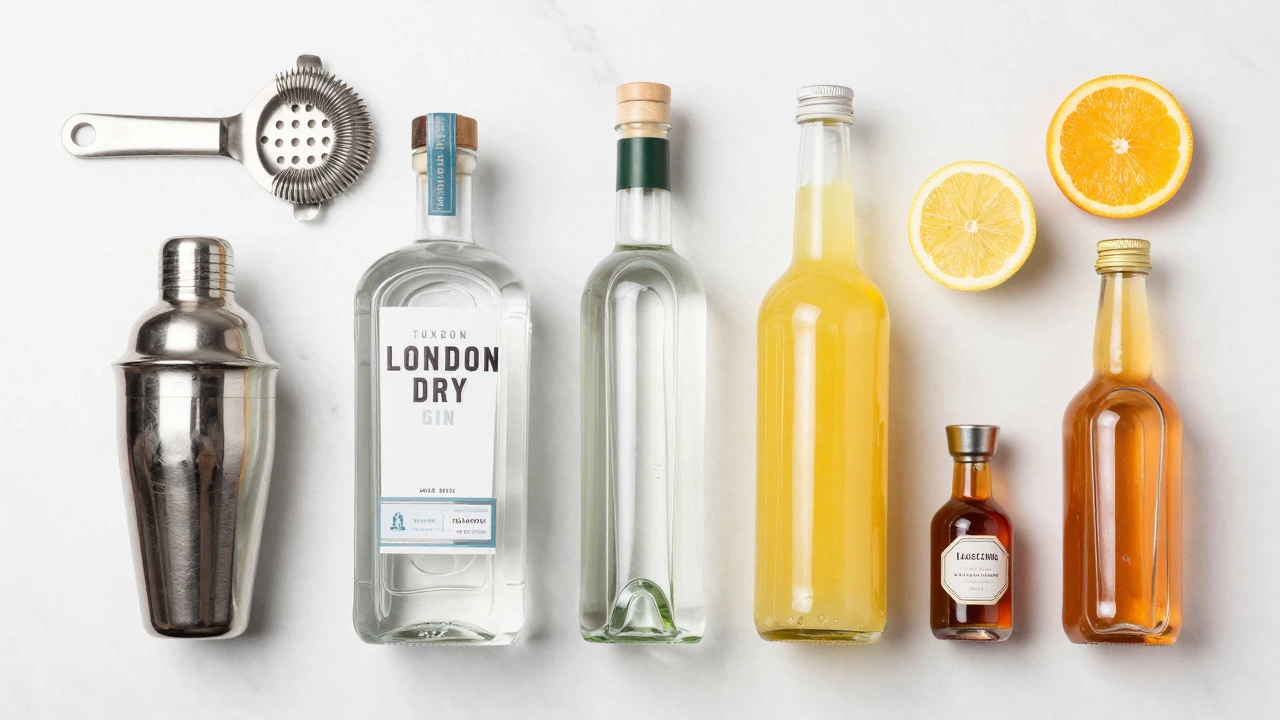
You can’t build a house without a hammer, and you can’t build a Tuxedo without the right tools. Don’t worry; you don’t need a professional bar setup. Here is what you actually need:
- A Cocktail Shaker: A Boston shaker (two metal tins) or a Cobbler shaker (three-piece with strainer) works fine. I prefer the Boston style because it gives you better control over the ice dilution, but use whatever you have.
- A Jigger: Guessing measurements is the fastest way to ruin a balanced cocktail. Get a simple double-sided jigger. Accuracy matters here.
- A Hawthorne Strainer: This sits on top of your shaker to keep the ice and pulp out of your glass.
- An Old-Fashioned Glass or Coupe: Serve it over ice in an old-fashioned glass, or strain it into a chilled coupe for a lighter experience. Both are correct.
Now, let’s talk ingredients. The quality of your gin defines the character of the drink. You want a London Dry Gin. Brands like Tanqueray, Beefeater, or Bombay Sapphire work perfectly. Avoid flavored gins or those heavy on juniper if you prefer a smoother taste, but remember, juniper is what makes it a gin. The dry vermouth should be fresh. Open a bottle, store it in the fridge, and use it within two weeks. Old vermouth tastes like stale herbs and kills the drink instantly.
For the orange liqueur, stick to Cointreau or Triple Sec. Grand Marnier is too cognac-heavy and will overpower the delicate balance. For the maraschino liqueur, Luxardo is the gold standard. It’s pricey, but a little goes a long way. If you’re on a budget, DeKuyper Maraschino is a decent substitute. And yes, use fresh lemon juice. Bottled juice has preservatives that taste metallic and flat.
Step-by-Step: Mixing the Perfect Tuxedo
Ready to mix? Follow these steps carefully. Precision is key.
- Chill Your Glass: Fill your serving glass with ice water while you prep the drink. This ensures the cocktail stays cold longer without needing excessive ice in the final serve.
- Measure and Pour: Add 2 oz of gin, 1 oz of dry vermouth, 1/2 oz of orange liqueur, 1/2 oz of fresh lemon juice, and 1/4 oz of maraschino liqueur into your shaker tin.
- Add Ice: Fill the shaker about three-quarters full with fresh, clear ice cubes. Larger cubes melt slower, which means less dilution and a cleaner taste.
- Shake Vigorously: Seal the shaker tight. Shake hard for about 10-12 seconds. You want the outside of the tin to frost over. This chills the drink rapidly and aerates it slightly, giving it a silky texture.
- Strain: Discard the ice water from your serving glass. Place your Hawthorne strainer over the shaker and pour the mixture into the glass. If you’re serving on the rocks, add one large ice cube. If serving up, leave it neat.
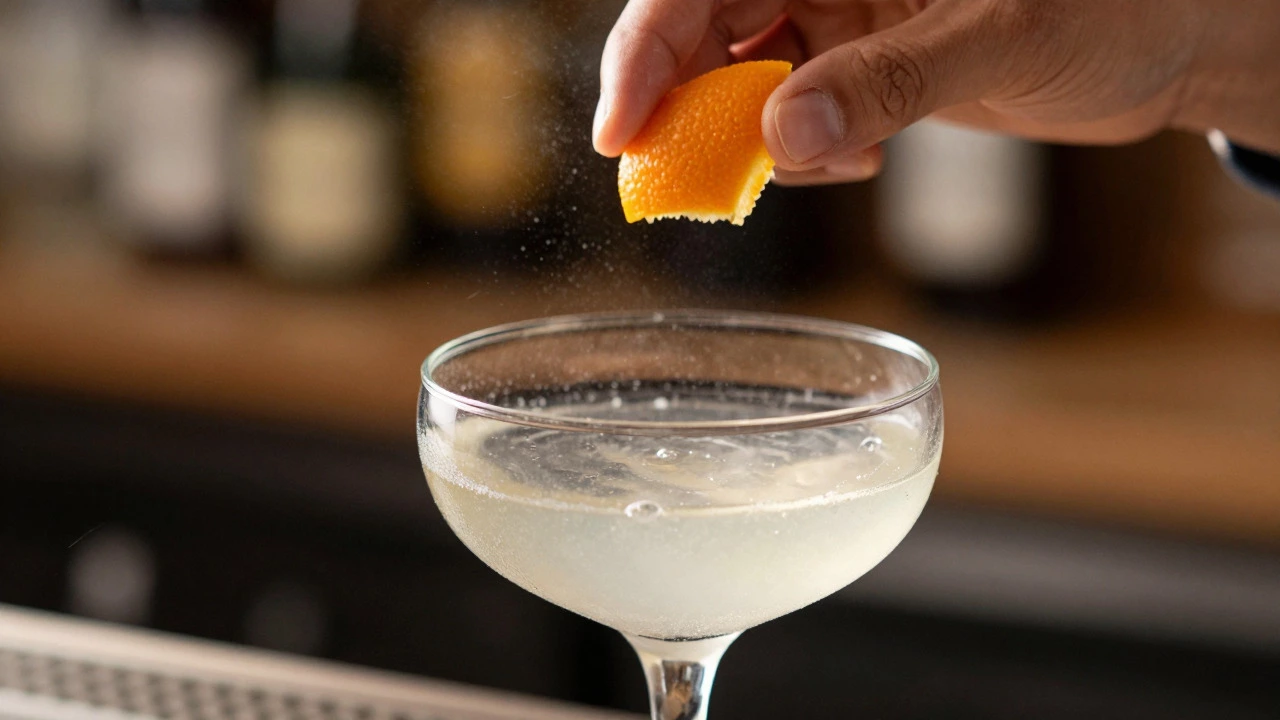
- Garnish: Express an orange peel over the drink by holding it skin-side down and squeezing gently to release the oils. Rub the peel around the rim of the glass, then drop it in. Alternatively, a single high-quality maraschino cherry works beautifully.
Why Balance Matters: Understanding the Flavor Profile
What makes a Tuxedo special isn’t just the ingredients-it’s how they interact. The gin provides the structure. The vermouth adds earthiness. The orange liqueur brings sweetness. The lemon juice cuts the sugar with acid. The maraschino liqueur ties it all together with a hint of almond and dried fruit.
If your drink tastes too strong, you likely didn’t shake it enough or used too much gin. If it’s too sour, check your lemon juice measurement or try a sweeter orange liqueur. If it’s bland, your vermouth might be old. Taste as you go. Adjustments are part of the process.
Think of the Tuxedo as a puzzle. Each piece must fit perfectly. Remove one element, and the whole thing falls apart. That’s why skipping the maraschino liqueur is a common mistake. It seems minor, but it’s the glue that holds the citrus and botanicals together. Without it, you’re just drinking a gin sour with orange flavoring.
Variations to Try Once You Master the Classic
Once you’ve nailed the basic recipe, feel free to experiment. Here are a few variations that stay true to the spirit of the original while offering new experiences:
- The Modernist Tuxedo: Swap regular gin for a floral gin like Hendrick’s. The cucumber and rose petals add a refreshing twist that pairs well with the citrus.
- The Smoky Tuxedo: Use a smoked gin or add a dash of angostura bitters. This version leans darker and more intense, perfect for cooler evenings.
- The Non-Alcoholic Tuxedo: Replace gin with a non-alcoholic gin alternative like Seedlip Grove 42. Use sugar-free orange liqueur and extra lemon juice to maintain balance. It won’t be identical, but it captures the essence.
Common Mistakes to Avoid
Even experienced bartenders mess up sometimes. Here are the most frequent errors I see:
- Using Warm Ingredients: Keep your spirits and juices refrigerated. Cold ingredients chill faster and require less shaking, preserving the integrity of the flavors.
- Over-Diluting: Don’t shake too long. Ten to twelve seconds is plenty. Over-shaking melts too much ice, watering down the drink and dulling the flavors.
- Ignoring Garnish: The garnish isn’t just decoration. The oils from the orange peel enhance the aroma, which significantly impacts how you perceive the taste. Skip it, and you’re missing half the experience.
- Substituting Poor Quality Alcohol: Cheap gin tastes harsh. Cheap vermouth tastes medicinal. Invest in decent brands. Your palate will thank you.
Serving Suggestions and Pairings
When do you drink a Tuxedo? It’s an aperitif. That means before dinner. Its dryness and brightness prepare your palate for food rather than overwhelming it. Serve it when guests arrive, during appetizers, or as a transition from afternoon to evening.
Pair it with light foods. Oysters, shrimp cocktail, charcuterie boards with mild cheeses, or bruschetta with tomato and basil complement the drink’s citrus and herbal notes. Avoid heavy, spicy, or overly sweet dishes-they’ll clash with the Tuxedo’s refined profile.
In Sydney, where summer nights linger long, the Tuxedo shines on patios overlooking the harbor. In colder climates, it warms up nicely beside a fireplace. Wherever you are, it’s a drink that says, “I care about details.”
Can I make a Tuxedo cocktail without shaking?
Technically, yes, but it’s not recommended. Because the Tuxedo contains fresh lemon juice, shaking helps emulsify the citrus oils and integrate the flavors smoothly. Stirring alone won’t achieve the same texture or consistency. Shake it for best results.
What’s the difference between a Tuxedo and a Martini?
A Martini is simply gin and vermouth, stirred and served up. A Tuxedo includes orange liqueur, lemon juice, and maraschino liqueur, making it more complex, slightly sweeter, and typically shaken. The Tuxedo is essentially a dressed-up Martini with added dimensions.
How long does homemade Tuxedo cocktail last?
Since it contains fresh lemon juice, it’s best consumed immediately. If you batch it ahead, store it in the fridge for no more than 24 hours. After that, the citrus oxidizes, turning cloudy and losing its bright flavor. Always stir before serving if stored.
Can I use sweet vermouth instead of dry?
You can, but it changes the drink entirely. Sweet vermouth makes it richer and closer to a Manhattan. For an authentic Tuxedo, stick with dry vermouth. If you love sweet vermouth, consider trying a different classic cocktail like a Rob Roy or Amaretto Sour.
Is the Tuxedo cocktail strong?
Yes, it’s moderately strong. With 2 oz of gin plus fortified wine and liqueurs, the ABV sits around 20-22%. It’s not as potent as a straight shot, but it’s definitely not a light sipper. Enjoy responsibly.