White Wine & Cheese Pairing Calculator
Find Your Perfect Pairing
Select your cheese characteristics to discover the ideal white wine match based on acidity, texture, and flavor balance.
Forget everything you thought you knew about wine and cheese. You don’t need red wine to enjoy cheese. In fact, white wine often does a better job - especially with soft, creamy, and tangy cheeses. The secret? It’s not about tradition. It’s about acidity, texture, and balance.
Why White Wine Works Better Than You Think
Most people assume red wine is the default partner for cheese. But here’s the truth: red wines are packed with tannins. Those dry, puckering compounds that make your mouth feel like sandpaper? They clash with creamy cheeses. Tannins stick to the fat in cheese and leave a bitter, metallic aftertaste. White wines? Almost none of that. They’re light, bright, and full of acidity - the exact thing cheese needs to feel alive on your tongue. Think of it like this: cheese is rich. White wine is sharp. Together, they cut through each other’s heaviness. A creamy Brie doesn’t drown in a crisp Sauvignon Blanc - it sings. A sharp goat cheese doesn’t overpower a chilled Riesling - it dances.The Golden Rule: Match Acidity with Acidity
The simplest rule for pairing white wine and cheese? Match the zing. If the cheese is tart, pick a tart wine. If the cheese is mild, pick something gentle. - High-acid cheeses (like goat cheese, feta, fresh mozzarella) need high-acid wines (Sauvignon Blanc, Pinot Grigio, Grüner Veltliner). - Mild, buttery cheeses (Brie, Camembert, double-crème) do best with medium-bodied whites (Chardonnay, Pinot Blanc). - Strong, pungent cheeses (blue cheese, Limburger, Taleggio) need something with a touch of sweetness to balance the funk - that’s where Riesling shines.Best White Wines for Cheese - And Exactly What to Pair Them With
Riesling: The All-Purpose Cheese Hero
Riesling is the Swiss Army knife of white wine. It comes in dry, off-dry, and sweet styles - and all of them work with cheese. Its high acidity cuts through fat, while its hint of honeyed fruit tames bold flavors. - Blue cheese (Gorgonzola, Stilton): The sweetness in off-dry Riesling softens the salt and mold. It’s like a sweet-salty caramel for your palate. - Taleggio or Limburger: These stinky cheeses need a wine that can stand up to them. Riesling’s floral notes lift the funk without fighting it. - Goat cheese: A dry Riesling brings out the grassy, earthy notes in the cheese. It’s a match made in the Alps.Sauvignon Blanc: The Goat Cheese King
This wine smells like fresh-cut grass, lime zest, and wet stones. It’s crisp, electric, and perfect for anything tangy. - Chèvre (goat cheese): This is the classic pairing for a reason. The wine’s citrus cuts through the creaminess. Add a sprinkle of herbs - thyme or dill - and the wine picks up on those flavors like a mirror. - Parmesan or Gruyère: Don’t sleep on aged cheeses. Sauvignon Blanc’s minerality highlights the nuttiness. It’s like biting into a toasted almond dipped in lemon juice. - Butterkäse: A mild, buttery German cheese that melts on the tongue. Sauvignon Blanc wakes it up without overwhelming it.Chardonnay: Brie’s Best Friend
Not all Chardonnays are heavy. Skip the oak-heavy ones. Look for unoaked or lightly oaked versions - they’re clean, fruity, and smooth. - Brie or Camembert: The creamy texture of these cheeses matches the wine’s round mouthfeel. The apple and pear notes in the wine echo the cheese’s mild flavor. - Hard cheeses (like aged Gouda): A lightly oaked Chardonnay adds a hint of vanilla that complements caramelized notes in the cheese. - Fresh mozzarella: Believe it or not, this works. The wine’s acidity lifts the milky sweetness of the cheese. Try it with a tomato slice and basil - you’re basically making a wine-and-cheese caprese.Pinot Grigio: The Easygoing Pairing
Light, simple, and refreshing. Pinot Grigio doesn’t try too hard - and that’s why it’s so good with everyday cheeses. - Feta: The wine’s slight bitterness balances the salt. It’s the perfect picnic combo. - Cheddar (young or medium): A dry Pinot Grigio cuts the sharpness without masking it. - Fresh mozzarella: Again, this works. The wine’s clean finish doesn’t compete with the cheese’s delicate flavor.Pinot Blanc & Grüner Veltliner: The Underdogs That Deliver
Pinot Blanc is like a lighter, crisper cousin of Chardonnay. It’s subtle but smart. - Gouda (young or aged): Pinot Blanc’s crispness lifts the buttery notes. - Swiss-style cheeses (Baby Swiss, Emmental): The wine’s green apple character mirrors the cheese’s mild nuttiness. Grüner Veltliner, from Austria, is herbal, peppery, and zippy. It’s not as common, but when you find it, it’s magic. - Goat cheese: The white pepper note in the wine echoes the cheese’s tang. - Blue cheese: The wine’s sharpness matches the saltiness. It’s bold, but balanced.Viognier: For the Fancy Cheese Board
This wine smells like peach, apricot, and orange blossom. It’s rich, aromatic, and a little exotic. - Comte or aged sheep’s milk cheese: Viognier’s fruitiness plays off the cheese’s caramel and nutty depth. - Brie de Meux: The wine’s texture matches the cheese’s silkiness. - Fondue: Yes, really. The wine’s weight stands up to melted cheese, and its floral notes cut through the richness.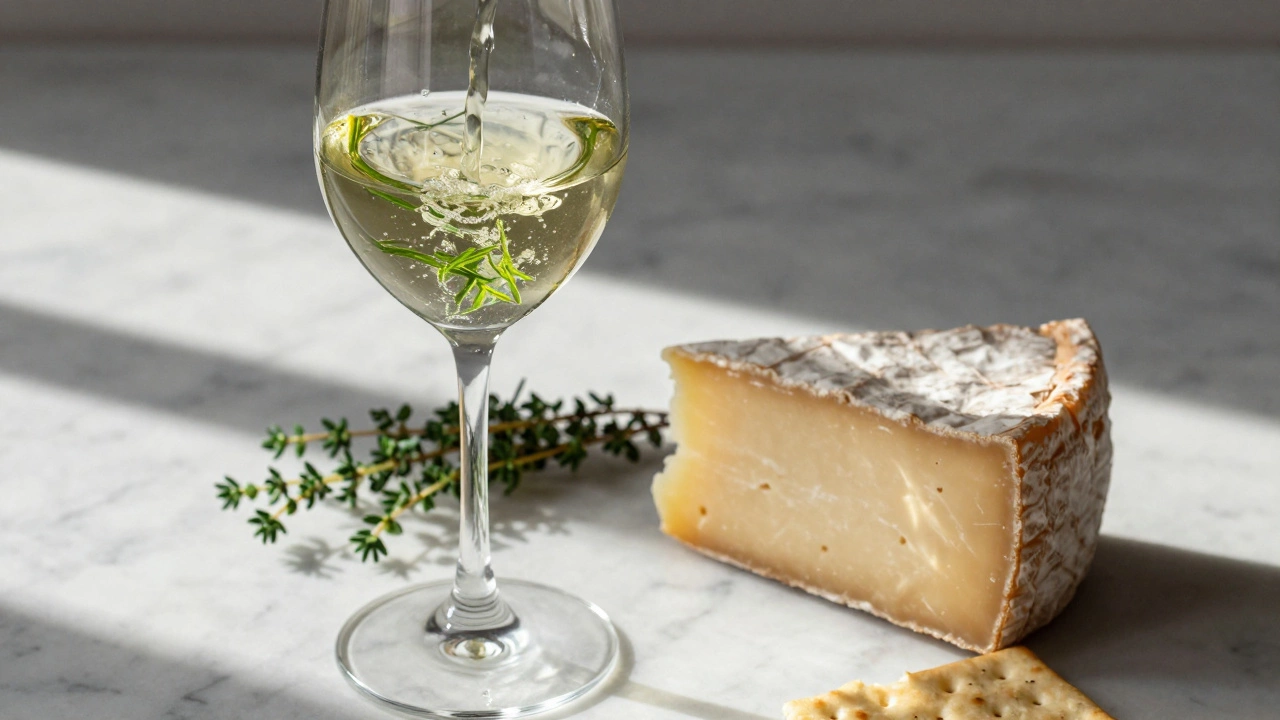
What NOT to Do
Avoid these common mistakes:- Don’t pair a light wine with a super strong cheese. A delicate Pinot Grigio will vanish next to a stinky blue. Go for Riesling or Viognier instead.
- Don’t serve cheese at room temperature and wine ice-cold. Take the wine out of the fridge 15 minutes before serving. Let the cheese sit out for 30. Cold mutes flavor. Warmth unlocks it.
- Don’t use cheap wine. You don’t need a $100 bottle, but a $15 bottle from a good producer makes a difference. Look for wines labeled “dry” or “crisp.”
Build Your Own Cheese Board - In 3 Steps
1. Pick one wine. Start with Riesling or Sauvignon Blanc if you’re new. They’re forgiving and versatile. 2. Pick 3 cheeses. One soft (Brie), one tangy (goat cheese), one bold (blue or aged cheddar). That covers the spectrum. 3. Go slow. Taste the cheese first. Then sip the wine. Let them mix on your tongue. Notice how the flavors change. Write it down. You’re building your own flavor map.
Real-Life Pairing: A Sydney Cheese Board
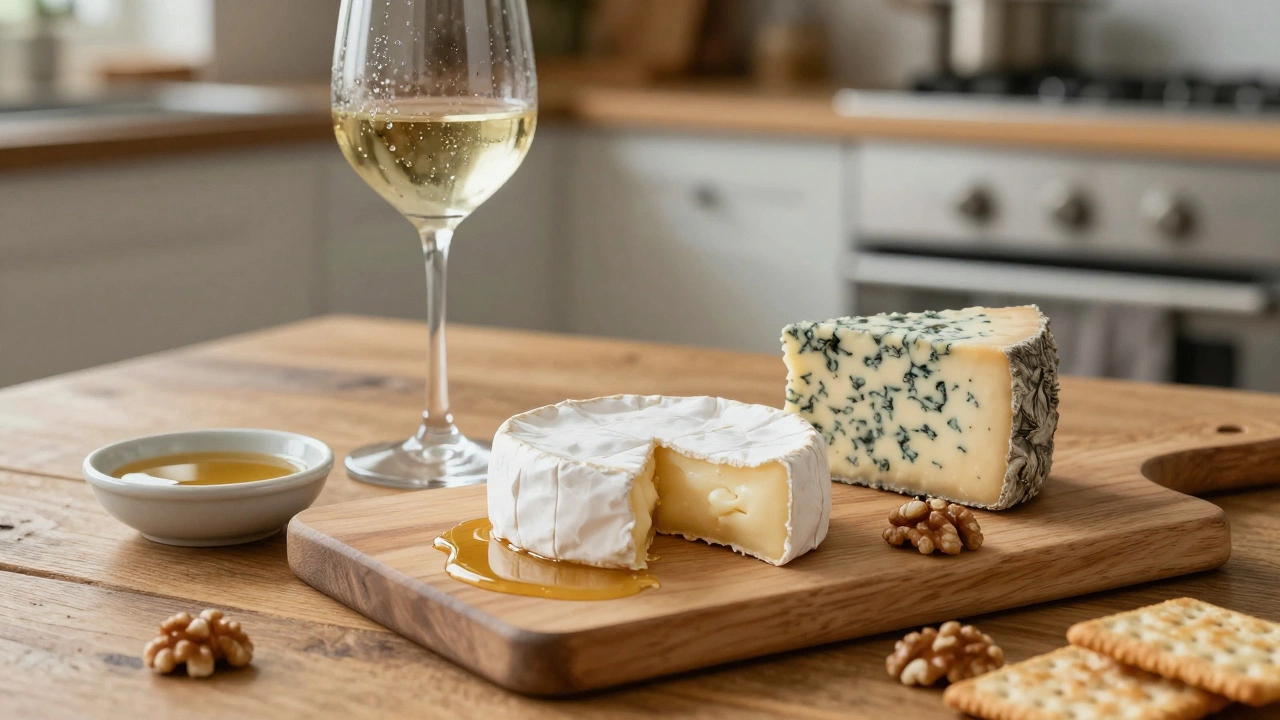
I’ve hosted dozens of cheese nights in my Sydney kitchen. Here’s what always works: - Wine: 2024 Clare Valley Riesling (Australia) - dry, zesty, with stone fruit. - Cheeses: - Camembert (French, creamy) - Goat cheese log with ash (local, tangy) - Blue cheese from Tasmania (mild, earthy) I serve it with a few crackers, a drizzle of honey, and a handful of walnuts. The honey? It’s not for the cheese. It’s for the wine. A tiny spoonful of honey on the side lets you taste how Riesling’s sweetness plays with it. It’s not sweetened - it’s deepened.Final Tip: Trust Your Nose
Wine and cheese pairing isn’t science. It’s sensory. Smell the cheese. Smell the wine. Do they smell like they belong together? If yes, try them. If not, move on. The best pairing isn’t the one in the book. It’s the one that makes you pause. That makes you say, “Hmm. That’s good.”Can you pair white wine with cheddar cheese?
Yes - but it depends on the cheddar. Young, mild cheddar works well with Pinot Grigio or Sauvignon Blanc. The wine’s acidity cuts through the creaminess. Aged cheddar, with its sharp, nutty flavor, pairs better with a richer white like Chardonnay or even a lightly oaked Viognier. Avoid pairing sharp cheddar with very light wines - they’ll disappear.
What white wine goes best with blue cheese?
Riesling is the top choice. Its slight sweetness balances the salt and funk of blue cheese without overpowering it. Off-dry Rieslings from Germany or Australia work best. If you prefer something drier, try a Grüner Veltliner - its peppery spice cuts through the richness. Avoid very sweet wines like Moscato - they’ll clash with the saltiness.
Should white wine be chilled before pairing with cheese?
Yes - but not too cold. Serve white wine at 8-12°C (46-54°F). That’s about 15 minutes out of the fridge. Ice-cold wine dulls the flavors. Cheese should also be at room temperature - take it out 30 minutes before serving. Cold cheese tastes flat. Warm cheese tastes alive.
Is it okay to pair white wine with hard cheeses?
Absolutely. Hard cheeses like Parmesan, Gruyère, or aged Gouda have deep, nutty flavors that shine with white wines. A crisp Sauvignon Blanc lifts the saltiness. A rich, unoaked Chardonnay complements the caramel notes. Many people assume only reds go with hard cheeses - that’s outdated. A good white wine can actually highlight the complexity better than a tannic red.
What’s the easiest white wine to start with for cheese pairing?
Start with Sauvignon Blanc. It’s widely available, affordable, and pairs well with most soft cheeses - especially goat cheese. It’s crisp, refreshing, and forgiving. If you like it, try Riesling next. It’s even more versatile. Once you get comfortable with those two, you’ll be ready to explore Chardonnay, Pinot Grigio, and beyond.