Spirits Tasting Guide & Journey Tracker
Select a spirit category below to discover beginner-friendly recommendations and flavor profiles.
Whisky
Grain-based • Vanilla, Caramel, Smoke
Gin
Botanicals • Juniper, Citrus, Floral
Rum
Sugarcane • Sweet, Tropical Fruit
Tequila
Agave • Earthy, Peppery, Citrus
Brandy/Cognac
Grapes • Dried Fruit, Oak, Spice
Beginner Recommendation:
Flavor Profile:
The 5 Steps of Tasting
Pour Small
Limit to one finger height (30–50 mL). Enough to taste, not enough to get drunk quickly.
Look
Hold to light. Observe color and "legs" (droplets on the side) which indicate viscosity.
Smell Gently
Short sniffs with mouth open. Avoid deep inhales to prevent painful alcohol sting.
Sip Slowly
Let it coat your tongue. Notice sweetness (tip), bitterness (back), and finish length.
Adjust
If too strong, add a few drops of water or a single ice cube to reduce burn.
Managing Alcohol Burn
Ethanol is an irritant. Here is how to handle the heat:
- The Water Trick: Keep water in your mouth before sipping the spirit. Swallow both together to acclimate your palate.
- Eat First: Never taste on an empty stomach. Food coats the esophagus and reduces irritation.
- Hydrate: Alternate every alcoholic sip with water to keep your palate clean.
- Ice Strategy: Use large clear cubes for slow melting. Cold numbs the burn but can dull flavor, so use as a training wheel.
Your Progression Pathway
Track your journey from cocktails to neat sipping. Check off stages as you become comfortable.
0% Complete
Tasting Log
Most people start their relationship with spirits distilled alcoholic beverages like whisky, gin, rum, and tequila that are concentrated for flavor and potency by chugging them at a party or mixing them into sugary cocktails. But there is a whole world behind the bottle that most beginners miss. Getting into drinking spirits isn't about getting drunk faster; it is about learning to taste, appreciate, and enjoy complex flavors in small doses. It requires a shift in mindset from consuming alcohol as a buzz to treating it as a sensory experience, similar to wine or coffee.
If you have ever taken a sip of neat whiskey and gagged, or found gin too "piney," you aren't alone. The barrier to entry is usually intensity. Spirits typically range from 35% to 50% alcohol by volume (ABV), which is significantly higher than beer (4-6%) or wine (12-15%). This means a standard pour contains a potent punch of ethanol that can burn your throat and numb your palate if you aren't careful. The goal of this guide is to help you bridge that gap, moving from intimidation to enjoyment through proper technique, pacing, and selection.
Understanding the Basics of Distilled Spirits
Before you buy your first bottle, it helps to understand what you are actually drinking. Distillation the process of heating fermented liquid to separate alcohol from water and impurities, resulting in a stronger beverage concentrates the flavors of the base ingredient-whether that is grain, agave, grapes, or botanicals. This concentration creates distinct families of spirits, each with its own flavor profile and cultural history.
| Spirit Type | Base Ingredient | Key Flavor Notes | Beginner Recommendation |
|---|---|---|---|
| Whisky | Grain (Barley, Corn, Rye) | Vanilla, Caramel, Smoke, Spice | Blended Scotch or Entry-level Bourbon |
| Gin | Neutral Grain + Botanicals | Juniper, Citrus, Herbs, Floral | London Dry or Contemporary Botanical Gin |
| Rum | Sugarcane (Molasses/Juice) | Sweet, Tropical Fruit, Molasses | Light or Gold Column-Distilled Rum |
| Tequila | Blue Agave | Earthy, Peppery, Citrus | 100% Agave Blanco or Reposado |
| Brandy/Cognac | Grapes/Fruit | Dried Fruit, Oak, Spice | VS or VSOP Cognac |
Notice the pattern in the recommendations? Beginners should avoid the extremes. Skip the heavily peated Islay scotches, the navy-strength gins, or the overproof rums until you have developed a tolerance for both flavor and heat. Start with the "middle ground" options listed above. These bottles are designed to be approachable, offering clear flavors without overwhelming bitterness or intense alcohol burn.
The Right Gear: Glassware Matters More Than You Think
You do not need an expensive crystal set to start tasting spirits, but you do need the right shape. Drinking straight out of a shot glass or a plastic cup ruins the experience because these vessels trap alcohol fumes and prevent aromas from reaching your nose. Since much of what we perceive as "taste" is actually smell, your glassware is your most important tool.
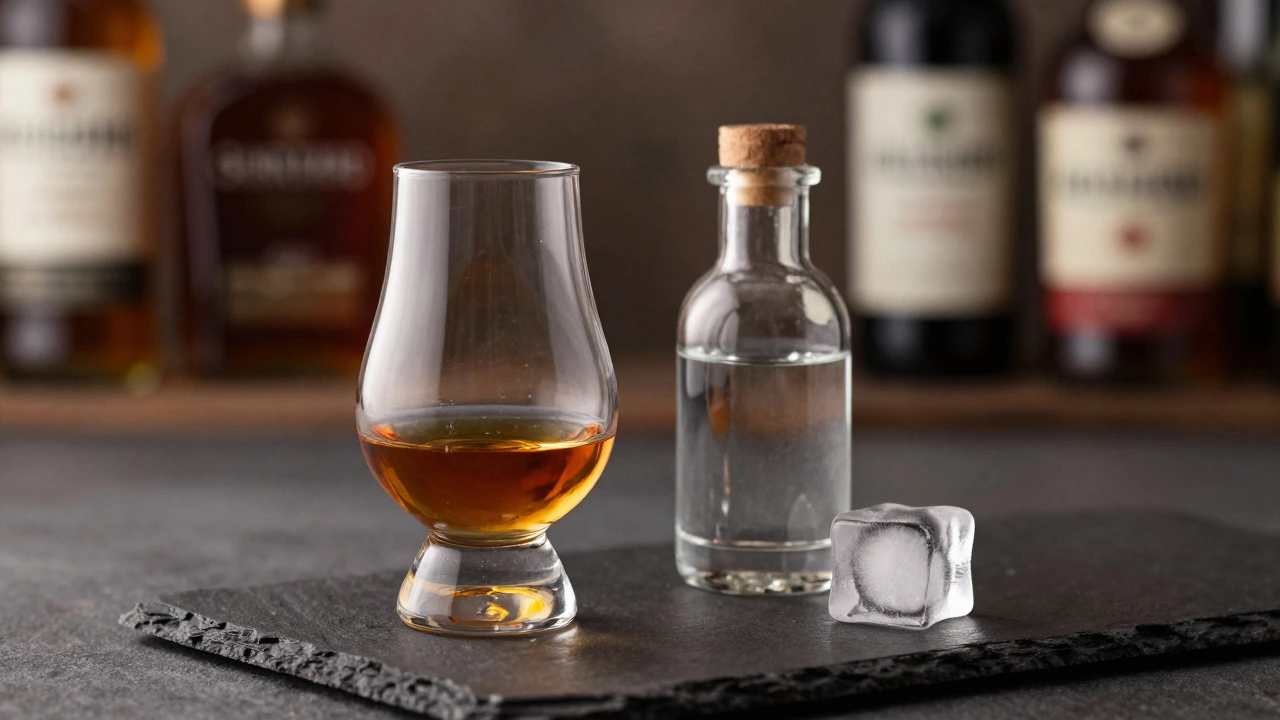
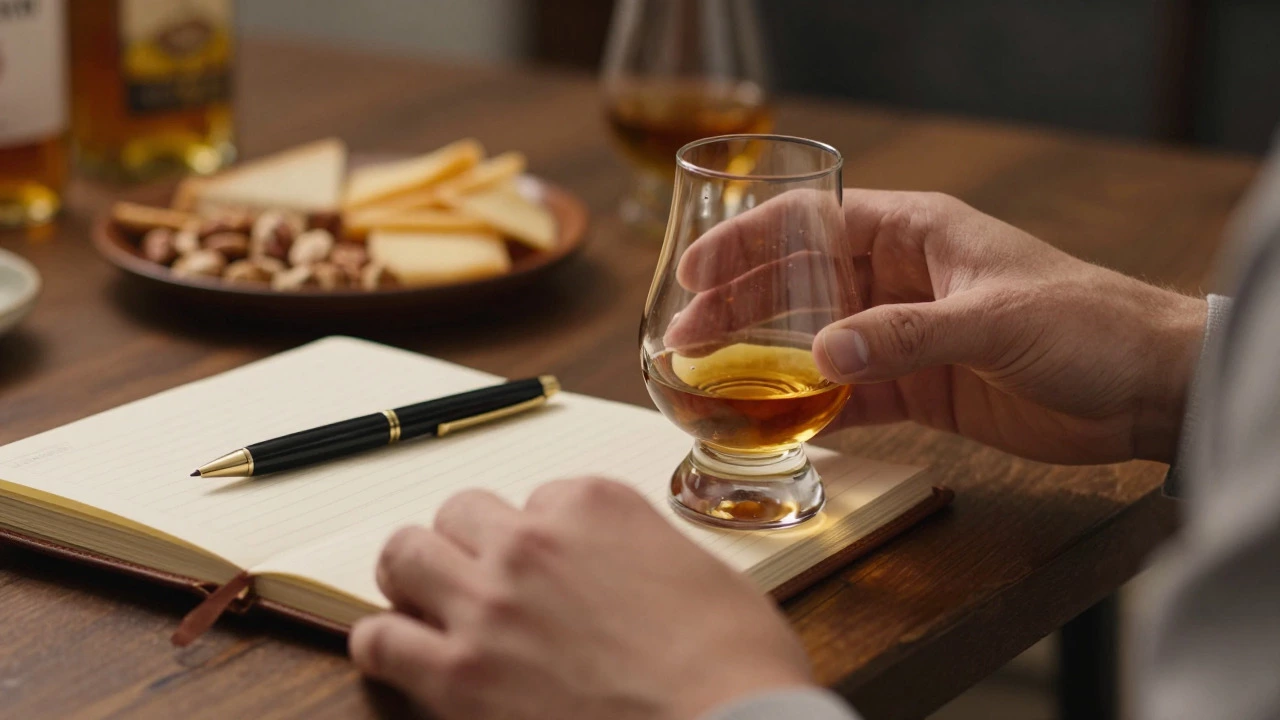
For whisky and brandy, look for a tulip-shaped glass, such as a Glencairn glass a specialized tulip-shaped stemware designed to concentrate whisky aromas toward the nose. The narrow rim traps volatile aromatic compounds, while the wide bowl allows you to swirl the liquid gently to release those smells without spilling. If you are new to gin or vodka, a simple rocks glass or even a clean highball glass works fine, provided the material is neutral. Avoid plastic, which can impart chemical off-flavors, and steer clear of metal cups unless you specifically want that metallic note.
Investing in just one or two good glasses changes how you perceive the drink. It signals to your brain that this is a tasting session, not a party shot. It slows you down. And slowing down is exactly what you need to do.
Step-by-Step: How to Taste Your First Pour
Tasting spirits is a skill, and like any skill, it has a method. Do not just gulp it down. Follow this structured approach to maximize flavor and minimize burn:
- Pour Small: Limit yourself to one "finger" height in the glass, roughly 30-50 mL. This is enough to taste thoroughly but small enough that you won't feel intoxicated after one round.
- Look: Hold the glass up to the light. Observe the color. Is it pale gold, deep amber, or clear? For whisky, watch the "legs"-the droplets that trickle down the side when you swirl. Thicker legs often indicate higher viscosity and potentially richer body.
- Smell Gently: Bring the glass to your nose, but keep your mouth slightly open. Take short, gentle sniffs rather than one deep inhale. A deep sniff forces alcohol vapors directly into your nasal cavity, causing a painful sting. Short sniffs allow the aroma compounds to register on your olfactory receptors. Look for notes of fruit, vanilla, spice, or smoke.
- Sip Slowly: Take a small sip. Let the liquid coat your tongue for a few seconds before swallowing. Notice where you feel the sweetness (tip of the tongue), bitterness (back), or saltiness (sides). Pay attention to the "finish"-how long the flavor lingers after you swallow.
- Adjust: If the alcohol burn is too strong, add a few drops of room-temperature water or a single ice cube. Water breaks the surface tension of the alcohol, releasing more aromas and reducing the harshness.
This process takes time. Rushing defeats the purpose. If you find yourself taking shots, you are bypassing the front of your palate where the nuanced flavors live. Sipping allows the spirit to interact with your entire mouth.
Managing Alcohol Burn and Building Tolerance
The biggest hurdle for beginners is the physical sensation of alcohol burn. Ethanol is an irritant, and at 40% ABV, it stings. Here are practical techniques to manage this discomfort:
- The Water Trick: Before taking your first sip of a new spirit, take a mouthful of room-temperature water. Keep some in your mouth, then sip the spirit. Swallow both together. As you get used to the spirit, gradually reduce the amount of water you retain. This acclimates your palate to the intensity without shocking your system.
- Eat First: Never taste spirits on an empty stomach. Have a hearty meal beforehand. Food coats the lining of your stomach and esophagus, reducing irritation and slowing absorption.
- Hydrate Between Pours: Alternate every alcoholic sip with a sip of water. This keeps your palate clean and prevents dehydration, which worsens the burning sensation.
- Use Ice Strategically: While purists argue against ice, beginners benefit from it. A large, clear ice cube melts slowly, diluting the drink gradually and chilling it, which numbs the burn slightly. Just be aware that extreme cold also dulls flavor, so use it as a training wheel, not a permanent crutch.
A Progressive Pathway: From Cocktails to Neat
You do not have to jump straight to drinking spirits neat (without ice or mixers). In fact, a gradual progression is often more enjoyable and sustainable. Consider this roadmap:
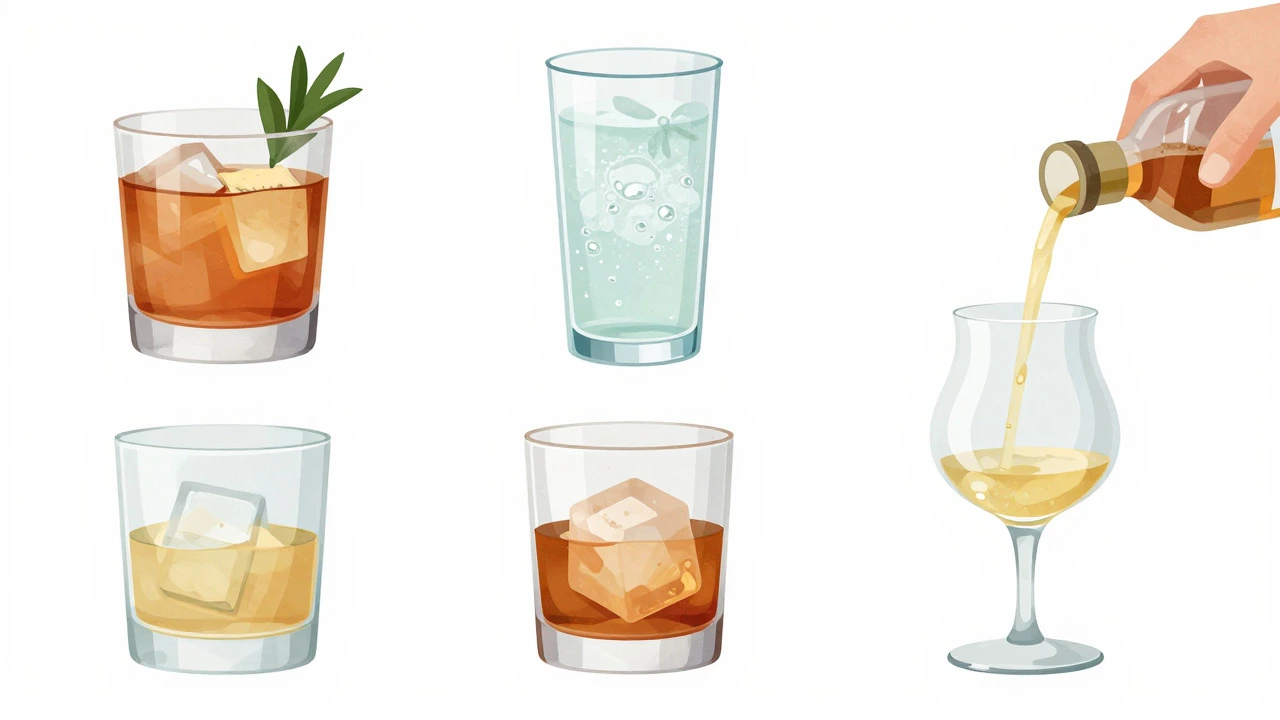
- Stage 1: Balanced Cocktails: Start with classic cocktails where the spirit is balanced by other ingredients. An Old Fashioned (whiskey, sugar, bitters) or a Martini (gin, vermouth) teaches you to identify the spirit's role within a mix.
- Stage 2: Highballs: Move to drinks like a Whiskey Soda or a Gin and Tonic. These are simpler, with fewer masking flavors, allowing you to focus more on the spirit itself.
- Stage 3: On the Rocks: Try your chosen spirit with just ice. This introduces you to the texture and temperature changes as the ice melts.
- Stage 4: Neat or With Water: Finally, try the spirit undiluted, or with just a few drops of water. This is where you will experience the full complexity of the distillate.
Many enthusiasts report that it takes 6-12 months of occasional tasting to move comfortably from Stage 1 to Stage 4. There is no rush. The goal is to find what you enjoy, not to prove a point.
Exploring Different Categories Safely
Once you are comfortable with one type of spirit, expand your horizons. However, stick to the "beginner-friendly" subcategories mentioned earlier. For example, in tequila, always choose bottles labeled "100% Agave." Cheaper "mixto" tequilas contain added sugars and artificial flavors that can cause headaches and distort your perception of real agave taste. In rum, start with light or gold column-distilled rums, which are cleaner and sweeter, before exploring dark, molasses-heavy styles. In gin, London Dry offers a crisp, juniper-forward profile, while contemporary botanical gins might feature rose, cucumber, or citrus, which can be more approachable for some palates.
Track your experiences. Keep a simple notebook or use a phone app to jot down what you liked and disliked. Did you prefer the smoky notes of a Scotch or the sweet vanilla of a Bourbon? Did the herbal complexity of gin appeal to you, or did you prefer the earthy depth of mezcal? Over time, you will develop a personal map of preferences that guides your future purchases.
Responsible Consumption and Safety
Finally, remember that spirits are potent. Because they are consumed in smaller volumes, it is easy to lose track of how much alcohol you have actually ingested. A 50 mL pour of 40% ABV whisky contains roughly the same amount of pure alcohol as a large glass of wine. To stay safe:
- Set a Timer: Give yourself at least 30 minutes between pours to assess how you feel.
- Plan Transport: Always arrange a ride home before you start drinking. Never drive after consuming spirits.
- Know Your Limits: Stop when you feel satisfied, not when you feel impaired. The beauty of spirits tasting is in the nuance, which disappears quickly once intoxication sets in.
Getting into spirits is a journey of discovery. It requires patience, curiosity, and a willingness to slow down. By starting with approachable bottles, using the right glassware, and tasting mindfully, you can transform a intimidating habit into a sophisticated and deeply rewarding hobby.
What is the best spirit for a complete beginner?
For most beginners, a blended Scotch whisky or a smooth bourbon is the easiest entry point. These spirits tend to have sweet notes like vanilla and caramel that are familiar and pleasant. Alternatively, a high-quality 100% agave blanco tequila offers a clean, sharp flavor that is less heavy than aged spirits.
Should I add ice to my spirits?
Yes, especially when you are starting out. Ice reduces the alcohol burn and makes the spirit easier to drink. While purists prefer neat servings to preserve all aromas, beginners benefit from the comfort of chilled, slightly diluted drinks. Use large ice cubes to minimize rapid dilution.
Why does whisky burn my throat?
The burn comes from ethanol, which is an irritant to mucous membranes. At 40% ABV, it is quite potent. The burn decreases as you add water, which lowers the alcohol concentration and releases aromatic compounds. Over time, your palate becomes accustomed to the sensation, and you begin to detect flavors beneath the heat.
How much should I pour for a tasting session?
Aim for 30-50 mL per serving, which is about one finger's width in a standard glass. This amount is sufficient to explore the aroma and flavor multiple times without leading to quick intoxication. It encourages sipping rather than gulping.
Do I need special glasses to taste spirits?
While not strictly mandatory, specialized glasses like the Glencairn for whisky significantly enhance the experience. Their tulip shape concentrates aromas toward your nose, allowing you to smell the nuances you would otherwise miss in a wide tumbler or shot glass. Good glassware is a low-cost investment that pays off in better tasting results.