Alcohol Calorie Calculator
Calculate Your Drink Calories
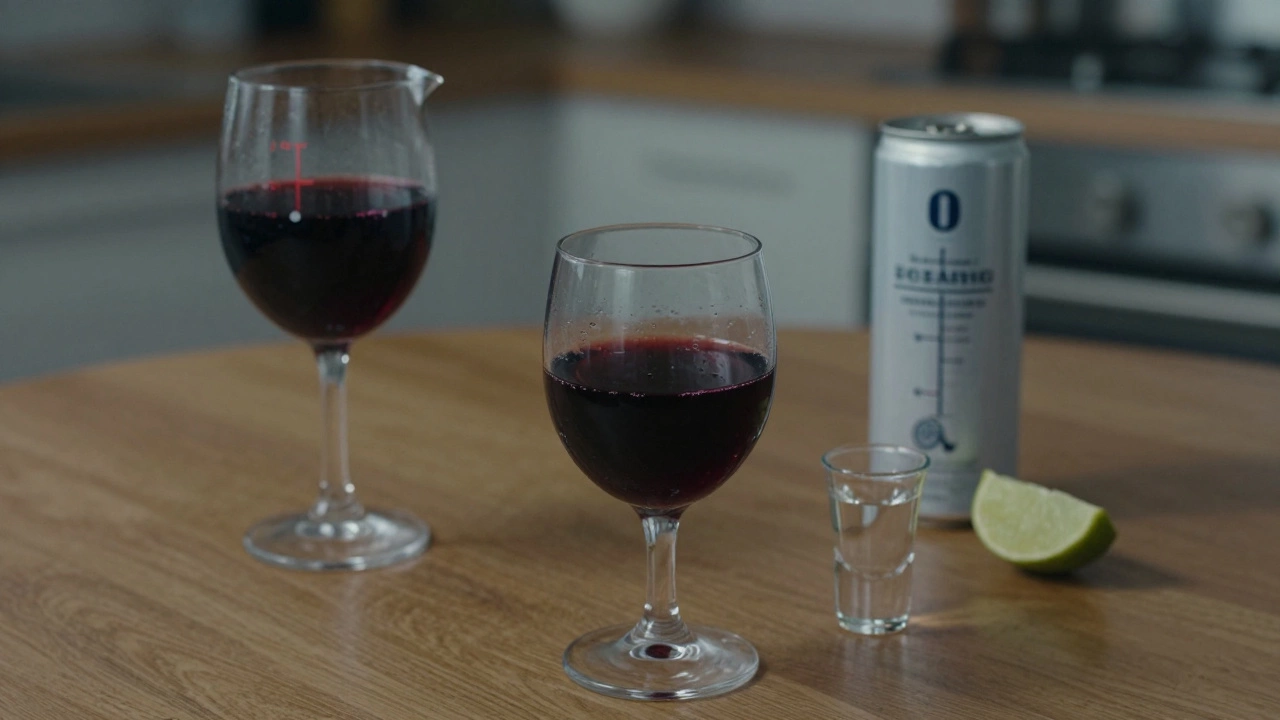
Compare calories in wine, gin, and your favorite mixers. Input your serving size and see the real calorie count.
Note: Wine calories are based on standard 5oz serving (110-130 calories). Gin calories are based on 1.5oz shot (95-115 calories).
When you're trying to watch your weight, a glass of wine at dinner feels like a harmless treat-until you realize you’ve had two. Then there’s gin: crisp, clean, and often served with soda. But which one actually adds more pounds? The answer isn’t as simple as picking one over the other. It’s about how much you drink, how it’s made, and what you mix it with.
Calories in a Standard Serving
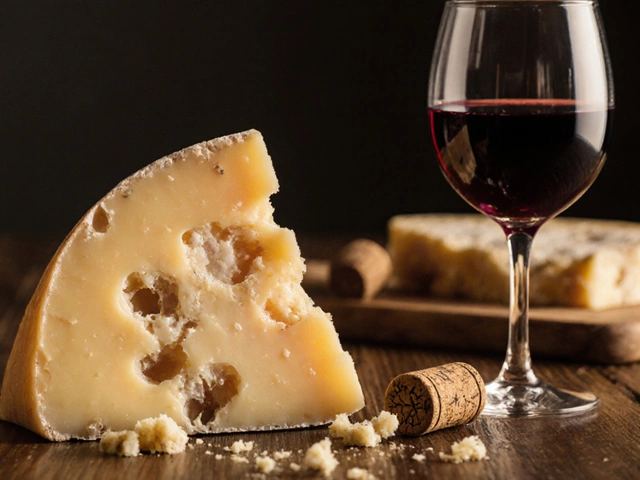
A 5-ounce glass of wine-about the size of a standard restaurant pour-contains between 110 and 130 calories. Red wines tend to be slightly higher due to more alcohol and residual sugar. A dry Sauvignon Blanc might hit 110, while a sweet Moscato can climb past 160. That’s because wine’s calories come from both alcohol and leftover grape sugars.
Now, compare that to a 1.5-ounce shot of gin. That’s about 95 to 115 calories. On paper, gin looks better. But here’s the catch: most people don’t drink gin neat. They mix it. And that’s where things change.
The Mixer Factor
A gin and tonic sounds refreshing, but regular tonic water is loaded with sugar. An 8-ounce serving of regular tonic adds about 80 calories. So if you’re having a gin and tonic with one shot of gin and a full can of tonic, you’re looking at nearly 200 calories. That’s more than a glass of wine-and you’re not even halfway through the bottle.
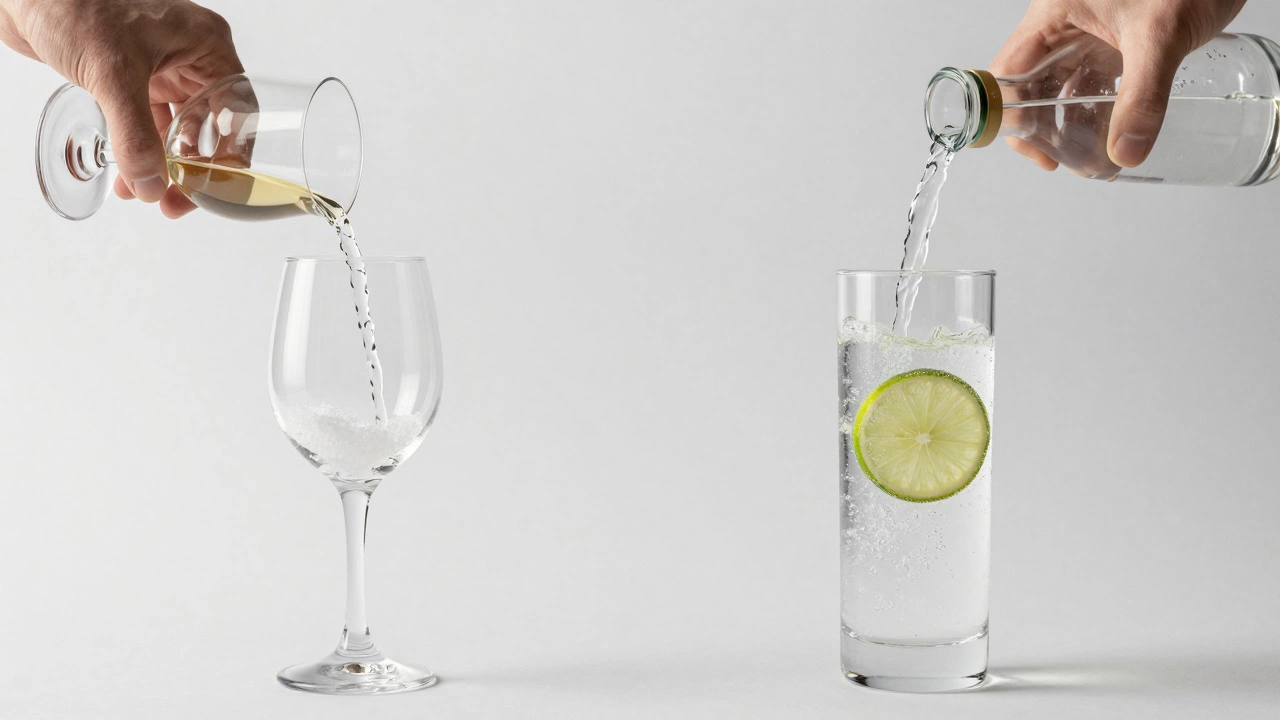
Switch to slimline or zero-sugar tonic, and suddenly that same drink drops to around 60 calories. Soda water? Even better. A gin and soda with a squeeze of lime? About 60 calories total. That’s less than half the calories of most wines.
Wine doesn’t have this flexibility. Once it’s bottled, the sugar and alcohol are locked in. You can’t make a wine lighter by swapping out the mixer. But with gin, you control the calories.
Serving Size Matters More Than You Think
Most people pour wine without measuring. Studies show that when asked to pour a standard 5-ounce glass, people typically pour 6 to 7 ounces-sometimes even 8. That’s 25% to 60% more calories than you think. A 7-ounce glass of 13% ABV red wine? That’s 220 calories right there.
With gin, you’re more likely to use a measuring shot. Even if you pour a little extra, you’re still working with smaller volumes. One 1.5-ounce shot of gin is easy to track. Two shots? That’s still only 190-230 calories-still less than two glasses of wine.
What About Metabolism?
Here’s something no one talks about enough: your body treats alcohol like poison. When you drink, your liver stops burning fat and starts burning alcohol instead. That means any extra calories from food or drink? They get stored as fat. It doesn’t matter if it’s gin or wine-alcohol shuts down fat burning.
Some studies suggest wine might have a slight edge here. Grapes contain polyphenols, antioxidants that may help reduce fat storage. One 2024 study found that, when matched for alcohol content, wine drinkers stored 12-18% less fat than gin drinkers. That doesn’t mean wine is healthy-it just means the difference isn’t just about calories.
But here’s the real problem: people drink more gin because it feels “lighter.” You think, “I’ll have one more because it’s only 60 calories.” But then you have three. Suddenly you’ve had 180 calories from gin and soda-and you’re still hungry, so you snack. With wine, you’re more likely to sip slowly and feel full faster. It’s psychology as much as chemistry.
Real People, Real Results
On Reddit, users report losing 8 pounds in three months after switching from two glasses of wine a night to two gin and slimline tonics. Others say switching to gin made them drink more overall-and they gained weight.
One user on MyFitnessPal tracked their intake for six months. They replaced nightly wine with gin and soda. Lost 12 pounds. Another swapped gin for wine and gained 5 pounds. Same calories? No. Different habits.
The pattern? People who stick to measured servings and zero-sugar mixers win. People who think “gin is low-calorie, so I can have more” lose.
What’s Changing in 2026?
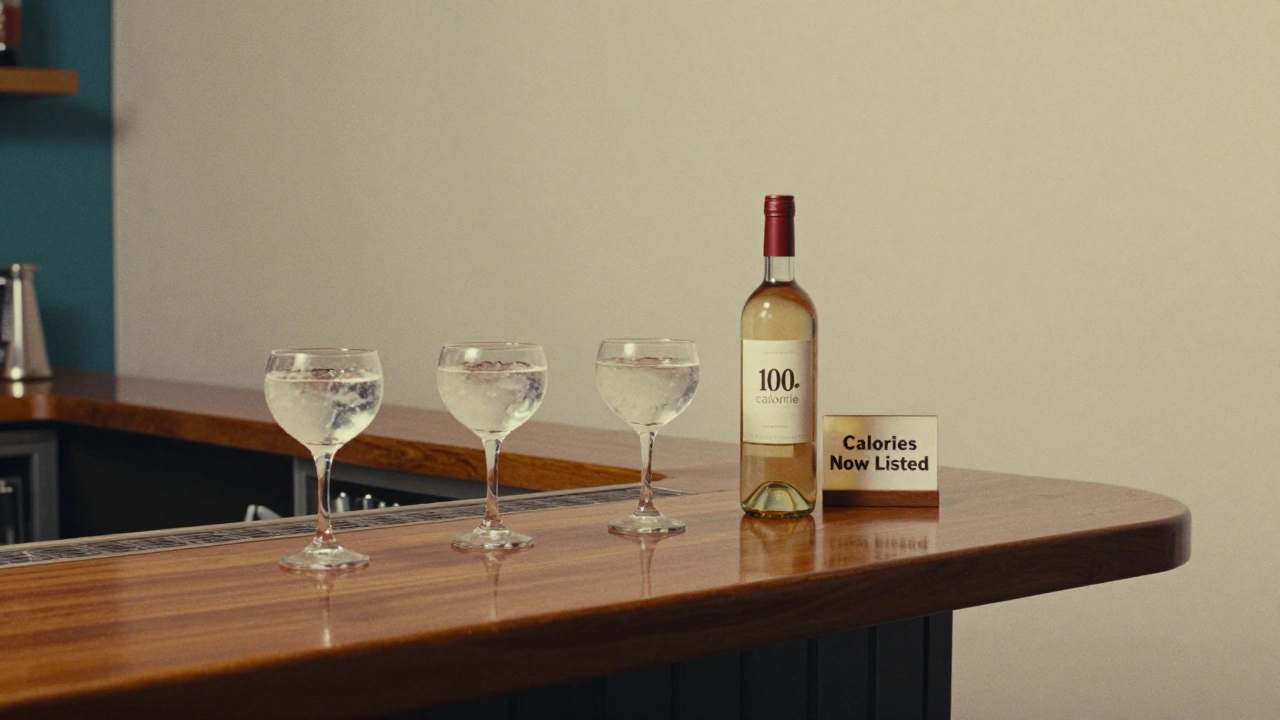
For the first time ever, U.S. law now requires alcohol labels to show calories. By the end of 2025, every bottle of gin, wine, or beer must list calories, sugar, and alcohol content. That’s huge. For years, distillers couldn’t even mention calories on their labels. Now, you’ll be able to compare side by side.
Companies are already responding. Diageo launched a new Gordon’s Zero Sugar Gin & Tonic at just 38 calories per serving. Treasury Wine Estates rolled out 100-calorie wine bottles in Australia. These aren’t gimmicks-they’re responses to real consumer demand.
And gin? It’s growing fast. Premium gin sales jumped 14.7% from 2019 to 2023. Why? Because people want control. They want to know exactly what they’re drinking. And with gin, you can build a drink that fits your goals.
Bottom Line: It’s Not the Drink, It’s the Habit
Is gin more fattening than wine? If you’re drinking neat gin with soda water? No. If you’re drinking two glasses of sweet wine? Yes. But if you’re drinking three gin and tonics with regular tonic? Then gin wins the fattening contest.
The real question isn’t which drink has more calories. It’s: Which one lets you stay in control?
Wine is easy to pour, easy to sip, easy to overdo. Gin forces you to think. You have to measure it. You have to choose your mixer. You have to decide whether you really need that second one.
If you want to cut calories, choose gin-but only if you pair it with soda water or slimline tonic. Stick to one or two shots. Don’t let “low calorie” become an excuse to drink more.
If you love wine, pick dry varieties-Pinot Noir, Sauvignon Blanc, Chardonnay. Stick to one 5-ounce glass. Pour it into a measuring cup at home so you know what a real serving looks like.
Alcohol is alcohol. It all slows your metabolism. It all adds empty calories. But you can make smarter choices. And that’s the only thing that really matters.
Does gin have fewer calories than wine?
A neat 1.5-ounce shot of gin has about 95-115 calories, while a 5-ounce glass of wine has 110-130 calories. So yes, gin has fewer calories per standard serving. But if you mix gin with tonic water, the calories can easily exceed those of wine. The key is what you mix it with.
Is gin and tonic more fattening than wine?
Regular gin and tonic is usually more fattening than wine. A typical gin and tonic with regular tonic water contains around 180-200 calories, while a glass of wine is about 120-130. But if you use slimline or zero-sugar tonic, a gin and tonic drops to about 60 calories-making it the lower-calorie option.
Can gin help you lose weight?
Gin itself won’t help you lose weight. But if you swap higher-calorie drinks like wine or sugary cocktails for a gin and soda water, you can reduce your daily calorie intake. Many people report weight loss after making this switch-but only if they don’t compensate by drinking more.
Why does wine seem to make me gain weight faster than gin?
Wine is often consumed in larger servings-many people pour 6 to 8 ounces without realizing it. A 7-ounce glass of wine can be 200+ calories. Plus, wine is easy to sip slowly over hours, so you might drink more than you think. Gin is usually served in smaller, measured shots, which makes it easier to track.
What’s the lowest-calorie alcoholic drink?
The lowest-calorie option is a 1.5-ounce shot of gin, vodka, or tequila mixed with soda water and a wedge of lime. That’s about 60 calories. Avoid sugary mixers like regular tonic, juice, or syrup. Even better: skip the alcohol entirely and choose a sparkling water with citrus.
Does alcohol stop fat burning?
Yes. When you drink alcohol, your liver prioritizes breaking it down over burning fat. That means any extra calories from food or drinks get stored as fat instead of being used for energy. This happens whether you’re drinking gin, wine, or beer. The type of alcohol doesn’t matter-your body treats all alcohol the same way.