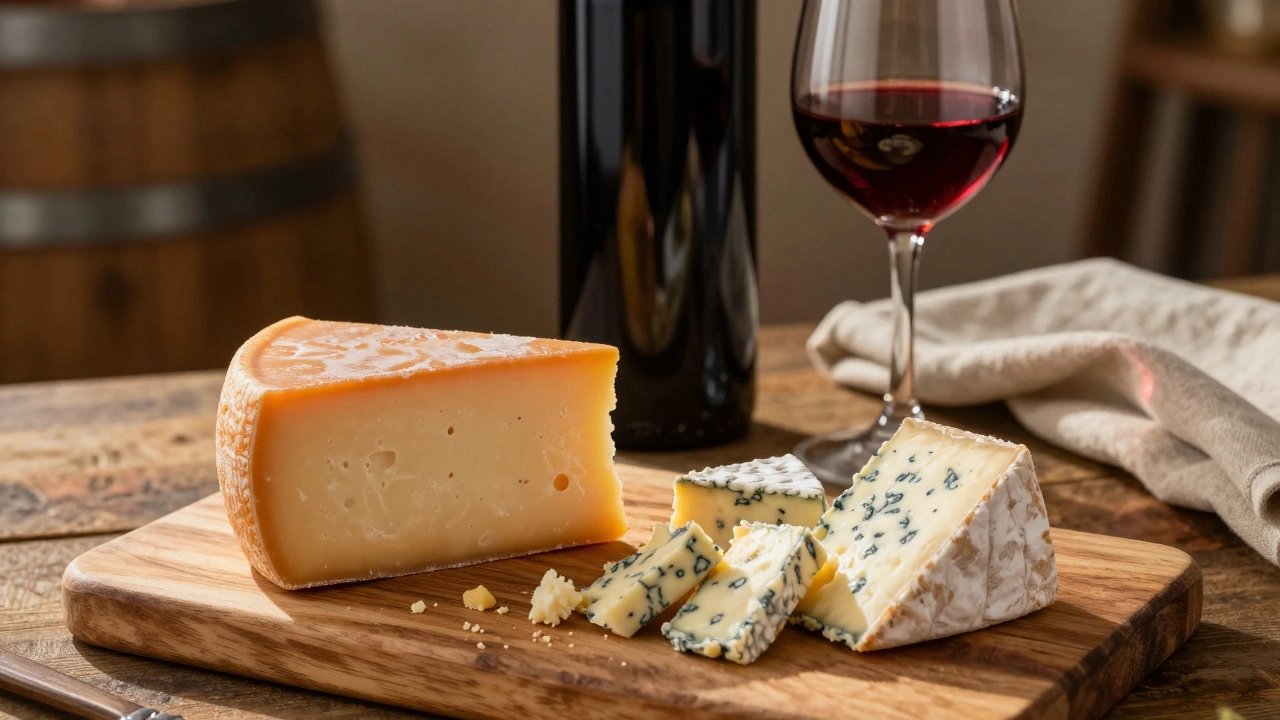
There’s a myth floating around that red wine goes with hard cheese and white wine goes with soft cheese. It’s simple. It’s tidy. And it’s wrong.
Here’s the truth: neither red nor white wine is universally better with cheese. The best pairing isn’t about color - it’s about balance. It’s about matching acidity, fat, salt, and intensity. A bold Cabernet Sauvignon can make aged cheddar taste like it was made for wine. A crisp Sauvignon Blanc can turn a goat cheese into something magical. But a light Pinot Noir with a creamy Brie? That’s a disaster waiting to happen. So let’s cut through the noise and show you exactly what works - and why.
Why the Old Rules Don’t Work Anymore
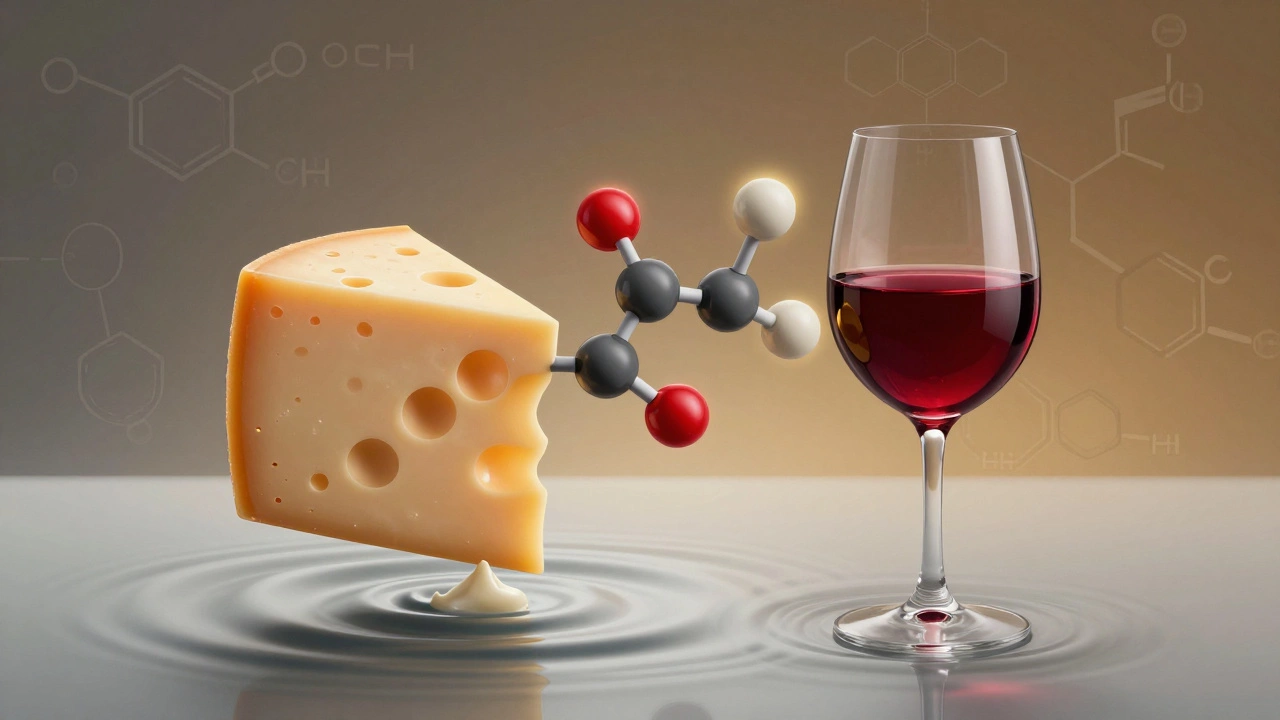
For decades, people were told: red for cheddar, white for brie. It sounded logical. Hard cheese = bold flavor = bold wine. Soft cheese = delicate = light wine. But chemistry doesn’t care about logic. It cares about molecules.
Red wines contain tannins - those drying, grippy compounds that come from grape skins and oak. Tannins cling to fat. That’s why a big red with a fatty piece of aged Gouda feels smoother. The fat softens the tannin. But pour that same Cabernet over a delicate goat cheese or a runny Camembert? The tannins grab onto the cheese’s moisture, leaving your mouth feeling chalky and bitter. Meanwhile, white wines have no tannins. That means they don’t fight the cheese - they glide over it. But here’s the catch: if the white wine is too sweet or too flabby, it’ll drown out the cheese’s flavor.
Modern experts like Emma Young and Madeline Puckette agree: color is irrelevant. What matters is structure. Acidity cuts through fat. Salt needs sweetness to balance. Intensity must match intensity. Forget the rulebook. Start thinking like a chemist.
When Red Wine Actually Wins
Red wine isn’t the enemy of cheese - it’s the perfect partner for the right kind. Think aged, firm, salty cheeses with deep, nutty, or meaty flavors.
- Cabernet Sauvignon + Aged Cheddar: The wine’s high tannins and dark fruit flavors lock in with the cheese’s sharpness and crystalline texture. It’s a classic for a reason.
- Syrah or Zinfandel + Manchego or Provolone: These wines bring spice and dark berry notes that echo the cheese’s savory depth. The fat in the cheese tames the wine’s grip, making both taste richer.
- Pinot Noir + Gruyère or Aged Goat Cheese: Lighter reds like Pinot from Russian River Valley have bright acidity and earthy undertones that mirror the nuttiness of these cheeses. It’s not about power - it’s about harmony.
The key? The cheese needs to be aged at least a year. Fresh cheeses? Skip the red. The fat isn’t concentrated enough to soften the tannins, and the result is a mouthful of bitterness.
When White Wine Shines (And Why It’s More Versatile)
White wine doesn’t have tannins, so it doesn’t clash. That gives it a huge advantage. It can pair with almost any cheese - if you pick the right style.
- Sauvignon Blanc + Goat Cheese: The wine’s razor-sharp acidity and grassy, citrus notes cut through the creaminess of goat cheese like a knife. It’s the most reliable pairing in the game.
- Chardonnay + Brie or Camembert: A well-made Chardonnay with bright lemon and apple flavors balances the buttery richness. Avoid oaky versions - they’ll overpower the cheese.
- Riesling + Limburger or Taleggio: Yes, that stinky cheese. Riesling’s touch of sweetness and high acidity tame the funk. The salt and the sugar dance together.
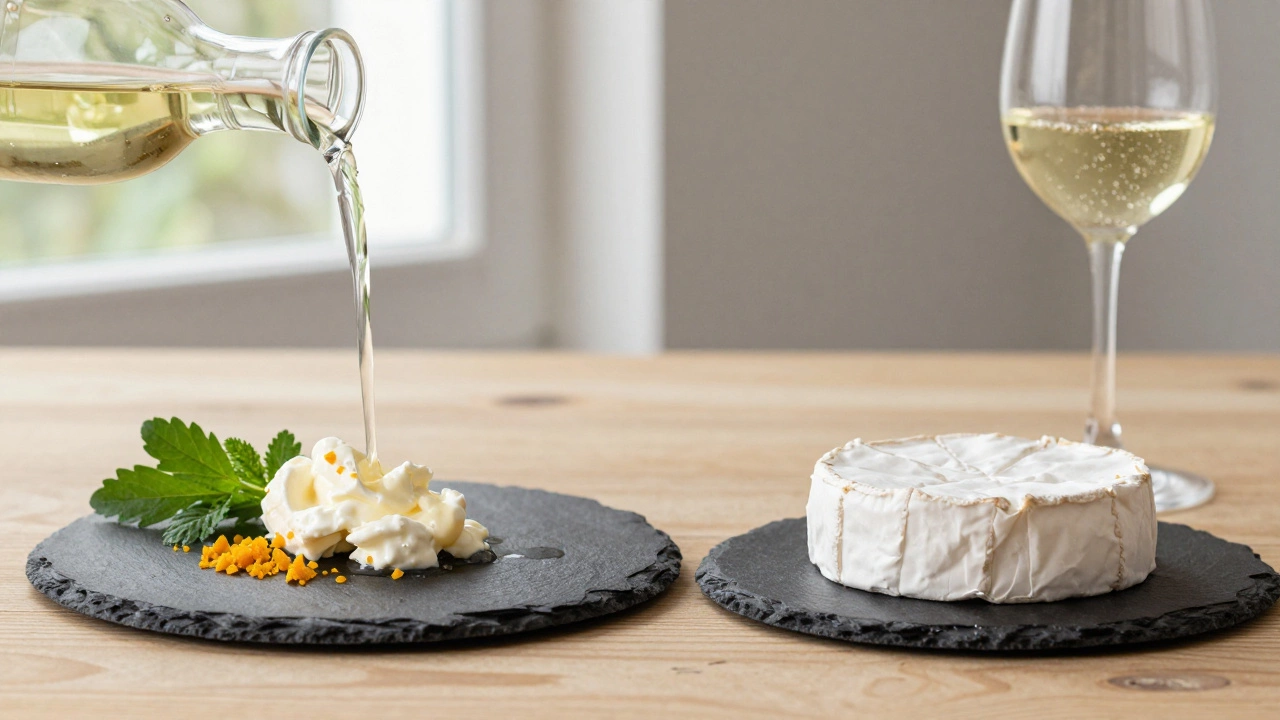
- Sparkling Wine + Triple Crème or Brie: Bubbles are the secret weapon. They scrub your palate clean after each bite, lifting the fat and leaving you ready for the next one. Champagne with Camembert? Game-changer.
White wines win because they’re flexible. They don’t need the cheese to be aged or fatty to work. A crisp Albariño can lift a mild feta. A dry Chenin Blanc can hold its own with a semi-hard Gouda. The only time white wine fails is when it’s too sweet for a salty cheese - or too dull to stand up to anything bold.
The One Cheese That Breaks All the Rules
Blue cheese is the wildcard. Most white wines get crushed by its punch. The salt and mold overwhelm the delicate flavors. But here’s what works:
- Port or Sauternes + Stilton or Gorgonzola: The wine’s sweetness fights the salt. The wine’s richness matches the cheese’s creaminess. It’s a match made in flavor heaven.
- Medium-bodied Red (like Syrah or Zinfandel) + Blue Cheese: Some people swear by this. The wine’s fruitiness softens the blue’s bite without clashing. It’s not the classic pairing, but it’s surprisingly good.
Don’t waste your time with a Chardonnay or Sauvignon Blanc next to a blue. It won’t work. But a sweet wine? That’s when the magic happens.
How to Pair Like a Pro (Even If You’re a Beginner)
You don’t need a sommelier’s degree. You just need three simple steps.
- Check the cheese’s texture and age. Is it soft, hard, creamy, or crumbly? Is it fresh (weeks old) or aged (over a year)?
- Match intensity. Mild cheese = light wine. Strong cheese = bold wine. A pungent washed-rind cheese needs a wine with equal power - like a Riesling or a Syrah.
- Balance with acidity or sweetness. If the cheese is fatty or creamy, pick a wine with high acidity. If it’s salty, pick a wine with a hint of sweetness.
Start with these five foolproof combos:
- Sauvignon Blanc + Goat Cheese
- Chardonnay + Brie
- Pinot Noir + Gruyère
- Cabernet Sauvignon + Aged Cheddar
- Port + Stilton
Try them. Taste them slowly. Notice how the flavors change in your mouth. That’s how you learn.
Temperature Matters More Than You Think
Serving cheese cold? You’re tasting nothing but fat. Serving wine too warm? You’re tasting alcohol.
Cheese needs to be at room temperature - around 65-70°F. Take it out of the fridge at least an hour before serving. That’s when the flavors wake up. The salt blooms. The creaminess softens. The aroma opens.
White wine? Serve it at 45-50°F. Too cold and it tastes flat. Too warm and it tastes sour.
Red wine? Serve it at 55-65°F. Not room temperature. Not straight from the cellar. That’s the sweet spot where the tannins are smooth and the fruit shines.
And here’s a pro tip: serve cheese on a wooden board with plain crackers. No flavored bread. No olives. Just cheese and wine. Your palate needs a clean slate between bites.
What’s Really Changing in Cheese and Wine Pairing
People are ditching the old rules. A 2024 survey of over 1,200 cheese and wine lovers showed that 68% now pick wine based on cheese characteristics - not color. Acidity? Cited by 82%. Intensity? 76%. Wine color? Just 34%.
Cheese makers are even starting to work with winemakers. Some artisanal cheeses are now designed to pair with specific wines. You’ll see labels that say “Perfect with Chardonnay” or “Best with Sparkling Rosé.”
And technology is catching up. Wine Folly’s 2024 database uses AI to analyze 17 chemical compounds in cheese and wine to predict pairings with 83% accuracy. That’s not magic. That’s science.
The future isn’t about red vs white. It’s about understanding what’s in your glass and on your plate - and letting those flavors talk to each other.
Final Answer: Which Is Better?
White wine is more versatile. It pairs with more types of cheese. It’s less likely to clash. But red wine? When it’s matched right - with the right aged, salty, fatty cheese - it’s unbeatable.
So the answer isn’t red or white. It’s right or wrong.
Forget the color. Look at the cheese. Taste the wine. Balance the fat. Match the salt. Let acidity do the work. And if you’re still unsure? Start with Sauvignon Blanc and goat cheese. It’s the easiest, most reliable pair in the world. Once you taste how good it is, you’ll never go back to guessing again.
Can I pair red wine with soft cheese like brie?
It’s not ideal. Most red wines have tannins that clash with the creamy texture of soft cheeses like brie, leaving a dry, bitter taste. Light reds like Pinot Noir can work if the cheese is slightly aged, but white wines like Chardonnay are far more reliable. Stick with white for brie unless you’re experimenting.
What’s the best wine for blue cheese?
Sweet wines like Port, Sauternes, or late-harvest Riesling are the best matches. Their sugar balances the saltiness of blue cheese, and their richness matches its creaminess. Avoid dry whites or light reds - they’ll taste flat or bitter next to a bold blue.
Does sparkling wine work with cheese?
Yes - especially creamy cheeses like brie, camembert, or triple crèmes. The bubbles cut through the fat, cleansing your palate between bites. Champagne, Prosecco, or Cava all work well. It’s one of the most underrated pairings.
Should I serve cheese at room temperature?
Absolutely. Cold cheese tastes bland. Let it sit out for 60-90 minutes before serving. The fat softens, the flavors deepen, and the aroma comes alive. It’s the single most important step you can take to improve any cheese pairing.
Can I pair white wine with aged cheddar?
Yes - and it’s becoming popular. A full-bodied, oaked Chardonnay with citrus and nutty notes can stand up to aged cheddar. But traditionally, Cabernet Sauvignon is the classic match. Try both and see which you prefer. The key is matching intensity - not color.