Budweiser vs Stella Artois: Interactive Comparison Tool
Budweiser
American LagerOrigin: St. Louis, USA (1876)
Style: Adjunct Lager with Rice
Stella Artois
Belgian PilsnerOrigin: Leuven, Belgium (1926)
Style: Traditional Pilsner
Detailed Comparison
| Feature | Budweiser | Stella Artois |
|---|---|---|
| Brewing Year | 1876 | 1926 |
| Key Ingredients | Barley Malt Rice Hops Water | Barley Malt Noble Hops (Saaz) Water |
| Taste Profile | Light, crisp, clean, neutral finish | Slightly sweet, floral, bitter finish |
| Market Position | Mass-market, high volume, accessible | Premium, heritage-focused, upscale |
| US Brewing Status | Brewed in USA since inception | Brewed in USA since 2021 (previously imported) |
| Corporate Parent | Anheuser-Busch (AB InBev subsidiary) | Interbrew International B.V. (AB InBev subsidiary) |
Ownership Structure Explorer
Anheuser-Busch
U.S. Subsidiary (acquired 2008)
- ● Budweiser (flagship brand)
- ● Distributes Stella Artois in U.S.
Interbrew International B.V.
European Subsidiary
- ● Stella Artois (flagship brand)
- ● Manages European operations
Historical Timeline
Leuven, Belgium - eventual home of Stella Artois
Adolphus Busch creates American lager in St. Louis
Originally a Christmas beer named after Star of Bethlehem
InBev acquires Anheuser-Busch, merging both brands under one company
U.S. market Stella Artois now brewed domestically at AB facilities
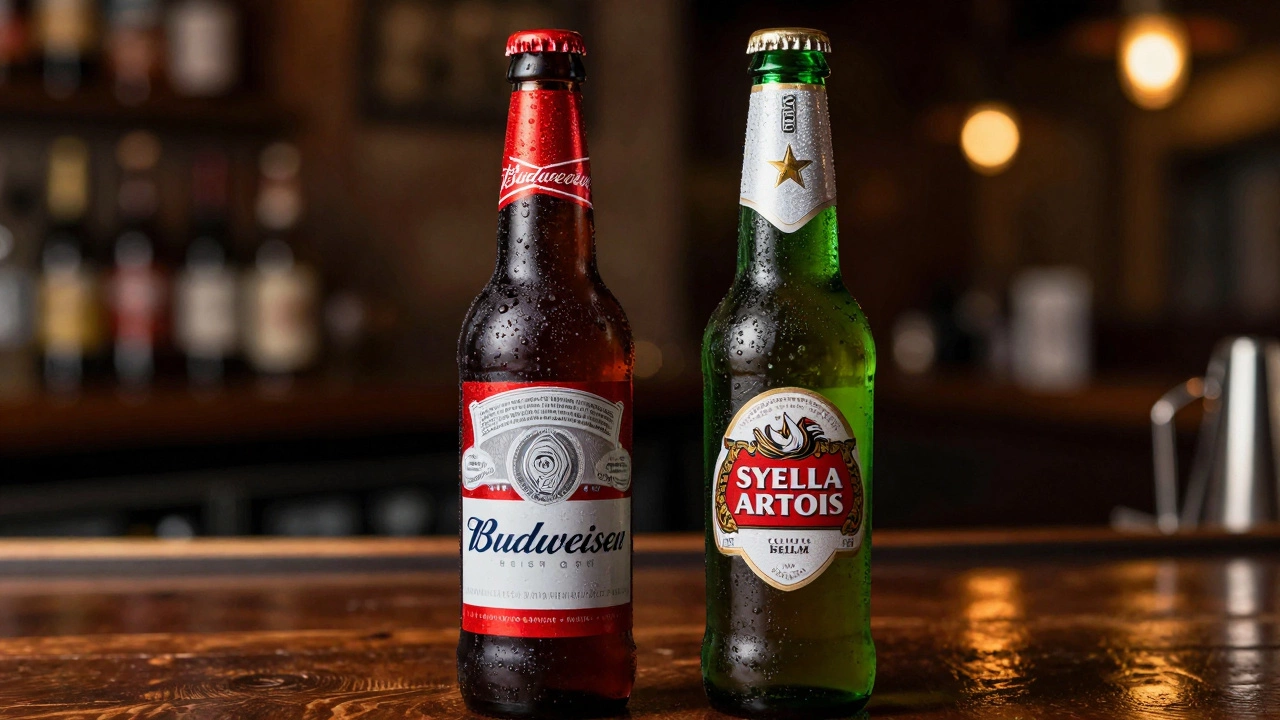
Grab a cold one and look at the label. You see the name Budweiser, an American pale lager owned by Anheuser-Busch. Now grab another. This one says Stella Artois, a Belgian pilsner with a long history. They taste different. They look different. But if you dig into who actually owns them, the answer might surprise you. Is Stella Artois owned by Budweiser? The short answer is no. They are siblings, not parent and child.
This confusion happens all the time. When you walk into a bar or stadium in the United States, both beers often come from the same tap system, the same distributor trucks, and sometimes even the same brewery. It’s easy to assume that because they share a corporate family, one must own the other. But the reality is a bit more complex-and honestly, a lot bigger than just two beer brands. To understand why people ask this question, we have to look at the massive corporation sitting on top of them all: Anheuser-Busch InBev (AB InBev).
| Feature | Budweiser | Stella Artois |
|---|---|---|
| Origin | St. Louis, USA (1876) | Leuven, Belgium (1926) |
| Style | American Adjunct Lager | Belgian Pilsner |
| Key Ingredients | Barley malt, rice, hops, water | Barley malt, hops, water |
| Corporate Parent | Anheuser-Busch (subsidiary of AB InBev) | Interbrew International B.V. (subsidiary of AB InBev) |
| Market Positioning | Mass-market, high volume | Premium, heritage-focused |
The Corporate Family Tree
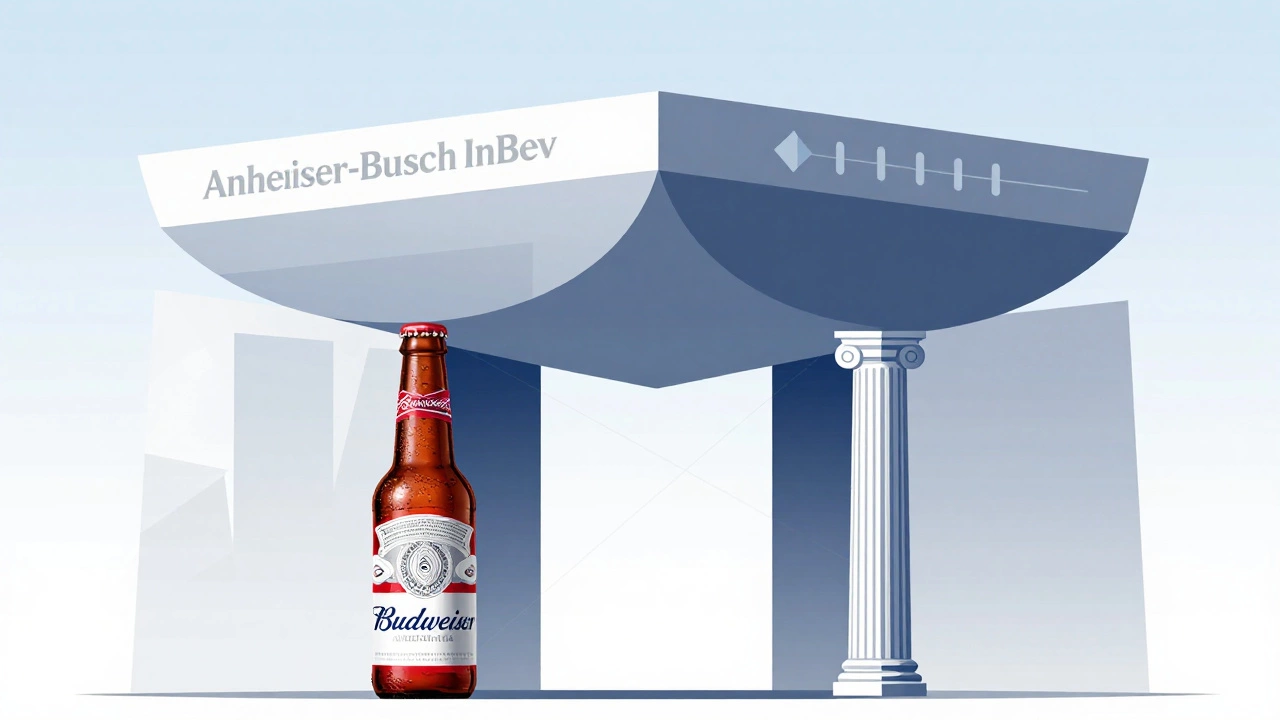
Let’s clear up the ownership structure first. Budweiser does not own Stella Artois. Instead, both brands are "sister brands" under the umbrella of Anheuser-Busch InBev SA/NV. This company, headquartered in Leuven, Belgium, is the largest brewer in the world by revenue and volume. They bought the U.S. giant Anheuser-Busch in 2008. Before that merger, Stella Artois was already part of the European side of the business, specifically through a subsidiary called Interbrew International B.V.
Think of it like a big family. AB InBev is the parents. Budweiser and Stella Artois are brothers living in the same house. One brother doesn’t own the other; they both report to the same head of household. This structure explains why you see their logos together on marketing materials and why they share distribution networks. In the U.S., for example, Anheuser-Busch (the American arm of AB InBev) handles the brewing and selling of Stella Artois domestically. Since 2021, Stella Artois sold in the U.S. has been brewed right here in America, not imported from Belgium. This operational overlap fuels the myth that Budweiser "owns" Stella, but legally, that’s incorrect.
If you’re curious about how global supply chains work beyond just beer, or if you’re looking for verified directories for other services abroad, resources like this page show how specialized platforms organize information for specific regions, much like how AB InBev organizes its vast portfolio of brands across different countries.
Why Do They Taste Different?
Just because they share an owner doesn’t mean they share a recipe. If Stella Artois were just rebranded Budweiser, beer enthusiasts would have noticed centuries ago. The difference lies in the ingredients and the brewing tradition.
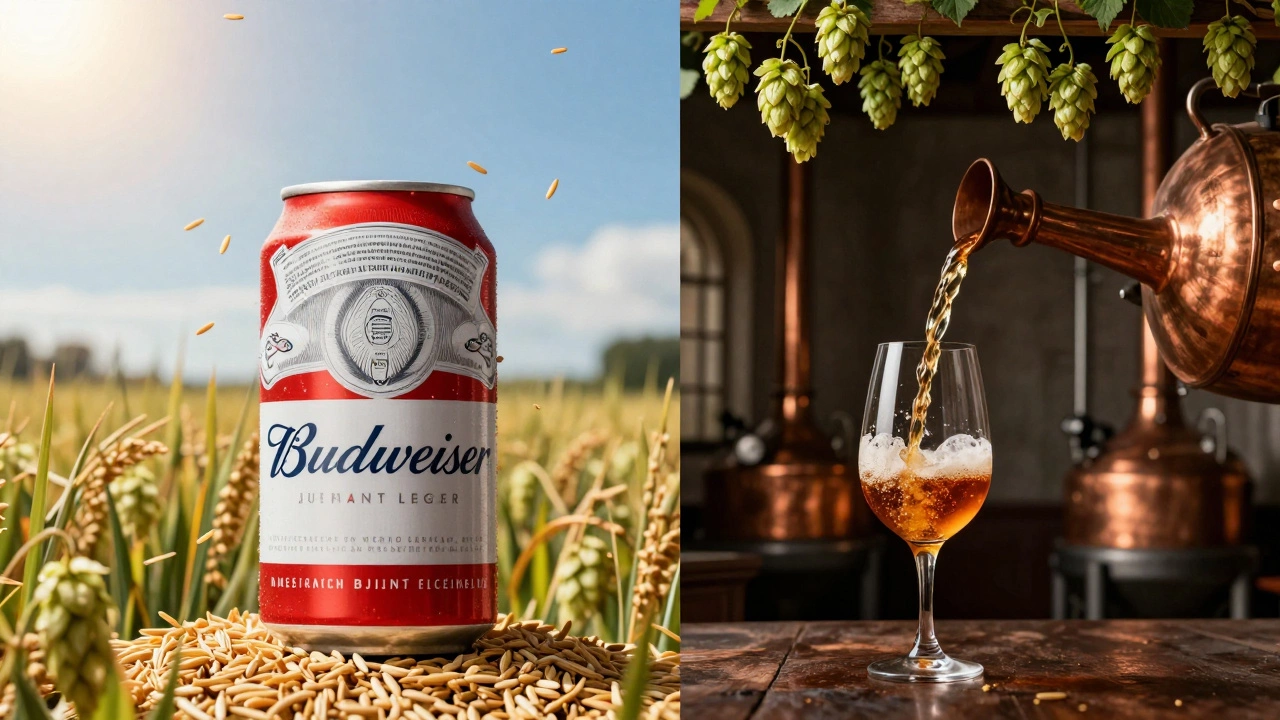
Budweiser is what brewers call an "adjunct lager." It uses a significant amount of rice alongside barley malt. Rice lightens the body of the beer and makes it crisp and highly refreshing, which is perfect for mass consumption at hot outdoor events. Stella Artois, on the other hand, is a traditional European pilsner. It relies heavily on noble hops-specifically Saaz hops from the Czech Republic-and barley malt without rice. This gives Stella a slightly sweeter, more floral, and bitter finish compared to the clean, neutral taste of Budweiser.
Reddit users often debate this exact point. In threads asking if Stella is just Budweiser in disguise, knowledgeable homebrewers point out the distinct flavor profiles. One user described Stella as "noble hop-forward" while calling Budweiser "rice-heavy." These aren’t subtle differences; they are fundamental to the identity of each brand. AB InBev keeps these recipes separate because they target different customers. You wouldn’t want your premium import to taste exactly like your domestic staple.
History: From Leuven to St. Louis
To really get why these brands feel so different, you have to look at their origins. Stella Artois traces its roots back to the Den Hoorn brewery in Leuven, Belgium, founded in 1366. Sebastian Artois became the master brewer there in the early 1700s. The specific beer named "Stella Artois" wasn’t launched until 1926. It started as a special Christmas beer-"Stella" means star in Latin, referring to the Star of Bethlehem. Over time, it became a year-round export hit, famous for its elegant glassware and pouring ritual.
Budweiser has a completely different story. Adolphus Busch launched it in St. Louis, Missouri, in 1876. It was designed to be a mass-market American lager that could survive transportation via rail. The name itself was chosen to sound European and prestigious, even though it was purely American. For over a century, Budweiser was the face of American brewing, synonymous with baseball, football, and summer barbecues.
These two histories only merged in 2008 when InBev (which had absorbed the European breweries including Stella’s parent company) acquired Anheuser-Busch. Before that deal, Stella Artois was strictly a European product in the eyes of many Americans, while Budweiser was king of the U.S. market. Today, they coexist under one roof, maintaining their distinct cultural identities.
Marketing: Premium vs. Mass Appeal
AB InBev is smart about branding. They don’t mix messages. Budweiser is marketed as the beer for everyone. Its ads focus on friendship, sports, and patriotism. It’s the safe choice for a party where you need to keep costs down and volumes up.
Stella Artois is positioned as a premium experience. Remember the "Reassuringly Expensive" campaign from the UK in the 1980s? That tagline stuck. Stella’s marketing emphasizes heritage, craftsmanship, and sophistication. They promote the nine-step pouring ritual and serve it in branded chalices to elevate the drinking experience. Even though it’s made in the same factories as Budweiser now, the packaging and advertising scream "upscale."
This differentiation is crucial for AB InBev. If Stella tasted and looked like Budweiser, they’d be competing with themselves. By keeping Stella’s image tied to Belgian luxury and Budweiser’s to American accessibility, they capture two entirely different segments of the market. You can buy both in the same store, but you pay more for Stella because the brand tells you it’s worth it.
Does It Matter Who Owns Them?
For some beer drinkers, corporate ownership doesn’t change how they enjoy their pint. For others, it’s a dealbreaker. There’s a growing movement among craft beer fans to avoid "big beer" conglomerates like AB InBev. Critics argue that such massive companies buy up smaller, innovative breweries and stifle competition. If you fall into this camp, knowing that Stella and Budweiser are siblings might make you skip both in favor of a local craft brewer.
However, for the average consumer, the quality of the beer matters most. Both Budweiser and Stella Artois are consistently produced to strict standards. The fact that they share a parent company ensures stability in supply and availability. You can find them almost anywhere in the world. That convenience is a major part of their appeal.
So, next time you’re deciding between a Budweiser and a Stella Artois, remember: you’re choosing between two different traditions, two different recipes, and two different brand stories. They may wear the same corporate uniform, but they are definitely not the same person.
Is Stella Artois owned by Budweiser?
No, Stella Artois is not owned by Budweiser. Both brands are owned by the same parent company, Anheuser-Busch InBev (AB InBev). They are considered "sister brands" within the corporate portfolio.
Who owns Stella Artois and Budweiser?
Anheuser-Busch InBev SA/NV owns both brands. Stella Artois is held by Interbrew International B.V., a subsidiary of AB InBev, while Budweiser is a flagship brand of Anheuser-Busch, another subsidiary.
Are Stella Artois and Budweiser the same beer?
No, they are very different. Budweiser is an American adjunct lager that uses rice, resulting in a lighter, crisper taste. Stella Artois is a Belgian pilsner made with barley malt and noble hops, offering a more traditional, slightly bitter flavor profile.
Is Stella Artois still imported from Belgium?
In the United States, no. Since 2021, Stella Artois sold in the U.S. has been brewed domestically at Anheuser-Busch facilities. However, it is still brewed in Belgium for the European market and other international regions.
Why do people think Budweiser owns Stella Artois?
The confusion arises because both brands are distributed by Anheuser-Busch in the U.S. and often appear together in marketing and sales channels. Since they share the same corporate parent and distribution network, consumers mistakenly assume a direct ownership link between the two brands.