Craft Beer Scale Calculator
The craft beer debate isn't just about rules—it's about scale. See how Yuengling compares to the average craft brewery using production volume.
Production Scale Comparison
Yuengling: 3.8M barrels (4.5% ABV Lager)
Average craft brewery: 15,000 barrels
(Source: Brewers Association data)
Is Yuengling a craft beer? It’s a question that sparks heated debates in beer bars, Reddit threads, and brewery tours across the U.S. On paper, the answer is yes. But if you ask a beer enthusiast in Portland or Austin, you might get a shrug-or worse, a sigh. The truth isn’t simple. It’s tangled in numbers, history, and what people actually think craft beer means.
What Does ‘Craft Beer’ Even Mean?
The Brewers Association, the main group that defines craft beer in the U.S., says a brewery is craft if it meets three rules:
- Small: Produces 6 million barrels or less per year.
- Independent: Less than 25% owned by a non-craft brewery.
- Traditional: At least half its volume uses traditional ingredients like malted barley, hops, yeast, and water.
By those rules, Yuengling qualifies. It makes about 3.8 million barrels a year-under the 6 million cap. It’s still 100% owned by the Yuengling family, now in its sixth generation. And its flagship beer, Traditional Lager, uses corn as an adjunct, which is common in American lagers going back to the 1800s. So technically, it’s craft.
But here’s where it gets messy: Yuengling produces nearly 250 times more beer than the average craft brewery, which makes around 15,000 barrels a year. That’s not just bigger-it’s on another scale entirely. Most craft brewers are local, experimental, and focused on small-batch innovation. Yuengling is a regional giant with distribution across 22 states.
Why the Backlash?
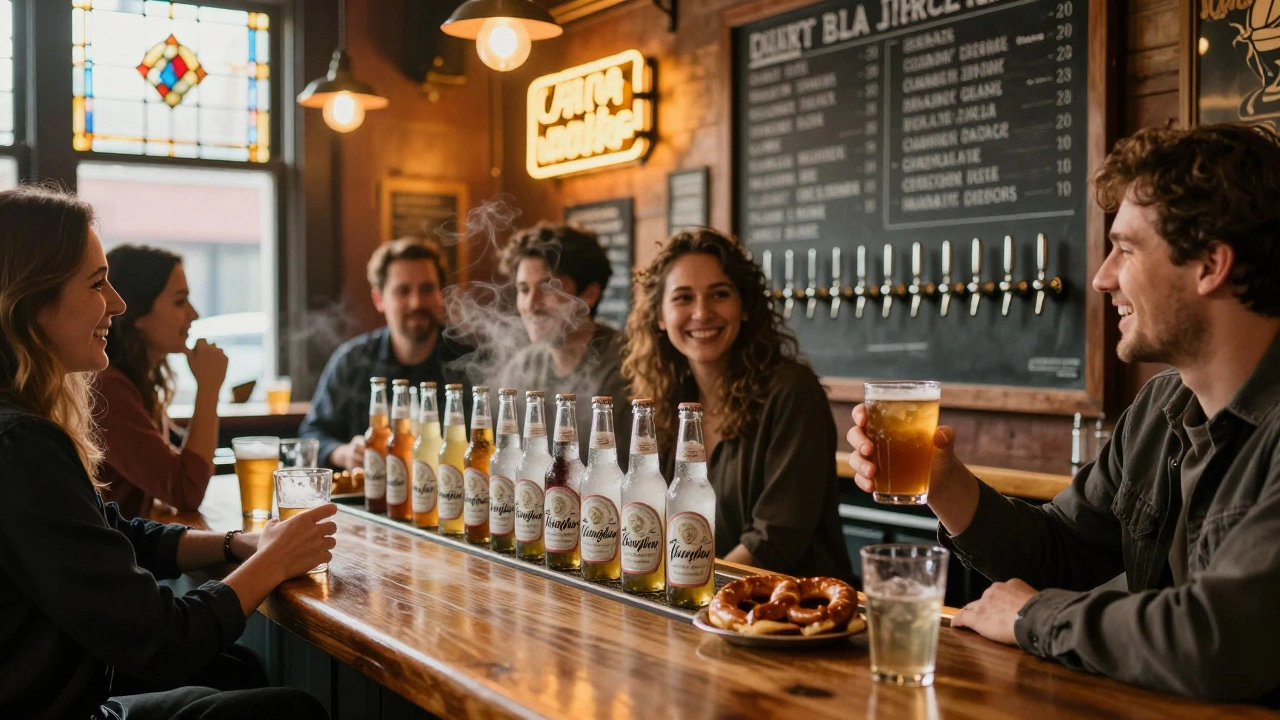
People don’t just care about the numbers-they care about identity. Craft beer, for many, isn’t just a category. It’s a culture. It’s about independence, flavor experimentation, and community. When you walk into a bar and see a tap list with 20 local IPAs, a sour from a microbrewery two towns over, and a stout brewed with coffee beans from a farm in Oregon, you expect that to be the craft beer experience.
Then you see Yuengling on the same list. And it’s not just there-it’s the best-selling beer in the region. That’s jarring. Critics say it dilutes the meaning of craft. Beer historian Maureen Ogle calls it a bridge between macro and craft, but many consumers see it as a macro in disguise.
And it’s not just about size. Yuengling’s Traditional Lager has a 3.1 out of 5 rating on Untappd, based on over 215,000 reviews. That’s below the average for craft beers, which sit around 3.7. On Beer Advocate, it scores 73 out of 100-far below the 85+ average for craft brands. People aren’t rating it poorly because it’s bad. They’re rating it poorly because it doesn’t feel like craft beer to them.
Who Decides What’s Craft?
The Brewers Association doesn’t classify beers. It classifies breweries. So even if you pour a Yuengling into a pint glass, the beer itself isn’t labeled “craft.” The brewery is. That’s a key distinction. The association says its definition helps consumers identify independent brewers versus corporate giants like Anheuser-Busch or Molson Coors. In that sense, Yuengling is a win-it’s family-owned, not bought out.
But that’s not enough for many. The 6 million barrel limit was set in 2007. Back then, Yuengling made about 2.9 million. The number was meant to include a few larger regional brewers without letting in the big players. Now, Yuengling is the largest craft brewery by volume-and it’s still growing. It’s building a new $125 million brewery in Maryland, set to open in 2026. That’ll push its output even higher.
Meanwhile, other craft brewers are struggling. The number of craft breweries has exploded-from around 2,000 in 2010 to over 9,000 in 2023. Most are tiny. Many can’t compete with Yuengling’s distribution, marketing budget, or shelf space in supermarkets. That creates resentment. One brewer in Colorado told me: “We spend six months developing a new IPA. Yuengling releases a new pilsner every year and outsells us in every state we’re in.”
Regional Pride vs. National Perception
Here’s the twist: In Pennsylvania, New Jersey, and Delaware, Yuengling isn’t just a beer-it’s a tradition. Families have been drinking it for generations. It’s served at weddings, tailgates, and holiday dinners. In those areas, 25% of households have Yuengling in their fridge. People don’t call it craft beer because of the Brewers Association-they call it craft because it’s local, it’s real, and it’s theirs.
On Reddit, a thread asking “Is Yuengling still craft?” got over 1,200 comments. In the Mid-Atlantic, 68% said yes. In the West Coast, only 22% agreed. That split isn’t about beer-it’s about identity. For some, craft means small. For others, it means heritage.
Even bars that pride themselves on craft beer often exclude Yuengling from their tap lists. A 2023 survey of 500 craft-focused bars found that 78% didn’t carry it, even though it’s officially classified as craft. Why? Because customers expect something different. They want flavor, novelty, and a story. Yuengling’s story is long, but it’s not the kind most craft drinkers are looking for.
What About the Beer Itself?
Let’s talk about the beer. Yuengling Traditional Lager is a 4.5% ABV lager with corn in the mash. It’s clean, crisp, and easy to drink. It’s not complex. It doesn’t have bold hops or funky yeast strains. It’s not meant to be a sipper. It’s meant to be a drinker’s beer-something you can have three of after mowing the lawn or watching a game.
That’s not bad. It’s just different. Craft beer isn’t a flavor profile. It’s a philosophy. Some craft brewers push boundaries with sour ales, barrel-aged stouts, or hazy IPAs. Yuengling sticks to its roots. And honestly? That’s fine. But calling it “craft” feels misleading to people who’ve spent years seeking out small, independent brewers who prioritize flavor over volume.
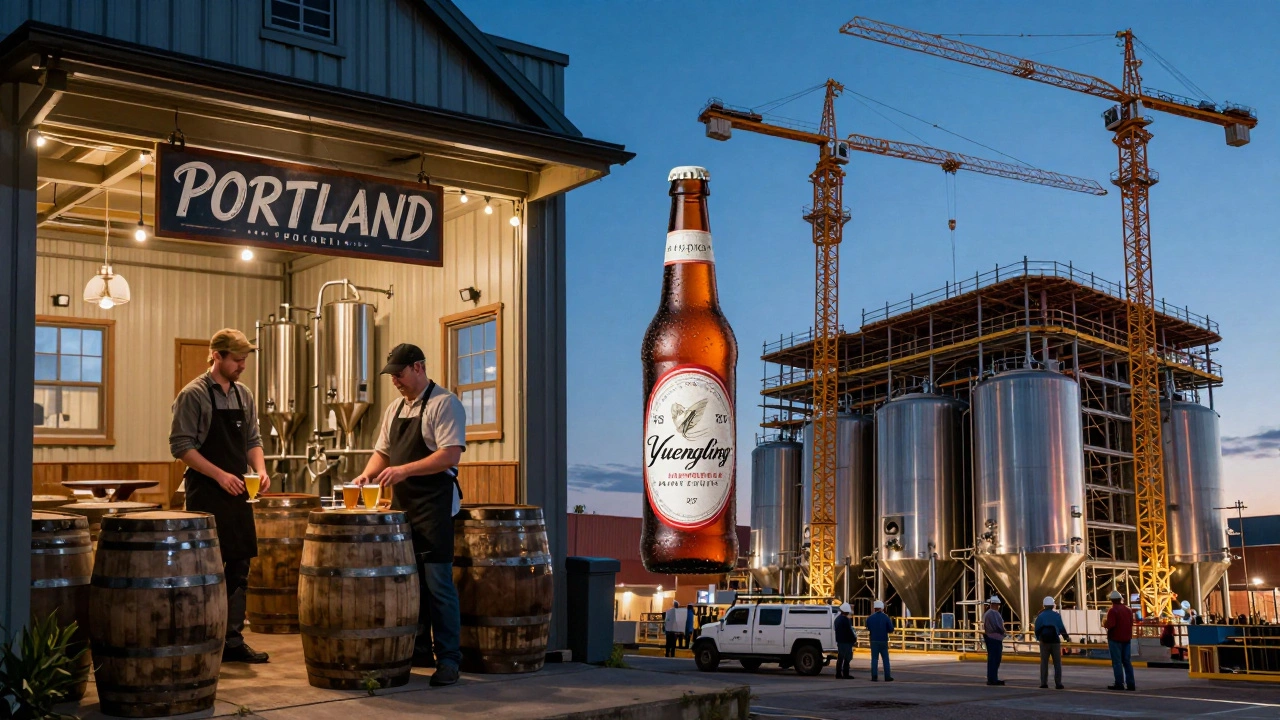
So, Is Yuengling a Craft Beer?
Legally? Yes. By the Brewers Association’s rules? Yes. In the eyes of most beer lovers outside the Northeast? Not really.
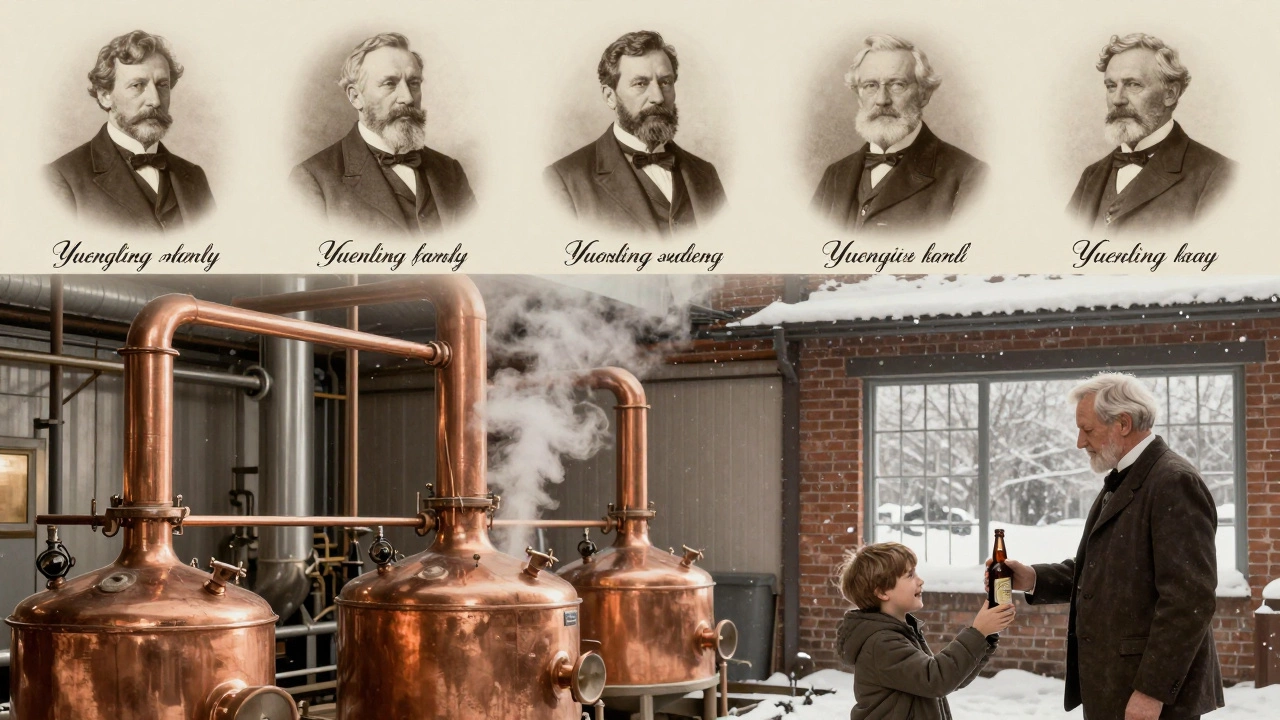
It’s a product of its history. Founded in 1829, it survived Prohibition by making near-beer and ice cream. It never sold out. It stayed family-owned. That’s rare. But it also grew into something bigger than what most people imagine when they hear “craft beer.”
The real question isn’t whether Yuengling meets a checklist. It’s whether the definition of craft beer still makes sense in 2025. If the goal is to support independent brewers, then Yuengling qualifies. If the goal is to celebrate innovation, experimentation, and community, then it doesn’t fit.
Maybe the answer isn’t yes or no. Maybe it’s: It’s craft by the book, but not by the spirit.
What Should You Do?
If you’re trying to understand craft beer, don’t get hung up on labels. Try Yuengling. Try a local IPA. Try a sour from a brewery that’s only been open two years. Taste the difference. Notice how one beer feels like a memory, and another feels like an experiment.
There’s room for both. But if you’re choosing a beer because you want to support small brewers, know what you’re buying. Yuengling is a great beer. But it’s not the kind of craft beer that changes the industry. It’s the kind that’s been part of it since the beginning.