Approval Taste: What Makes a Drink Truly Approved by Your Palate
When you take a sip and think, ‘Yeah, this one’s good’, that’s approval taste, the personal moment when a drink clicks with your senses and stops being just a beverage. It’s not about ratings, awards, or what the sommelier says—it’s your brain saying, ‘I want another.’ This isn’t magic. It’s biology, memory, and experience working together. Approval taste happens when flavor, texture, and even the moment align in a way that feels right to you, not to someone else.
It’s why two people can taste the same Negroni, a bitter-sweet cocktail made with gin, vermouth, and Campari and walk away with totally different opinions. One finds it bold and balanced; the other calls it medicinal. That’s not a flaw—it’s the point. Approval taste is personal. The same goes for whiskey, a spirit whose flavor can range from smoky and spicy to sweet and buttery. What tastes harsh to a beginner might taste complex to someone who’s learned to pick out the vanilla, oak, or pepper hiding under the burn. Even vodka, often called neutral, but in reality carries subtle differences in smoothness and finish, can feel silky or sharp depending on how you sip it and what you’re eating with it.
Approval taste isn’t just about the drink itself—it’s about context. A cheap beer tastes amazing after a long hike. A simple gin and tonic hits differently on a summer evening. The right wine and cheese pairing, where acidity cuts through fat and salt enhances fruit notes doesn’t need a textbook to work—it just feels right. That’s approval taste in action. It’s not taught in schools. It’s built through trial, error, and honest moments of ‘this is the one.’
You’ll find that in the posts below. No fluff. No hype. Just real talk from people who’ve tried it all and figured out what actually earns their approval. Whether it’s why the Margarita wins hearts in America, how Kveik yeast makes beer ferment faster than you’d think, or why water might be the only drink that truly cleans your heart—these are the stories behind the sips that stick. This isn’t about what’s popular. It’s about what you’ll remember the next time you reach for a glass.
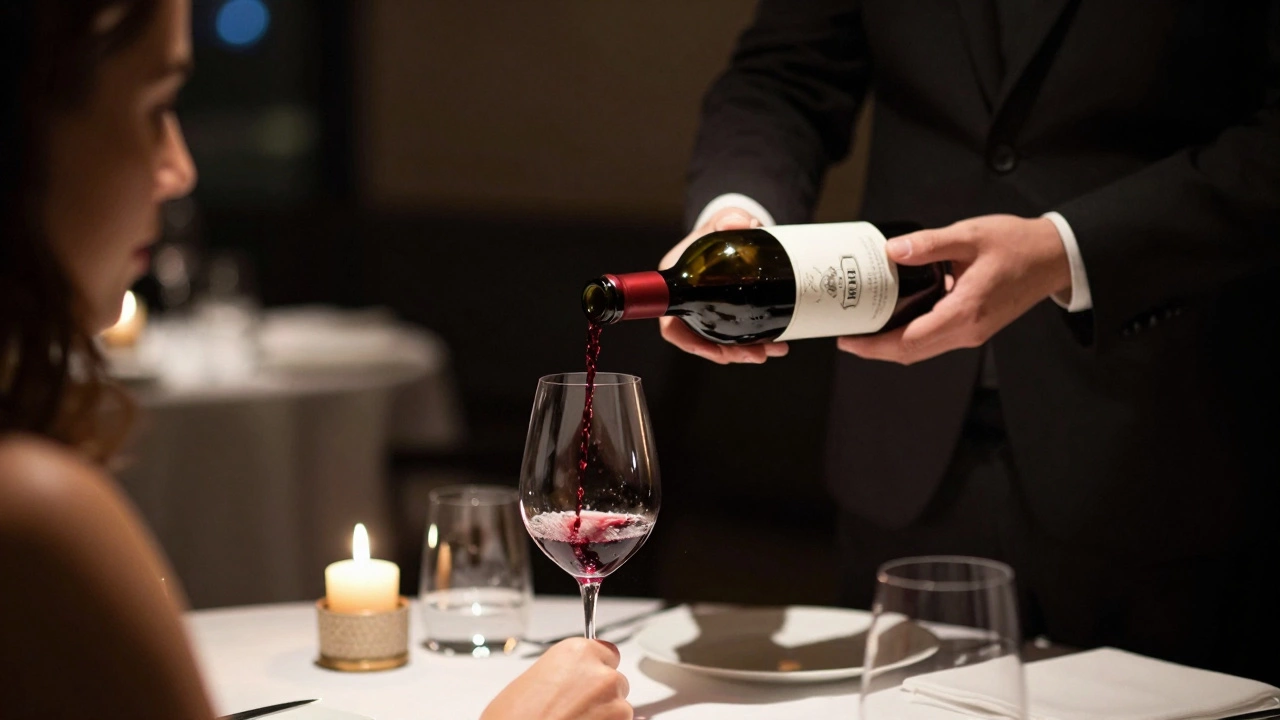
The first taste of wine at a restaurant isn’t about flavor-it’s a quality check for faults like cork taint. There’s no official name in English, but it’s a universal ritual in fine dining. Here’s what you’re really tasting for.
View Details