Wine Fault Detector
When you taste the first sip of wine in a restaurant, you're not evaluating flavor notes—you're checking for faults. This tool helps you identify common wine faults based on what you smell or taste, following the professional service standard described in the article.
What do you notice?
Cork Taint (TCA)
Musty, damp cardboard smell. No fruit. Flat. Like an old attic.
Oxidation
Wine looks brownish, smells like sherry or vinegar. Tastes flat or stale.
Reduction
Smells like rotten eggs, burnt rubber, or boiled cabbage.
Volatile Acidity
Sharp, vinegar-like bite. Not just sourness—chemical burn on nose and tongue.
Result
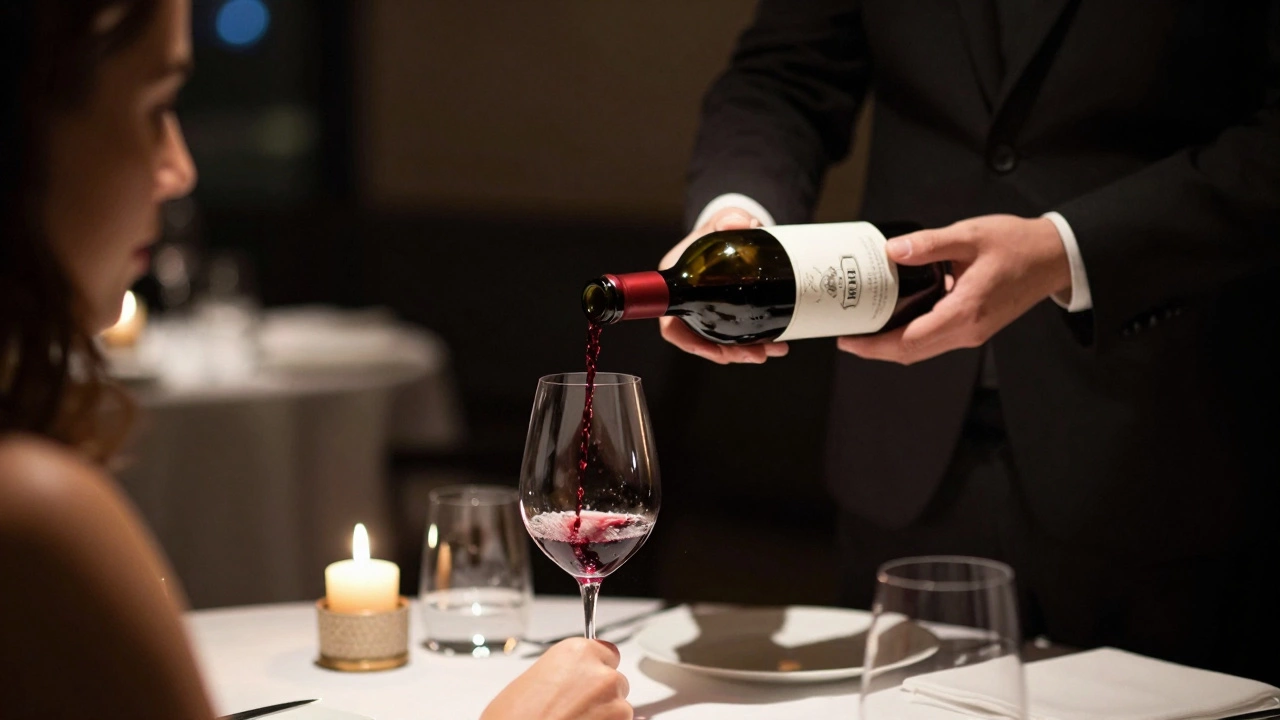
When you’re at a nice restaurant and the server opens a bottle of wine, they pour a small amount into your glass. You swirl it, sniff it, take a tiny sip-and then nod. That’s not just a polite gesture. It’s a critical step in wine service. But what do you actually call that first taste? If you’ve ever wondered if there’s a fancy French or Italian word for it, you’re not alone. The surprising answer? There isn’t one.
The Ritual Everyone Knows, But No One Names
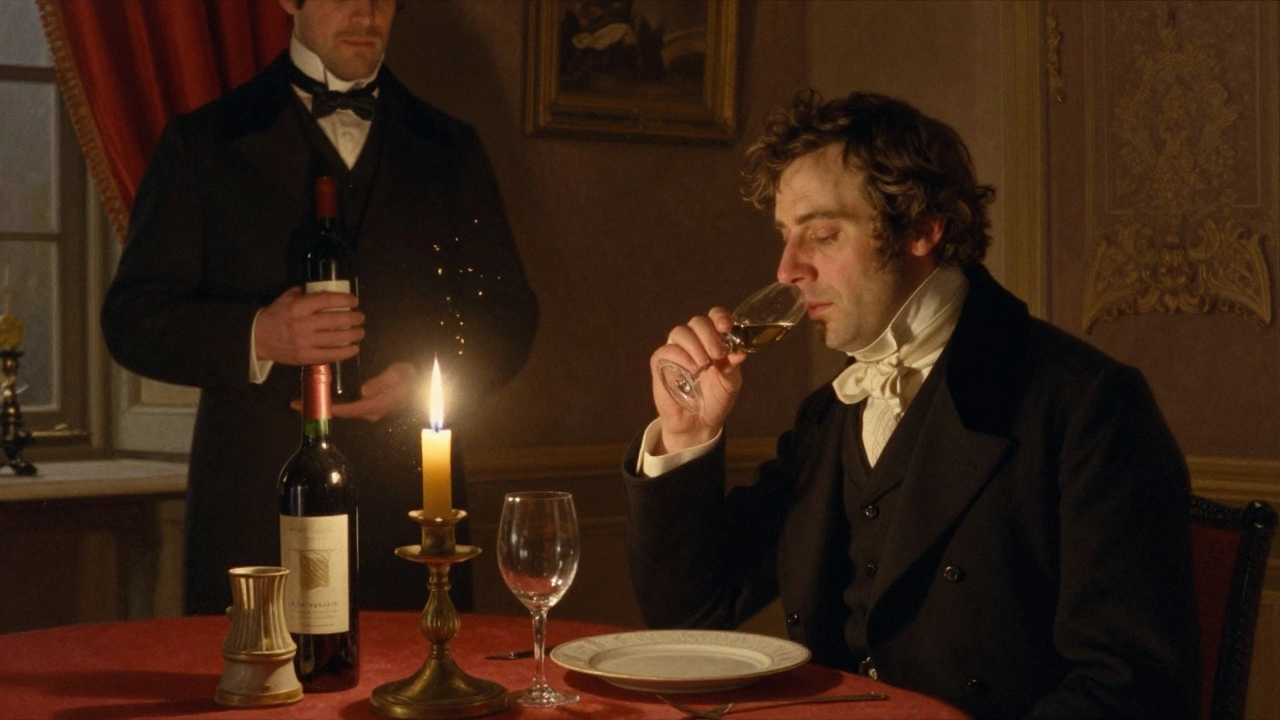
You’ve seen it a hundred times. The server presents the bottle, shows you the label, opens it, and pours just enough wine to fill a quarter of your glass. They don’t say, "Here’s your first sip." They don’t announce a term. They wait. And you? You’re supposed to know what to do. But why? Because this moment is less about tasting and more about checking. This isn’t a wine tasting event where you’re evaluating fruit notes, tannins, or finish. This is a quality control step. The only thing the server wants you to confirm is whether the wine is faulty. Not whether it’s good. Not whether you like it. Just whether it’s drinkable.What Makes Wine "Corked"?
The most common reason to send a bottle back isn’t that it’s too oaky, too sour, or too expensive. It’s cork taint. That’s when a chemical called 2,4,6-trichloroanisole-better known as TCA-gets into the wine through a contaminated cork. TCA doesn’t ruin the wine by making it sour. It kills the flavor. A corked wine smells like wet cardboard, damp basement, or old newspapers. It’s not the cork’s fault-it’s a chemical accident that happens during production. The scary part? You only need 1 to 5 nanograms per liter of TCA to detect it. That’s less than a grain of salt in an Olympic-sized pool. And here’s the twist: about 2% of people can’t smell it at all. So if you take a sip and say, "It tastes fine," you might be missing the problem. That’s why the server pours the taste-so someone who can detect TCA gets the first look.Why There’s No Official Name
You’d think, in a world that has names for every wine detail-bouquet, mid-palate, finish, length-there’d be a term for this. But there isn’t. Not in English. In France, they call it dégustation de contrôle-control tasting. In Italy, it’s assaggio di verifica-verification taste. But in English-speaking restaurants? You’ll hear "tasting for approval," "the cork check," or "the first sip." None of these are official. Even the Court of Master Sommeliers, the most respected wine certification body in the world, doesn’t assign a single term. Their manual just says "host’s verification taste." Master Sommelier Pascaline Lepeltier put it bluntly: "It’s not part of the tasting experience. It’s a utility check." And that’s the key. Wine professionals don’t need a fancy word for it because it’s not about flavor-it’s about safety.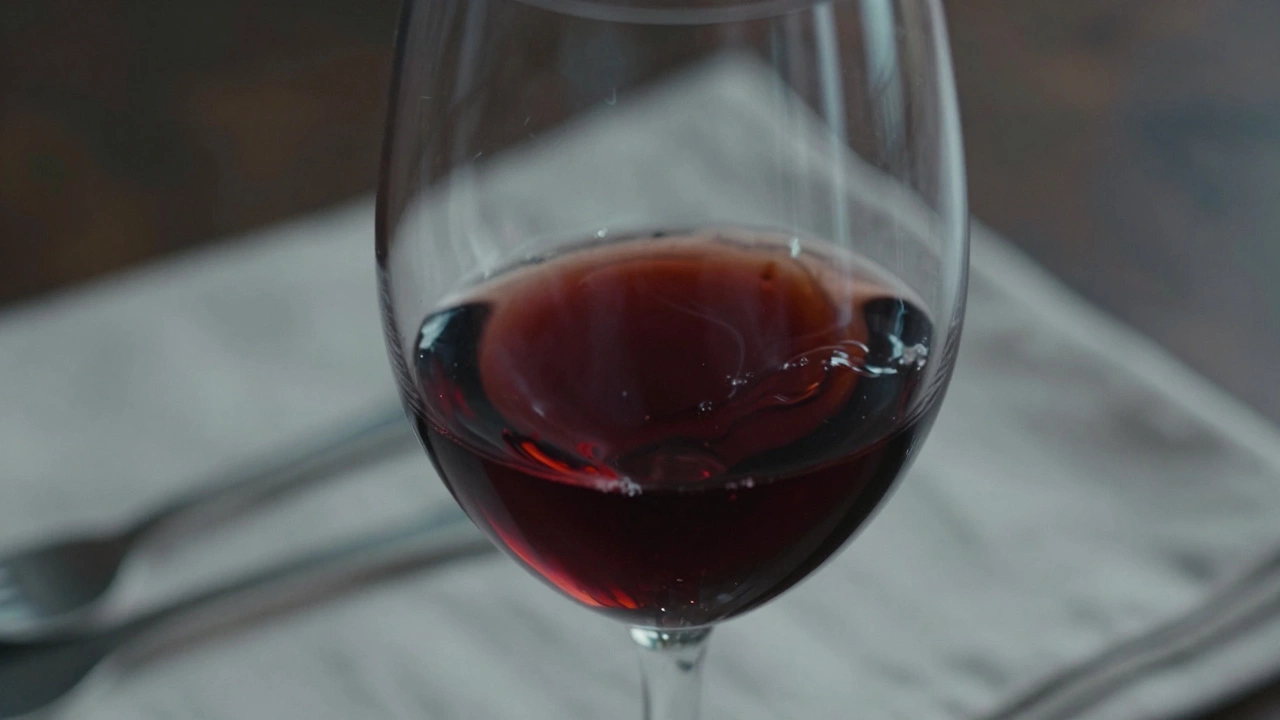
What You’re Actually Looking For
When you taste that first sip, you’re not hunting for blackberry or vanilla. You’re listening for warning signs. Here’s what to check for in under 10 seconds:- Cork taint (TCA): Musty, damp cardboard smell. No fruit. Flat. Like an old attic.
- Oxidation: Wine looks brownish, smells like sherry or vinegar. Tastes flat or stale. Happens when air gets in-usually from a bad seal or old bottle.
- Reduction: Smells like rotten eggs, burnt rubber, or boiled cabbage. Caused by too little oxygen during winemaking. Sometimes it blows off after swirling.
- Volatile acidity: Sharp, vinegar-like bite. Not just sourness-this is a chemical burn on the nose and tongue.
How Much Should They Pour?
It’s not a full glass. It’s not even a quarter glass. The standard is 15 to 30 milliliters-about one to two tablespoons. That’s enough to detect a fault without exposing too much wine to air. Pour more than that, and you start aerating it. That changes the wine’s flavor before you’ve even had your main course. The server holds the bottle so you can still see the label. That’s not just for show. It’s to confirm you’re getting the exact wine you ordered. No substitutions. No mix-ups. This is about trust.Does This Happen Everywhere?
In fine dining? Almost always. A 2023 survey by the International Wine & Food Society found 97% of high-end restaurants worldwide follow this protocol. But in casual wine bars? Only about half do. Why? Because it’s a service standard, not a legal requirement. Some places skip it to speed things up. Others think customers won’t notice. But if you’re paying $120 for a bottle of Burgundy, you should expect it. And here’s something most people don’t realize: this ritual started in 19th-century Europe. Count Léon de Conti wrote about it in 1890, calling it simply "la vérification". No fancy term. Just a practical step. And that’s still true today.