Brandy: What It Is, How It's Made, and Why It Belongs in Your Drink Rotation
When you think of brandy, a distilled spirit made from fermented fruit, most commonly grapes. Also known as fruit brandy, it's not just what your grandfather sipped neat—it's a category with serious depth, from Spanish Cognac to French Armagnac and even apple-based Calvados. Unlike whiskey, which comes from grain, brandy starts with fruit juice or wine, then gets distilled and aged in oak. That simple difference changes everything—flavor, aroma, texture, and how it behaves in cocktails or on its own.
There are two big types you’ll run into: grape brandy, the classic style made from wine, with Cognac and Armagnac as its most famous examples, and fruit brandy, made from apples, pears, plums, cherries, or even peaches. Each has its own rules, traditions, and taste profiles. Grape brandies tend to be smoother, richer, and more complex, with notes of dried fruit, vanilla, and spice from long aging. Fruit brandies? They’re brighter, often fruity-forward, with a punch of fresh orchard flavor that makes them perfect for sipping or mixing.
Brandy doesn’t need to be fancy to be good. You don’t need a $200 bottle to enjoy it. Many affordable options deliver serious character—especially if you’re looking for something to warm you up after dinner or to mix into a classic Sidecar or Brandy Alexander. And while it’s often seen as a slow sipper, brandy works surprisingly well in cocktails, especially when you want something less sharp than vodka or gin. It’s also one of the few spirits that actually improves with a little time in the glass—let it breathe, swirl it gently, and you’ll uncover layers you didn’t notice at first.
What’s cool about brandy is how it connects to place. Cognac comes from one small region in France and follows strict rules. American brandy? More experimental—some use bourbon barrels, others age it in ex-wine casks. And then there’s the rise of small-batch producers making brandy from local apples or even raspberries. It’s not just heritage—it’s innovation hiding in plain sight.
There’s no single way to drink it. Some pour it neat, some with a single ice cube, others mix it into a spritz with soda and citrus. It pairs well with dark chocolate, aged cheese, or even a simple bowl of roasted nuts. And if you’ve ever wondered why it shows up in so many old-school recipes or classic cocktails, it’s because it brings warmth, depth, and a quiet elegance that few other spirits can match.
Below, you’ll find real-world takes on brandy—from how it’s made and how to taste it, to the best ways to enjoy it without sounding like you’re trying too hard. Whether you’re new to it or just looking to deepen your knowledge, these posts cut through the noise and give you what actually matters.
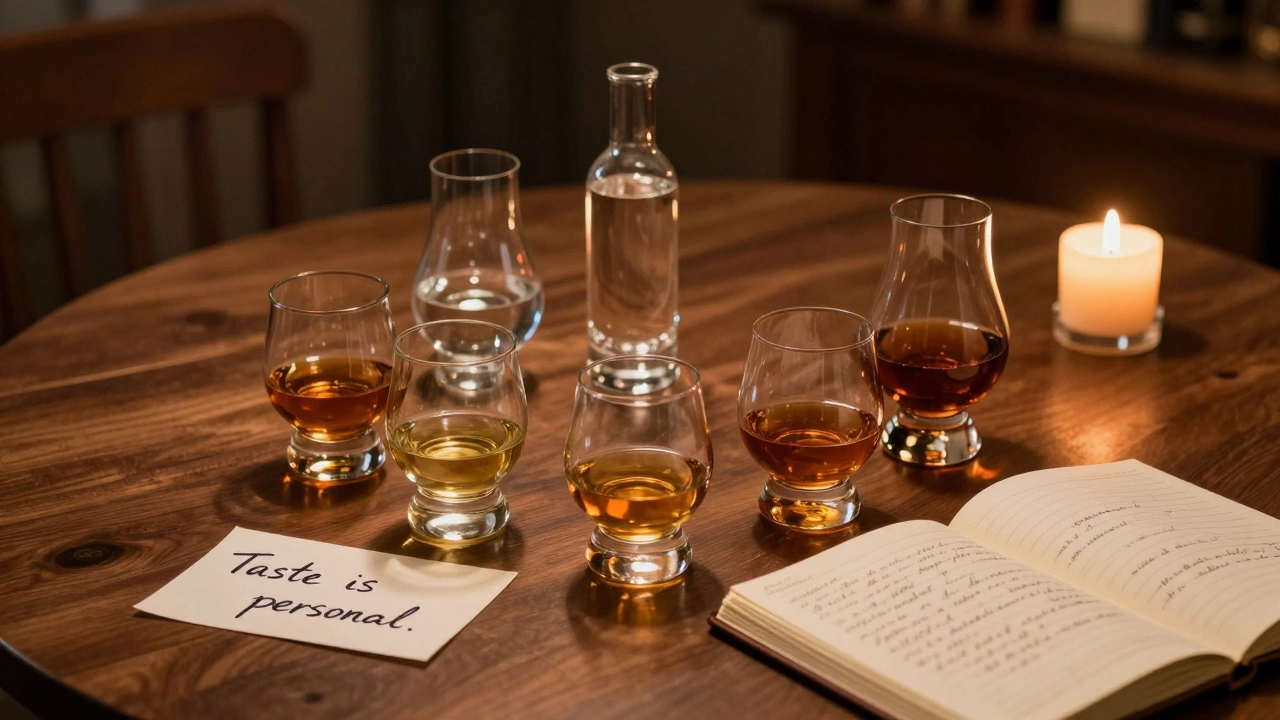
There's no single best tasting spirit-taste is personal. Discover how whiskey, rum, tequila, brandy, and vodka each offer unique flavors, and learn how to find what truly suits your palate.
View Details