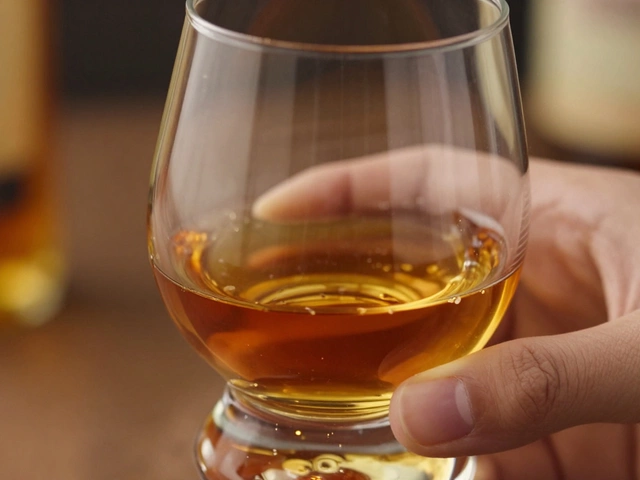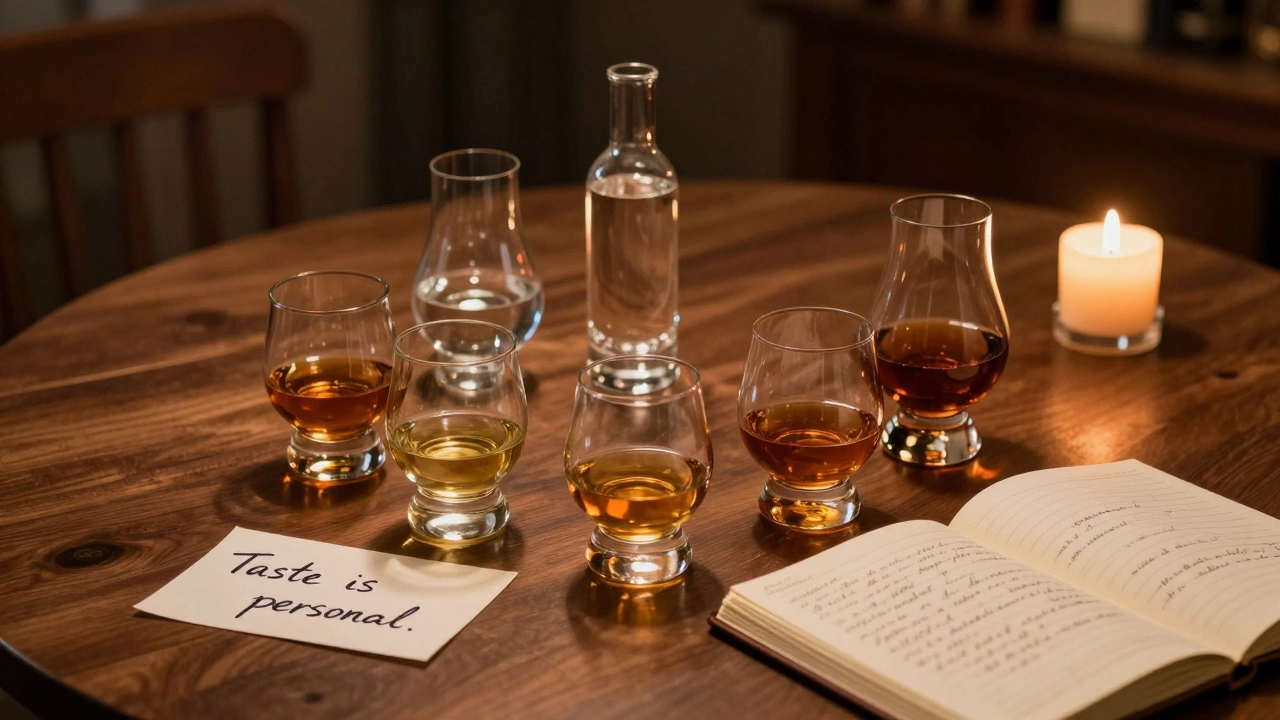
There’s no such thing as the best tasting spirit-at least not in a way that works for everyone. Ask ten people which spirit they love most, and you’ll get ten different answers. One person will swear by the smoky depth of a peated Scotch. Another will rave about the bright citrus and agave sweetness of a good blanco tequila. Someone else will tell you nothing beats the clean, crisp chill of a premium vodka. And then there’s the person who says it’s all about the dried fruit and oak of a 25-year-old brandy. The truth? Taste isn’t universal. It’s personal. It’s shaped by where you’re from, what you’ve tried, and even how you’re feeling that day.
Why No Spirit Can Win This Title
Science backs this up. In 2023, the American Distilling Institute made it official: there’s no objective way to measure which spirit tastes better than another. Why? Because flavor isn’t just about chemicals in a bottle. It’s about your nose, your tongue, your memories, and your culture. A person raised in rural Scotland might find the smokiness of Islay whisky comforting. Someone from Oaxaca might find that same smoke overwhelming-unless it comes from a roasted agave heart in a mezcal. Your brain doesn’t just taste alcohol; it tastes context. Even the way spirits are made affects what you’ll experience. Whiskey must be distilled below 95% ABV to keep the grain’s character. That’s why bourbon tastes like vanilla, caramel, and toasted wood-it’s soaked in new charred oak barrels. Brandy, on the other hand, is limited to 86% ABV to preserve the fruity esters from grapes. That’s why a good Cognac can smell like dried apricots and honey. Vodka? It’s distilled above 95% ABV to strip away flavor. But even then, high-end vodkas like Russian Standard still carry subtle notes of pepper or grain-just faint enough that most people don’t notice unless they’re trained to look for them.Whiskey: The Complex Crowd Favorite
Whiskey leads the global market, making up 31% of all spirits sold. That’s not because it’s objectively better-it’s because it offers the most variety. A single malt from Scotland can taste like sea salt and peat smoke. A bourbon from Kentucky hits you with vanilla, caramel, and toasted oak. Irish whiskey is smoother, often triple-distilled and lighter. Japanese whisky? Delicate, floral, with hints of green tea and citrus. The complexity comes from ingredients, barrel types, aging time, and even the climate where it’s stored. Top-rated whiskeys like Redbreast 27 Year Old Irish Whiskey scored 98 out of 100 in 2023 for their layered notes of dried fruit, spice, and oak. But here’s the catch: 68% of new drinkers find peated Scotch too intense. Ardbeg 10 Year, a cult favorite among enthusiasts, is often called “too smoky” by beginners. So while whiskey has depth, it’s not always approachable. If you like bold, evolving flavors that change as the glass warms, whiskey might be your match.Rum: The Wild Card with Serious Depth
Rum doesn’t get the respect it deserves. Most people think of sweet, sugary cocktails. But real rum? It’s one of the most diverse spirits on the planet. Jamaican rums are packed with esters-over 1,500 grams per hectoliter of alcohol-which gives them explosive flavors of pineapple, banana, and overripe fruit. Cuban-style rums are lighter, cleaner. Spanish-style rums from Puerto Rico or the Dominican Republic are smooth, with vanilla and caramel notes. And then there’s the premium aged rums like Foursquare Exceptional Cask Series, which won 96 points in the 2024 San Francisco World Spirits Competition for its balance of tropical fruit, oak, and spice across 12 different flavor dimensions. Rum’s growth is accelerating. Since 2020, sales have jumped 12.3% annually. Why? Bartenders are using it more in craft cocktails. Consumers are learning that a well-aged rum can be just as complex as a fine whiskey. If you’re looking for something fruity, bold, and surprisingly layered, rum is worth a second look.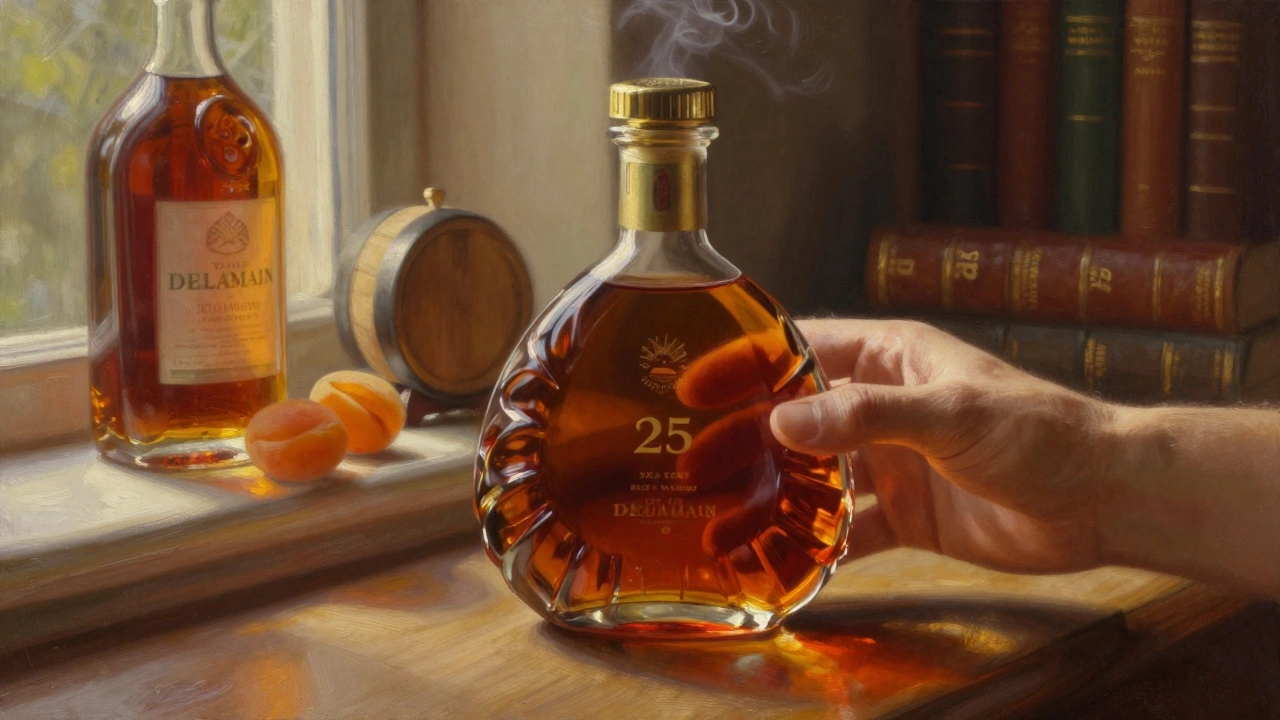
Tequila and Mezcal: The Agave Revolution
Tequila and mezcal are having a moment. Tequila must be made from blue agave in specific regions of Mexico. Blanco tequilas are unaged, crisp, and peppery-Fortaleza Blanco, for example, has a 4.6/5 rating on Reddit for its bright citrus and mineral finish without harsh burn. Añejo tequilas, aged at least a year in oak, develop vanilla, caramel, and spice. Mezcal, meanwhile, is made by roasting agave hearts in underground pits. That process adds smoky phenols-between 12 and 87 mg per liter-giving it a campfire-like character that’s unlike anything else. Artisanal mezcal can have over 475 distinct flavor compounds. Industrial tequila? Only about 210. That’s a huge gap. And it’s why more people under 35 are willing to pay a premium for transparent, small-batch brands. If you like earthy, smoky, and complex flavors with a sense of place, tequila and mezcal are where the action is.Brandy: The Overlooked Masterpiece
Brandy doesn’t get the spotlight, but it’s quietly the most sophisticated spirit for many. Cognac, the most famous type, must age for at least two and a half years in Limousin oak. That long aging creates unique compounds like linalool, which gives it floral, lavender-like notes. A 25-year-old Delamain XO Cognac can taste like honeyed dried apricots, cigar box, and crystallized ginger. It’s rich, silky, and coats the palate in a way few other spirits can. Bhakta Spirits’ 50-Year-Old Iron Lady Brandy earned 97 points in 2023 for its “transcendent complexity.” That’s higher than most top-tier whiskeys. Yet brandy makes up only 14% of the global market. Why? It’s often seen as old-fashioned. But if you appreciate depth, nuance, and slow sipping, brandy is where the real craftsmanship lives.Vodka: The Neutral Canvas
Vodka is the odd one out. Legally, it’s supposed to be tasteless and odorless. But here’s the twist: even the cleanest vodka carries traces of flavor. Polish vodkas have more ethyl hexanoate-giving them a slight fruity note. French wheat vodkas carry more 3-methylbutanal, which adds a faint apple-like aroma. In blind tastings, 72% of people can’t tell the difference between a $35 vodka and a $15 one. But 89% still believe the expensive one tastes better. Vodka isn’t about flavor. It’s about purity. It’s the base for cocktails, the spirit you drink neat if you like it cold and clean. If you want something that doesn’t overpower, that lets other ingredients shine, vodka’s your go-to. But if you’re looking for a spirit with character? You’ll want something else.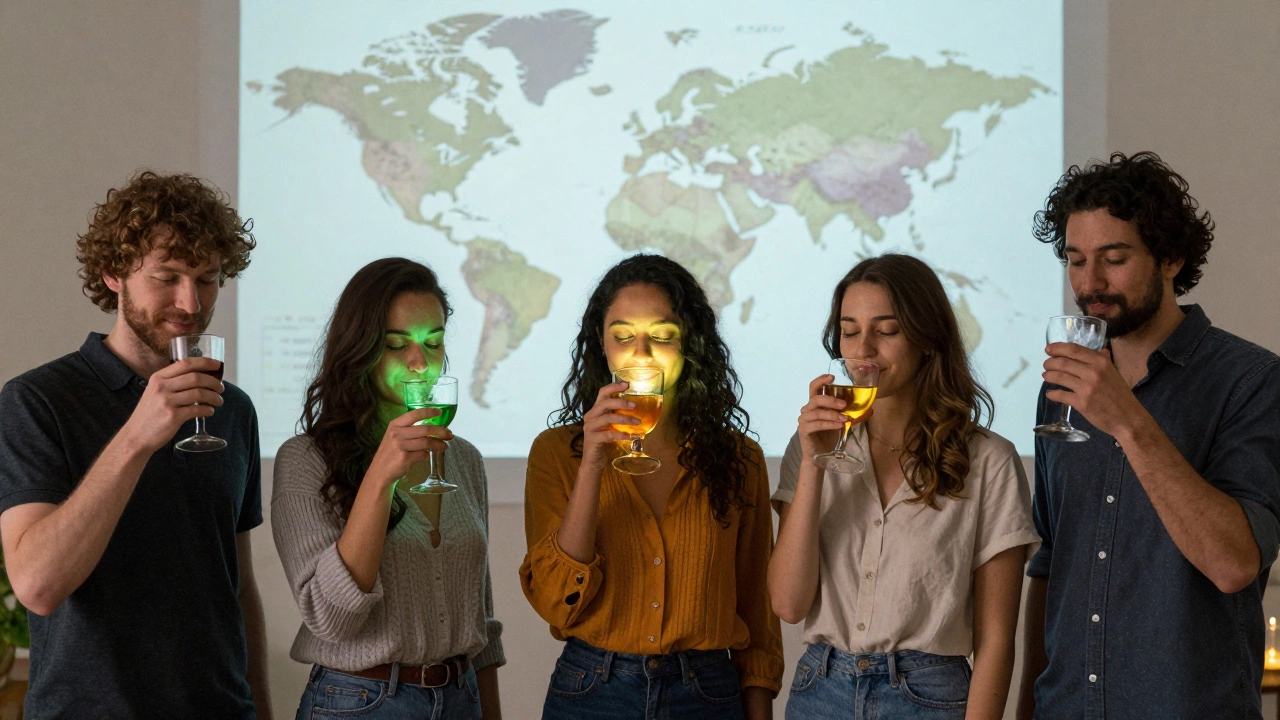
What Really Matters: How You Taste It
Your experience isn’t just about the bottle. It’s about the glass, the temperature, and whether you’ve been trained to notice details. A Glencairn glass boosts aroma delivery by 34% compared to a regular tumbler. Whiskey tastes best at 15-18°C. Vodka? 8-10°C. Too warm, and alcohol burns. Too cold, and flavors vanish. Training matters too. A 2024 study found trained tasters identify 5.2 times more flavor notes than untrained ones. That’s not magic-it’s practice. Start by sipping slowly. Swirl it. Breathe through your nose before swallowing. Notice what comes first: sweetness? Smoke? Fruit? Spice? Let the flavor change as it warms. You’ll start to taste things you never noticed before.What Should You Try?
If you’re new to spirits, start here:- Try a blanco tequila like Fortaleza-clean, citrusy, no burn.
- Sip a bourbon like Maker’s Mark-sweet, smooth, easy to like.
- Go for a Spanish-style rum like Flor de Caña 7 Year-vanilla, caramel, not too funky.
- Sample a Cognac like Delamain XO-if you want something luxurious and layered.
- Try a Polish vodka like Chopin-notice the subtle fruitiness.
The Real Winner? Your Palate
There’s no champion spirit. No single bottle that wins for everyone. The best tasting spirit is the one that makes you pause. The one that reminds you of a place, a person, or a moment. It’s the one you come back to-not because it’s the most expensive, the most awarded, or the most talked about. But because it feels right. The market is shifting. People care more about craft, sustainability, and authenticity. They’re drinking less, but better. They’re learning to taste. And that’s the real win. Not a trophy for the spirit with the highest score. But for you-the person who finally understands what you like, and why.Is whiskey really the best tasting spirit?
Whiskey is the most popular spirit globally, but that doesn’t mean it’s the best tasting. Its complex flavors appeal to many, especially those who enjoy oak, spice, and smoke. But others find it too intense or overpowering. Taste is personal-what’s perfect for one person might be unpleasant for another.
Why do some people prefer rum over whiskey?
Rum offers bold, fruity, and tropical flavors that whiskey often doesn’t. Jamaican rums, for example, are packed with esters that create notes of pineapple, banana, and mango. If you like sweet, vibrant, and less smoky profiles, rum can feel more approachable and exciting than traditional whiskey.
Is tequila only for shots?
No. High-quality blanco and añejo tequilas are meant to be sipped slowly, like fine whiskey. Blanco tequilas are crisp and herbal, while añejos develop vanilla, caramel, and spice from oak aging. Many people now prefer them neat or on the rocks to enjoy the full flavor profile.
Does brandy deserve more attention than it gets?
Absolutely. Brandy, especially Cognac and Armagnac, is aged longer and develops more complex flavors than most spirits. Notes of dried fruit, honey, spice, and floral aromas can be incredibly nuanced. It’s often overlooked because it’s seen as old-fashioned, but it’s one of the most sophisticated spirits available.
Can you really taste the difference between cheap and expensive vodka?
In blind tastings, most people can’t tell the difference. But premium vodkas use better ingredients and more careful distillation, which can lead to smoother texture and subtle flavor nuances-like a hint of fruit or grain. The price often reflects branding and perception more than actual taste.
How can I find my favorite spirit?
Start by trying small pours of different types: a blanco tequila, a bourbon, a Spanish rum, a Cognac, and a Polish vodka. Sip them slowly at the right temperature. Take notes on what you taste-sweet, smoky, fruity, spicy? Over time, you’ll notice patterns. Your favorite isn’t the one everyone else likes. It’s the one that feels like yours.