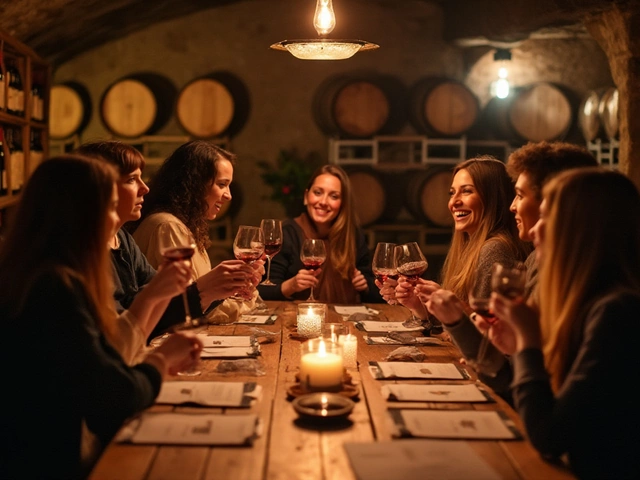
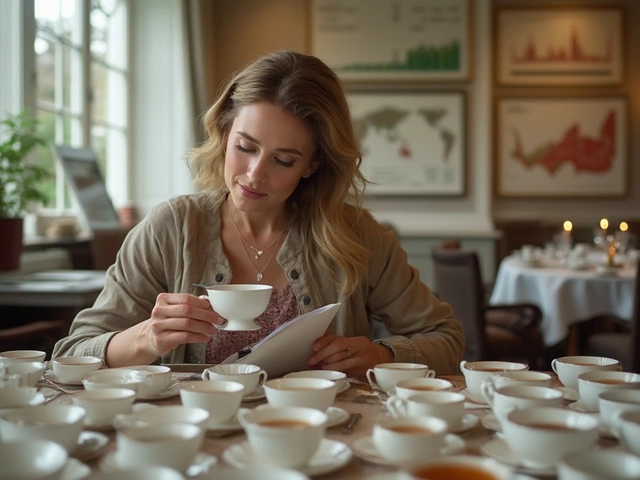
First Taste of Wine: What to Expect and How to Enjoy It
When you take your first taste of wine, the initial sip of fermented grape juice that marks the start of a personal journey into drink culture, it’s not about getting it right—it’s about finding out what you like. Many people expect wine to taste like what they’ve seen in movies: elegant, complex, and instantly enjoyable. The truth? It can be sharp, strange, or even a little bitter. That’s normal. Your palate isn’t broken—it’s just new. This isn’t a test. It’s a discovery.
What you’re tasting isn’t just grapes. It’s climate, soil, time, and human choice. A white wine, a light, crisp drink made from green or yellow grapes, often with citrus or green apple notes might taste like sour green apples and wet stones. A red wine, a deeper, fuller drink made from dark-skinned grapes, often with berry, spice, or earthy tones might feel like swallowing a handful of dried fruit and leather. Neither is wrong. They’re just different. And the best way to understand them? Try them side by side. You don’t need a fancy glass or a sommelier. Just a quiet moment and your own senses.
People often think you need to know a lot to enjoy wine. You don’t. You just need to pay attention. Swirl it. Smell it. Let it sit on your tongue. Notice if it makes your mouth water, if it feels heavy or light, if it lingers or disappears. That’s all the training you need. The wine tasting process, a simple, step-by-step method of observing, smelling, and evaluating wine without pretense isn’t about sounding smart—it’s about getting real with what you feel. And if you hate it? Good. That’s data. You just learned something important.
Don’t let anyone tell you what you should like. Some people love the jammy sweetness of a California Pinot Noir. Others can’t stand it and prefer the tartness of a French Gamay. One person finds a bold Syrah too spicy. Another thinks it’s perfect with grilled steak. There’s no universal favorite. Your taste is the only standard that matters. And the more you try, the more you’ll start to recognize patterns—not because you’re an expert, but because you’re paying attention.
And yes, food makes a difference. A cheese and wine pairing, the combination of specific cheeses with wines that balance or enhance each other’s flavors can turn a dull sip into something magical. A sharp cheddar with a crisp Sauvignon Blanc? That’s not magic—it’s chemistry. Salt cuts acidity. Fat softens tannins. It’s not rocket science. It’s just smart eating.
You’ll find plenty of advice out there: temperature, glassware, decanting, swirling. Most of it is helpful—but none of it is mandatory. Your first taste of wine doesn’t need rules. It needs curiosity. The posts below aren’t here to teach you how to sound like a wine expert. They’re here to help you figure out what you actually enjoy. Whether you’re wondering why your first sip of red felt like swallowing a pencil, or why you loved that cheap bottle your friend brought to dinner, you’ll find answers. You’ll find stories from people who felt the same way. You’ll find guides on how to pick your next bottle without getting overwhelmed. And you’ll find out that the best wine isn’t the most expensive one—it’s the one that makes you want to take another sip.
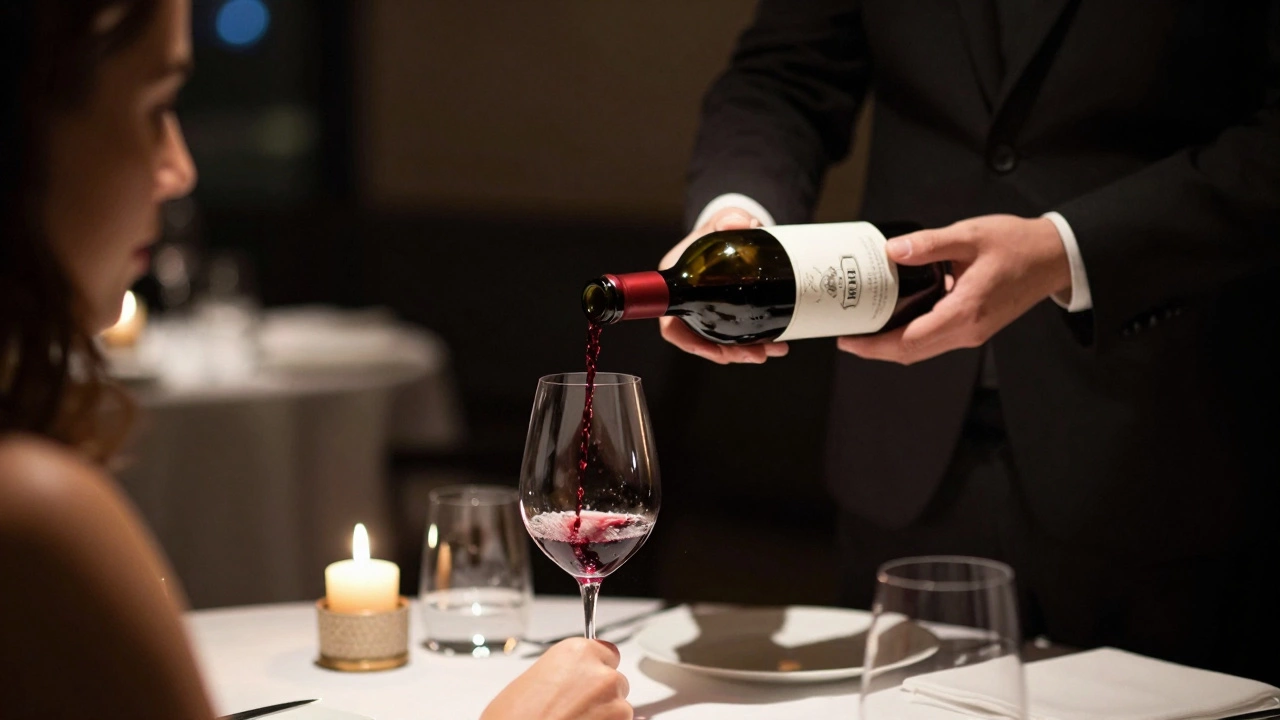
The first taste of wine at a restaurant isn’t about flavor-it’s a quality check for faults like cork taint. There’s no official name in English, but it’s a universal ritual in fine dining. Here’s what you’re really tasting for.
View Details