Small Brewery: Discover Independent Craft Beer and What Makes It Different
A small brewery, a locally owned operation that produces beer in limited quantities, often with unique recipes and hands-on methods. Also known as an independent brewery, it’s not about volume—it’s about character. These are the places where brewers experiment, tweak recipes, and build relationships with their customers—often right in the same building where the beer is made. Unlike big brands that churn out the same lager year after year, a small brewery might release five different IPAs in a single month, each with a different hop blend, yeast strain, or even a local ingredient like wildflower honey or foraged herbs.
What makes a small brewery, a locally owned operation that produces beer in limited quantities, often with unique recipes and hands-on methods. Also known as an independent brewery, it’s not about volume—it’s about character. different isn’t just the size—it’s the freedom. No corporate board telling them to make a beer that sells in 48 states. They can brew a sour with blackberries from the farmer’s market down the road, or a stout aged in bourbon barrels from a nearby distillery. That’s why you’ll find home brewing, the practice of making beer in small batches at home, often as a stepping stone to professional brewing. Also known as craft brewing, it’s a skill many small-batch brewers started with as a foundation. Many of today’s most talked-about breweries began in someone’s garage, using a 5-gallon kettle and a lot of trial and error. The local beer, beer produced and sold within a specific region, often emphasizing regional ingredients and community ties. Also known as regional craft beer, it’s the reason you can taste the difference between a pint in Portland and one in Leeds you drink isn’t just a drink—it’s a story.
And it’s not just about taste. A small brewery often supports local farmers, uses recyclable packaging, and hosts community events. You’re not just buying a six-pack—you’re backing a person who wakes up at 4 a.m. to check the mash temperature, who remembers your name, and who’ll let you taste the next batch before it’s even bottled. That’s the real difference. The posts below cover everything from the fastest yeast for home brewing to the oldest U.S. breweries still standing, and how a single batch of beer can become a local legend. Whether you’re curious about brewing your own or just want to know what makes a pint from a small brewery worth the extra $2, you’ll find real answers here—no fluff, no marketing spin, just the facts from people who live it.
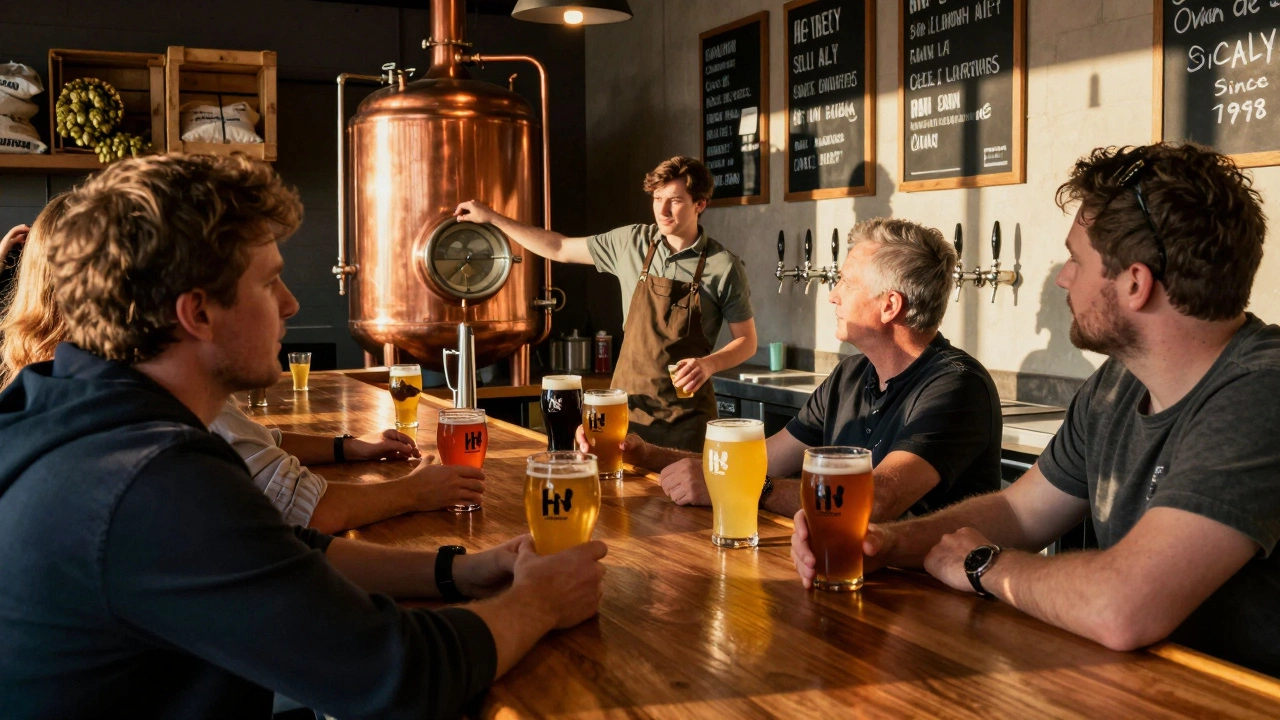
Craft beer isn't just about taste - it's defined by production size, ownership, and brewing methods. Learn what the official criteria mean, how big corporations are changing the game, and what really matters to drinkers.
View Details