Tequila: What It Is, How It's Made, and Why It’s More Than Just a Shot
When you think of tequila, a distilled spirit made exclusively from blue agave in specific regions of Mexico. Also known as agave spirit, it’s bound by law to come from just five Mexican states—and only the heart of the agave plant, called the piña, is used. This isn’t just a drink—it’s a product of place, process, and tradition. Most people know tequila as the stuff that ends in a shot with lime and salt, but that’s like calling wine just grape juice in a bottle. Real tequila has layers: earthy, sweet, peppery, even floral—and it’s not all the same.
There are five types, and they’re not just about color. blanco, also called silver or unaged tequila. Also known as plata, it’s bottled right after distillation, letting the pure agave flavor shine through—bright, sharp, and full of herbal notes. Then there’s reposado, tequila aged between two months and a year in oak barrels. Also known as rested tequila, it picks up vanilla, caramel, and spice from the wood, softening the bite without losing its soul. añejo, aged one to three years. Also known as aged tequila, it’s smoother, richer, and often sipped neat like a fine whiskey. And don’t confuse it with mezcal, a broader category of agave spirits, often smoked and made in different regions. Also known as smoked agave liquor, it’s related but not the same—tequila is a type of mezcal, but not all mezcal is tequila. The difference matters if you care about flavor, not just buzz.
Tequila’s reputation as a rough drink comes from cheap, mass-produced versions made with as little as 51% agave—the rest is often sugar syrup. But 100% agave tequila? That’s different. It’s the kind you taste slowly, not chase with salt. You’ll find it in cocktails like the Margarita, but it also stands alone. Think of it like single-origin coffee: the terroir, the roast, the care—it all shows up in the glass. And if you’ve ever wondered why some tequilas cost $40 and others $150, it’s not branding. It’s the agave harvest, the slow fermentation, the barrel aging, and the people behind it.
What you’ll find in the posts below isn’t just reviews of brands. It’s the real talk about what tequila tastes like when you stop rushing. You’ll see how it pairs with food, why some bottles are better for sipping, and how to tell a good one from a gimmick. No fluff. No hype. Just what works, what doesn’t, and why the best tequila doesn’t need a lime.
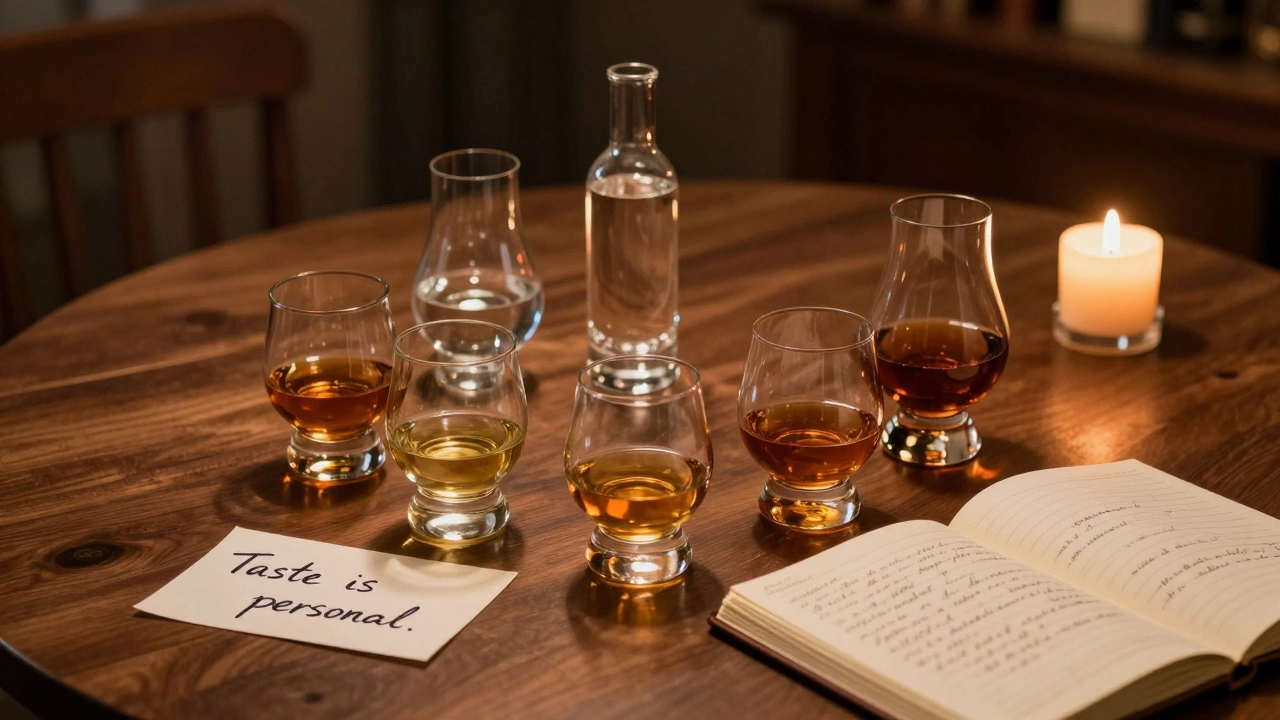
There's no single best tasting spirit-taste is personal. Discover how whiskey, rum, tequila, brandy, and vodka each offer unique flavors, and learn how to find what truly suits your palate.
View Details