Traditional Brewing: What It Is, How It Works, and Why It Still Matters
When you think of traditional brewing, the centuries-old process of turning grain and water into beer using natural fermentation, often without modern shortcuts or additives. Also known as craft brewing, it’s the method that gave us everything from German lagers to Belgian ales—and it’s still alive in kitchens and garages around the world. This isn’t about fancy gadgets or lab-grown yeast. It’s about patience. About letting nature take its course. About trusting that a handful of malt, some hops, water, and wild or cultured yeast can create something complex, balanced, and deeply satisfying.
At its core, traditional brewing, the process of fermenting malted barley with yeast to produce beer using time-tested methods hasn’t changed much since the Sumerians wrote down the first beer recipe over 5,000 years ago. The tools? Maybe simpler now. But the science? Still the same. You crush grain, soak it in hot water to pull out sugars, boil it with hops for bitterness and aroma, cool it down, and then add yeast. That yeast eats the sugar, turns it into alcohol and CO2, and—after days or weeks—you get beer. No shortcuts. No flavor packs. Just time, temperature, and a little bit of luck.
What makes this different from mass-produced beer? For starters, Kveik yeast, a fast-fermenting, heat-tolerant yeast strain originating from Norwegian farmhouse brewers lets home brewers finish a batch in under a week—something that used to take weeks. That’s not a modern shortcut; it’s an ancient yeast rediscovered. And while big breweries chase consistency, traditional brewers chase character. A batch brewed in July might taste different from one in December—and that’s the point. The environment, the water, the yeast strain, even the barrel you ferment in—all of it leaves a fingerprint.
And it’s not just about beer. ancient beer culture, the early social, religious, and economic systems built around beer production, dating back to the Natufians and Sumerians shows us that brewing was never just a drink—it was community, ritual, survival. People didn’t just drink beer because it tasted good. They drank it because it was safer than water. Because it fed them. Because it connected them. That spirit hasn’t disappeared. It’s in every home brewer who spends a weekend stirring a pot, waiting for bubbles to appear, and then proudly pouring their first batch.
That’s what you’ll find in the posts below: real stories from people who brew the old way. From the fastest fermenting yeasts to the oldest breweries still standing, from the science behind why some beers taste better after aging to how to make a decent beer without spending a fortune. No fluff. No hype. Just the kind of stuff that matters when you care about where your beer comes from—and how it got there.
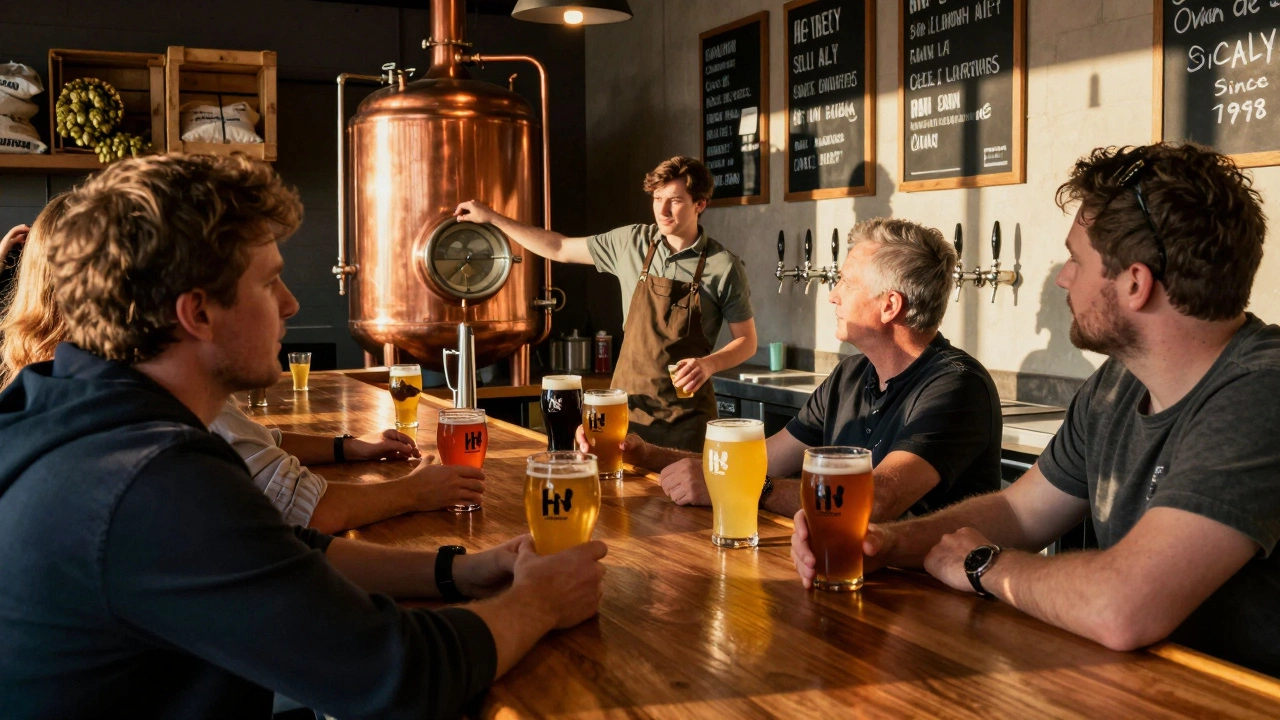
Craft beer isn't just about taste - it's defined by production size, ownership, and brewing methods. Learn what the official criteria mean, how big corporations are changing the game, and what really matters to drinkers.
View Details