Vodka Distillation: How It Works and Why It Matters
When you sip a smooth vodka distillation, the process of purifying alcohol through repeated heating and condensing to create a clean, neutral spirit. Also known as rectification, it’s what turns fermented grain or potatoes into the clear liquor you enjoy neat, in cocktails, or on the rocks. This isn’t just chemistry—it’s the hidden art behind every bottle that feels light, crisp, and clean.
Not all vodkas are made the same. The number of distillations, the type of still used, and even the water source change everything. Some brands distill three times. Others go six, seven, or even ten. More isn’t always better, though. Over-distilling can strip away even the good stuff—subtle textures that make a vodka interesting. The goal isn’t to remove every trace of flavor, but to remove the bad stuff: fusel oils, methanol, and impurities that cause hangovers. That’s why the cleanest spirits, like top-tier vodkas, are often made from high-quality base ingredients and distilled just enough to be pure, not sterile.
It’s also why neutral spirit, a highly purified alcohol with minimal flavor compounds, used as the base for many vodkas and gins matters. Vodka doesn’t have to be flavorless—it just shouldn’t have off-notes. A good distillation process leaves room for the grain or potato to whisper through, not shout. And that’s why you’ll find distillers talking more about copper stills, filtration methods, and temperature control than they do about marketing slogans. Even the vodka production, the full process from fermentation to bottling, including distillation, filtration, and dilution is carefully tuned. Water added after distillation? It’s not just H2O. Many premium brands use glacial or spring water because minerals affect mouthfeel. It’s all connected.
What you’re really tasting isn’t just alcohol. It’s the result of dozens of small decisions made during distillation. That’s why some vodkas feel silky, others sharp, and some just plain flat. If you’ve ever wondered why a $20 bottle tastes different from a $50 one, the answer starts in the still. And if you’re curious about what makes a vodka worth sipping straight, you’re not just asking about taste—you’re asking about craftsmanship.
Below, you’ll find real reviews, tasting notes, and deep dives into the brands and methods that get it right. Whether you’re picking your first bottle or looking to understand what separates the good from the great, these posts break it down without the fluff.
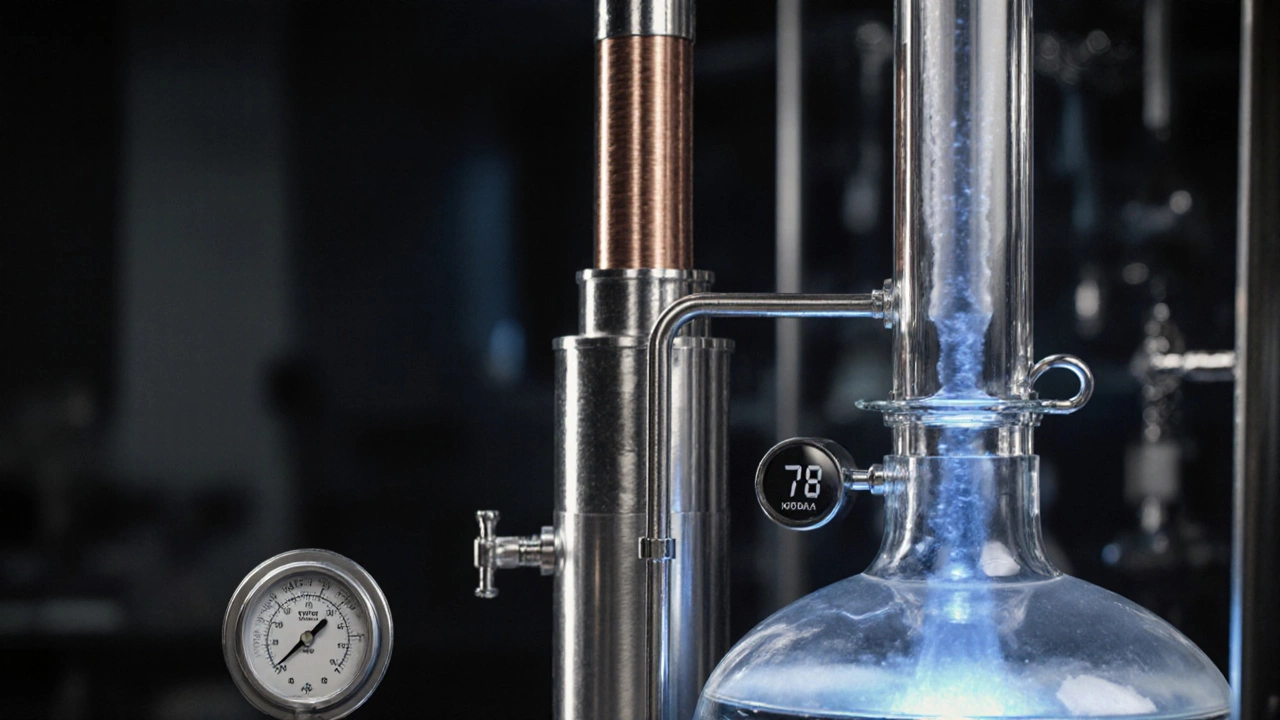
Learn practical ways to neutralize vodka taste using distillation, carbon filtration, home hacks, and emerging tech. Step-by-step guide, comparisons, and FAQs for smoother spirits.
View Details