Wine Tasting Protocol: How to Taste Wine Like a Pro Without the Fancy Gear
When you hear wine tasting protocol, a simple, repeatable method to evaluate wine using sight, smell, and taste. Also known as wine tasting technique, it's not about sounding smart—it's about noticing what’s actually in your glass. You don’t need a sommelier diploma, a $200 glass, or a cellar full of bottles. You just need five minutes and a willingness to pay attention.
The wine tasting protocol isn’t magic. It’s just paying attention in order: look, swirl, sniff, sip, and think. That’s it. Most people skip straight to swallowing, which is like judging a movie by its trailer. The wine tasting steps, the sequence of actions used to fully experience a wine’s characteristics exist because each stage reveals something the last one didn’t. Swirling isn’t for show—it oxygenates the wine, releasing aromas you’d miss otherwise. Sniffing isn’t about finding "notes of violet"—it’s about noticing if it smells like fresh fruit, wet earth, or just alcohol. If it smells like vinegar, you’ve got a fault. If it smells like a bakery, you’ve got something interesting.
The wine tasting technique, the practical method of evaluating wine through sensory analysis works whether you’re drinking a $10 bottle or a $100 one. It’s the same process. That’s the beauty of it. You don’t need expensive tools—just a clear glass, a quiet moment, and your own nose and tongue. The wine tasting guide, a structured approach to help beginners understand and describe wine flavors is there to help you stop guessing and start knowing. What’s the texture? Thin like water or thick like cream? Does the flavor stick around after you swallow? That’s the finish—and it tells you more than the label ever will.
People overcomplicate wine tasting because they think they’re supposed to sound impressive. But the truth? The best tasters are the ones who admit when they don’t know. They say, "This tastes like apples," not "This exhibits a delicate bouquet of ripe stone fruit with a hint of minerality." Your palate isn’t broken if you don’t taste "wet slate" or "burnt toast." You’re not failing—you’re just learning. The wine tasting protocol, a simple, repeatable method to evaluate wine using sight, smell, and taste gives you a framework, not a test. It’s your personal map, not someone else’s checklist.
What you’ll find below isn’t a list of perfect wines or elite tasting notes. It’s real, practical advice from people who’ve tasted hundreds of bottles—not to impress, but to understand. You’ll learn how to spot a bad cork, why swirling matters more than you think, how to tell if a wine is too young or too old, and what to do when you taste something you can’t name. No fluff. No pretense. Just the kind of honest, no-nonsense guidance that turns confusion into confidence.
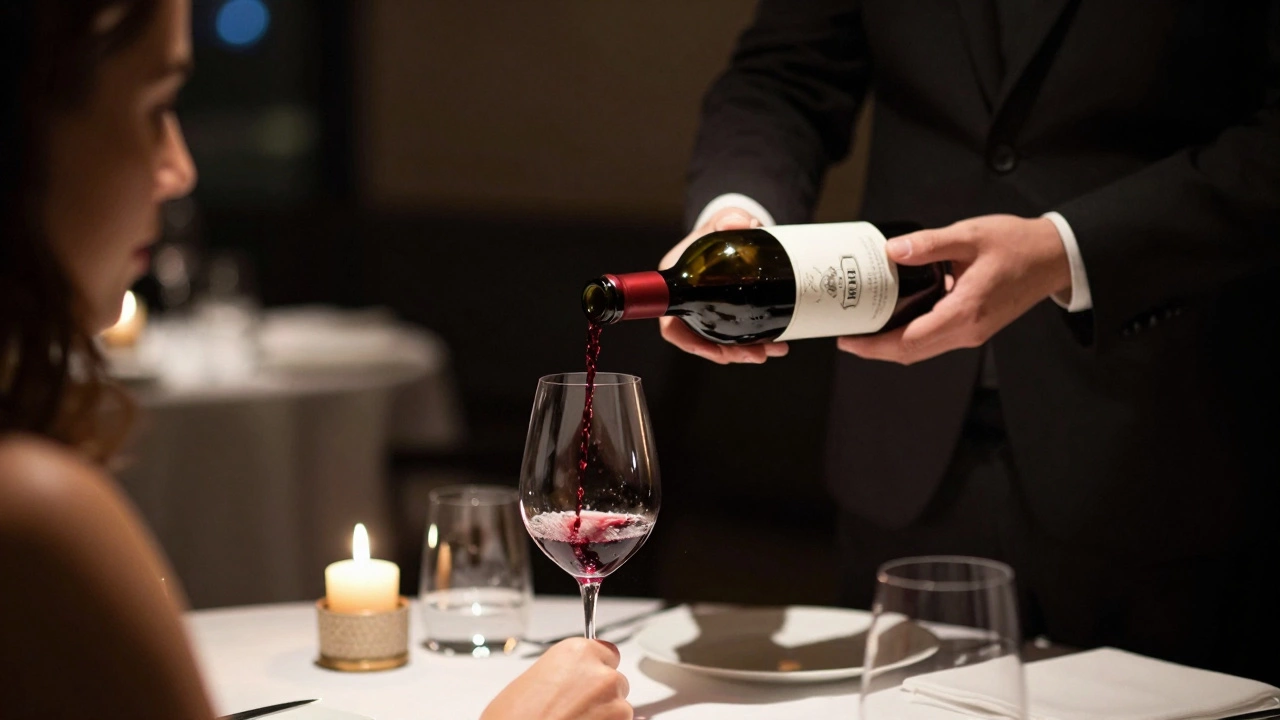
The first taste of wine at a restaurant isn’t about flavor-it’s a quality check for faults like cork taint. There’s no official name in English, but it’s a universal ritual in fine dining. Here’s what you’re really tasting for.
View Details