Wine Verification: What It Really Means and Why It Matters
When you hear wine verification, the process of confirming a wine’s origin, authenticity, and quality through sensory and scientific methods. Also known as wine authentication, it’s not just for collectors or sommeliers—it’s something every drinker should care about. Too many bottles out there look right but taste wrong. Maybe it’s a cheap wine repackaged as premium. Maybe it’s labeled as a single vineyard but blended from ten different regions. Wine verification cuts through the noise by asking: Does this match what it claims to be?
This isn’t magic. It’s science mixed with experience. Experts use smell, color, and texture to spot inconsistencies—like a Cabernet that smells too fruity for its region, or a Chardonnay that lacks the minerality its terroir should deliver. Labs can test for alcohol levels, sugar content, and even trace elements from soil. But here’s the thing: even the best lab can’t tell you if a wine feels right in your mouth. That’s where wine tasting, the practiced act of evaluating wine using sight, smell, and taste to assess its character and quality comes in. Thousands of people do it every day, not to impress others, but to know if they’re getting what they paid for. And when you pair wine with cheese or order a bottle at a restaurant, you’re already doing a mini version of verification—asking, ‘Does this work?’
It’s not just about avoiding fakes. It’s about trusting your own palate. If a wine labeled as ‘organic’ tastes like chemicals, it’s not just misleading—it’s broken. That’s why posts on this site dive into real-world checks: how to tell if a vodka is truly smooth, why some beers are called craft but act like mass-market, and how red wine myths get sold as health facts. You’ll find guides on wine pairing, matching wine with food based on flavor intensity, acidity, and texture for balanced enjoyment, tips on spotting overpriced bottles, and deep dives into what makes a wine from a specific region actually taste like that region. None of it requires a degree. Just curiosity and a willingness to taste critically.
Below, you’ll find real stories from people who’ve tasted their way through bottles that didn’t add up—and the ones that did. Whether you’re checking a bottle you bought online, deciding what to order at dinner, or just wondering why your favorite wine suddenly tastes different, this collection gives you the tools to verify for yourself. No jargon. No fluff. Just what works, what doesn’t, and why it matters to your glass.
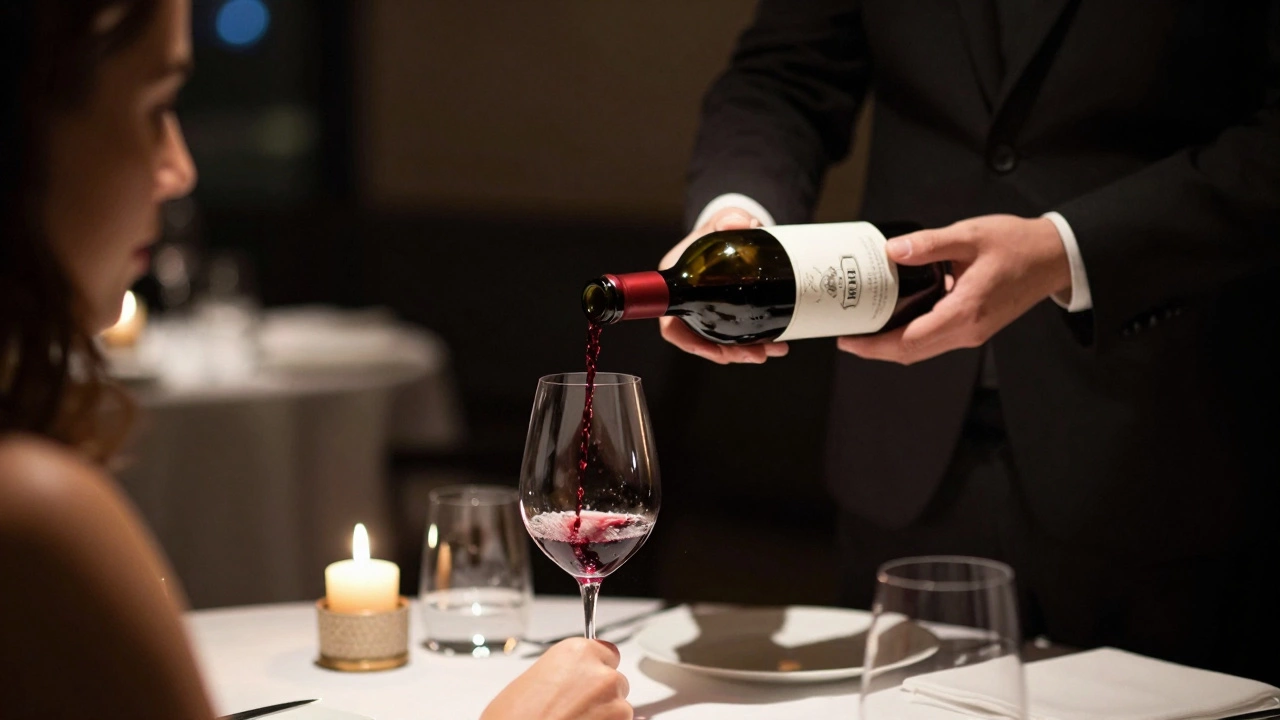
The first taste of wine at a restaurant isn’t about flavor-it’s a quality check for faults like cork taint. There’s no official name in English, but it’s a universal ritual in fine dining. Here’s what you’re really tasting for.
View Details