Home Bartender's Cocktail Master Guide
Select a cocktail below to reveal its recipe, technique, and pro tips.
Martini
StirredGin & Dry Vermouth
Manhattan
StirredWhiskey & Sweet Vermouth
Old Fashioned
Built/StirredWhiskey, Sugar & Bitters
Daiquiri
ShakenRum, Lime & Syrup
Margarita
ShakenTequila, Lime & Triple Sec
Select a Cocktail
Click on any cocktail card above to see the full recipe, technique instructions, and professional tips.
Walk into any bar in Sydney or New York, and you’ll see the same five drinks on the menu. They are not flashy, they don’t use exotic syrups, and they certainly aren’t trying to win a molecular gastronomy award. Yet, these five drinks form the backbone of almost every cocktail book ever written. If you want to stop guessing with your home bar setup and start making drinks that actually taste like they came from a professional bartender, you need to master these five basics.
The truth is, there is no single "official" list of basic cocktails. Different bartending schools emphasize different classics. However, when you look at the most respected resources-from the International Bartenders Association (IBA) to top-tier mixology guides-a clear pattern emerges. The Martini, Manhattan, Old Fashioned, Daiquiri, and Margarita consistently appear as the essential foundation. Why? Because together, they teach you everything you need to know about balance, technique, and spirit-forward mixing.
Why These Five?
You might wonder why we skip the Negroni or the Cosmopolitan. It comes down to pedagogy, not popularity. These five specific cocktails cover the two main mechanical techniques used in bartending: stirring and shaking. They also cover the three primary flavor profiles: spirit-forward, sour-based, and modified spirits.
Learning just these five gives you roughly 80% of the technical knowledge needed to build hundreds of other drinks. Once you understand how to balance gin and vermouth, you can make a Gimlet. Once you master the Daiquiri’s sour formula, you can create a Whiskey Sour or a Paloma. These are the building blocks.
The Martini: The Masterclass in Stirring
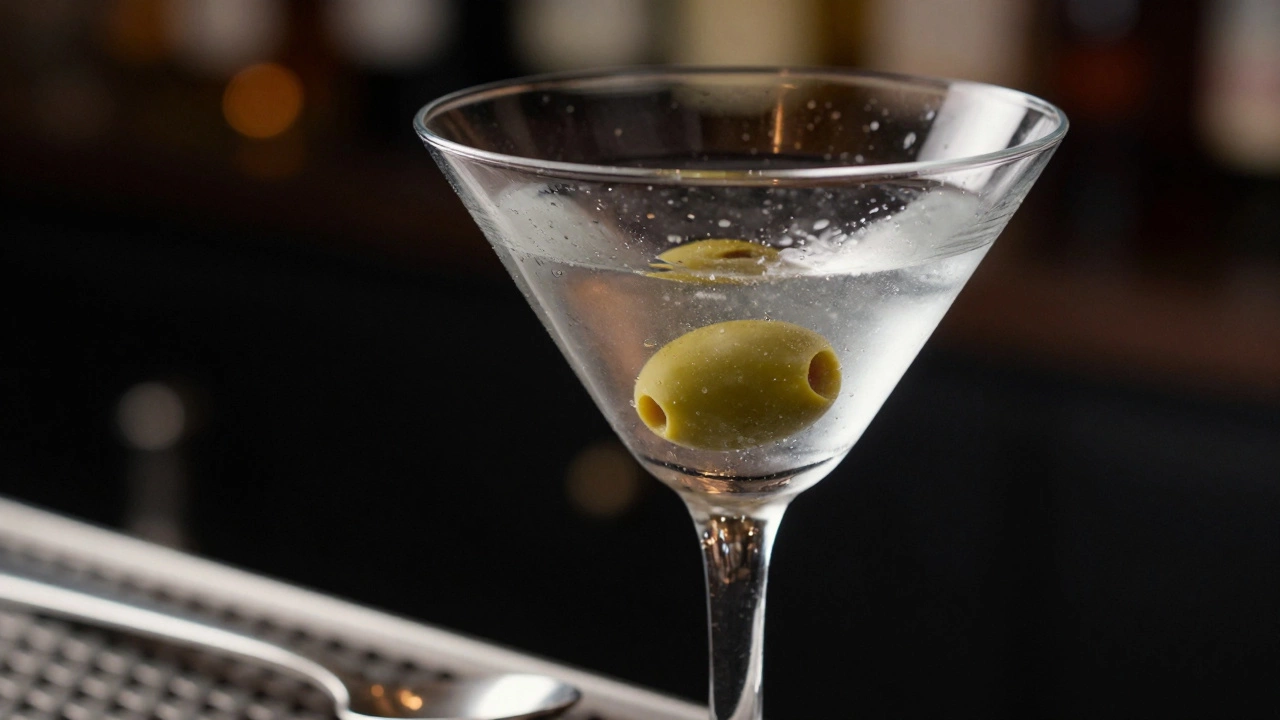
The Martini is often misunderstood as just "gin and ice." In reality, it is a lesson in precision. This drink relies on the stirred technique. You never shake a Martini; shaking introduces air bubbles that cloud the liquid and over-dilutes the delicate botanicals of the gin.
The Recipe:
- 2 ounces Gin (London Dry style works best)
- 0.5 ounces Dry Vermouth
- 2 dashes Orange Bitters
The Technique: Fill a mixing glass with ice. Add the gin, vermouth, and bitters. Use a long bar spoon to stir gently but continuously for about 45 seconds. You are looking for the metal of the spoon to feel cold against your cheek-that’s your signal that the drink is properly chilled. Strain into a chilled coupe or martini glass. Garnish with an olive or a lemon twist. The goal here is dilution without agitation. If it looks cloudy, you shook it too hard.
The Manhattan: Whiskey’s Sophisticated Cousin
If the Martini is the queen of gin, the Manhattan is the king of whiskey. Originating in the 1870s, this drink teaches you how to use sweet vermouth as a modifier. Unlike the Martini, which uses dry vermouth to cut through the gin, the Manhattan uses sweet vermouth to add depth and richness to the whiskey.
The Recipe:
- 2 ounces Rye Whiskey (or Bourbon for a sweeter profile)
- 1 ounce Sweet Vermouth
- 2 dashes Angostura Bitters
The Technique: Like the Martini, this is a stirred drink. Combine all ingredients in a mixing glass with ice. Stir for 30-45 seconds until well-chilled. Strain into a chilled Old-Fashioned glass (also called a rocks glass) over a large ice cube or serve up (without ice) in a coupe. Garnish with a maraschino cherry. The key here is the ratio: a 2:1 spirit-to-vermouth ratio ensures the whiskey shines while the vermouth provides a smooth finish.
The Old Fashioned: The Original Cocktail
The name says it all. The Old Fashioned isn’t just a drink; it’s a method. Before complex cocktails took over in the late 19th century, people simply wanted their whiskey mixed with sugar, water, and bitters. When things got too fancy, patrons would ask for their drink "old fashioned."
This cocktail teaches you how to work with raw sugar and how to muddle citrus effectively. It is built directly in the serving glass, meaning you have less margin for error.
The Recipe:
- 2 ounces Bourbon or Rye Whiskey
- 0.5 ounces Simple Syrup (or one sugar cube)
- 2-3 dashes Angostura Bitters
- Garnish: Orange slice and Maraschino Cherry
The Technique: Place the sugar cube in your glass and soak it with bitters and a splash of water. Muddle until dissolved. Add a large ice cube and the whiskey. Stir gently to combine and chill. Express an orange peel over the drink to release its oils, then drop it in along with the cherry. The magic here is in the muddling-don’t shred the fruit; just press enough to get the flavors out.
The Daiquiri: The Perfect Sour
Here is where we switch gears. The first three drinks were stirred because they contained only spirits and liqueurs. The next two contain fresh juice, which means they must be shaken. Shaking aerates the citrus, creates a frothy head, and chills the drink rapidly.
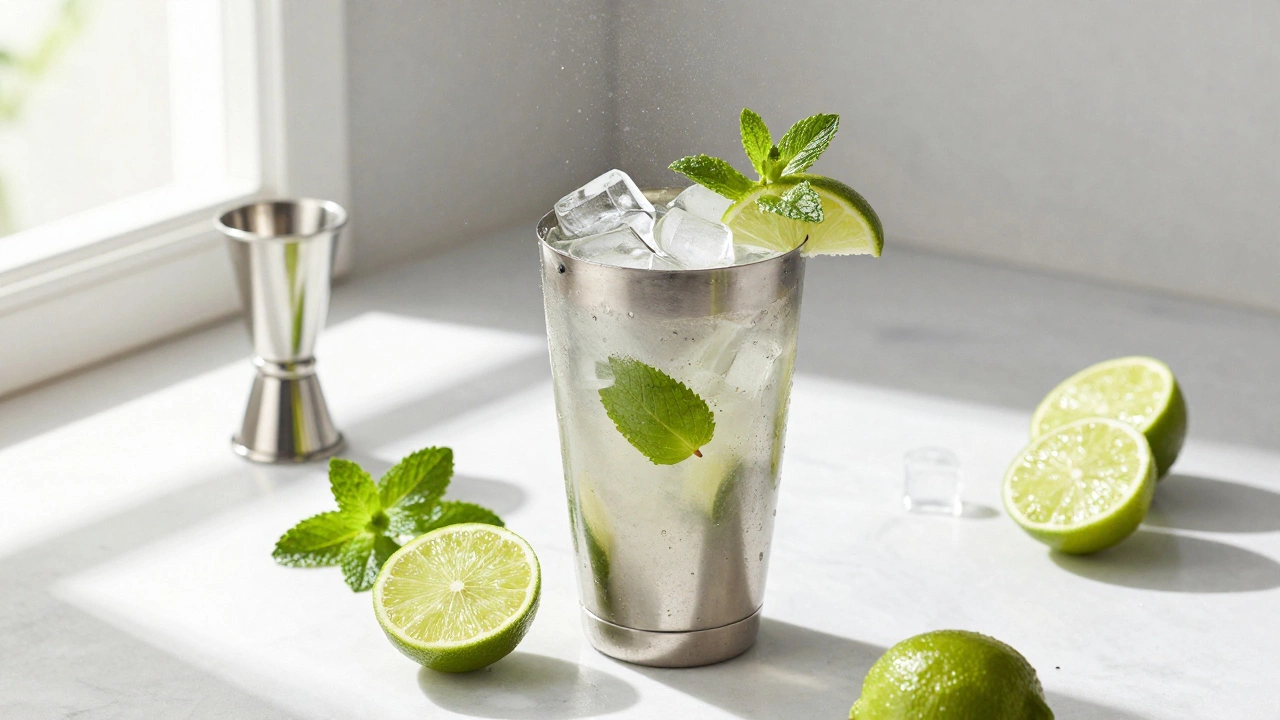
The Daiquiri is often confused with frozen slushies. A true Daiquiri is crisp, tart, and elegant. It follows the classic "Sour" formula: Spirit + Citrus + Sweetener.
The Recipe:
- 2 ounces White Rum
- 0.75 ounces Fresh Lime Juice
- 0.5 ounces Simple Syrup
The Technique: Add all ingredients to a cocktail shaker with ice. Shake vigorously for 10-15 seconds. You should hear the ice cracking inside. Double strain (using both a Hawthorne strainer and a fine mesh strainer) into a chilled coupe glass. This removes small ice chips and pulp, giving you a silky texture. No garnish is strictly necessary, though a lime wheel adds visual appeal.
The Margarita: Tequila’s Triumph
The Margarita is the world’s most popular tequila cocktail, and for good reason. It takes the exact same structure as the Daiquiri but swaps rum for tequila and triple sec (or Cointreau) for simple syrup. This addition of a citrus liqueur adds complexity and body.
The Recipe:
- 2 ounces Blanco Tequila
- 1 ounce Fresh Lime Juice
- 0.5 ounces Triple Sec or Cointreau
- Salt for rimming
The Technique: Rim a rocks glass or margarita glass with salt by rubbing a lime wedge around the edge and dipping it in coarse salt. Add tequila, lime juice, and triple sec to a shaker with ice. Shake hard for 10-15 seconds. Strain into the prepared glass over fresh ice. The salt on the rim is crucial-it enhances the sweetness of the agave and balances the acidity of the lime.
Stirred vs. Shaken: The Golden Rule
To truly master these five, you need to understand the rule that separates amateurs from pros: Clarity vs. Emulsion.
Drinks made entirely of clear liquids (spirits, liqueurs, vermouth) should be stirred. Stirring chills and dilutes without introducing air. This keeps the drink crystal clear and smooth. The Martini, Manhattan, and Old Fashioned fall into this category.
Drinks containing juice, milk, egg white, or syrup should be shaken. Shaking forces these opaque ingredients to blend completely with the alcohol, creating a uniform texture and a slight froth. The Daiquiri and Margarita require shaking to integrate the lime juice properly.
| Cocktail | Base Spirit | Technique | Key Modifier | Flavor Profile |
|---|---|---|---|---|
| Martini | Gin | Stirred | Dry Vermouth | Dry, Herbal, Strong |
| Manhattan | Whiskey | Stirred | Sweet Vermouth | Rich, Sweet, Complex |
| Old Fashioned | Whiskey | Stirred/Built | Sugar & Bitters | Bold, Balanced, Classic |
| Daiquiri | Rum | Shaken | Lime & Syrup | Tart, Refreshing, Light |
| Margarita | Tequila | Shaken | Lime & Triple Sec | Zesty, Salty, Bold |
Common Mistakes to Avoid
Even with simple recipes, it is easy to go wrong. Here are the most common pitfalls I see home bartenders make:
- Using Bottled Lime Juice: Fresh juice makes a massive difference. Bottled juice contains preservatives that alter the flavor profile and often tastes metallic. Always squeeze fresh limes.
- Over-Shaking: Shaking for more than 15 seconds doesn’t make the drink colder; it just adds too much water from melting ice, watering down the flavor.
- Ignoring Dilution: Ice isn’t just for keeping drinks cold; it melts to dilute them. Undiluted cocktails taste harsh and alcoholic. Proper stirring or shaking ensures the right amount of melt.
- Warm Glasses: Always chill your glass. Put it in the freezer for 10 minutes before mixing, or fill it with ice water while you prepare the drink. A warm glass ruins the experience instantly.
Building Your Home Bar
You don’t need a $500 bar cart to make these drinks. Start with the essentials:
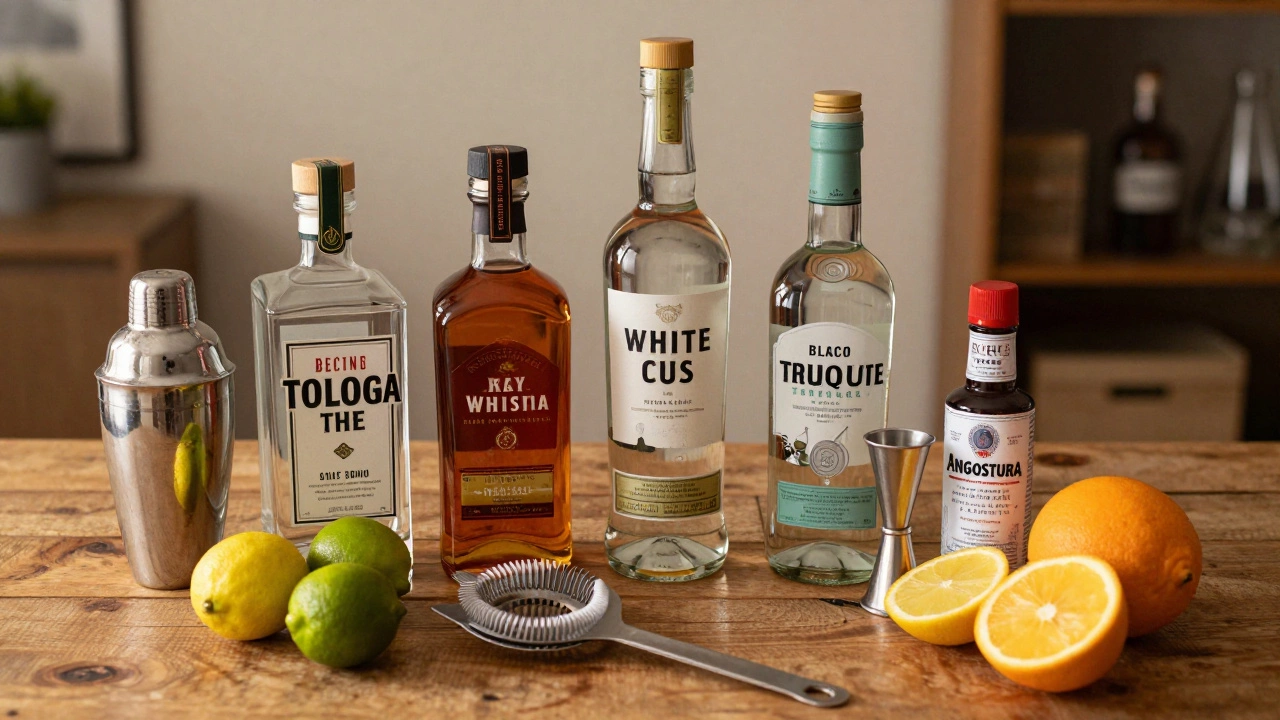
- Spirits: One good Gin, one Rye Whiskey, one White Rum, and one Blanco Tequila.
- Modifiers: Dry Vermouth, Sweet Vermouth, Triple Sec, and Angostura Bitters.
- Tools: A cocktail shaker (Boston or Cobbler), a jigger for measuring, a bar spoon, and a Hawthorne strainer.
- Fresh Produce: Limes, lemons, and oranges. Buy them weekly to keep them fresh.
Mastering these five cocktails takes practice. Aim for consistency. Try to make each one multiple times until you can do it without looking at the recipe. That is when you move from following instructions to understanding mixology.
What is the difference between a stirred and a shaken cocktail?
Stirred cocktails are made with clear liquids only (spirits and liqueurs). Stirring chills and dilutes the drink without adding air, keeping it clear and smooth. Shaken cocktails contain opaque ingredients like juice, milk, or egg white. Shaking emulsifies these ingredients, creating a frothy texture and ensuring even distribution of flavors.
Can I make a Martini with vodka instead of gin?
Yes, a Vodka Martini is very popular. However, traditionalists argue that a true Martini must use gin. Gin provides botanical complexity that interacts with the vermouth, whereas vodka is neutral. If you prefer a cleaner, less herbal taste, vodka is a perfectly acceptable substitute.
Why is fresh lime juice important for Daiquiris and Margaritas?
Bottled lime juice often contains sulfites and other preservatives that give it a flat, sometimes metallic taste. Fresh lime juice has bright, vibrant acidity that balances the sweetness and alcohol. Using fresh juice transforms a mediocre cocktail into a refreshing one.
How much ice should I use when stirring or shaking?
Use plenty of ice. Your mixing glass or shaker should be filled with ice so that the liquid level is submerged. This ensures efficient chilling and proper dilution. Large, dense ice cubes are preferred for stirring as they melt slower, while smaller cubes work well for shaking.
What type of whiskey is best for an Old Fashioned?
Rye whiskey is traditionally preferred for its spicy, peppery notes which stand up well to the sugar and bitters. Bourbon is sweeter and smoother, resulting in a softer drink. Both are excellent choices depending on your personal preference for spice versus sweetness.