Tea Taster Aptitude Checker
Professional tea tasting is more than just enjoying a cup. It requires specific biological talents, disciplined habits, and technical knowledge. Use this tool to assess how close you are to meeting the criteria of a commercial tea taster.
Self-Assessment
Your Profile
Identified Strengths
Areas for Development
Quick Reference: Pro vs. Casual
| Volume | 200-300 cups/day |
| Focus | Isolated attributes |
| Output | Standardized report |
Complete the self-assessment to see your potential as a tea taster.
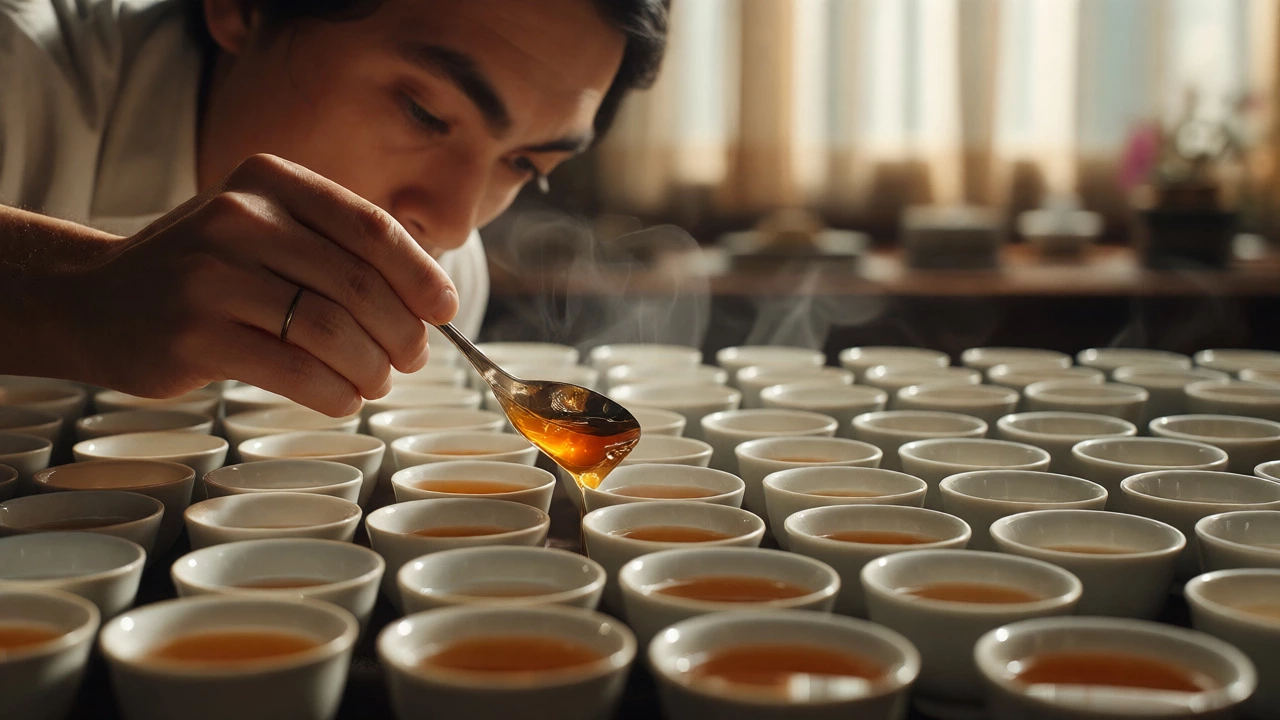
Imagine sitting in a quiet room in Sydney’s inner west, surrounded by hundreds of small cups. You have to judge each one in under five minutes. Your nose must detect floral notes hidden beneath earthy tones. Your tongue needs to spot a subtle flaw that could cost a buyer thousands of dollars. This isn’t just drinking tea; it’s a high-stakes sensory marathon. If you’ve ever wondered what separates a casual sipper from a professional tea taster, it comes down to a specific blend of biological talent, trained discipline, and technical knowledge.
You might think you have a good palate because you can tell your morning Earl Grey apart from an afternoon Darjeeling. But professional tea tasting is a different beast entirely. It requires evaluating up to 200 or 300 samples in a single day. That level of volume demands more than just liking tea. It requires a set of distinct qualities that allow you to remain accurate, consistent, and commercially valuable. Let’s break down exactly what makes a tea taster tick.
Sensory Acuity: The Biological Foundation
At the core of this profession lies sensory acuity. Unlike wine tasting, where spitting is common but swallowing happens often, tea tasting relies heavily on slurping. You aerate the liquid across your entire tongue to map flavour zones. To do this effectively, your senses need to be sharp. A keen sense of smell is non-negotiable. Most of what we perceive as "taste" is actually aroma detected by the olfactory system. If your nose is blocked or insensitive, you’ll miss the delicate top notes that define high-grade teas.
Your taste buds also need training. While everyone has basic receptors for sweet, sour, salty, bitter, and umami, a taster learns to isolate these sensations. Can you distinguish between astringency (that dry, mouth-puckering feeling) and bitterness? Can you identify if a tea has been scorched during processing versus simply being over-steeped? These distinctions require a refined biological instrument. Chronic sinus issues, smoking, or certain medications can dull these senses, making them significant barriers to entry. Maintaining oral health and avoiding strong foods before a session are practical habits that protect this asset.
Palate Memory: The Mental Library
Having sharp senses is useless without somewhere to store the data. Palate memory is the ability to recall previous tastes and compare them instantly with new samples. Think of it like having a mental library of every tea you’ve ever tasted. When a new lot arrives from Assam, you don’t just describe it in isolation. You compare it to the Assams you tasted last year, last month, and ten years ago.
This comparative skill allows tasters to detect deviations quickly. Is this batch lower quality than usual? Did the monsoon affect the leaf grade? Without robust palate memory, you’re just guessing. Building this library takes years. Many professionals start with backgrounds in food science or agriculture, giving them a head start on understanding how variables like soil and weather impact flavour. But ultimately, it’s the repetition of tasting that cements these memories. You aren’t just remembering flavours; you’re remembering outcomes-how those teas performed in the market, how they aged, and how consumers reacted to them.
Technical Knowledge: Understanding the Leaf
A great nose won’t save you if you don’t understand what you’re smelling. Professional tasters need deep technical knowledge of tea cultivation and processing. You need to know the difference between Orthodox and CTC (Crush, Tear, Curl) manufacturing methods. You need to understand why a tea picked in April tastes different from one picked in June. This isn’t just trivia; it’s essential for diagnosing faults.
For example, if a tea smells smoky, is it intentional lapsang souchong style, or did it absorb smoke from a faulty dryer? If it tastes flat, was it stored improperly? Knowing the production chain helps you pinpoint the problem. Many tasters come from degrees in botany, horticulture, or food science. These fields teach plant physiology and chemistry, which directly explain why tea behaves the way it does. However, formal education isn’t strictly mandatory. Some of the best tasters learned through apprenticeships on estates. What matters is that you can connect the sensory experience back to the agricultural reality.

Methodological Discipline: The Science of Consistency
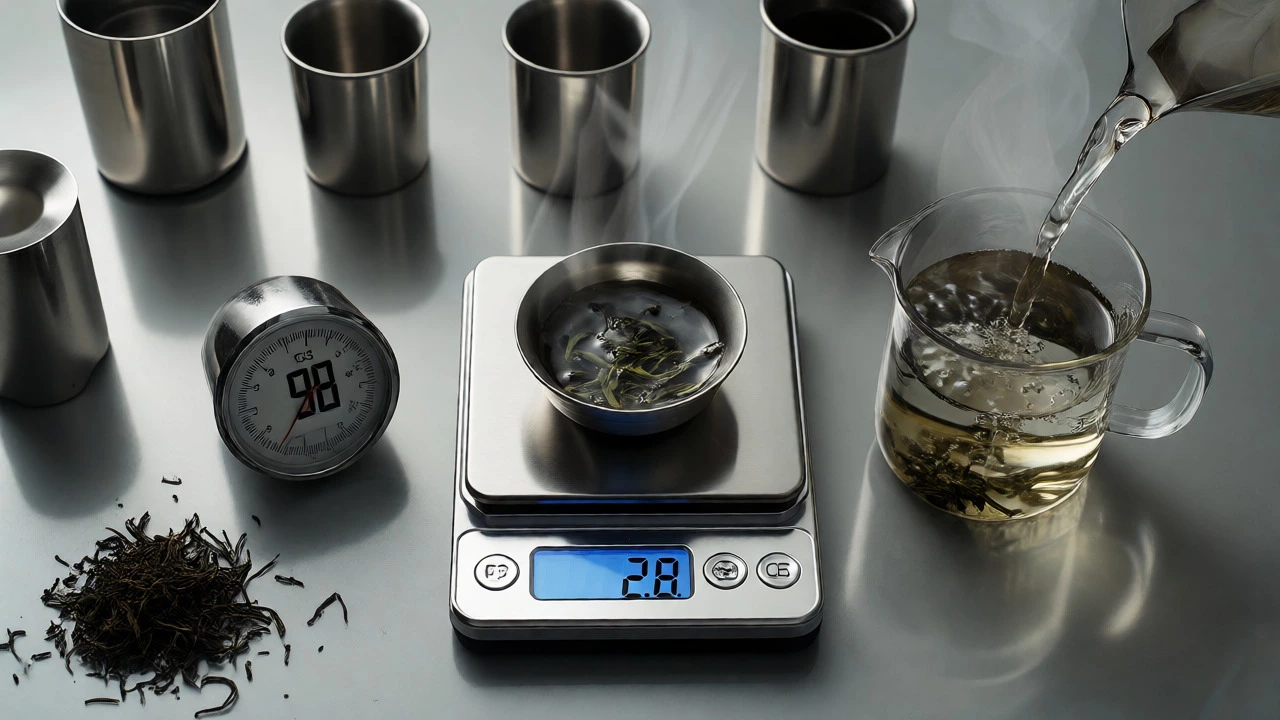
Tasting tea is subjective, but professional grading cannot be. This is where methodological discipline comes in. You must follow strict protocols to ensure your results are comparable. At Vinhood, for instance, tasters use a precise formula: 2.8 grams of tea, 140 millilitres of water at 98 degrees Celsius, steeped for exactly five minutes. Change any variable, and the result changes. A taster who eyeballs the water temperature or guesses the weight introduces error.
This discipline extends to the environment. Distractions kill focus. A professional taster works in a controlled setting, often wearing neutral clothing to avoid scent contamination. They evaluate appearance, aroma, liquor colour, flavour, and finish in a structured sequence. This systematic approach turns art into science. It allows buyers to trust your judgment. If you say a tea is "grade A," it means it meets specific criteria, not just that you liked it. This reliability is what builds a reputation in the trade.
Communication Skills: Translating Taste
Here’s a hard truth: your opinion is worthless if you can’t communicate it. Tea tasters act as translators between the farm and the market. You need excellent communication skills to describe complex sensory experiences clearly. Saying "this tea is nice" doesn’t help a blender adjust their recipe. Saying "this tea has a bright citrus note with a lingering sweet finish but lacks body" gives actionable feedback.
Documentation is part of this. You must maintain detailed records of every cupping session. These notes become part of the company’s history, helping future tasters understand past batches. Furthermore, you often interact with diverse stakeholders-from farmers in rural India to marketers in London. Cultural awareness helps here. Understanding regional traditions and consumer expectations allows you to tailor your descriptions. A marketer wants to hear about "luxury" and "comfort." A producer wants to hear about "leaf integrity" and "processing efficiency." Switching codes seamlessly is a key soft skill.
Physical Stamina and Lifestyle Factors
We often romanticize the job, ignoring the physical toll. Tasting 200+ samples a day is exhausting. You stand for hours, lift heavy sacks of tea (often weighing 20kg or more), and perform repetitive slurping motions. This requires physical stamina. Gastrointestinal resilience is also crucial. Even if you spit out most of the tea, you ingest some caffeine and tannins. Managing this intake prevents jitters or nausea during long sessions.
Lifestyle choices matter too. Smoking, alcohol, and spicy foods can desensitize your palate. Many professionals adopt a clean lifestyle during working seasons to keep their senses sharp. Time management is another factor. You can’t rush a bad sample, but you can’t linger too long either. Finding that balance keeps your energy levels stable throughout the day. It’s a demanding role that rewards those who treat their body as a precision instrument.
| Quality | Casual Drinker | Professional Tea Taster |
|---|---|---|
| Purpose | Enjoyment and relaxation | Quality control and commercial valuation |
| Volume | 1-5 cups per day | 200-300 samples per day |
| Focus | Overall impression | Isolated attributes (aroma, liquor, leaf) |
| Memory | Vague recollection | Detailed comparative database |
| Output | Personal preference | Standardized grading report |
The Future of Tea Tasting
The industry is changing. Climate change affects terroir, creating new flavour profiles that didn’t exist decades ago. Consumers demand transparency and sustainability. This means today’s tasters need adaptability. You can’t rely solely on old rules. Continuous learning is a quality in itself. Whether it’s attending short courses, networking with peers, or studying emerging markets, staying current is vital. There is no single global certification that guarantees success. Instead, your reputation is built on consistency over years. If you can deliver reliable judgments season after season, you become indispensable.
Do I need a degree to become a tea taster?
No, a degree is not strictly mandatory. While backgrounds in food science, botany, or agriculture provide a strong foundation, many successful tasters learned through apprenticeships and specialized short courses. Practical experience and proven sensory skills often outweigh formal credentials.
How many teas does a professional taste per day?
An experienced professional tea taster can evaluate between 200 and 300 samples in a single day. This requires significant physical stamina and disciplined palate management to avoid fatigue and maintain accuracy.
What is palate memory in tea tasting?
Palate memory is the ability to recall and compare the characteristics of previously tasted teas against new samples. It allows tasters to detect inconsistencies, assess quality relative to past batches, and make informed blending decisions.
Can anyone become a tea taster?
Most people can train their palates, but natural sensory acuity helps. Those with chronic sinus issues, allergies, or heightened sensitivity to bitterness may find the role challenging. Dedication to rigorous practice is the primary requirement.
Is there a global certification for tea tasters?
There is no single universally recognized global license. Reputation is built through consistent performance and peer recognition within the industry. Various organizations offer diplomas, but practical track record holds more weight.