Zero-Proof Mocktail Builder
Create Your Custom Zero-Proof Drink
Select your preferred flavor profiles and available ingredients to generate a balanced zero-proof mocktail recipe tailored to your taste.
Have you ever sat at a bar, watched your friends clink glasses of gin and tonics, and felt left out because the only option for you was a glass of tap water or a sugary soda? That feeling is changing. The world of drinking is shifting, and right in the middle of it is the rise of zero-proof mocktails. These aren't just "virgin" versions of old favorites; they are sophisticated, complex drinks designed to mimic the ritual, flavor, and presentation of alcoholic cocktails without the ethanol.
If you're curious about what makes these drinks different from a simple juice blend, how to spot a true zero-proof spirit, and whether they fit into your lifestyle (or sobriety journey), you've come to the right place. Let's break down exactly what zero-proof mocktails are, why the terminology matters, and how to make them yourself.
The Core Definition: What Makes a Drink "Zero-Proof"?
To understand zero-proof mocktails, we first need to unpack the name. It’s a combination of two concepts: "zero-proof" and "mocktail."
In the United States, "proof" is a measure of alcohol strength, defined as twice the alcohol by volume (ABV) percentage. So, a standard vodka at 40% ABV is 80 proof. Therefore, "zero-proof" literally means zero on that scale-0.0% ABV. However, the legal landscape adds a wrinkle. In many jurisdictions, including the U.S., any beverage with less than 0.5% ABV can be legally labeled "non-alcoholic." This creates a gap between marketing and reality.
True zero-proof beverages are those formulated to contain absolutely no measurable alcohol, typically labeled as 0.0% ABV. They are distinct from dealcoholized wines or beers, which start as alcoholic products and have the alcohol removed. Brands like London Juice Company emphasize that true zero-proof drinks are built from scratch using botanicals, not stripped of alcohol.
A mocktail is, by definition, a non-alcoholic drink created to resemble a cocktail in ingredients, appearance, and complexity. When you combine these terms, a zero-proof mocktail is a cocktail-style mixed drink that uses zero-proof spirits or carefully balanced non-alcoholic ingredients to replicate the sensory experience of a traditional cocktail, all while containing 0.0% to less than 0.5% ABV.
Zero-Proof vs. Mocktail: Is There a Difference?
You might see these terms used interchangeably, but there is a subtle debate in the mixology community about their distinction. Understanding this helps you choose the right drink for your taste buds.
According to Difford’s Guide, a respected reference work by Simon Difford, the distinction lies in the base ingredient. If a drink uses a non-alcoholic spirit base (a bottled product designed to mimic gin, whiskey, or tequila), it is technically a "non-alcoholic cocktail" or a "zero cocktail." If it relies primarily on juices, sodas, and syrups without a spirit alternative, it is more accurately called a mocktail.
However, other perspectives, such as those from hospitality experts at Tratap, argue that "mocktail" is the more accessible and fun term for anything without alcohol. For the average consumer, the line is blurry. Here is a quick breakdown:
| Category | Base Ingredient | Complexity | Typical ABV |
|---|---|---|---|
| Virgin Cocktail | Juice/Soda (Alcohol omitted) | Low to Medium | 0.0% |
| Mocktail | Juice, Syrup, Soda | Medium | 0.0% |
| Zero-Proof Cocktail | Non-Alcoholic Spirit Base | High | 0.0% - <0.5% |
The key takeaway? If you want something sweet and refreshing, a mocktail works. If you want the bitter, herbal, or smoky notes of a whiskey sour or a martini, you need a zero-proof spirit base.
Why the Terminology Matters for Your Health and Choices
This isn't just semantics; it’s about safety and personal boundaries. For people in early sobriety, pregnant women, or those with religious restrictions, the difference between 0.0% and 0.5% ABV can be significant.
Lori Massicot, a sobriety coach and author, highlights a critical point: Zero-proof mocktails can be triggering for some people in recovery. Because they mimic the look, smell, and taste of alcoholic drinks so closely, they may reactivate cravings. She advises individuals to treat trying these drinks as an experiment. If mixing a virgin margarita makes you crave the real thing, stop immediately. Don't feel pressured to "test" every non-alcoholic version of beer or wine, especially early in your journey.
For others, zero-proof drinks are a gateway to social inclusion without intoxication. But always check the label. If you require strict abstinence, look specifically for "0.0% ABV" or "truly alcohol-free." The term "non-alcoholic" alone may still permit trace amounts up to 0.5% ABV in many countries.
How to Make a Great Zero-Proof Mocktail at Home
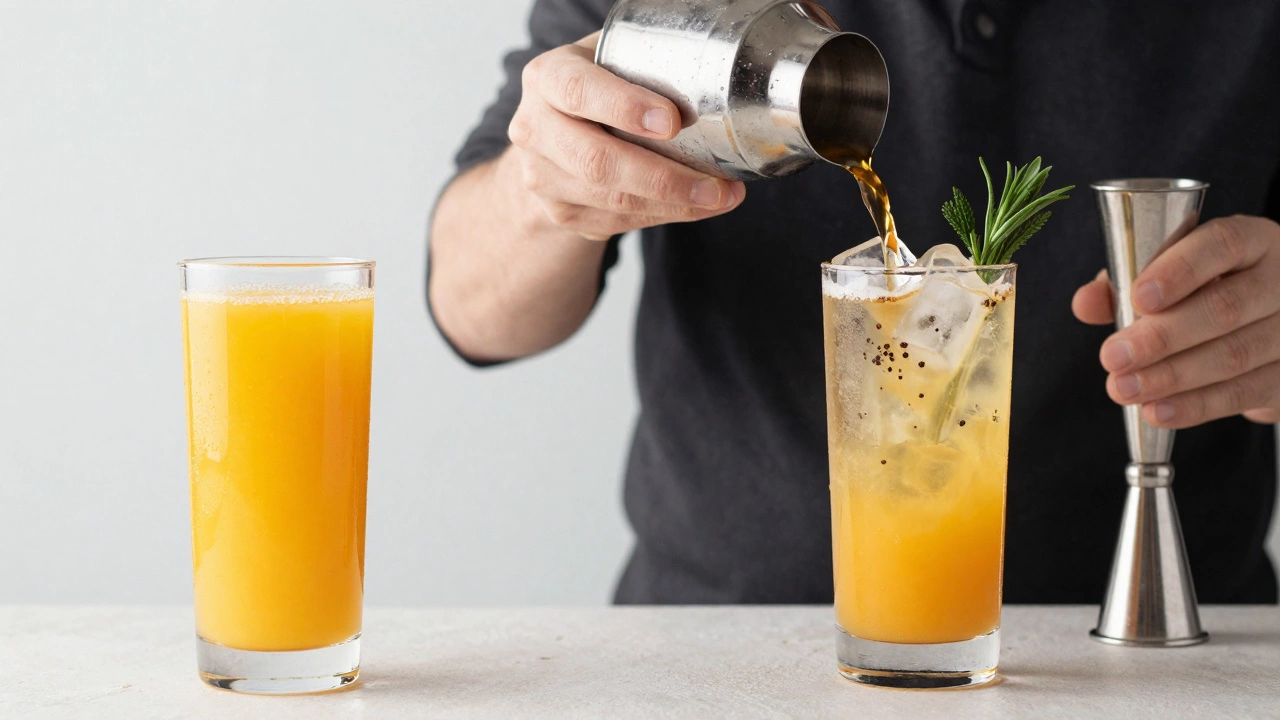
You don't need a fancy bar setup to enjoy a high-quality zero-proof drink. The secret is balance: acidity, sweetness, and body. Alcohol often provides "body" (mouthfeel) and bitterness in cocktails, so when you remove it, you need to replace those elements.
Here are three approaches to building your own zero-proof mocktails:
- The Spirit Swap: Use a dedicated non-alcoholic spirit. Brands like Ritual Zero Proof or Cut Above Spirits offer alternatives to tequila, gin, and whiskey. Treat these exactly like their alcoholic counterparts. Shake them with ice, strain them into a glass, and garnish appropriately.
- The Botanical Boost: If you don't have a NA spirit, use bitters. While some bitters contain alcohol, many are alcohol-free or used in such small quantities that the ABV is negligible. Add dashes of aromatic bitters to a soda water and lime juice mix to create a "Gin and Tonic" style drink.
- The Texture Trick: Alcohol evaporates quickly, leaving a light mouthfeel. To compensate, use ingredients with more viscosity. Agave syrup, rich fruit purees (like mango or passionfruit), or even a splash of tonic water can add the necessary weight to the drink.
For example, a classic Margarita mocktail recipe from Ritual suggests using 2 oz of their Tequila Alternative, 1 oz orange juice, 1 oz fresh lime juice, and 0.5 oz simple syrup. Shake with ice and serve with a salted rim. It’s not just juice; it’s a structured drink with acid, sweet, and bitter notes.
The Rise of the Zero-Proof Industry
This trend isn't a fad. We are seeing a rapid professionalization of the non-alcoholic sector. Dedicated brands are emerging, bars are integrating mocktails into their main menus rather than hiding them as "kid's drinks," and reference guides are codifying the language.
Platforms like The Zero Proof and companies like London Juice Company are educating consumers on the craft behind these beverages. They are moving away from the idea that non-alcoholic means "boring" or "just juice." Instead, they are positioning zero-proof mocktails as a distinct category of culinary art, focusing on depth, complexity, and sensory experience.
As of 2026, you can find zero-proof options in major cities worldwide, from Sydney to New York. The market is maturing, meaning quality control is improving, and the variety of flavors-from smoky mesquite to crisp cucumber-is expanding rapidly.
Common Pitfalls to Avoid
When starting your zero-proof journey, keep these common mistakes in mind:
- Ignoring Ice: Always chill your glass and shake/stir with plenty of ice. Temperature is crucial for balancing sweetness and acidity.
- Over-sweetening: Without alcohol to cut through sugar, drinks can become cloying. Taste as you go. Fresh citrus is your best friend for cutting sweetness.
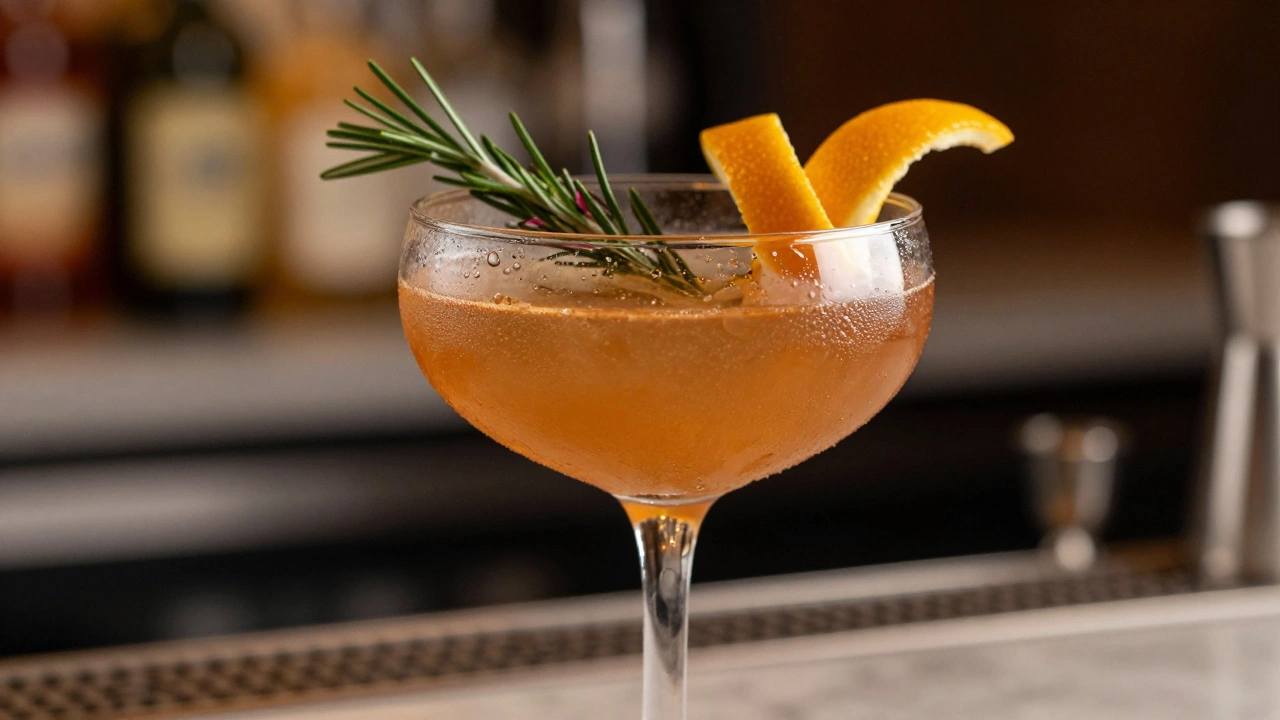
- Skip the Garnish: The aroma of a drink is half the experience. A sprig of rosemary, a twist of orange peel, or a slice of jalapeño adds visual appeal and scent, enhancing the perception of flavor.
- Assuming All "NA" Drinks Are Equal: As mentioned, check the ABV. Some dealcoholized wines still have 0.5% alcohol, which might not suit everyone's needs.
Final Thoughts on Embracing Zero-Proof
Zero-proof mocktails represent a shift in how we view social drinking. It’s no longer about who is holding the bottle; it’s about who is enjoying the moment. Whether you are sober-curious, driving, pregnant, or simply looking to reduce your intake, these drinks offer a legitimate, enjoyable alternative.
The key is to approach them with the same respect and attention to detail as you would an alcoholic cocktail. Choose your ingredients wisely, pay attention to the balance of flavors, and most importantly, listen to your body. If a drink triggers unwanted cravings, put it down. If it brings joy and connection without the hangover, raise your glass. Cheers to clarity.
What is the difference between a mocktail and a zero-proof cocktail?
While often used interchangeably, purists distinguish them by their base. A mocktail typically relies on juices, sodas, and syrups. A zero-proof cocktail usually incorporates a non-alcoholic spirit base designed to mimic the flavor profile of gin, whiskey, or tequila, offering greater complexity and a closer resemblance to traditional alcoholic cocktails.
Do zero-proof drinks contain any alcohol?
It depends on the label. True "zero-proof" drinks are formulated to have 0.0% ABV. However, many products labeled "non-alcoholic" can contain up to 0.5% ABV, which is the legal threshold in many countries. If you need to avoid alcohol completely, look for labels that explicitly state "0.0% ABV" or "alcohol-free."
Are zero-proof mocktails safe for people in sobriety?
For many, yes. However, because they closely mimic the taste and ritual of alcoholic drinks, they can be triggering for some individuals in early recovery. Sobriety coaches recommend testing cautiously. If a zero-proof drink increases cravings, it is advisable to avoid it and opt for simpler beverages like sparkling water with fruit instead.
How do I make a zero-proof Old Fashioned?
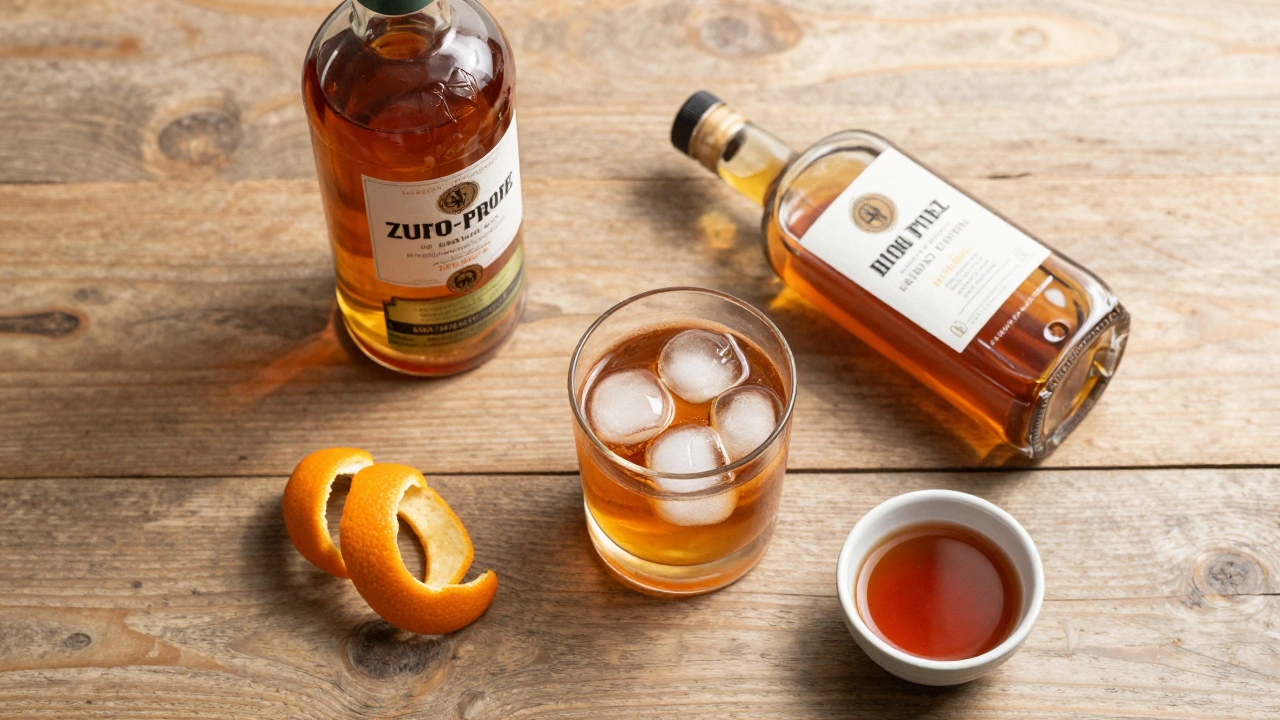
Start with 2 oz of a non-alcoholic whiskey alternative. Add 1 tsp of simple syrup and 2 dashes of aromatic bitters. Stir with ice until chilled, then strain over a large ice cube in an rocks glass. Garnish with an orange twist or a cherry. The key is using a high-quality NA whiskey that has smoky or vanilla notes.
What are some popular brands of zero-proof spirits?
Popular brands include Ritual Zero Proof (known for their Tequila, Gin, and Whiskey alternatives), Cut Above Spirits, and Seedlip. These brands specialize in creating botanical-based liquids that provide the complexity and mouthfeel of traditional spirits without the alcohol.