Classy Cocktail Matcher Tool
The Connoisseur's Cocktail Selector
Discover the sophisticated drink that matches your palate.
What is your preferred base spirit?
Gin
Botanical, crisp, aromaticWhiskey
Rich, warm, complexVodka
Neutral, clean, smoothWhich flavor profile appeals to you most?
Bitter & Herbaceous
Sophisticated, dry, medicinal notesSweet & Rich
Velvety, warming, comfortingCitrus & Bright
Refreshing, tart, livelyWhat is the occasion or mood?
Slow Sipping
Relaxing after dinner or by the fireSocializing
At a lounge, talking with friendsCelebration
Marking a special moment or toastWhy it fits you:
Classic Recipe:
Pro Tip:
Walk into any dimly lit lounge in Sydney or a high-end hotel bar in London, and you’ll notice a pattern. The people who want to project an air of sophistication aren’t ordering neon-blue shots or frozen fruit slushies. They’re sipping clear, amber, or pale yellow liquids from stemmed glasses or heavy rocks glasses with a single twist of citrus. You’ve probably wondered what makes these specific drinks different. Is it the price tag? The ingredients? Or is there something deeper about how they are made?
The short answer is that a classy mixed drink isn’t defined by a secret ingredient list. It’s defined by restraint, balance, and history. These are cocktails that prioritize the flavor of the base spirit over masking it with sugar. They rely on precise ratios rather than "pour until it looks right." And they almost always have roots in cocktail culture before the mass-market explosion of the late 20th century.
If you are looking to elevate your home bar setup or simply want to order like a pro at your next dinner party, understanding the anatomy of an elegant drink is essential. It’s less about showing off and more about appreciating the craft. Interestingly, this pursuit of quality and discretion extends beyond just beverages; for those traveling internationally, finding verified and discreet services can be part of that same lifestyle focus, such as checking out resources like this directory for companionship in cities like Almaty. But back to the glass in front of us-let’s break down exactly what makes a cocktail "classy" versus just "sweet."
The Anatomy of Sophistication: What Makes a Drink "Classy"?
When bartenders and mixologists talk about "classy" drinks, they are usually referring to what historians call "classic" cocktails. There is a strong overlap here. A drink earns its status through three main pillars: historical pedigree, spirit-forward balance, and minimalist presentation.
Spirit-Forward Balance is the practice of keeping the base alcohol prominent while using modifiers to enhance, not hide, its flavor. In a classy mixed drink, you should taste the whiskey, gin, or rum first. Sugar is used sparingly-often just a teaspoon or a splash of vermouth-to cut the burn and add complexity, not to make the drink taste like candy. This contrasts sharply with "party" drinks from the 1970s and 80s, which often relied on cheap liqueurs and excessive sweetness to mask low-quality spirits.
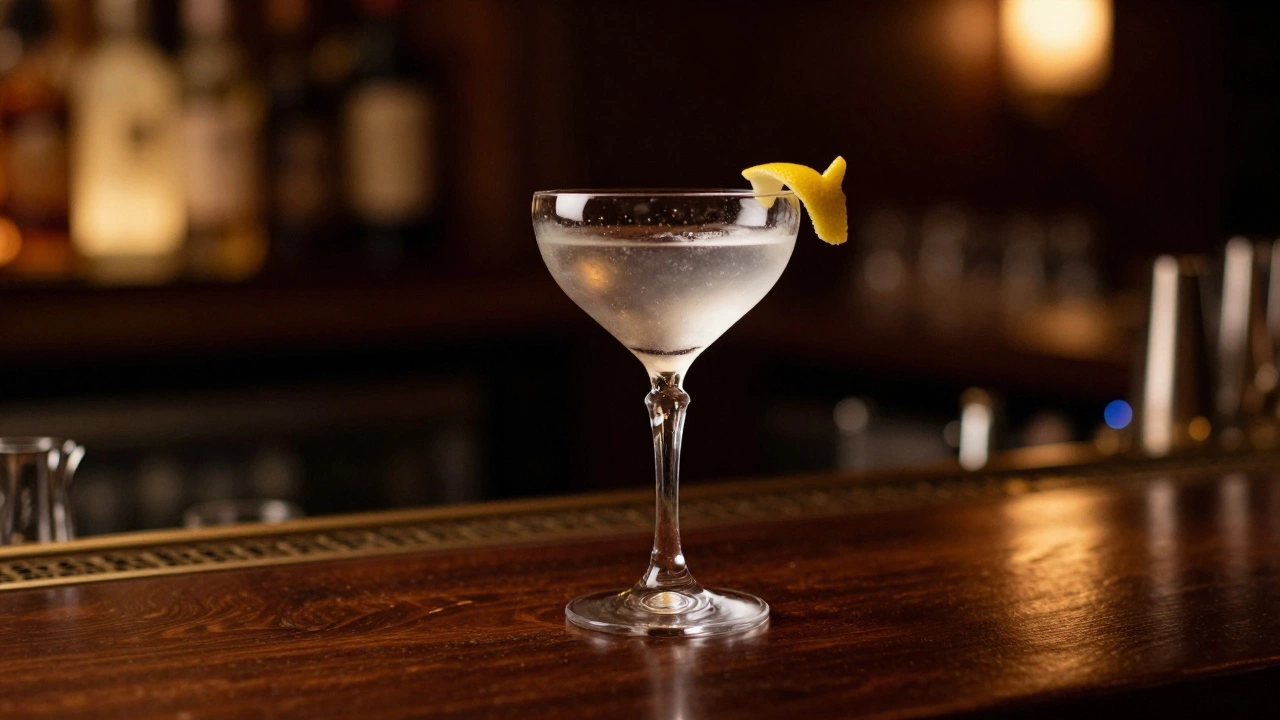
Second, consider the Minimalist Presentation is a visual style characterized by clear liquids, simple garnishes like citrus twists or olives, and elegant glassware. Think about the difference between a tall glass filled with ice, whipped cream, and a plastic umbrella versus a chilled coupe glass with a single lemon peel. The latter signals that the drinker cares about the liquid itself. No neon colors. No layered syrups. Just clarity and precision.
Finally, there is the element of Historical Pedigree is the connection to pre-1960s cocktail traditions that established the standards for modern mixology. Most drinks considered "classy" today were popularized during the Golden Age of Cocktails (late 1800s to early 1920s) or revived from that era. They have stood the test of time because they work. They are balanced, refreshing, and complex.
Iconic Examples of Classy Mixed Drinks
To truly understand elegance in a glass, you need to look at the heavy hitters. These are the drinks that appear on menus in five-star hotels and speakeasies worldwide. Here are the top contenders for the title of most classy mixed drink.
| Cocktail Name | Base Spirit | Key Modifiers | Preparation Method | Why It’s Classy |
|---|---|---|---|---|
| Martini | Gin or Vodka | Dry Vermouth | Stirred & Strained Up | Ultimate simplicity; highlights the spirit’s botanicals or neutrality. |
| Old Fashioned | Bourbon or Rye Whiskey | Sugar Syrup, Angostura Bitters | Built in Glass, Stirred | The original cocktail definition; deep, slow-sipping complexity. |
| Negroni | Gin | Campari, Sweet Vermouth | Stirred & Served Over Ice | Bitter and sophisticated; appeals to mature palates. |
| Manhattan | Rye Whiskey | Sweet Vermouth, Bitters | Stirred & Strained Up | Rich, velvety texture; a staple of formal dining. |
| French 75 | Gin | Lemon Juice, Sugar, Champagne | Shaken & Topped with Sparkling Wine | Elegant effervescence; perfect for celebrations without being cloying. |
The Martini is a stirred cocktail made with gin or vodka and dry vermouth, served up with minimal garnish. It is perhaps the most recognized symbol of sophistication. When ordered "dry," it contains very little vermouth, making it potent and crisp. The key here is temperature-it must be ice-cold, achieved by stirring with plenty of ice, not shaking (which aerates the drink and creates unwanted bubbles).
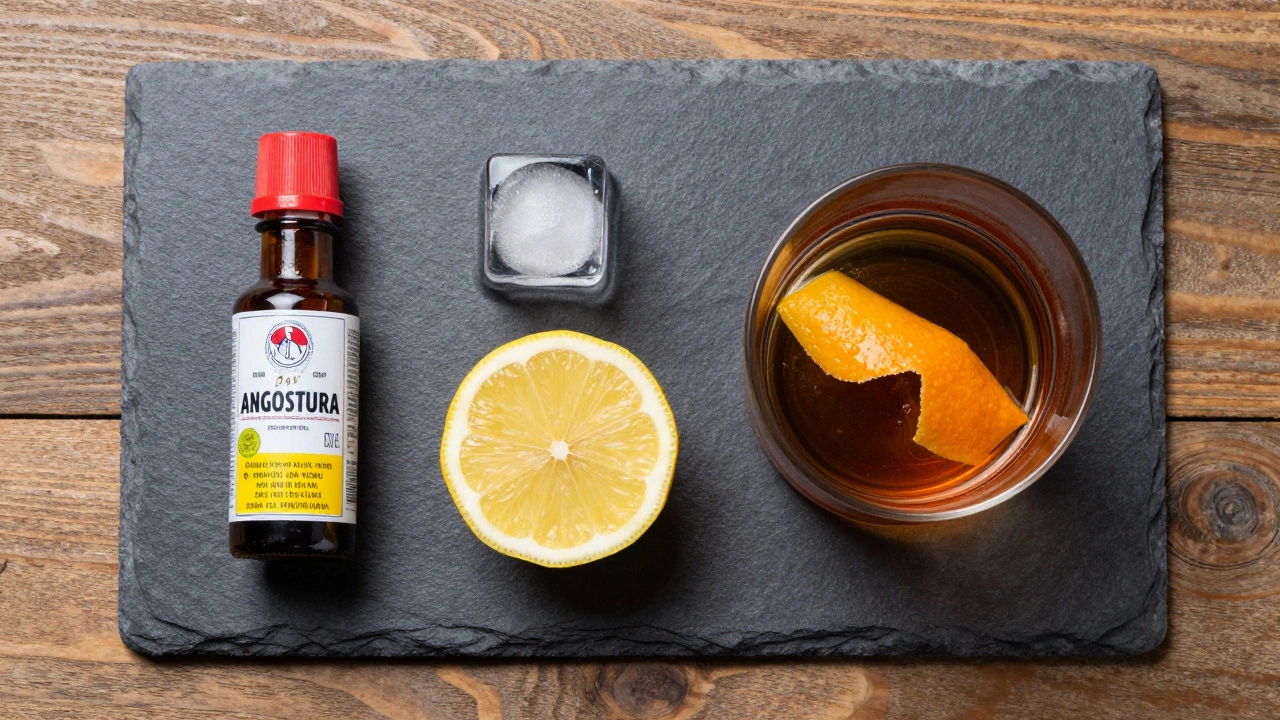
The Old Fashioned is a whiskey-based cocktail muddled with sugar and bitters, served over a large ice cube. This drink is essentially the blueprint for all cocktails. The 1806 definition of a cocktail was "spirits, sugar, water, and bitters." That’s an Old Fashioned. It’s slow, contemplative, and demands a good quality whiskey. If your whiskey tastes bad, this drink will taste terrible. There is nowhere to hide.
The Negroni is an equal-parts mixture of gin, Campari, and sweet vermouth, known for its bitter-orange profile. Originally created in Florence in the early 1900s, the Negroni has become a favorite among connoisseurs. Its bitterness challenges the palate, forcing you to pay attention. It’s not a drink you gulp down; it’s a drink you savor.
Technique Matters: Stirring vs. Shaking
You might wonder why some classy drinks are stirred while others are shaken. This isn’t arbitrary. It’s about texture and dilution.
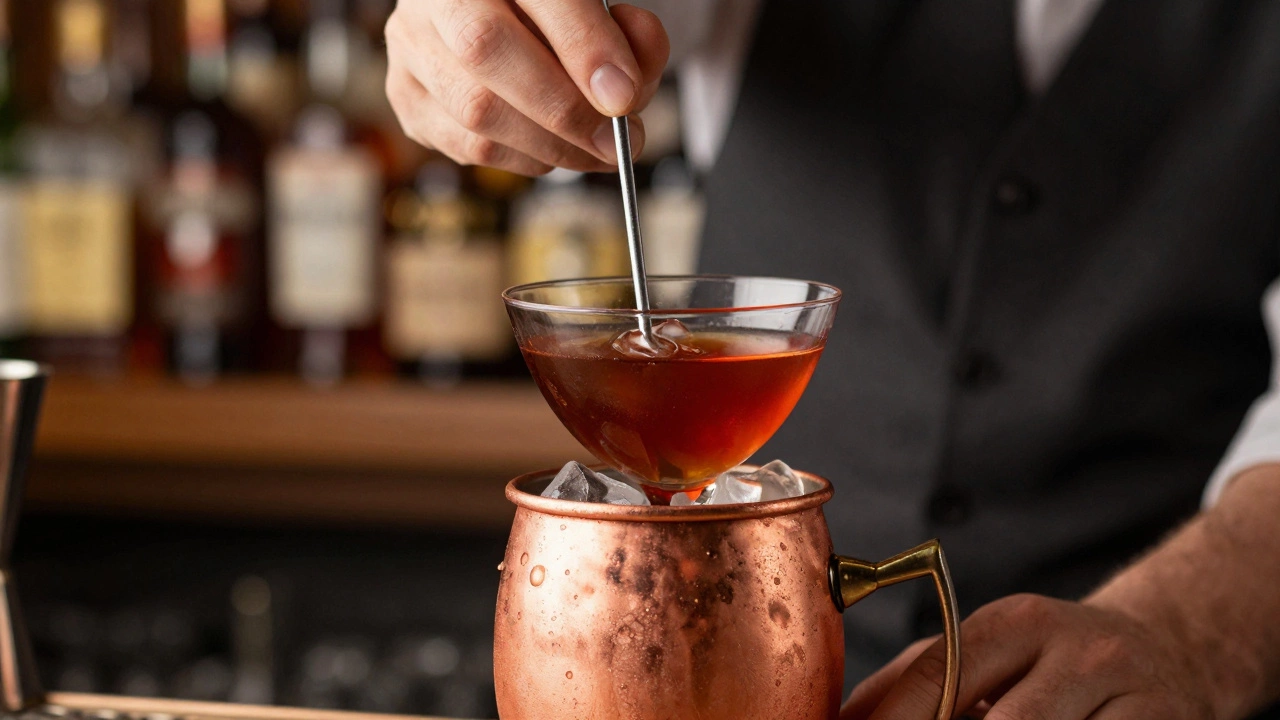
Stirring is used for drinks that are entirely composed of spirits and liqueurs (like Martinis, Manhattans, and Negronis). Stirring chills the drink and adds just enough water from the melting ice to open up the flavors, without introducing air. The result is a silky, smooth mouthfeel. If you shake a Martini, you fracture the ice, create tiny shards, and aerate the liquid, giving it a cloudy appearance and a frothy texture that purists find unrefined.
Shaking is reserved for drinks containing juice, egg white, dairy, or syrup (like the French 75 or Pisco Sour). These ingredients don’t blend well with stirring. Shaking emulsifies them, creating a consistent texture and ensuring the drink is thoroughly chilled. For example, the Pisco Sour is a South American cocktail combining pisco, lime juice, sugar, and egg white, shaken to create a frothy head. The egg white requires vigorous shaking to form that signature foam cap. Without it, the drink would separate and feel flat.
Ingredients: The Difference Between Good and Great
A classy mixed drink falls apart if the ingredients are subpar. You can have the perfect recipe, but if you use bottled lemon juice or warm, watery vermouth, the drink will fail. Here is what separates the amateurs from the enthusiasts:
- Fresh Citrus: Never use bottled juice. Freshly squeezed lemons and limes provide brightness and acidity that bottled versions lack. Bottled juice often contains preservatives that taste metallic.
- Clear Ice: Cloudy ice melts faster and dilutes the drink unevenly. Clear ice cubes, often made by freezing water slowly in insulated containers, melt slower and keep your Old Fashioned cold without watering it down too quickly.
- Vermouth Storage: Vermouth is fortified wine, not a spirit. Once opened, it oxidizes rapidly. Store it in the fridge and use it within a month. Warm, stale vermouth ruins a Manhattan instantly.
- Quality Bitters: Bitters are the spice rack of cocktails. Angostura bitters are standard, but exploring orange, chocolate, or celery bitters can add depth to classic recipes.
What to Avoid: The "Tacky" Trap
If you want to avoid appearing inexperienced, steer clear of certain categories of drinks. While everyone has their own preferences, social etiquette and mixology experts generally agree on what reads as "less refined":
- Artificial Colors: Drinks that are bright blue, green, or pink due to food coloring rather than natural ingredients (like butterfly pea flower or hibiscus) often signal a focus on novelty over taste.
- Over-Garnished Drinks: If the garnish takes longer to eat than the drink takes to finish, it’s too much. A skewer of fruit, candy, or multiple umbrellas distracts from the beverage.
- High-Sugar Shooters: Shots designed to be consumed quickly are associated with binge drinking, not sipping. Classy drinks are meant to be enjoyed slowly, encouraging conversation.
- Frozen Blended Drinks: While refreshing on a hot beach day, blended margaritas or daiquiris with ice chunks are casual fare. For a classy version, ask for a "straight-up" Daiquiri (shaken and strained), which is a sophisticated sour cocktail.
How to Order Like a Pro
Knowing what to say at the bar can change your experience. Bartenders appreciate customers who know what they want but leave room for expertise. Here’s how to navigate the menu:
- Start with the Classics: If you’re unsure, order a Negroni or an Old Fashioned. They are universally respected and rarely disappointing if made correctly.
- Specify Your Preferences: Instead of saying "I like sweet drinks," try "I prefer something drier" or "I enjoy bitter notes." This helps the bartender tailor the ratio of vermouth or liqueur to your taste.
- Ask for Recommendations: "What’s your favorite house pour?" or "Do you have a seasonal riff on a classic?" shows interest and trust in the bartender’s skill.
- Respect the Process: If the bartender is stirring a drink for 30 seconds, let them. Proper dilution takes time. Interrupting the process can ruin the balance.
Building Your Home Bar for Elegance
You don’t need a full professional setup to make classy drinks at home. However, a few key tools will elevate your results significantly:
- A Jigger: Precision matters. Guessing measurements leads to inconsistent drinks. A double-sided jigger ensures you get the right ratio every time.
- A Mixing Glass and Bar Spoon: Essential for stirring spirit-forward cocktails. A metal mixing glass works best because it conducts cold efficiently.
- A Cocktail Shaker: A Boston shaker (two tin cups) or a Cobbler shaker (three-piece) is necessary for drinks with juice or egg white.
- Hawthorne Strainer: Used to hold back ice and pulp when pouring from a shaker or mixing glass.
- Proper Glassware: Invest in a set of coupe glasses, martini glasses, and rocks glasses. The weight and shape of the glass affect how you perceive the aroma and temperature of the drink.
Remember, the goal of a classy mixed drink is not to impress others with complexity, but to appreciate the harmony of flavors. It’s about slowing down, tasting each sip, and recognizing the craftsmanship behind the recipe. Whether you’re enjoying a quiet evening at home or celebrating a special occasion, choosing a well-made classic cocktail is a timeless gesture of good taste.
What is the most classy cocktail to order at a bar?
The Martini and the Old Fashioned are widely considered the most classy cocktails. They are simple, spirit-forward, and have deep historical roots. Ordering them shows you appreciate traditional mixology and quality ingredients.
Why are sweet cocktails considered less classy?
Excessive sweetness often masks the flavor of lower-quality spirits. Classy drinks prioritize balance and the character of the base alcohol. High-sugar drinks are also associated with quick consumption and novelty, whereas refined cocktails are designed for slow sipping and conversation.
Should I shake or stir my cocktail?
Stir cocktails that contain only spirits and liqueurs (like Martinis and Manhattans) to keep them clear and silky. Shake cocktails that include juice, milk, egg white, or syrup (like French 75s or Daiquiris) to properly chill and emulsify the ingredients.
What makes a Negroni so popular among sophisticated drinkers?
The Negroni’s equal-parts recipe of gin, Campari, and sweet vermouth creates a complex bitter-orange flavor profile that appeals to mature palates. It’s a digestif-style drink that encourages mindfulness and appreciation of bitter notes, which are less common in mainstream party drinks.
Can a fruity cocktail be classy?
Yes, if it uses fresh ingredients and maintains balance. A Pisco Sour or a French 75 are excellent examples. They use fruit juices but are structured around classic sour templates with proper acid-sweet balance and elegant presentation, avoiding artificial colors or excessive sweetness.