Dirty Martini Brine Calculator
Not sure how much "dirty" is too dirty? Use this tool to find the right ratio for your taste.
Recommended Amount
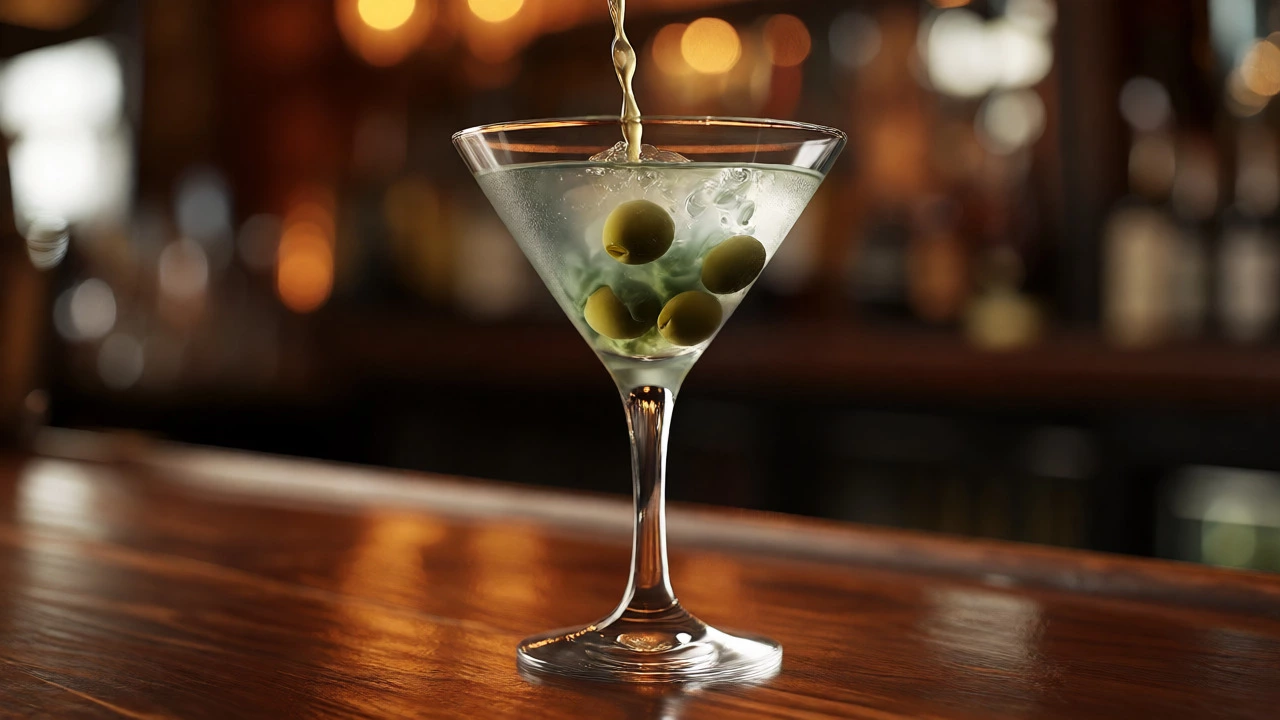
You’re at the bar, eyeing a crisp, clear Martini that looks like liquid glass. You order one "dirty," and suddenly your drink turns cloudy, greenish-gray, and tastes intensely salty. Did you just ask for dirt? No. In the world of mixology, "dirty" refers to the addition of olive brine or another savory, salty liquid to a classic cocktail. It’s not about hygiene; it’s about flavor profile. If you’ve ever wondered why your bartender adds a splash of jar juice to your spirit, this guide breaks down exactly what makes a cocktail dirty, how much to use, and why this trend is dominating bars from Sydney to New York.
The Core Definition: What Makes a Drink "Dirty"?
At its simplest, a dirty cocktail is a clean, transparent drink modified with a savory element. While the term applies broadly, it is overwhelmingly associated with the Dirty Martini, which combines gin or vodka, dry vermouth, and olive brine. The brine-the salty liquid left over after curing olives-is the star ingredient here. It introduces sodium, acidity, and umami, transforming a neutral spirit into something complex and appetizing.
Why call it dirty? Two reasons. First, appearance: adding brine clouds the crystal-clear look of a standard Martini, giving it a murky, opaque quality. Second, concept: it departs from the "clean," minimalist aesthetic of traditional cocktails. But don’t worry, there’s no actual soil involved. The "dirt" is purely culinary, designed to stimulate the palate rather than offend it.
Decoding the Lingo: Dirty vs. Extra Dirty vs. Filthy
If you order a "dirty" Martini, you might get a different amount of brine depending on where you are. There is no universal law governing these terms, but there are strong industry conventions. Understanding them helps you communicate better with your bartender.
| Term | Brine Amount (Approx.) | Flavor Profile | Best For |
|---|---|---|---|
| Clean | 0 oz | Bright, herbal, alcoholic | Purists who dislike saltiness |
| Dirty | 0.25 - 0.5 oz | Savory hint, slight cloudiness | Most drinkers wanting balance |
| Extra Dirty | 0.5 - 1.0 oz | Pronounced salt, cloudy | Lovers of strong olive flavor |
| Filthy | 1.0+ oz (or equal parts) | Dominant brine, very cloudy | Hardcore savory fans |
A "regular" dirty Martini usually gets a splash-about a quarter ounce-of brine. This provides a whisper of salt without overpowering the gin or vodka. "Extra dirty" doubles that, often matching the volume of the vermouth. "Filthy" takes it further, sometimes replacing the vermouth entirely with brine. Because these labels are subjective, specifying an amount (e.g., "half-ounce of brine") is the safest way to get exactly what you want.
It’s Not Just Olives: Other Savory Additions
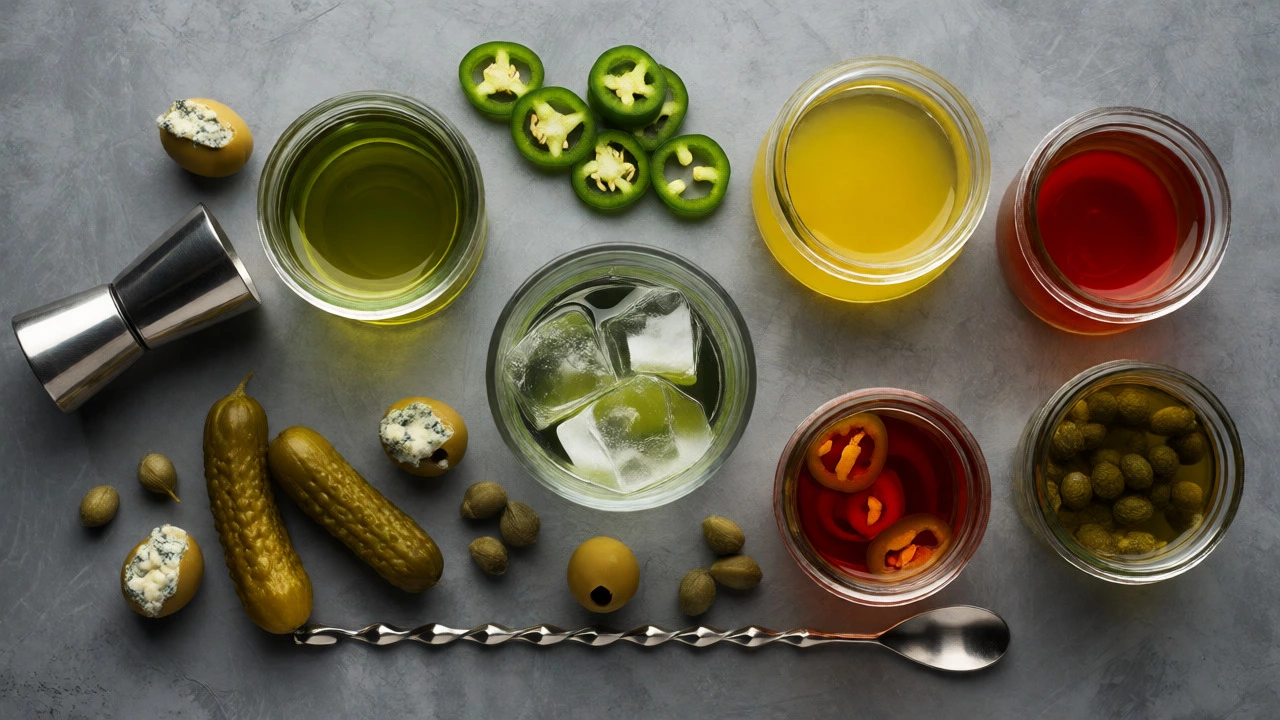
While olive brine is the default, the concept of "dirty" has expanded. Bartenders now experiment with other savory liquids to achieve similar umami effects. If you see "dirty" next to a Margarita or a Bloody Mary, check the menu description-it might not be olives.
- Pickle Brine: Adds a sharp, vinegary tang. Great in Bloody Marys or even some whiskey sours.
- Jalapeño Juice: Introduces heat and brightness. Common in "Dirty Margaritas" alongside chili salt rims.
- Caper Brine: Offers a floral, intense saltiness. Works well in lighter gin-based drinks.
- Pepperoncini Juice: Mildly spicy and acidic, offering a gentler kick than jalapeños.
The unifying thread is savory complexity. A dirty cocktail isn’t defined by one specific ingredient but by the intent to add salt, acid, and umami to a base spirit.
A Brief History: From Folklore to Fashion
Where did this idea come from? Like many cocktail myths, the origins are fuzzy. Some credit President Franklin D. Roosevelt, who allegedly added brine to his Martinis at the White House. Others point to bartender John E. O’Connor at the Waldorf Astoria in 1901, who reportedly muddled olives into his drinks. However, the term "Dirty Martini" didn’t gain widespread popularity until the 1980s.
For decades, the Martini was a symbol of sophistication and minimalism-bone-dry, clear, and cold. Adding brine was seen as messy or unconventional. That changed as cocktail culture evolved. Today, we crave complexity. The rise of umami-rich foods and a general shift toward bolder flavors made the Dirty Martini a staple. Recent data shows a resurgence in Martini orders globally, with savory variations leading the charge. In Australia alone, Martini sales have outpaced Margaritas, signaling a mature palate among drinkers.
How to Make the Perfect Dirty Martini at Home
You don’t need a professional shaker to make a great Dirty Martini. Precision matters more than equipment. Here’s a reliable recipe that balances the brine with the spirit.
- Chill Your Glass: Place a Martini or coupe glass in the freezer while you work. A warm glass ruins the experience.
- Gather Ingredients: You’ll need 2.5 ounces of gin or vodka, 0.5 ounce of dry vermouth, and 0.25 to 0.5 ounce of olive brine. Use high-quality olives for garnish.
- Combine and Stir: Pour spirits, vermouth, and brine into a mixing glass filled with ice. Stir gently for 20-30 seconds. Why stir? Shaking aerates the drink, making it cloudy and frothy. Stirring keeps it silky, though if you prefer a shaken texture, go for it.
- Strain and Garnish: Strain the mixture into your chilled glass. Spear two or three olives on a pick and drop them in. For extra flair, try blue cheese-stuffed olives.
Taste test before serving. If it’s too salty, reduce the brine next time. If it’s too flat, add a few drops more. Personal preference rules here.
Health Considerations: Watch the Sodium
Is a Dirty Martini healthy? It depends on your definition. The alcohol content remains roughly the same as a standard Martini, but the sodium count spikes. A single teaspoon of olive brine can contain significant salt. If you’re watching your blood pressure or sodium intake, be cautious.
Ask for "lightly dirty" or request less brine. Alternatively, dilute your own brine with a little water before pouring. Remember, vermouth is wine, so store it in the fridge after opening to prevent spoilage. Fresh ingredients matter-stale vermouth tastes bitter and metallic, ruining the delicate balance of a dirty drink.
Why Bars Are Getting Creative With "Dirt"
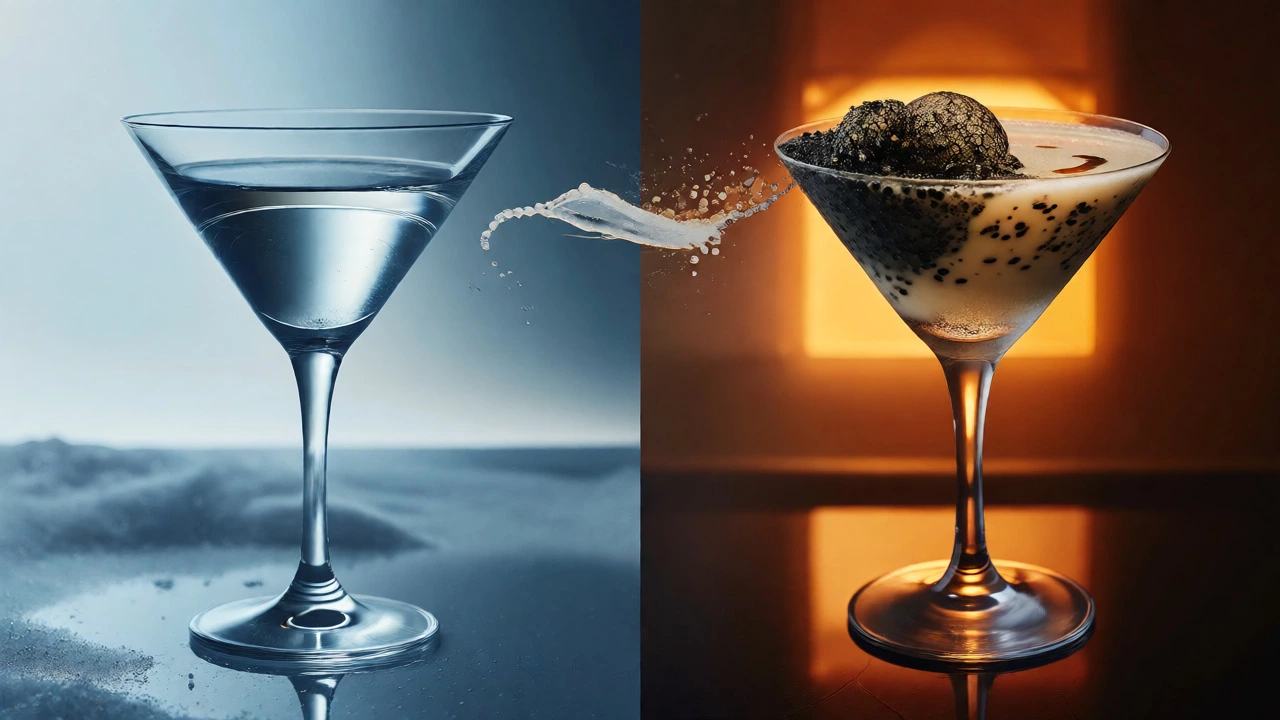
Modern mixologists aren’t stopping at jarred brine. They’re crafting their own "dirt." Some blend olives with water and high-proof spirits to create a smoother, more integrated flavor. Others use lactic acid, toasted sesame oil, or even squid ink to introduce color and depth. These innovations keep the Dirty Martini relevant in an era where novelty drives sales. Next time you visit a speakeasy, ask if they have a house-made brine. You might discover a new favorite twist on an old classic.
Does "dirty" mean the glass wasn't cleaned?
No. "Dirty" refers exclusively to the addition of savory ingredients like olive brine. It has nothing to do with the cleanliness of the glassware or the bartender's hygiene.
Can I make a dirty cocktail with rum or tequila?
Yes. While most common with gin and vodka, you can add brine or savory juices to any spirit. A "Dirty Margarita" uses jalapeño brine, and some bars offer dirty rums with pickle juice.
What is the difference between "filthy" and "extra dirty"?
These terms vary by bar, but generally, "extra dirty" means a higher ratio of brine to vermouth, while "filthy" implies a dominant amount of brine, sometimes equal to or exceeding the amount of vermouth or even replacing it entirely.
Do I need to shake or stir a dirty Martini?
Traditionally, you should stir to maintain a smooth, silky texture. Shaking introduces air bubbles and makes the drink cloudier. However, shaking is acceptable if you prefer a colder, more diluted, and aerated mouthfeel.
Is olive brine the same as olive juice?
In casual conversation, yes. Technically, it is brine-a solution of water, salt, vinegar, or lactic acid used to preserve olives. Calling it "juice" is a common misnomer, but bartenders will understand what you mean.