Winery Shoe Selector
Step 1: What are you doing?
Select all that apply:
Step 2: What is the weather?
Recommended Footwear
Please select at least one activity above to see recommendations.
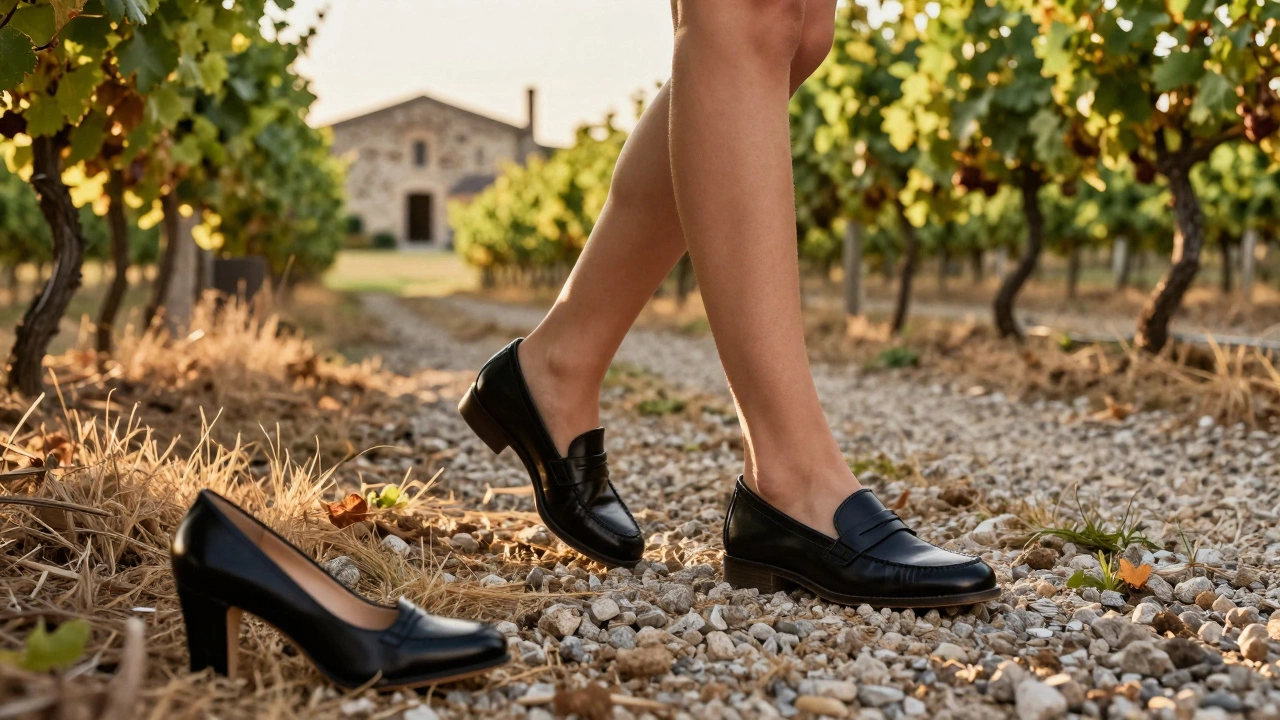
Picture this: you’ve booked a spot at that highly-rated estate in the valley. The weather is perfect, the sun is setting over the vines, and you’re ready to sip something exceptional. Then you step out onto the gravel path in your favorite stilettos. Within ten seconds, your heel sinks into the soft earth, your ankle twists slightly, and suddenly the romance of wine country feels a lot like a minor injury waiting to happen.
We’ve all been there. Or we know someone who has. Choosing what shoes to wear to a winery isn’t just about looking good in photos; it’s about navigating a unique landscape that mixes polished indoor tasting rooms with rugged outdoor terrain. Get it right, and you’ll be comfortable from the first pour to the last sunset toast. Get it wrong, and you might spend half the day hopping on one foot or worrying about grape stains on your expensive sandals.
The Three Zones of a Winery Visit
To pick the right pair, you first need to understand where you’re actually going. A winery isn’t just one place; it’s usually three distinct environments, each with its own demands on your feet.
- The Tasting Room: This is often indoors or on a paved patio. Floors are usually smooth-tile, wood, or concrete. Here, style matters more than survival. You can get away with dressier options as long as they’re stable.
- The Vineyard: This is the wild card. Vines grow in rows separated by grass, dirt, or gravel paths. These surfaces are uneven, sometimes muddy after rain, and definitely not designed for delicate soles. If your itinerary includes a walk through the vines, comfort becomes king.
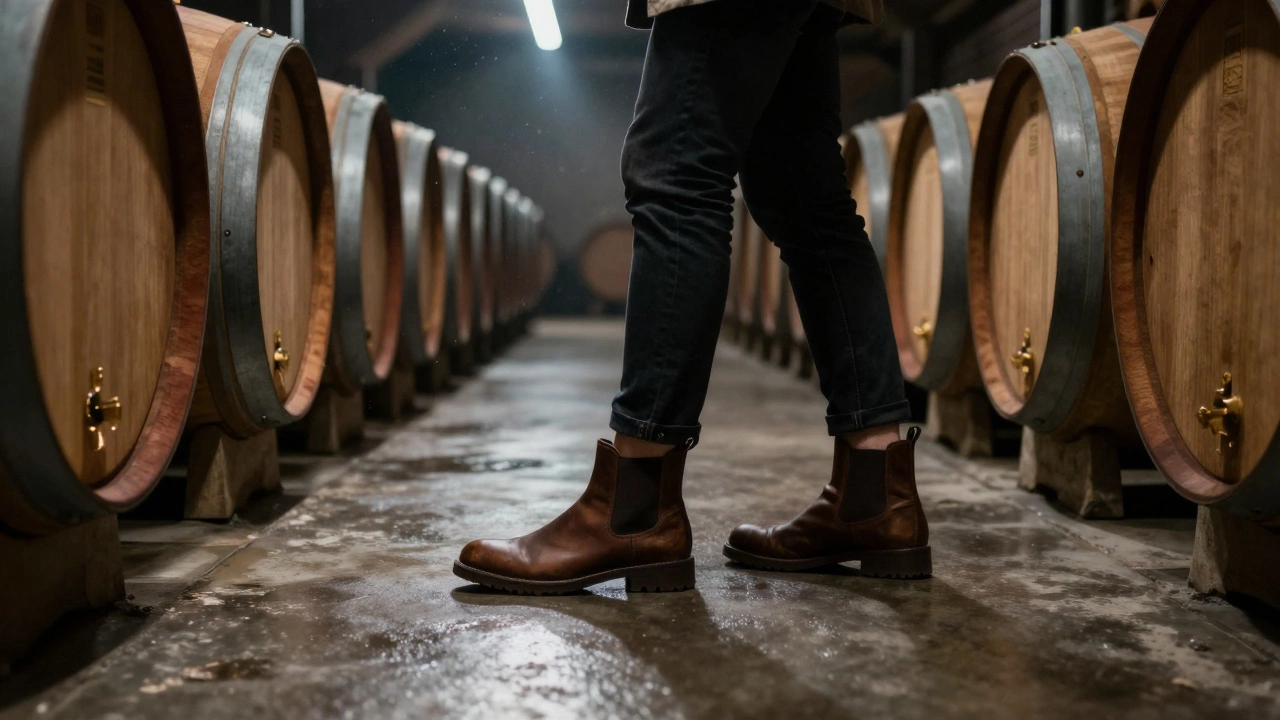
- The Cellar: Many estates offer tours of their barrel rooms or production facilities. These spaces are cool, damp, and strictly regulated for safety. Most require closed-toe shoes because of potential hazards like rolling barrels or slippery floors.
If your plan involves only sitting at a bar inside a modern tasting room, your options are wider. But if you’re doing a full-day tour that hops between all three zones, you need versatile footwear that can handle the transition without making you look like you gave up on effort.
Why Heels Are Your Enemy (And What to Wear Instead)
Let’s address the elephant in the room: high heels. They look chic in magazines, but in a vineyard, they are practically useless. Stilettos sink into grass. Thin wedges catch on tree roots. Even block heels can wobble on loose gravel. WineCountry.com and Lieb Cellars both warn against them explicitly because visitors constantly struggle with sinking heels on grassy paths.
So, what do you wear instead? Here are the top contenders that balance style and function:
- Loafers: These are the MVPs of winery footwear. They look polished enough for a nice lunch but have flat, grippy soles that won’t slip on wet stone. Leather loafers add a touch of sophistication without sacrificing stability.
- Ankle Boots: Especially Chelsea boots. Travel + Leisure experts swear by them. They provide ankle support, cover your toes (crucial for cellars), and handle mud better than almost anything else. Plus, they look great with jeans or a midi skirt.
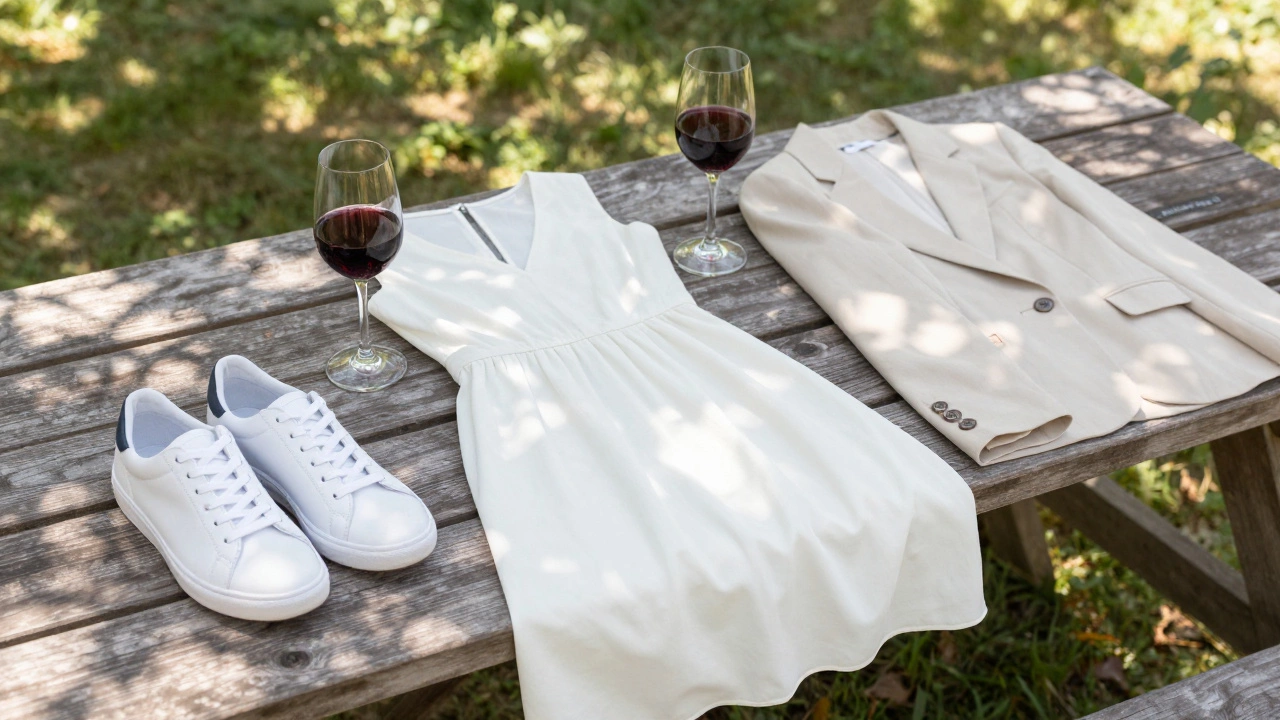
- Clean Sneakers: Don’t let anyone tell you sneakers are forbidden. In fact, "chic sneakers" or clean white tennis shoes are increasingly accepted, especially for vineyard walks. Oenotated Travel recommends them for luxury tours because they prevent you from sinking into dirt while keeping you looking put-together.
- Espadrilles: For summer visits, espadrilles offer a breezy, stylish option. Just make sure they have a sturdy sole rather than thin rope. They distribute weight well and look fantastic with light dresses.
Safety First: The Cellar Rule
Here’s a non-negotiable rule: if you plan to tour the cellar, you must wear closed-toe shoes. It’s not just a suggestion; many wineries enforce this strictly due to safety regulations. Bodegas Monje and other international estates advise warm, closed footwear because cellars are cold and damp. Open-toe sandals leave your feet exposed to cold air and potential slips on wet concrete.
Even if you arrive in sandals for the tasting room, keep a pair of flats or boots in your bag if you haven’t confirmed your itinerary. Some wineries allow cellar access only for groups wearing appropriate safety gear. Checking ahead saves you from being turned away at the door or having to stand awkwardly outside while everyone else enjoys the tour.
Style Tips: Building the Outfit Around Your Shoes
Fashion bloggers like Jillian Harris and Whiskey & Lace suggest building your outfit around your shoes, not the other way around. Since your footwear dictates what’s possible, start there.
For example, if you choose ankle boots, pair them with a flowing maxi dress or tailored trousers. This creates a balanced look that feels intentional. If you opt for clean sneakers, go for a casual-chic vibe with dark denim and a structured blazer. The goal is to look relaxed but refined. You don’t want to appear overdressed in a rustic setting, nor underdressed in a luxury lounge.
Consider the season too. Summer calls for breathable materials like canvas or light leather. Winter requires waterproofing and insulation. Rain is common in many wine regions, so water-resistant shoes can save your day-and your socks.
Comparison: Best Footwear Options for Winery Visits
| Shoe Type | Tasting Room | Vineyard Walk | Cellar Tour | Comfort Level |
|---|---|---|---|---|
| Stilettos | Yes | No (Sinks in grass) | No (Safety risk) | Low |
| Loafers | Yes | Yes | Yes | High |
| Ankle Boots | Yes | Yes | Yes | Very High |
| Clean Sneakers | Conditional | Yes | Yes | Very High |
| Open-Toe Sandals | Yes | No (Debris risk) | No (Cold/Danger) | Medium |
Common Pitfalls to Avoid
Don’t underestimate the amount of walking involved. Even if you think you’re just stopping for one glass, most wineries encourage exploring multiple rooms or gardens. Fatigue sets in quickly if your shoes aren’t supportive. Also, avoid brand-new shoes. Break them in before you go. Nothing ruins a wine experience faster than blisters.
Another mistake is ignoring the weather. Check the forecast. If rain is predicted, swap your suede loafers for waterproof alternatives. Mud stains are hard to remove and can ruin the mood. Finally, don’t forget about hygiene. Cellars can be dusty. Closed shoes protect your feet from debris and keep things cleaner overall.
Can I wear heels to a winery?
Generally, no. While you might manage in a paved tasting room, heels are dangerous and impractical for vineyard walks and cellar tours. Stilettos sink into grass, and even block heels can be unstable on gravel. Opt for flats, wedges, or low block heels if you must have some height, but prioritize stability.
Are sneakers acceptable at a winery?
Yes, especially clean, minimalist sneakers. Many modern wineries embrace a smart-casual vibe. White tennis shoes or sleek leather sneakers are perfect for vineyard walks and are widely accepted in tasting rooms, particularly in regions like Napa Valley or Australia's Barossa Valley.
Do I need closed-toe shoes for a cellar tour?
In most cases, yes. Cellars are industrial spaces with potential safety hazards like slippery floors and heavy equipment. Many wineries enforce a strict closed-toe policy for liability reasons. Additionally, cellars are cold, so open toes will leave your feet freezing.
What should I wear to a winery in summer?
Choose breathable materials like canvas, linen, or light leather. Espadrilles, loafers, and clean sneakers work well. Pair them with light dresses or shorts and a blouse. Avoid heavy boots unless you expect rain or are visiting a cooler climate region.
Is it rude to wear athletic shoes to a winery?
Not if they are clean and stylish. The key is avoiding bulky running shoes with bright neon colors. Minimalist sneakers blend in well. Most wineries care more about your behavior and respect for the venue than your specific shoe brand, as long as you look presentable.