Perfect Zero-Proof Vodka Substitute Finder
Here is the hard truth that most bar menus won’t tell you: there is no non-alcoholic spirit on the market today that tastes exactly like vodka. If you have spent years building a palate around the clean, neutral burn of distilled grain or potato spirit, going zero-proof feels like losing a flavor anchor. You want that crisp finish without the hangover, but water just doesn’t cut it in a martini.
The good news? The gap is closing fast. In 2026, we aren't just swapping vodka for juice anymore. We have engineered botanical blends, functional spirits, and clever sensory hacks that mimic the *experience* of drinking vodka-based cocktails. Whether you are driving, pregnant, or just cutting back, here is how to get close to that familiar taste without the alcohol.
Why Vodka Is So Hard to Replace
To find a substitute, you first need to understand what you are missing. Vodka is a distilled spirit known for its neutral flavor profile and high alcohol content, typically ranging from 35% to 50% ABV. Its primary job in a cocktail is not to add flavor-it is to add structure, heat, and a specific mouthfeel.
Alcohol acts as a solvent. It carries aromatics and creates a warming sensation in the throat that signals "spirit" to your brain. When you remove the ethanol, you lose that warmth and the way the liquid coats your tongue. Most early non-alcoholic attempts failed because they tried to replicate the *taste* (which is mostly neutral) rather than the *sensation*. The best modern alternatives focus on mimicking that tactile experience through texture, carbonation, and complex botanical bitterness.
Premium Alcohol-Free Spirits: The Closest Commercial Options
If you are willing to spend a bit more, two brands stand out in 2026 for their ability to function as direct vodka swaps in classic recipes.
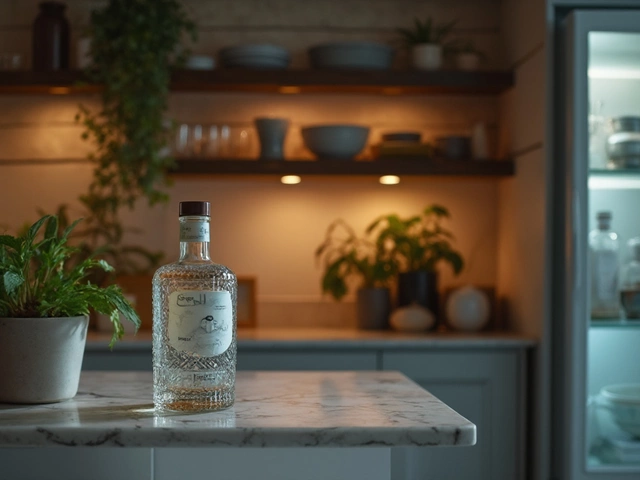
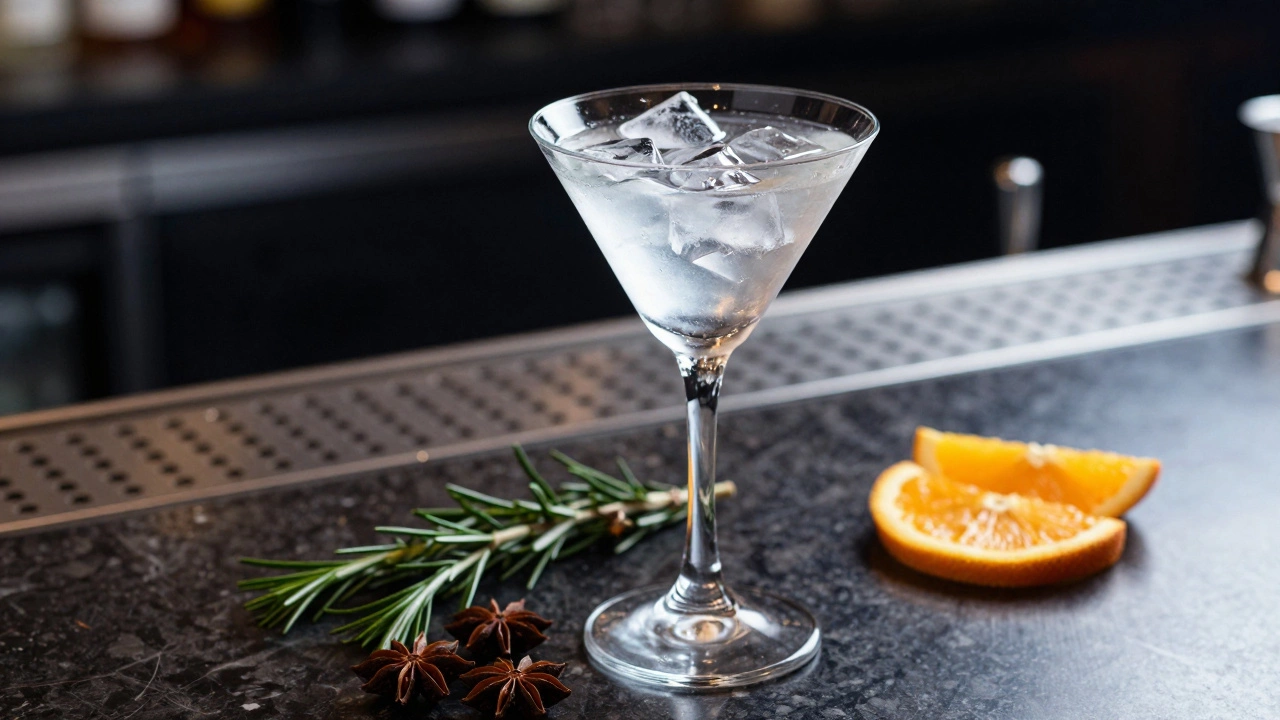
Clean V by Drink Clean is designed specifically to be mixed like classical vodka. It contains zero alcohol but uses vegetable glycerine to replicate the viscous mouthfeel of spirits. The flavor profile includes star anise, cinnamon, bitter orange, Sarawak black pepper, ginger, pimento, and rosemary. These ingredients provide a spicy, aromatic backbone that stands up to mixers like tonic or cranberry juice. It does not taste like vodka, but it behaves like it in a glass.
Aplós Calme positions itself as a premium, functional alternative. It features subtle hemp-infused notes alongside vibrant botanicals and bright citrus. While the hemp adds a calming effect, the flavor profile leans into herbal complexity rather than neutrality. It works well if you enjoy the idea of a "functional" drink that offers relaxation without intoxication. Both products prove that flavor engineering can create a convincing stand-in for vodka-based cocktails, even if they don't fool a blind taste test against the real thing.
| Product | Key Ingredients | Mouthfeel | Best For |
|---|---|---|---|
| Clean V | Star anise, ginger, rosemary, glycerine | Viscous, spirit-like | Classic martinis, bloody marys |
| Aplós Calme | Hemp, citrus, botanicals | Light, refreshing | Gin-style tonics, social sipping |
| Apple Juice | Natural apple sugars, tartness | Sweet, thin | Simple mixed drinks, casual gatherings |
| Soda + Lime | Carbonation, citric acid | Fizzy, sharp | Quick refreshment, psychological mimicry |
Kitchen Hacks: Simple Juice and Vinegar Swaps
You do not always need a fancy bottle. Sometimes, the simplest ingredients work best because they add actual flavor rather than trying to fake neutrality.
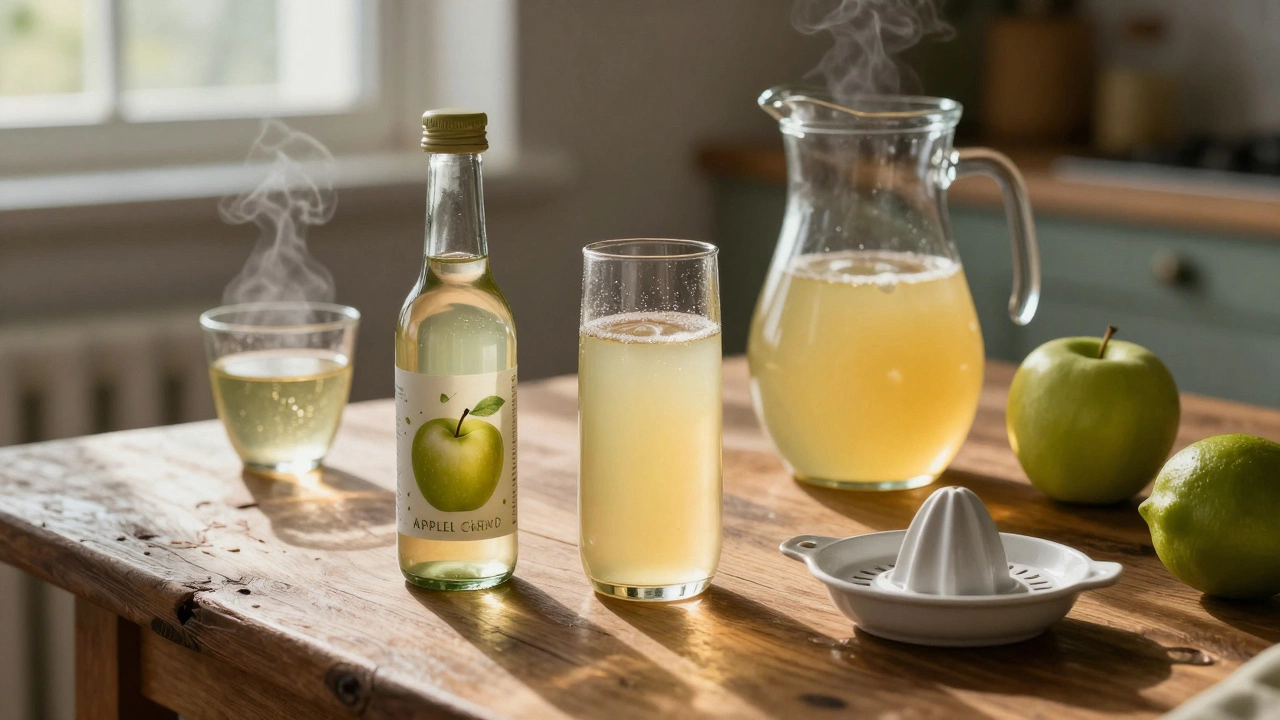
Apple Juice is a sedate, reliable alternative. Its natural sweetness and gentle tartness remind many drinkers of autumnal orchards. It lacks the bite of vodka, but it provides a solid base for mixing with ginger ale or sparkling water. If you are hosting a large group and want something accessible, apple juice is a safe bet.
Orange Juice brings vibrant citrus brightness. It captures the zesty essence often found in vodka-soda variations. While it is sweeter and less complex than a spirit, it delivers a fresh, clean finish that satisfies the craving for a citrus-forward drink.
For those who miss the sharp acidity of vodka, apple cider vinegar is a surprising contender. Used sparingly (a teaspoon per glass), it introduces a bold, tart depth that echoes the assertive qualities of a strong spirit. It pairs surprisingly well with cucumber and mint, creating a sophisticated, health-conscious mocktail that feels substantial rather than watery.
The Power of Sensory Mimicry: Carbonation and Bitters
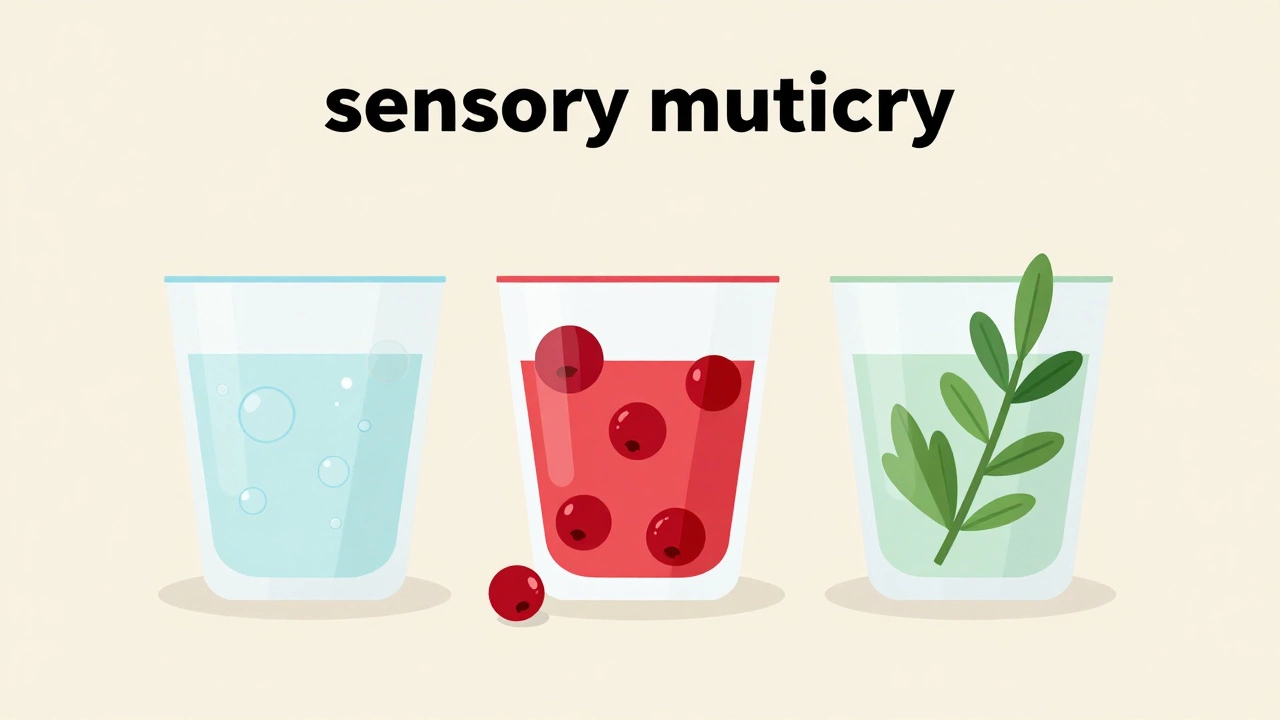
Sometimes, what you miss isn't the taste-it's the ritual. Sensory experts note that color, scent, and oral stimulation play huge roles in how satisfying a drink feels.
Carbonated water with lime is the ultimate low-effort hack. The bubbles provide enhanced stimulation in the oral cavity, mimicking the fizz of a champagne cocktail or the sharpness of a beer. Adding a splash of pomegranate or cranberry juice gives it color and a hint of tannin, making it look and feel more like a crafted beverage than plain water.
Bitters are another secret weapon. Traditional bitters contain about 35% alcohol, but using only a few dashes in a virgin drink will not intoxicate you. They provide a pungent, spicy kick from herbs and spices that cuts through sweetness. You can even make your own non-alcoholic bitters at home using kitchen spices like cinnamon, cardamom, mint, or basil. Steep these in hot water or vinegar, strain, and add a dash to your soda water. It adds the "bite" that makes a drink feel adult and complex.
Cultural Alternatives: Persian-Inspired Refreshers
Looking beyond Western spirits, traditional beverages offer unique ways to satisfy the craving for something sweet yet structured. A Persian-inspired drink made with rose water, apples, and cinnamon subtly mimics the sweet taste of many alcoholic libations.
To make this, boil dry rose petals or hibiscus in water to extract the flavor, then blend with shaved apples, crushed ice, and a touch of sugar. The result is frothy and reminiscent of a daiquiri, thanks to the ice-blending process. Apples provide fiber and vitamin C, while the rose water adds a floral elegance that feels luxurious without any alcohol content.
When You Still Want Alcohol: Gin, Pisco, and Tequila
If your goal is simply to break the monotony of vodka rather than go completely sober, consider switching spirits. Gin offers distinct botanical flavors that pair well with tonic and citrus. Pisco, a South American grape brandy, has a smooth, slightly sweet profile that is great for sipping or mixing. Tequila brings agave complexity and a different kind of heat. Each offers a unique experience that can reignite your interest in cocktails without relying on vodka’s neutral canvas.
How to Choose Your Substitute
Your choice depends on your priority. If you want the closest physical experience to vodka in a cocktail, go with Clean V or Aplós Calme. If you are looking for a healthy, simple option, try apple juice or cider vinegar mixes. For a quick psychological fix, soda water with bitters is hard to beat. Remember, the goal is not perfection-it is satisfaction. Experiment with these options to find what fits your lifestyle and taste buds.
Does Clean V actually taste like vodka?
No, it does not taste identical to vodka. However, it is formulated to mimic the mouthfeel and aromatic complexity of vodka, making it a suitable substitute in cocktails where vodka would normally be used. It contains botanicals like star anise and ginger rather than the neutral profile of traditional vodka.
Can I use apple cider vinegar in place of vodka?
Yes, in small amounts. Apple cider vinegar provides a sharp acidity that can mimic the bold spirit qualities of vodka. Use about one teaspoon per glass and balance it with sweeteners or mixers to avoid overwhelming tartness.
Are non-alcoholic bitters safe to consume?
Traditional bitters contain alcohol, but using a few dashes in a non-alcoholic drink will not cause intoxication. For a completely alcohol-free option, you can make homemade bitters using steeped spices and vinegar or water.
What is the best non-alcoholic substitute for a Bloody Mary?
Clean V works well due to its spicy botanical profile. Alternatively, a mixture of tomato juice, a splash of apple cider vinegar, Worcestershire sauce, and horseradish can recreate the savory, sharp experience without any spirit.
Why do carbonated drinks feel more like alcohol?
Carbonation provides oral stimulation and a tingling sensation that mimics the "bite" of alcohol. Combined with cold temperature and visual cues like clear liquids, it tricks the brain into expecting a stronger beverage.