Find Your Perfect Mocktail Match
Select your primary flavor preference to discover the perfect match.
Bitter & Herbal
Sophisticated, aperitif-styleFloral & Bright
Tart, aromatic, refreshingSavory & Spicy
Umami-rich, brunch vibesCoffee & Dessert
Rich, creamy, roastyTart & Funky
Probiotic, tangy, sharpTropical & Fruity
Sweet, balanced, classicRecommended Drink
Description goes here.
The "Science of Taste" Breakdown
- 1 Base: ...
- 2 Acid: ...
- 3 Complexity: ...
- 4 Texture: ...
Pro Tip
Tip goes here.
There is no single "best" mocktail. If you ask a bartender who loves bitter aperitifs, they will hand you a spritz. If you ask someone craving comfort, they’ll point to an espresso martini. The truth is that taste is subjective, but expert panels and professional mixologists have identified specific patterns that make certain non-alcoholic drinks consistently superior to the rest.
The biggest mistake people make when ordering or making a mocktail is expecting it to be just sweet juice with soda water. That’s why so many feel flat or childish. The best-tasting options follow the same structural rules as alcoholic cocktails: they balance sweetness with sharp acidity, add bitterness for complexity, and use texture (like carbonation or crushed ice) to keep your palate engaged. Here is how to find the one that tastes best to you.
The Science of a Great-Tasting Mocktail
To understand which drink wins on flavor, we have to look at how professionals build them. Joe Gitter, a respected bartender known for his non-alcoholic masterclasses, argues that a great mocktail isn’t about removing alcohol; it’s about balancing flavors without relying on ethanol to carry the taste. His formula is simple but effective: roughly half fruit juice and half very fizzy seltzer, plus one element for balance and one for complexity.
Why does this work? Fruit juice provides body and natural sugars. Seltzer adds a "prickly" texture that lifts aromatic compounds toward your nose, making the drink feel more substantial than plain juice. But the secret weapon is balance. Gitter often adds a small amount of lime juice to cut through sweetness and a dash of bitters or floral notes like rosewater to add depth. For example, his lychee highball uses 2.5 oz of lychee purée, balanced by 0.5 oz of lime juice and a quarter teaspoon of rosewater, topped with seltzer. This creates a layered experience rather than a one-note sugar rush.
If you are trying to decide what to order, look for drinks that mention these balancing elements. A drink described as "refreshing" usually has good acid-to-sweet ratio. One described as "complex" likely includes herbs, spices, or bitter botanicals.
Top Picks for Different Taste Profiles
Since "best" depends on your personal preference, here are the top-rated categories based on expert reviews and crowd-pleasing recipes.
For Fans of Bitter and Herbal Flavors
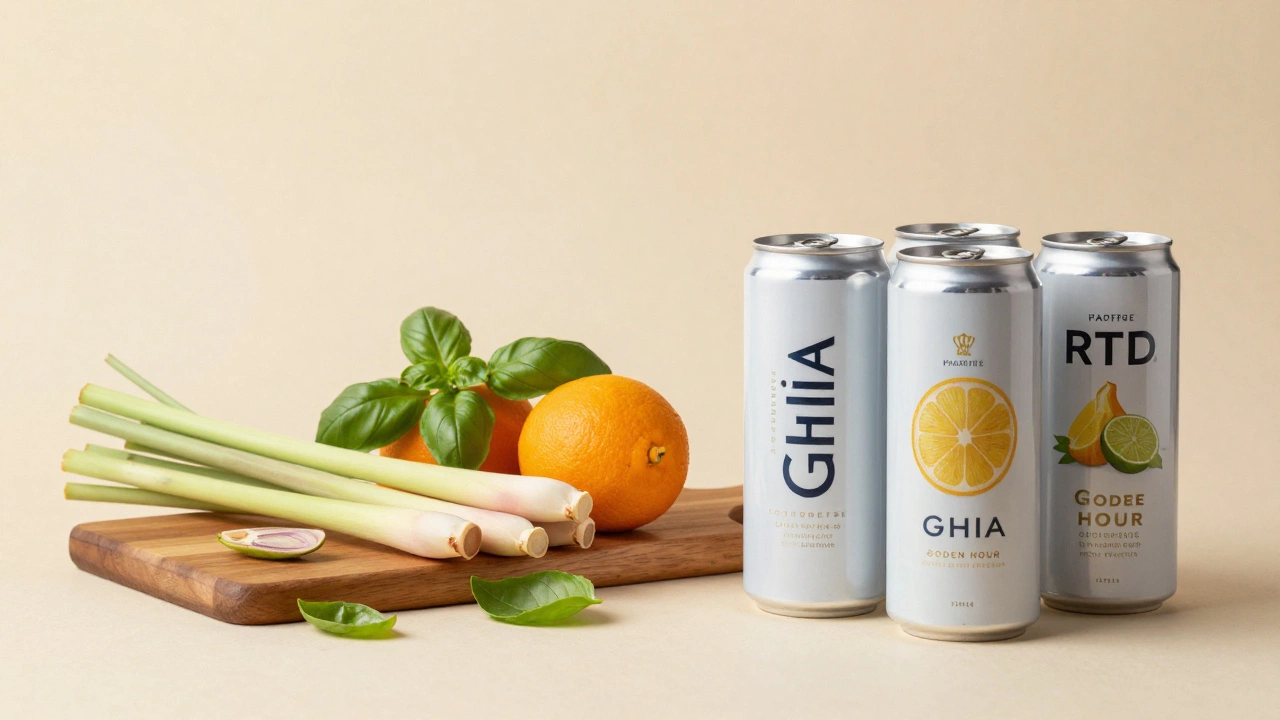
If you enjoy Aperol Spritzes or Negronis, you might find most mocktails too sweet. In this case, canned ready-to-drink (RTD) options from brands like Ghia are leading the pack. Tasting panels from sites like Sporked have highlighted Ghia Ginger Le Spritz as one of the best canned mocktails available. It leans heavily into bitterness and ginger heat, mimicking the adult, sophisticated profile of an aperitivo. This is a strong choice if you want something that doesn’t taste like a soft drink.
For Lovers of Bright, Floral Sodas
Recipe curators at 101 Cookbooks have compiled lists of "non-alcoholic cocktails everyone loves," and they frequently feature herbal and floral combinations. Two standout examples are the Rose & Rhubarb Soda and the Hibiscus, Lemongrass, Basil, and Honey Sweet Iced Tea. These drinks work because they pair tartness (from rhubarb or hibiscus) with aromatic herbs (rose, basil, lemongrass). They are less sugary than typical fruit punches and offer a sophisticated, grown-up flavor profile that appeals to a wide range of palates.
For Savory and Brunch Enthusiasts
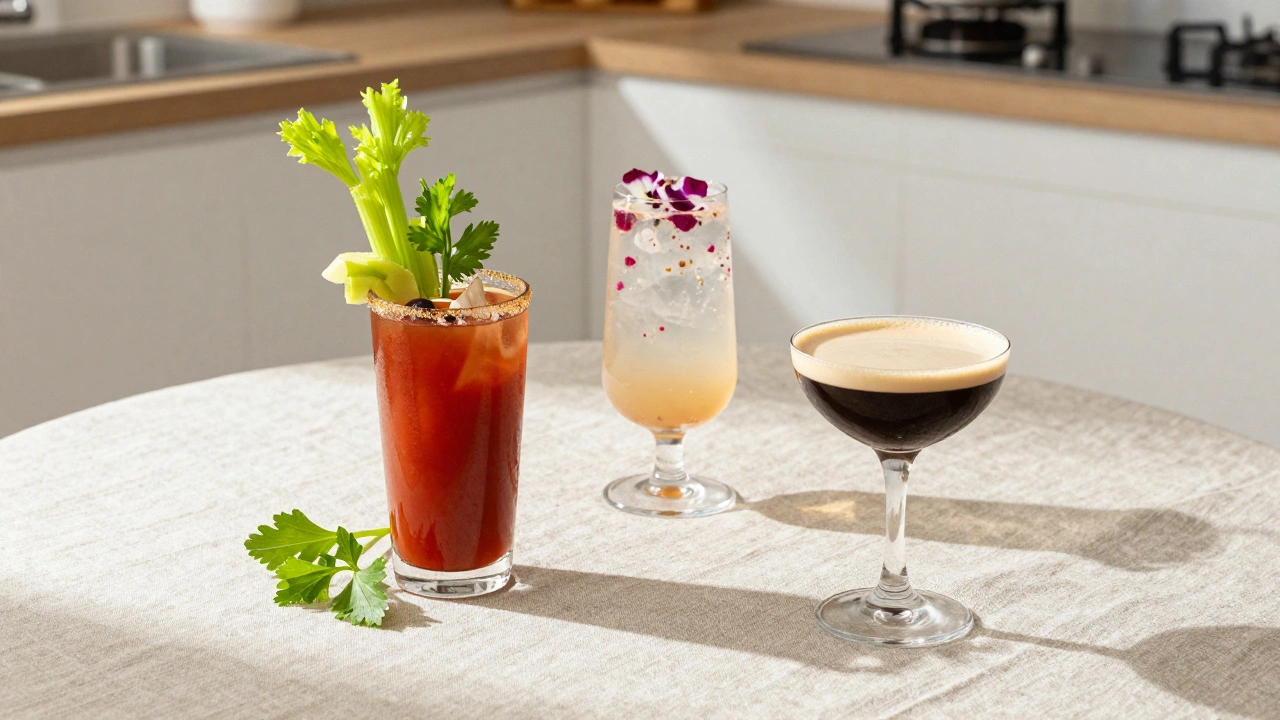
Not everyone wants something fruity. If you prefer savory notes, the Virgin Bloody Mary is arguably the best-tasting option for savory lovers. Mindful Mocktail highlights this as a key easy recipe because it relies on tomato juice, spices, and acidity rather than sugar. It pairs perfectly with brunch foods and offers a robust, umami-rich experience that stands up to heavy meals.
For Coffee and Dessert Lovers
If you miss the ritual of a cocktail after dinner, try an Espresso Martini Mocktail. This drink captures the bitter-roasty notes of coffee and the creamy texture of the original, often using chilled espresso and a touch of vanilla or coconut cream. It satisfies the craving for a dessert-like beverage without the sugar overload of a standard milkshake.
For Tart and Funky Preferences
Kombucha has become a popular base for mocktails because it brings natural carbonation, gentle acidity, and a slight funk. A Kombucha Mocktail with Raspberry and Lemon is a favorite among those who enjoy tangy, probiotic-rich drinks. The raspberry adds a berry sweetness, while the lemon cuts through the kombucha’s earthiness. Similarly, a simple three-ingredient cranberry mocktail leverages the natural tartness of cranberries to create a sharp, refreshing sipper that isn’t cloyingly sweet.
Homemade vs. Canned: Which Tastes Better?
This is a common debate. Homemade mocktails allow for precise control over ingredients, ensuring fresh citrus and proper dilution. However, high-quality canned RTDs have improved dramatically. Consumer Reports noted that some RTDs, like Golden Hour, a lemongrass-and-herb-infused aperitif, offer a competently balanced flavor that rivals homemade versions.
The advantage of canned options is consistency and convenience. You don’t need to squeeze limes or muddle herbs. The disadvantage is that many lower-tier RTDs rely on artificial sweeteners or syrups, resulting in a one-dimensional taste. When choosing a canned drink, check the ingredient list. Look for real fruit juices, botanical extracts, and minimal added sugars. Brands that prioritize bitter and herbal notes tend to avoid the "syrupy" trap that plagues sweeter competitors.
How to Build Your Own Best-Tasting Mocktail
You don’t need to buy expensive products to get a great taste. Using Joe Gitter’s principles, you can create a balanced drink at home. Here is a simple checklist:
- Base (50%): Use a flavorful fruit juice or purée. Lychee, pineapple, and orange work well because they have distinct aromatics.
- Acid (10-15%): Add fresh citrus juice. Lime is versatile, but lemon works for lighter fruits. Aim for about 0.5 oz per serving.
- Complexity (Small Amount): Add a dash of bitters, a splash of rosewater, or a spice syrup. This prevents the drink from tasting like juice.
- Fizz (Remaining Volume): Top with high-quality seltzer. The carbonation lifts the aromas and cleanses the palate.
- Texture: Use crushed ice if you want a faster melt and a "crunchy" mouthfeel, or large cubes for slower dilution.
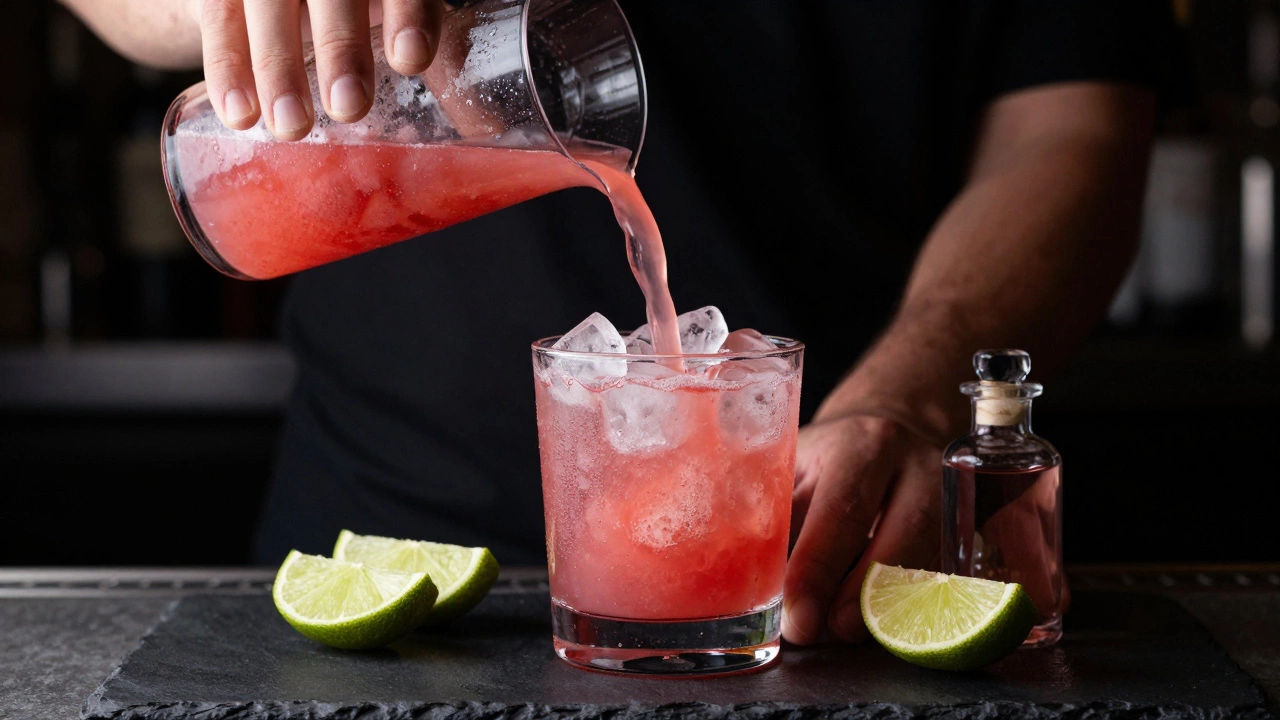
For example, a tropical sling can be made with 2.5 oz orange juice, 2.5 oz pineapple juice, a squeeze of lime, and seltzer. Shake it gently to combine without losing carbonation, then strain over crushed ice. The result is a bright, complex drink that feels like a proper cocktail.
Common Mistakes to Avoid
Even experienced home bartenders make errors that ruin the taste. The most common is oversweetening. Because there is no alcohol to provide a burning sensation or bitterness, people often add too much syrup. Resist this urge. Let the natural tartness of the fruit shine through. Another mistake is ignoring temperature. Serve mocktails cold, but not freezing. Over-chilling can numb your taste buds, masking the subtle herbal and floral notes that make a drink special.
Finally, don’t neglect garnishes. A sprig of basil, a slice of cucumber, or a twist of lime peel releases essential oils that enhance the aroma. Since smell is a huge part of taste, a good garnish can elevate a decent mocktail to a great one.
What is the number one best-tasting mocktail?
There is no single number one, as taste is subjective. However, expert panels often cite Ghia Ginger Le Spritz for its bitter, aperitif-style complexity, while recipe curators highlight Rose & Rhubarb Soda for its broad appeal among those who prefer floral and tart flavors.
Are canned mocktails as good as homemade ones?
High-quality canned mocktails can be comparable to homemade ones, especially if they use real botanicals and juices. Brands like Ghia and Golden Hour have received positive reviews for their balanced flavors. However, homemade drinks allow for fresher ingredients and customizable sweetness levels.
Why do some mocktails taste like just juice?
They lack balance. A good mocktail needs acidity (like lime), bitterness (like bitters or ginger), and texture (carbonation) to complement the sweetness of the fruit. Without these elements, the drink becomes one-dimensional and overly sweet.
What is the best mocktail for brunch?
The Virgin Bloody Mary is widely considered the best brunch mocktail due to its savory, spicy profile that pairs well with eggs and bacon. For a lighter option, a Hibiscus and Lemongrass Iced Tea offers a refreshing, tart alternative.
Can I make a mocktail that tastes like a cocktail?
Yes. By following the principle of balance-using equal parts juice and seltzer, adding fresh citrus for acid, and including a bitter or aromatic element like bitters or herbs-you can create a complex, cocktail-like experience without alcohol.