Whisky Dilution Simulator
Explore the "sweet spot" of dilution. Adjust the amount of water added to a standard pour to see how it impacts aroma release and flavor distinctiveness.
Adjust Your Pour
Current State:
Sensory Analysis
Subtle notes are masked by alcohol burn.
One-dimensional experience due to saturation.
You’re at a bar, or maybe you’ve just uncorked a nice bottle at home. You pour yourself a dram, take a sip, and then watch someone else drop a tiny amount of water into their glass before they even smell it. It looks like a ritual, almost like magic. Does it actually change anything, or is it just pretentious posturing? The short answer is: it’s real chemistry, not theatre. Adding a drop of water to whisky isn’t about watering down your drink; it’s about unlocking flavors that are literally trapped inside the alcohol.
Whisky is a complex mixture of ethanol, water, and hundreds of flavor compounds. When you drink it neat (undiluted), many of these aromatic molecules are locked away. By adding a small amount of water, you disrupt the molecular structure of the liquid, allowing those hidden notes to escape into the air so your nose can detect them. This process, known as "opening up" the whisky, transforms a harsh, boozy burn into a nuanced sensory experience.
The Chemistry of the Drop: How Ethanol Hides Flavor
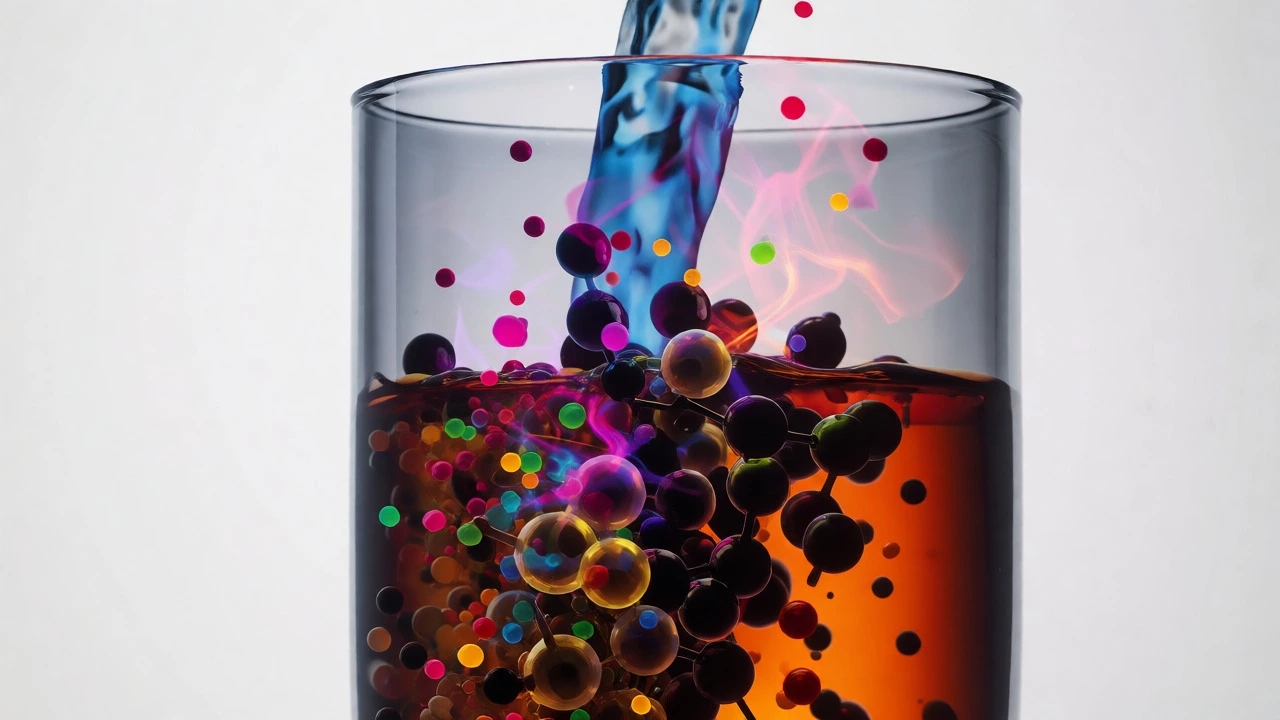
To understand why this works, you have to look at what whisky is made of. It’s primarily ethanol and water, but the character comes from trace compounds called congeners-esters, aldehydes, and phenols created during fermentation and aging. Many of these flavor molecules are hydrophobic, meaning they hate water and love alcohol. In a high-alcohol environment (like a 40-60% ABV spirit), ethanol molecules cluster together in structures called micelles. Think of these micelles as tiny protective bubbles that trap hydrophobic flavor compounds inside them, keeping them dissolved in the liquid rather than floating above it.
When you add water, you break up these ethanol clusters. As the concentration of alcohol drops, the hydrophobic flavor molecules lose their comfortable hiding spots. They are forced out of the solution and rise to the surface, where they evaporate more easily. This increase in volatility means more aroma reaches your nose when you sniff the glass. A study published by Washington State University in 2023 confirmed this mechanism, showing that dilution significantly increases the presence of fruity esters in the headspace-the air directly above the liquid-while decreasing some of the harsher alcohol notes.
What Happens to Your Nose? The Sensory Shift
Your sense of smell does most of the heavy lifting when you taste whisky. If the aromas don’t reach your olfactory receptors, you miss out on vanilla, oak, fruit, smoke, and spice. Without water, high-proof whisky can overwhelm your senses with ethanol vapor, which numbs your nose slightly and masks subtler scents. This is often described as "alcohol burn," but scientifically, it’s a saturation effect.
Adding water reduces this saturation. According to research led by Tom Collins at WSU, analyzing 25 different whiskies ranging from bourbon to single malt Scotch, dilution shifts the profile from chemical and solvent-like notes to more pleasant pome-fruit and cedar aromas. For example, peaty Scotches might lose some of their aggressive smokiness and gain a sweeter, fruitier edge. Bourbons may shift from dominant oak tannins to softer cedar and vanilla tones. Essentially, water acts as a filter, dampening the harshness while amplifying the complexity.
How Much Water Is Too Much?
This is where enthusiasts get heated. Some purists insist on neat pours only, arguing that any dilution ruins the distiller’s intent. Others splash generously. Science offers a middle ground. The same WSU study found that there is a sweet spot. Up to about 20% added water (roughly a 4:1 ratio of whisky to water) enhances distinctiveness and aroma. However, once you cross that threshold, something interesting happens: all whiskies start to smell similar.
At 60% whisky and 40% water, trained panelists could barely tell the difference between a cheap blend and a premium single malt. The unique chemical signatures that define specific styles get washed out. So, if you want to appreciate the specific character of an Islay peat bomb versus a Kentucky bourbon, keep the water minimal. Two to five drops are usually enough for a standard 30ml pour. If you’re drinking cask-strength whisky (often 55-60% ABV), you might need more-perhaps a teaspoon-to bring it down to a palatable level where flavors can emerge without burning your palate.
Practical Guide: How to Taste with Water
If you’ve never tried this, don’t just dump water in blindly. Treat it like an experiment. Here is a simple method to find your ideal balance:
- Pour Neat: Start with a clean glass and pour your usual measure. Smell and taste it first. Note the intensity of the alcohol and any initial flavors.
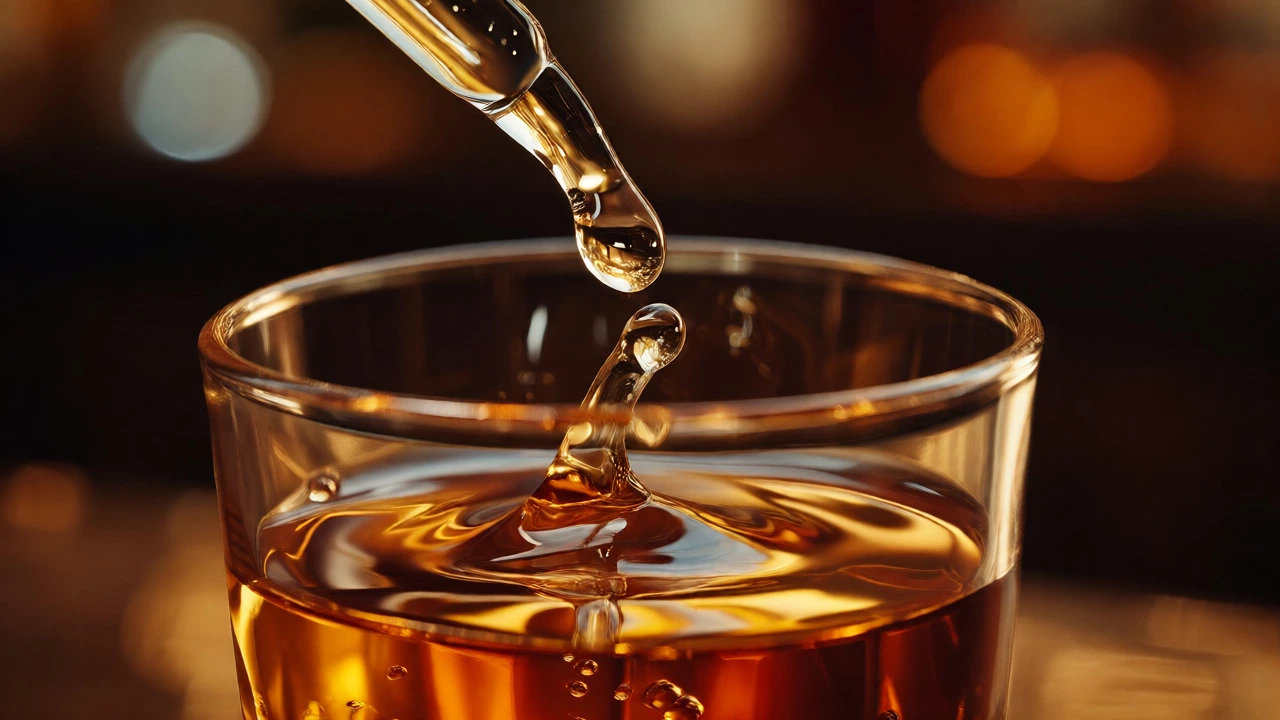
- Add Drops: Use a pipette, a straw, or simply tap a wet finger against the rim of the glass. Add two or three drops of room-temperature water. Avoid ice-cold water initially, as temperature also affects volatility.
- Wait and Swirl: Give the glass a gentle swirl. Wait ten seconds. This allows the new equilibrium to settle and the volatiles to rise.
- Re-evaluate: Smell again. Do you notice more fruit, spice, or sweetness? Take another sip. Has the burn decreased? Did new flavors appear on the finish?
- Adjust: If nothing changed, add one more drop. If it tastes thin or watery, you’ve gone too far. Next time, start with fewer drops.
Water quality matters, too. Tap water with heavy chlorine or mineral content can introduce off-flavors. Filtered or spring water is generally safer for preserving the integrity of the whisky.

Myths and Misconceptions
A common myth is that adding water is a sign of weakness or ignorance. Historically, distillers themselves used water to adjust strength before bottling. Another misconception is that ice is the same as water. Ice cools the whisky, which suppresses aroma release. Cold liquids hold onto volatile compounds tighter than warm ones. So, while ice makes whisky easier to gulp, it actually hides flavor. If you want to taste, use room-temperature water, not ice.
Also, not every whisky needs water. Delicate lowland Scotches or lighter Irish whiskeys bottled at 40% ABV might already be balanced perfectly. Heavy peated malts, high-proof bourbons, or cask-strength releases benefit most from dilution. Listen to the whisky. If it screams alcohol, give it a drink. If it whispers complexity, let it speak softly.
Key Takeaways
- Unlock Aroma: Water breaks ethanol bonds, releasing trapped flavor molecules into the air.
- Reduce Burn: Dilution lowers the immediate impact of ethanol vapors, protecting your nose and palate.
- Find the Sweet Spot: Less than 20% dilution enhances uniqueness; more erases style differences.
- Start Small: Begin with 2-3 drops for standard bottles; use more for cask-strength spirits.
- Temperature Matters: Room-temp water opens flavors; ice closes them down.
| Dilution Level | Aroma Impact | Flavor Perception | Best For |
|---|---|---|---|
| Neat (0% Water) | High ethanol vapor; potential masking of subtle notes. | Burny, intense, potentially one-dimensional. | Low-proof blends, delicate styles. |
| Moderate (2-5 Drops / ~5%) | Increased fruit/ester volatility; reduced harshness. | Balanced, complex, smoother finish. | Standard 40-46% ABV bottlings. |
| High (~20% Water) | Maximized extraction of hydrophobic compounds. | Very smooth, but risk of losing distinct character. | Cask-strength (55%+ ABV) whiskies. |
| Excessive (>20% Water) | Aromas converge; distinct styles become indistinguishable. | Thin, watery, muted flavors. | Cocktails, not sipping. |
Does adding water ruin expensive whisky?
No, it doesn't ruin it. In fact, many master blenders recommend adding a few drops to expensive, cask-strength whiskies to make them more approachable. The goal is to enhance appreciation, not diminish value. Just be careful not to over-dilute, which can wash out the nuances you paid for.
Is ice better than water for tasting?
For tasting, no. Ice chills the whisky, which suppresses the evaporation of aromatic compounds. This means you smell less, even though the alcohol burn feels lower. Water at room temperature releases aromas while reducing burn, making it superior for evaluating flavor profiles.
How many drops should I add to a 40% ABV whisky?
Start with two to three drops per 30ml (one ounce) pour. This is usually enough to open up the nose without altering the mouthfeel drastically. Taste after each addition. If the whisky still burns, add one more drop. If it tastes flat, you've added too much.
Why do some people say water makes whisky taste worse?
Some drinkers prefer the raw intensity of high-proof alcohol. Additionally, if too much water is added, the whisky loses its viscosity and body, feeling "thin" in the mouth. Over-dilution also merges distinct flavor profiles, making a complex single malt taste generic. Personal preference plays a huge role here.
Does the type of water matter?
Yes. Chlorinated tap water can introduce unpleasant chemical notes that clash with the whisky's natural esters. Spring water or filtered water with neutral pH is best. Mineral-heavy water might alter the perception of sweetness or bitterness, depending on the specific ions present.