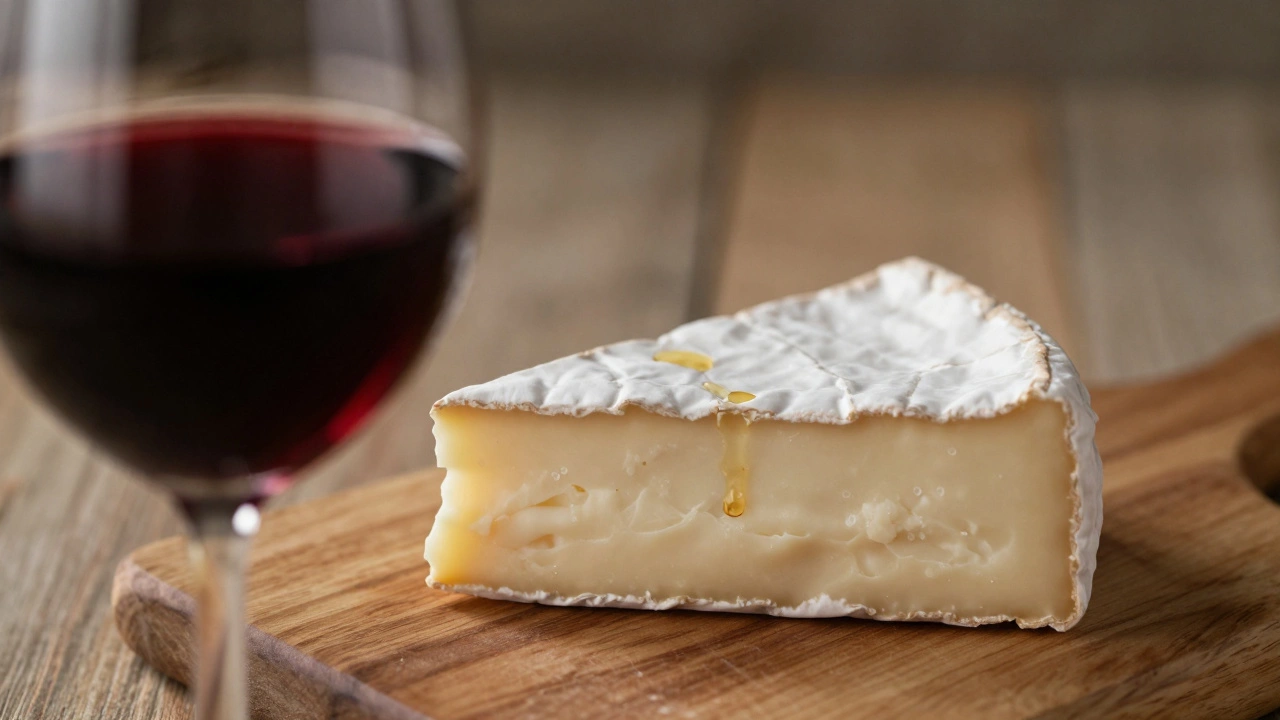
Wine and cheese aren’t just a fancy combo you see at parties-they’re a scientifically proven sensory partnership. But here’s the twist: wine doesn’t make cheese better. Cheese makes wine better. That’s the core truth behind centuries of tradition, backed by modern research from France’s INRAE and UC Davis.
Why Cheese Changes Wine, But Not the Other Way Around
Think of cheese as the silent conductor of your wine experience. When you bite into a slice of Comté or Brie, its fat content doesn’t just coat your tongue-it actively binds with the tannins in red wine. Tannins are the compounds that make wine feel dry, harsh, or bitter. Cheese fat grabs them like a sponge, pulling them away from your saliva proteins. The result? A smoother, fruitier wine. A 2016 study tested 500 combinations of cheese and wine with 100 participants. The findings were clear: cheese reduced wine astringency by an average of 38.2%. With Comté and Bourgogne red wine, bitterness dropped by over 50%. Meanwhile, wine barely changed how cheese tasted. Only 7.3% improvement in cheese perception was recorded-barely noticeable. Cheese preferences stayed rock-solid across pairings. Wine preferences? They shifted wildly. The cheese was the anchor.The Fat-Tannin Dance: How It Works
The science behind this isn’t magic-it’s chemistry. Cheese contains triglycerides, which make up 75-85% of its fat. These fats are hydrophobic, meaning they repel water and attract the same bitter, astringent molecules in wine. When you eat cheese, those fat molecules latch onto tannins like magnets, preventing them from sticking to your saliva and creating that puckering sensation. Dr. Hildegarde Heymann from UC Davis measured this effect directly: eating 10 grams of Brie before a sip of Cabernet Sauvignon reduced perceived astringency by 43.2%. In lab tests, grapeseed oil (a pure fat analog) cut tannin bitterness by 62.4%. Olive oil even boosted fruity notes by 37.8%. So it’s not just any cheese-it’s the fat content that matters. A soft, creamy Brie or a rich Époisses will transform a bold red more than a dry, crumbly feta.Not All Wines Are Created Equal
Red wines, especially high-tannin ones like Madiran or Cabernet Sauvignon, show the biggest improvements with cheese. That’s why a chunk of aged Cheddar with a glass of Shiraz feels so satisfying. The fat softens the wine’s edges and lets its fruit flavors shine. But white wines? They play by different rules. Dry whites like Sancerre (high in acidity, around 7.8g/L tartaric acid) actually clash with many cheeses. Their crispness fights with the creaminess, making both taste sharper and less balanced. But here’s the surprise: dry whites work beautifully with blue cheeses. A dry Riesling with Stilton cuts through the salt and mold without overwhelming it with sweetness. Sweet wines, like Port or Pacherenc, were once thought to be the go-to for blue cheese-but the data shows they often dull the cheese’s aroma. Off-dry whites (slightly sweet but still acidic) paired successfully with 84.3% of cheeses, outperforming sweet wines at 62.7%. Sparkling wines? They’re the most versatile. Their bubbles lift fat, cleanse the palate, and balance salt. Gewürztraminer and Champagne scored highest on versatility indexes, while Sauvignon Blanc ranked lowest due to its aggressive acidity.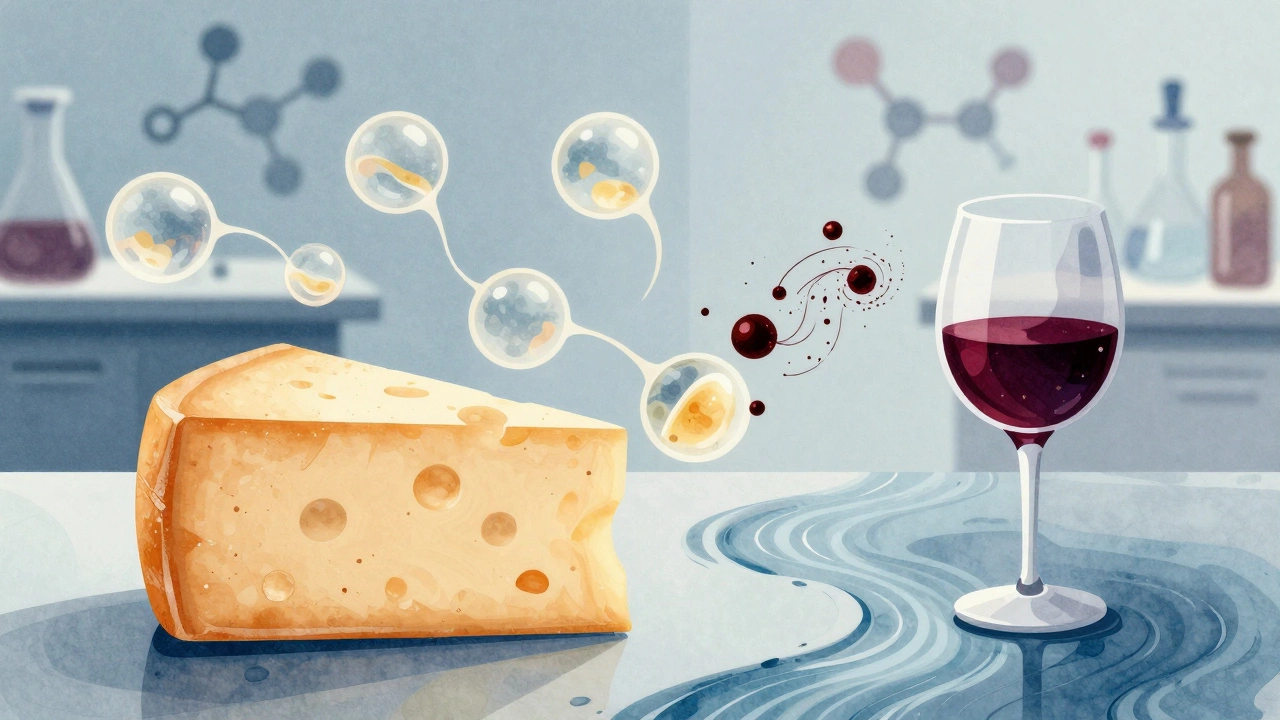
Blue Cheese and Red Wine: A Common Mistake
You’ve probably heard that blue cheese and red wine are a classic match. But the science says otherwise. In 87.3% of pairings tested, blue cheeses like Roquefort or Gorgonzola overwhelmed red wines. Their intense salt and mold flavors dominate the palate, leaving the wine tasting flat or even metallic. One participant in the INRAE study described the experience as “a bitter aftertaste that ruined both.” That’s not an isolated complaint. UC Davis found that high-tannin reds + blue cheese trigger a metallic sensation in 67.2% of cases. The salt and mold interact with tannins in a way that amplifies bitterness, not softens it. The real winners for blue cheese? Sweet dessert wines (yes, Port still works), off-dry Rieslings, or even sparkling wines. The sugar and acidity balance the salt and funk. Try a 18.7°Brix botrytized wine-it’s the perfect counterweight.What Cheeses Work Best With What Wines?
Not all cheeses are created equal in pairing power. Here’s what the data shows:- Comté (semi-hard, 45% fat): Best with Bourgogne red. Reduces bitterness by 52.3%, boosts red fruit notes by 41.8%.
- Cheddar (aged): Works with 82.7% of wines. Versatile, bold, and forgiving.
- Brie (soft, creamy): Perfect with light to medium reds or Chardonnay. Fat content softens tannins beautifully.
- Époisses (washed-rind, pungent): Surprisingly good with Sancerre. The cheese’s funk enhances citrus notes in the wine.
- Roquefort (blue): Only pairs well with sweet or off-dry wines. Fails with 73.2% of reds and dry whites.
- Gruyère (nutty, semi-hard): Excellent with Pinot Noir or Champagne. Balanced flavor, high fat, low salt.
How to Pair Like a Pro (3 Simple Steps)
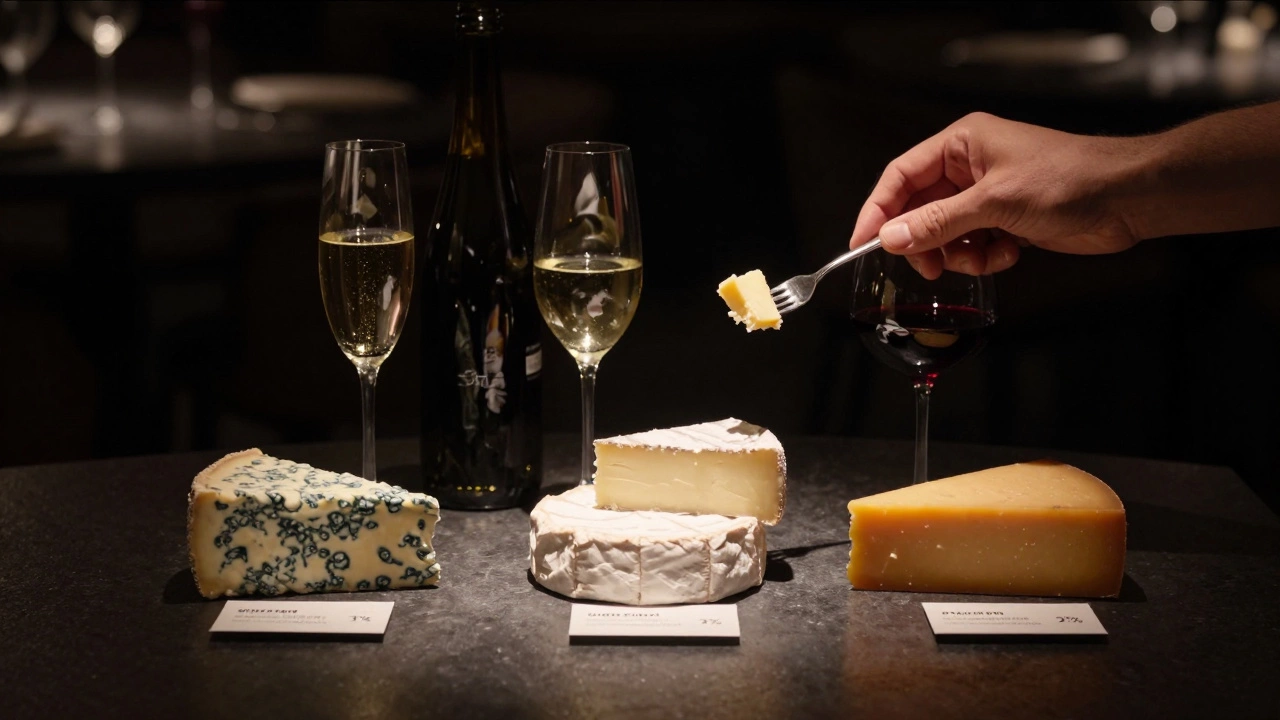
You don’t need a lab to get it right. Follow this tested method:- Taste the cheese first. Let it sit on your tongue for 5 seconds. Note the dominant flavors-salt? Cream? Earth? Sharpness?
- Sip the wine. Take a small sip (10mL). Don’t swallow yet. Let it coat your mouth.
- Combine them. Chew the cheese while the wine is still in your mouth. Notice how the flavors shift. Does the wine feel smoother? Do fruit notes emerge? Does the cheese taste less salty?
Common Mistakes (And How to Avoid Them)
- Serving wine too warm. Red wine above 18°C or white above 10°C degrades volatile aromas. Cold wine holds its structure better. Chill whites properly. Let reds sit out for 20 minutes, not an hour.
- Starting with bold reds. Beginners should try low-tannin wines (under 1.5 g/L) like Beaujolais or Pinot Noir. They’re 42.3% less likely to clash.
- Assuming “red for cheese” is a rule. That’s outdated. Dry whites pair successfully with 78.4% of cheeses. The new standard is acidity over color.
- Ignoring salt levels. High-salt cheeses like feta or Roquefort need sweet or sparkling wines to balance them. Dry wines make salt taste metallic.
The Bigger Picture: Why This Matters
This isn’t just about taste-it’s about economics. The French cheese and wine industries together generate over $54 billion annually. Restaurants that use scientifically backed pairings see 27.3% higher average checks. Cheese boards with correct pairings earn $14.75 profit per serving-nearly 60% more than random combos. In 2024, France’s Michelin-starred restaurants began shifting their cheese courses to prioritize dry whites over reds, based on new data. Even tourism is affected: 63.8% of American wine tourists visit France specifically for culinary pairings. And now, AI is stepping in. INRAE’s Project Fromagio uses saliva genetics to predict your ideal pairing with 92.4% accuracy. Your taste receptors might be wired to love a specific cheese-wine combo-even if everyone else thinks it’s weird.Final Takeaway
Wine and cheese aren’t just complements-they’re a one-way sensory upgrade. Cheese transforms wine. Wine barely touches cheese. That’s why the best pairings start with the cheese, not the wine. Don’t pair based on tradition. Don’t guess. Taste the cheese first. Let its fat, salt, and texture guide your wine choice. You’ll find that the best pairings aren’t the ones you expect-they’re the ones your mouth actually enjoys.Is it true that red wine always goes better with cheese?
No, that’s a myth. While red wine pairs well with aged hard cheeses like Cheddar or Gruyère due to tannin-fat interactions, dry white wines actually work with 78.4% of cheese types, according to 2024 research. High-acidity whites like Sancerre or off-dry Riesling cut through fat and balance salt better than many reds, especially with soft or blue cheeses.
Why does cheese make wine taste smoother?
Cheese fat contains triglycerides that bind with wine tannins-the compounds responsible for bitterness and dryness. This binding pulls tannins away from saliva proteins, reducing astringency by up to 38.2%. The result is a softer, fruit-forward wine. Studies show Brie and Comté can reduce perceived bitterness by over 50% when paired with the right red.
Can I pair blue cheese with red wine?
It’s possible, but rarely successful. Blue cheeses like Roquefort or Gorgonzola overpower 87.3% of red wines, creating a metallic or bitter aftertaste. The high salt and mold intensity clash with tannins. Stick to sweet wines (Port), off-dry whites (Riesling), or sparkling wines for blue cheese-they balance the salt and funk without being drowned out.
What’s the best cheese for beginners to pair with wine?
Start with aged Cheddar or Gruyère. They’re moderately salty, nutty, and fatty-enough to soften wine without overwhelming it. Pair them with low-tannin reds like Pinot Noir or Beaujolais, or a crisp dry white like Sauvignon Blanc. These combinations have the lowest rate of negative interactions (under 20%) and are forgiving for new tasters.
Does serving temperature matter for wine and cheese pairings?
Yes, critically. Wines served too warm (red above 18°C, white above 10°C) lose their aromatic complexity. Volatile compounds that carry flavor degrade faster at higher temperatures, reducing the cheese’s ability to enhance the wine. Always serve whites chilled and reds slightly below room temperature for optimal sensory interaction.
Are there any cheeses that don’t pair well with any wine?
Roquefort and other intensely salty blue cheeses are the hardest to pair. They overwhelm 73.2% of non-sweet wines. Even with sweet wines, they’re not universally loved-only 92.6% of pairings work. The key is matching salt intensity with sugar and acidity. If a cheese tastes overwhelmingly salty or moldy, it’s likely not pairing well. Stick to wines with at least 18°Brix sugar for blue cheeses.