Beer Infection Diagnostic Tool
Suspect your batch has been infected? Select the symptoms you are observing to identify the likely culprit and determine if your beer is salvageable.
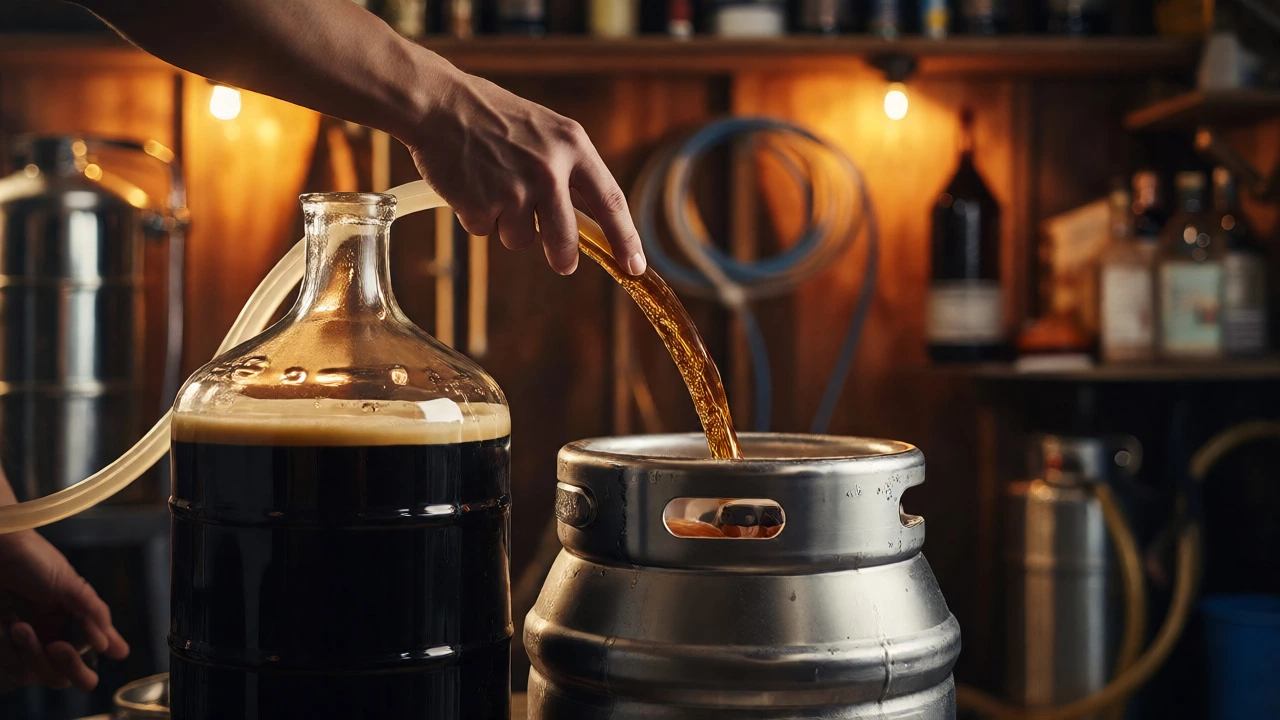
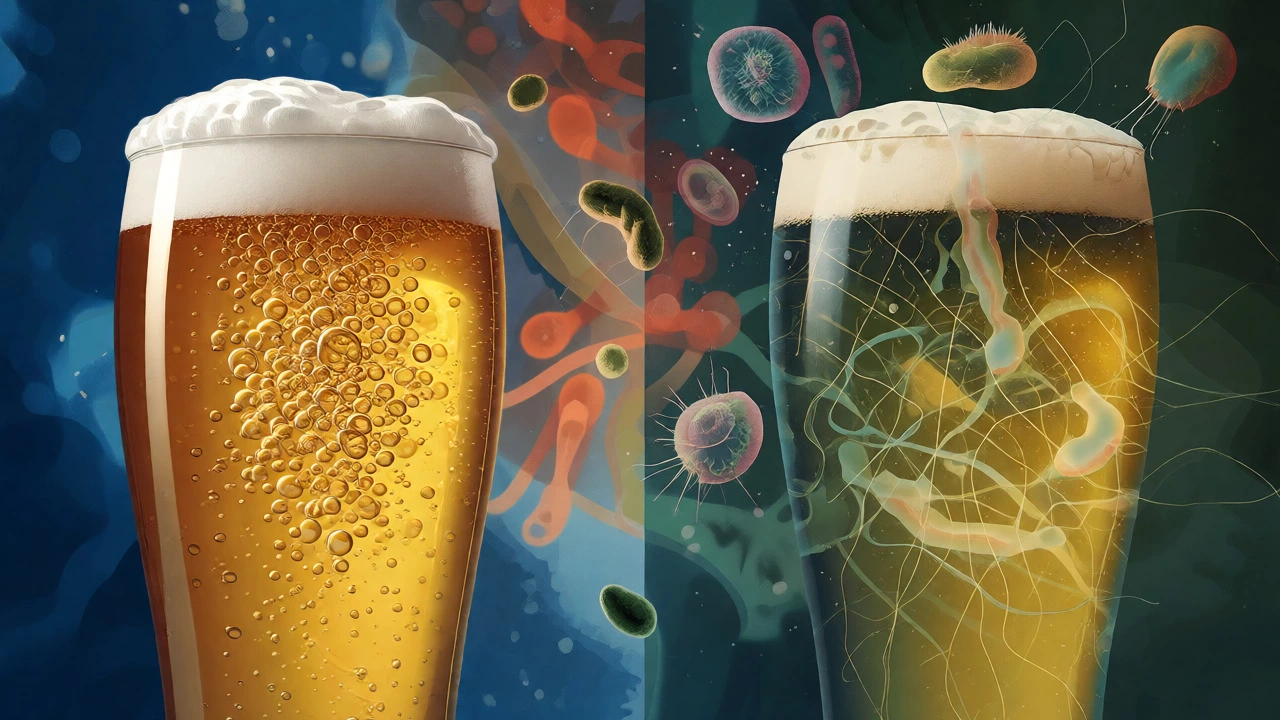
You just racked your stout into a keg, feeling pretty good about the clear, dark liquid. Two weeks later, you pull a pint, and it tastes like vinegar mixed with old gym socks. Did you mess up the boil? Did your yeast die? Or did something sneak in after the heavy lifting was done? The short answer is yes: beer can absolutely get infected after fermentation. In fact, most infections happen on the "cold side" of brewing-during transfers, conditioning, and packaging-rather than during the hot boil.
If you are using home brewing kits, this risk is real but manageable. Understanding when and how microbes attack finished beer saves you from dumping good batches or drinking off-flavored ones. Here is exactly what happens when post-fermentation infection strikes, how to spot it, and whether you should drink it or dump it.
Why Finished Beer Is Still Vulnerable
Once your wort boils, it is sterile. But as soon as it cools below 80°F (27°C), it becomes a buffet for bacteria and wild yeasts. During active fermentation, your healthy yeast colony produces alcohol and CO2, creating an environment that suppresses many competitors. But once fermentation slows or stops, that protection weakens.
The biggest misconception is that alcohol kills everything instantly. It doesn't. While alcohol inhibits many pathogens, specific beer-spoiling organisms thrive in low-pH, alcoholic environments. If you introduce these microbes during racking, bottling, or kegging, they have free rein to metabolize residual sugars and proteins. This is why hygiene on the cold side matters more than people think. A dirty spigot or a scratched plastic bucket can ruin a batch that fermented perfectly.
The Usual Suspects: Who Ruins Your Brew?
Not all contaminants are created equal. Knowing the culprit helps you diagnose the problem and decide if the beer is salvageable. Here are the main players in post-fermentation infections:
- Lactobacillus: This lactic acid bacteria is famous for sourness. It turns sugars into lactic acid, giving beer a tangy, yogurt-like flavor. In small amounts, it’s intentional in sours; in clean beers, it’s a fault.
- Pediococcus: Often called "Pedi," this bacterium creates haze and stringy, rope-like strands in the beer. It works slowly, so flavors might worsen over months in the bottle.
- Brettanomyces: A wild yeast often referred to as "Brett." It produces funky, barnyard, or tropical fruit notes. Like Pediococcus, it can continue fermenting residual sugars, leading to over-carbonation.
- Acetobacter: An acetic acid bacteria that needs oxygen to survive. It turns ethanol into acetic acid-vinegar. If your beer smells like salad dressing, blame Acetobacter.
| Contaminant | Type | Primary Off-Flavor/Aroma | Visual Sign |
|---|---|---|---|
| Lactobacillus | Bacteria | Sour, tart, yogurt | Haze, sometimes pellicle |
| Pediococcus | Bacteria | Sour, buttery (diacetyl) | Ropey strands, haze |
| Brettanomyces | Wild Yeast | Funky, horse blanket, pineapple | Pellicle, dry finish |
| Acetobacter | Bacteria | Vinegar, nail polish remover | Pellicle (if aerobic) |
| Molds | Fungus | Dusty, earthy, musty | Fuzzy spots (white/green/black) |
Spotting the Signs: Visual and Sensory Clues
Infections don’t always announce themselves immediately. Some take weeks to develop noticeable flaws. Here is what to look for when inspecting your beer after fermentation.
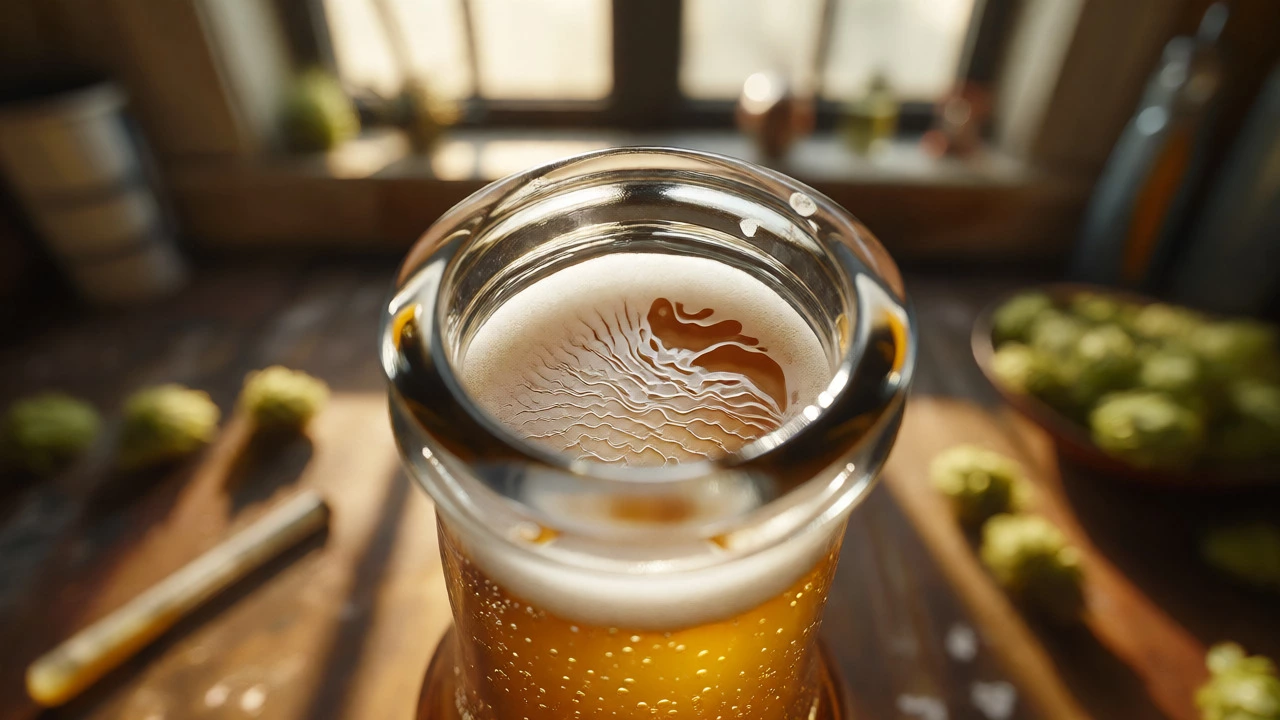
The Pellicle: This is a thin, white, chalky film that forms on the surface of the beer. It looks like a wrinkled skin or a biofilm. Don’t panic immediately. A pellicle indicates oxygen exposure and microbial activity, usually from Brettanomyces or Lactobacillus. In sour beers, it’s expected. In a lager or IPA, it’s a warning sign. However, a pellicle alone doesn’t mean the beer is undrinkable-it just means something is living in there.
Haze and Strands: If your beer was clear and suddenly turns cloudy with visible floating strings or clumps, suspect Pediococcus. These "ropes" are polysaccharides produced by the bacteria. They can make the mouthfeel feel oily or slick.
Over-Carbonation and Gushers: If bottles explode or spray foam when opened, wild yeast or bacteria are still eating sugars. This is dangerous because it builds pressure unpredictably. Check your priming sugar calculations first, but if the carbonation is excessive and uneven, infection is likely.
Off-Aromas: Smell is your best diagnostic tool. Vinegar suggests Acetobacter. Sourness suggests Lactobacillus. Funky or medicinal notes suggest Brettanomyces. If it smells like soy sauce or wet cardboard, you might be dealing with oxidation or autolysis rather than a live infection, but the result is similar: bad taste.
Is Infected Beer Safe to Drink?
This is the million-dollar question. Technically, most beer-spoiling organisms are not pathogenic to humans. You won’t get sick from drinking a Lactobacillus-infected IPA, though it might taste terrible. The alcohol content (usually above 4% ABV) and low pH act as barriers to harmful pathogens like E. coli or Salmonella.
However, "safe" doesn’t mean "pleasant." If the beer tastes like vomit, rotten eggs, or strong vinegar, your palate will reject it long before any health issue arises. There is one exception: molds. If you see fuzzy, colored mold (green, black, or orange) growing on the surface, do not drink it. Molds can produce mycotoxins that are heat-stable and potentially harmful. White, powdery pellicles are generally fine; fuzzy, colorful patches are not.
Some brewers choose to age infected beers. If the infection is mild, time can mellow harsh acids into complex sour notes. But if the flavor is aggressively acetic (vinegar) or putrid, aging rarely fixes it. Taste a small sample first. If it hurts to swallow, dump it.
How Infections Happen After Fermentation
If your boil was solid, where did the bugs come from? Post-fermentation infections almost always stem from contact with contaminated equipment or ingredients.
- Dirty Transfers: Using unsanitized racking canes, hoses, or funnels introduces microbes directly into the beer. Plastic hoses are notorious for harboring bacteria in microscopic scratches.
- Contaminated Bottles/Kegs: Reusing bottles without proper sanitization is a common error. Even a tiny residue of sugar and yeast in a bottle can feed an infection.
- Cold-Side Additions: Adding fruit, spices, or dry hops after fermentation introduces non-sterile organic matter. Fruit skins carry wild yeasts and bacteria. Unless pasteurized or soaked in spirits, these additions bring their own microbiome.
- Oxygen Exposure: Splashing beer during transfer introduces air. Oxygen allows Acetobacter to convert alcohol to vinegar. Minimizing splash is critical for preventing acetic infections.
Preventing Post-Fermentation Infection
Prevention is easier than cure. Follow these rules to keep your cold side clean.
Sanitize Everything: Cleaning removes dirt; sanitizing kills microbes. Use no-rinse sanitizers like Star San or iodophor on every piece of equipment touching beer after the boil. Let surfaces stay wet with sanitizer until use.
Replace Porous Gear: Scratched plastic buckets, cracked gaskets, and old rubber stoppers harbor bacteria that sanitation can’t reach. Replace them regularly. Consider dedicating specific hoses and fermenters to sour beers only, keeping your clean gear separate.
Minimize Oxygen: Use closed-loop systems for transferring to kegs. When bottling, avoid splashing. Purge bottles with CO2 if possible. Less oxygen means less fuel for aerobic spoilers like Acetobacter.
Handle Cold-Side Ingredients Carefully: Freeze fruit before adding it to break cell walls and reduce microbial load. Soak oak cubes or spices in high-proof vodka. Dry hop in sanitized mesh bags or pellets added directly to a sealed keg.
Troubleshooting: What To Do With Infected Beer
So, you’ve got an infection. Now what? Don’t just pour it down the drain unless it’s truly awful.
- Confirm It’s Not Autolysis: Yeast death (autolysis) causes meaty, rubbery flavors, not necessarily sourness. If the beer is just yeasty, cold crashing and filtering might help. If it’s sour or funky, it’s an infection.
- Taste Test: Take a small, sanitized sample. If it’s mildly sour or funky, consider blending it with a fresh batch of clean beer to create a table sour.
- Aging Strategy: If the infection is mild, store the beer at cooler temperatures (around 50-60°F / 10-15°C) to slow microbial activity. Wait 3-6 months. Taste again. Sometimes, Brettanomyces and Lactobacillus balance out into a pleasant sour ale.
- The Dump Decision: If it tastes like pure vinegar, solvent, or rot, discard it. Trying to save a severely infected batch usually wastes time and space.
Frequently Asked Questions
Can I tell if my beer is infected just by looking at it?
Not always. Some infections, particularly those caused by Pediococcus or early-stage Lactobacillus, may show little visual change initially. Haze and pellicles are strong indicators, but taste and aroma are more reliable diagnostics. Always smell and taste a small sample before making a final judgment.
Will boiling the beer kill the infection?
Boiling would kill the microbes, but it would also drive off volatile aromatics and alter the flavor profile significantly, essentially turning your beer back into wort. It’s rarely worth re-boiling finished beer to fix an infection. Instead, prevent future issues through better sanitation.
Is a pellicle always bad?
No. In sour beer styles like Lambic or Berliner Weisse, a pellicle is a sign of successful wild fermentation. For clean ales and lagers, it indicates unwanted microbial activity. Whether it’s "bad" depends entirely on the style you intended to brew.
Can I reuse a fermenter that had an infection?
Yes, but you must sanitize it thoroughly. Glass and stainless steel are easy to sanitize. Plastic is porous and can retain bacteria in scratches. If a plastic fermenter has a history of severe infection, consider replacing it or using it exclusively for sour beers to avoid cross-contamination in clean batches.
Does alcohol kill all bacteria in beer?
No. Beer-spoiling organisms like Lactobacillus, Pediococcus, and Brettanomyces are adapted to survive in acidic, alcoholic environments. While alcohol inhibits many human pathogens, it does not sterilize beer against these specific spoilage microbes.