☕ Coffee Cupping Protocol Simulator
Step 1 of 6
Dry Fragrance Check
Sniff the freshly ground coffee before adding water. This reveals volatile aromas lost during heating.
- Key Action: Inhale deeply over dry grounds.
- Focus: Dry fragrance profile.
Ever wondered how roasters decide which beans make it to your local café shelf? It isn't a guess. It’s a coffee tasting session, commonly known in the industry as coffee cupping. This structured sensory evaluation allows experts to assess fragrance, aroma, flavor, acidity, and body using strict standards set by the Specialty Coffee Association (SCA).
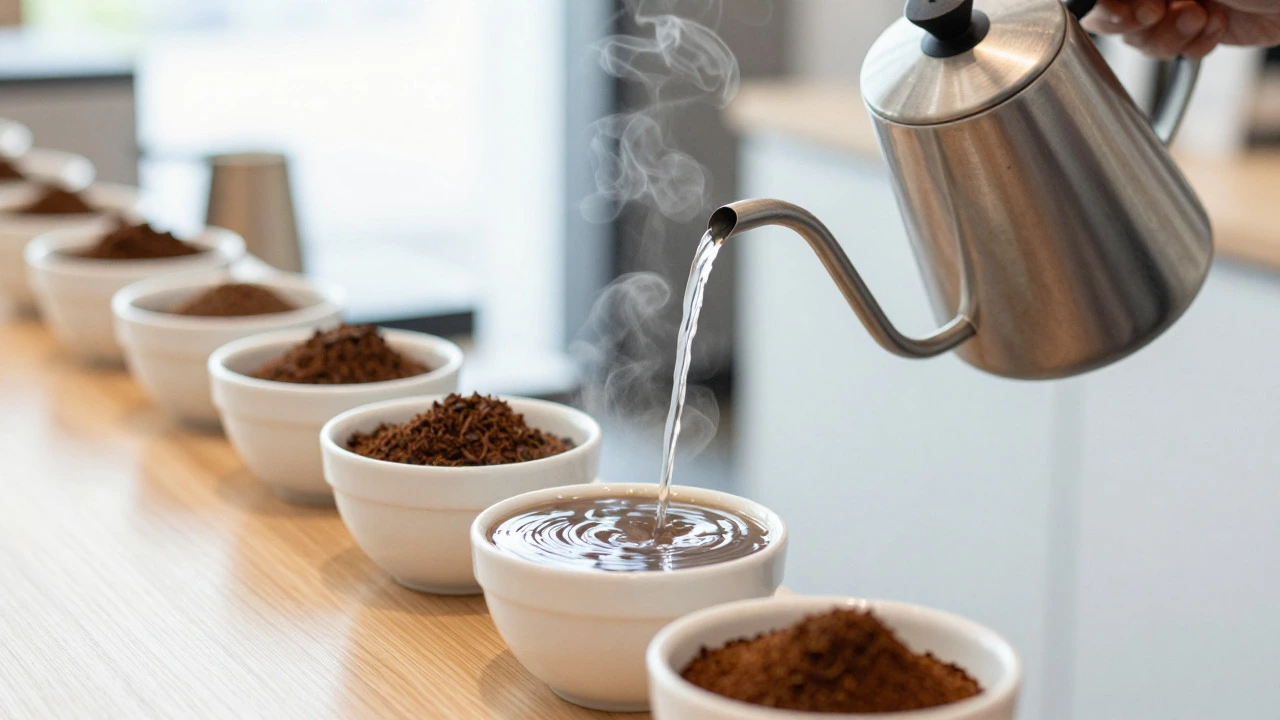
If you’ve ever attended a class at a specialty roastery or seen a row of bowls on a table with spoons sticking out, you’ve witnessed this process. It might look simple-just hot water and ground coffee-but the precision behind it is what separates a good cup from a great one. Here’s what actually happens during these sessions and why they matter.
The Core of a Coffee Tasting Session
A coffee tasting session is not just about drinking coffee; it’s a diagnostic tool. The primary goal is to evaluate the quality of a specific lot of beans under controlled conditions. By removing variables like brewing method or personal preference for temperature, tasters can compare coffees side-by-side fairly.
The standard protocol involves grinding coffee immediately before the session, pouring water at approximately 93 °C (200 °F), and steeping for four minutes. This immersion method ensures that every sample extracts similarly. Unlike espresso or drip coffee, there is no filter paper. The grounds stay in the bowl, creating a "crust" that holds aromatic compounds until it’s broken. This setup allows tasters to smell the dry grounds first, then the wet crust, and finally taste the liquid as it cools through different temperature stages.
Step-by-Step: How It Works
The process follows a rigid sequence designed to capture the full spectrum of the coffee's character. Here is the typical flow:
- Dry Fragrance Check: Before any water is added, tasters sniff the freshly ground coffee. This reveals volatile aromas that are lost once heat is applied.
- Infusion: Water at 93 °C is poured over the grounds (typically 8.25 g per 150 ml). A timer starts immediately.
- The Wait: For four minutes, the coffee steeps undisturbed. You’ll see bubbles forming as CO₂ escapes.
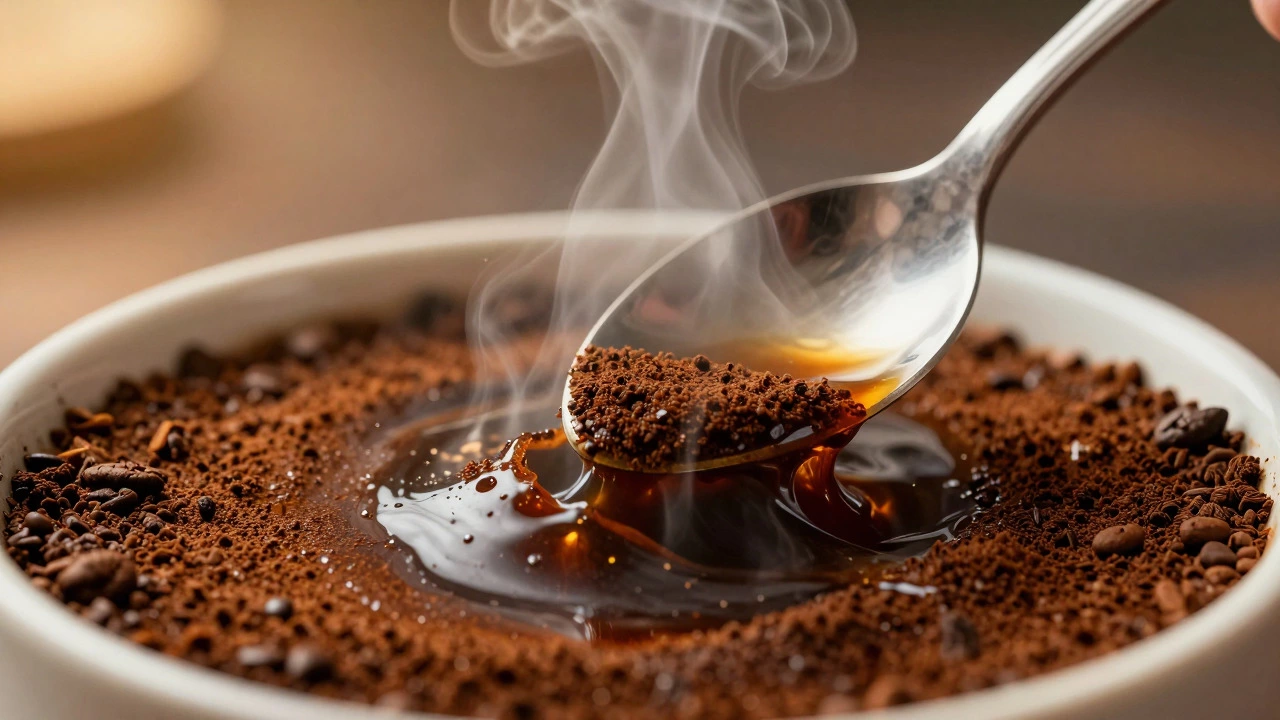
- Breaking the Crust: Using a spoon, tasters push down on the floating grounds to break the surface layer. They stir three times and inhale deeply to capture the concentrated aroma released.
- Skimming: Foam and remaining grounds are skimmed off the surface to leave clear liquid for tasting.
- Tasting Sequence: Tasters wait for the coffee to cool to around 77 °C (170 °F) before taking the first sip. They slurp loudly to spray the liquid across the tongue and palate. As the coffee cools further to 60-71 °C (140-160 °F), they taste again, noting how flavors evolve.
What Tasters Actually Evaluate
You don’t just say "it tastes good." In a professional setting, tasters use a standardized vocabulary to describe specific attributes. These attributes are scored on a 100-point scale, where 80 points or higher qualifies a coffee as "specialty."
| Attribute | Description | Example Descriptors |
|---|---|---|
| Aroma | Smell of the brewed coffee | Floral, fruity, nutty, chocolatey |
| Acidity | Brightness and sharpness | Citrus, wine-like, bright, mellow |
| Body | Weight and texture in the mouth | Light, syrupy, heavy, watery |
| Aftertaste | Flavors lingering after swallowing | Sweet, clean, bitter, short, long |
| Clean Cup | Freedom from defects | Clear, fermented, moldy, earthy |
Balance is also critical. A high-scoring coffee has harmony between acidity, sweetness, and bitterness. If one element dominates harshly, the score drops. This rigorous approach helps identify defects like fermentation issues or roast faults that casual drinkers might miss.
Professional vs. Consumer Sessions
While the core method remains the same, the context changes significantly depending on who is holding the spoon.
Quality Control Cuppings: Roasters and importers hold these daily or weekly. They often involve dozens of samples evaluated in a single morning. The focus is on consistency and defect detection. Tasters here are trained professionals, often Q-graders, who must maintain calibration to ensure fair pricing and sourcing decisions.
Consumer Tasting Classes: Held at cafés or roasteries, these events are more educational. Instead of scoring every attribute numerically, participants focus on discovering new flavor notes. The atmosphere is relaxed, encouraging discussion and personal preference exploration. However, the technical steps-grinding, timing, breaking the crust-are identical to professional protocols.
Why Standardization Matters
You might ask why we need such strict rules. Why not just brew two cups and compare them? The answer lies in variability. If one cup is brewed slightly hotter or with a finer grind, the difference in flavor might be due to the brewing error, not the bean. By locking in variables like dose (8.25 g), water volume (150 ml), and temperature (93 °C), the session isolates the coffee itself. This makes it possible to trace back exactly which processing method or origin produced a specific flavor profile.
This standardization was codified in the 1980s by the SCA, but its roots go back centuries. From 15th-century Yemen to 19th-century trading houses, humans have always sought ways to compare coffee quality. Today, this system ensures that when you buy a bag labeled "Ethiopian Yirgacheffe," the description matches the actual cup experience.

Getting Started with Your Own Session
You don’t need to be a pro to try this at home. All you need is a grinder, a scale, a kettle, and some small bowls. Start with two different coffees. Grind them fresh, weigh out equal doses, and follow the four-minute rule. Pay attention to the smell before you add water. When you break the crust, really inhale. Then, take your time tasting as the coffee cools. You’ll be surprised by how much more you notice compared to your usual morning brew.
Frequently Asked Questions
How long does a coffee tasting session take?
A basic session typically takes 20 to 30 minutes. This includes grinding, the 4-minute steep, breaking the crust, skimming, and tasting the coffee as it cools through different temperature ranges.
Do I need special equipment for coffee cupping?
You need a burr grinder, a digital scale accurate to 0.1g, a gooseneck kettle, and several small bowls (150-250ml capacity). While specialized cupping spoons exist, regular teaspoons work fine for beginners.
What is the difference between aroma and fragrance?
Fragrance refers to the smell of the dry, ground coffee before water is added. Aroma refers to the smell of the brewed coffee, specifically when you break the crust and later when you smell the liquid in the bowl.
Why do tasters slurp the coffee?
Slurping aerates the coffee, spraying it across the entire tongue and upper palate. This helps tasters detect subtle differences in acidity, sweetness, and body that would be missed if sipped quietly.
Can I cup espresso?
Yes, but it requires adjustment. Espresso cupping uses a higher concentration ratio. However, the standard 8.25g/150ml protocol is designed for filtered-style immersion comparisons to ensure maximum clarity in evaluating green bean quality.