Wine Return Etiquette Advisor
Determine if you can send back a bottle based on standard restaurant etiquette and hospitality norms.
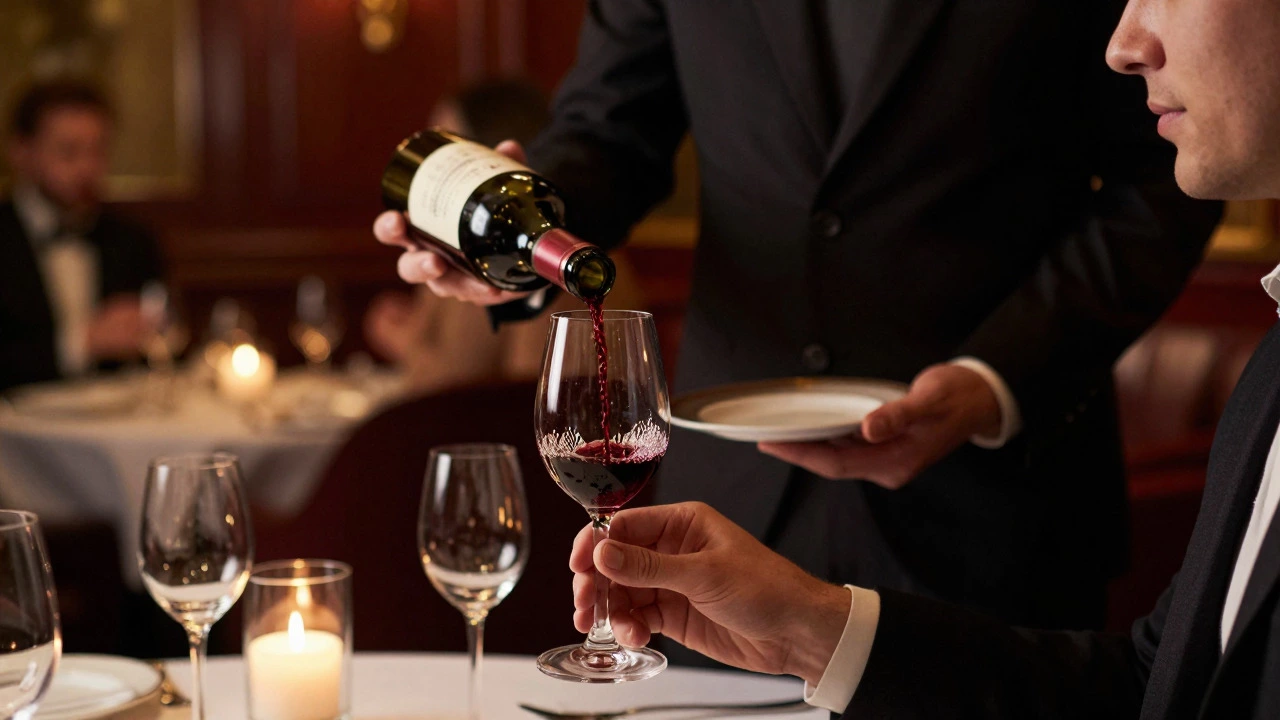
You’ve ordered the bottle. The server brings it to the table, confirms the label, opens it, and pours that small taste for you. You sip it. It’s not what you expected. Maybe it tastes like wet cardboard. Maybe it just isn’t your style. Can you say no? Can you send it back?
The short answer is yes, but with major caveats. You can absolutely reject a bottle if it is faulty or if the restaurant made a mistake. But if the wine is perfectly fine and you simply don’t like the taste, the traditional rule says you have to pay for it. In practice, however, many restaurants will swap it out as a courtesy, especially if you ask politely and early.
What Is the Purpose of the Taste?
To understand why saying "no" is tricky, you first need to know what that little sip is actually for. Many guests think the tasting ritual is a chance to check if they enjoy the wine. It’s not.
The tasting exists for two specific reasons:
- To confirm identity: Ensuring the server brought the correct producer, region, and vintage you ordered.
- To check for faults: Detecting technical problems like cork taint, oxidation, or heat damage before the rest of the table drinks it.
As wine expert Jamie Goode has noted, you are not tasting the wine to see if it is "just right for you tonight." You are tasting it to ensure it is sound. If the bottle is technically perfect but doesn’t match your personal preference, classic etiquette considers the transaction complete. You bought the risk when you ordered it.
When You Can Definitely Say No
There are clear-cut scenarios where rejecting a wine is not just allowed-it’s expected. If any of these apply, speak up immediately.
| Issue Type | Description | Action Required |
|---|---|---|
| Cork Taint (TCA) | Smells like wet newspaper, damp basement, or moldy cardboard. The fruit flavors are muted or gone. | Request a replacement immediately. This is a defect. |
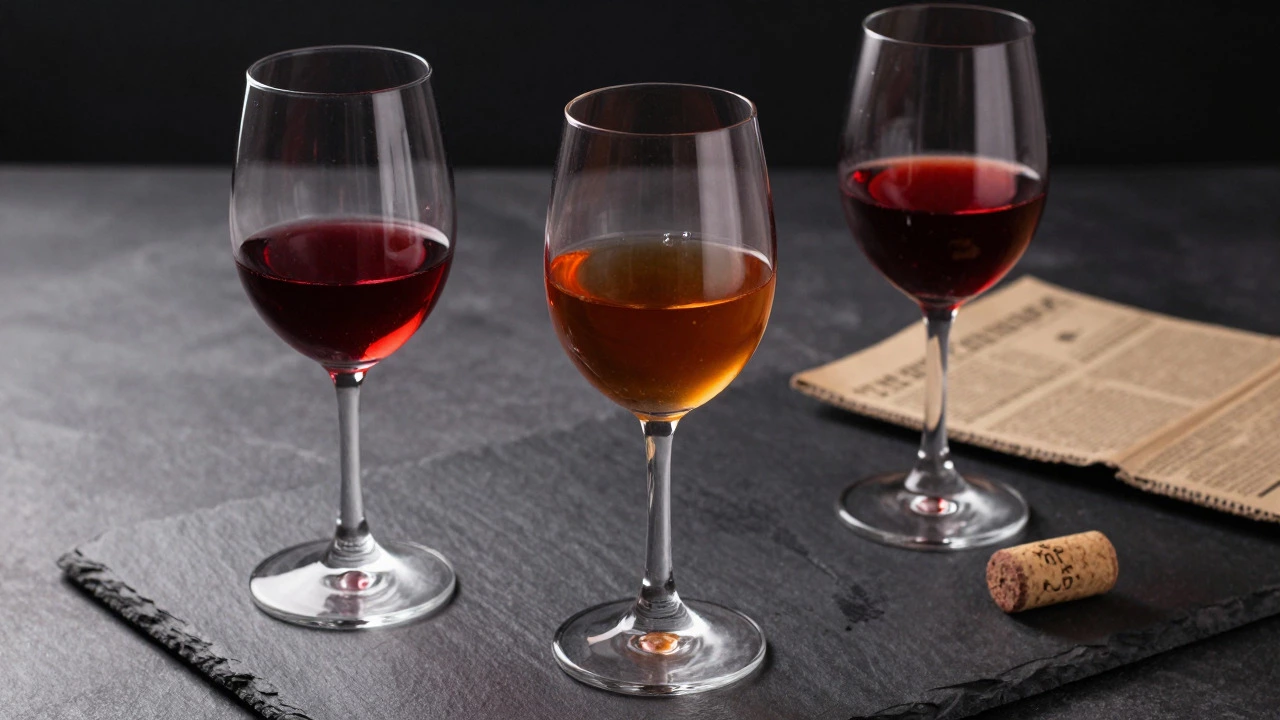
| Oxidation | White wines smell like sherry or vinegar; reds smell like bruised apples or brown paper. The color may look dull or brownish. | Reject the bottle. It has been exposed to too much air. |
| Wrong Bottle/Vintage | The label doesn’t match what you ordered, or the year is different than requested. | Point this out before drinking. It’s a service error. |
| Misleading Description | The staff described the wine as "fruity and light," but it tastes heavy, oaky, and dry. | If the discrepancy is significant, you can request a change based on the staff’s error. |
If you suspect a fault, don’t be shy. Say something simple like, "I’m getting a strong scent of wet cardboard here. Could you take a sniff?" A good sommelier or manager will taste it themselves. If they agree it’s flawed, they will open a new bottle at no cost. Never feel humiliated by this process; it happens to the best of us.
The Gray Area: "I Just Don’t Like It"
This is where things get complicated. What if the wine isn’t corked, isn’t oxidized, and is exactly what was ordered-but you hate it? It’s too acidic. It’s too woody. It’s just not your cup of tea.
Strictly speaking, etiquette does not permit sending back a sound wine for personal taste. Consumer rights guides in places like New Zealand and France explicitly state that tasting does not constitute a "right of withdrawal." If you order a spicy curry and find it too hot, you generally have to eat it. Same logic applies to wine.
However, hospitality is about experience, not just rules. Here is how the real world works:
- Price Point Matters: It is much more acceptable to return an inexpensive house wine ($20-$30) than a rare $150 Bordeaux. Restaurants operate on thin margins, but absorbing the cost of a cheap bottle is often seen as a worthwhile investment in customer goodwill.
- Who Picked It? If you chose the wine yourself from the list, the restaurant assumes you knew what you were getting. If the Sommelier recommended it, or if the server guided you toward it, they bear some responsibility for your satisfaction. As one sommelier told VinePair, "If I recommend something to you that you don’t like... it’s my job to take it back."
- Timing Is Everything: You must decide during that initial taste. Once the server pours the glasses for the table, or worse, once you’ve had half the bottle, it’s too late. Waiting until the end of the meal to complain is considered rude and rarely results in a refund or swap.

How to Ask Politely (Without Being Rude)
If you want to try a different wine because the first one isn’t working for you, your approach matters. Accusatory language shuts down conversation. Neutral, honest language opens doors.
Avoid saying: "This wine is bad" or "You ruined my dinner."
Instead, try phrases like:
- "This isn’t quite to my liking tonight. Would it be possible to try something else?"
- "I’m finding this much heavier/drier than I expected. Do you have another option that might pair better with our food?"
- "I suspect there might be a slight issue with this bottle. Could you check it?"
If the restaurant agrees to swap the bottle, do so graciously. Thank them. Tip well. If they decline-because their policy is strict or the bottle is expensive-accept it with dignity. Pay the bill, leave a generous tip, and perhaps choose a different venue next time. Arguing with the server usually ends poorly for everyone.
Does the Restaurant Have to Accept It Back?
Legally, in most jurisdictions, no. Unless the wine is objectively defective (corked, oxidized, contaminated), the restaurant is selling you a product that meets quality standards. Your subjective dislike is not a legal ground for return.
However, high-end establishments with dedicated wine programs often view flexibility as part of their service brand. They know that a guest who leaves happy is more likely to return. Casual diners or chains may have stricter policies due to higher volume and lower profit margins per bottle.
The key takeaway? Treat the tasting as a safety check, not a shopping trial. Order confidently, taste carefully, and if you’re stuck with a bottle you don’t love, remember that wine is meant to enhance the meal, not dictate it. Sometimes, you just drink it anyway.
Can I send back wine if I don't like the taste?
Technically, no. Etiquette dictates that the tasting is to check for faults, not personal preference. However, many restaurants will allow you to exchange it as a courtesy, especially if it's an inexpensive bottle or if the staff recommended it. You must ask during the initial taste, not after pouring.
What does a corked wine smell like?
A corked wine typically smells like wet newspaper, damp cardboard, or a moldy basement. The fruit flavors will seem muted or absent. If you detect this, inform the server immediately so they can replace the bottle.
Do I have to pay for the wine if I send it back?
If the wine is faulty (corked, oxidized) or incorrect, you should not pay for it. If you are returning it simply because you don't like the taste, the restaurant is not obligated to waive the charge, though many will do so as a gesture of hospitality. Always clarify with the server before deciding.
Is it rude to ask for a different wine?
It is not rude if done politely and early in the service. Using neutral language like "This isn't to my liking" is respectful. Becoming demanding, waiting until half the bottle is poured, or complaining about personal taste without acknowledging the staff's effort can be perceived as rude.
What if the sommelier recommended the wine?
If a professional recommended the wine, they have a higher stake in your satisfaction. Most sommeliers will gladly accept the bottle back if you didn't enjoy their suggestion, viewing it as part of their job to ensure a good pairing. Be sure to mention that it was their recommendation.