Brie & Pinot Grigio Pairing Checker
Pick a Brie stage on the left and a wine style on the right. The checker scores their compatibility and explains why.
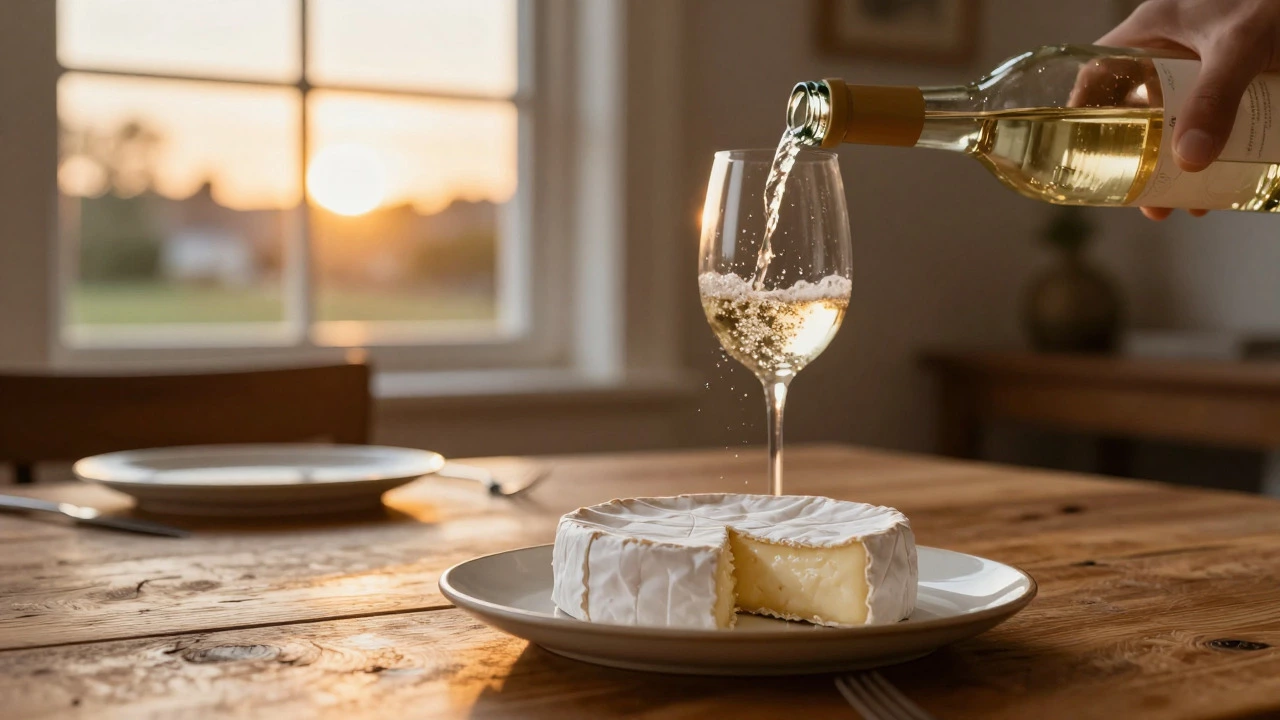
Picture this: it’s a warm evening in Sydney, the sun is dipping below the horizon, and you’ve got a bottle of crisp white wine chilling in the fridge. You pull out a wheel of Brie is a soft-ripened cow’s-milk cheese originating from the historic Brie region east of Paris, known for its creamy interior and edible bloomy rind. You’re about to take a sip of your Pinot Grigio is a dry white wine made from the gray-skinned mutation of Pinot Noir grapes, widely produced in northeastern Italy with high acidity and light body. Does this combination actually work, or are you setting yourself up for a flavor clash? The short answer is yes, but only if you get the styles right.
Many people assume that because Brie is rich and Pinot Grigio is light, they can’t possibly be friends. That’s a common misconception. In reality, the magic lies in contrast. The high acidity in a good Pinot Grigio acts like a palate cleanser, cutting through the fat of the cheese so each bite feels fresh rather than heavy. If you’ve ever felt overwhelmed by the creaminess of a soft cheese, this is the fix. However, not every bottle of Pinot Grigio will do the trick, and not every stage of Brie ripeness is suitable. Let’s break down exactly how to make this pairing sing.
The Chemistry of Creamy Cheese and Crisp Wine
To understand why these two go together, you have to look at what happens on your tongue. Brie typically contains between 45% and 60% fat in its dry matter. That fat coats your mouth, creating a luxurious texture but also a sense of weight. Enter Pinot Grigio. This wine usually sits around 11% to 13% alcohol by volume, but more importantly, it boasts pronounced acidity. Think of it as lemon juice to the cheese’s butter. When you drink the wine after eating the cheese, that acid washes away the residual fat, resetting your taste buds for the next bite.
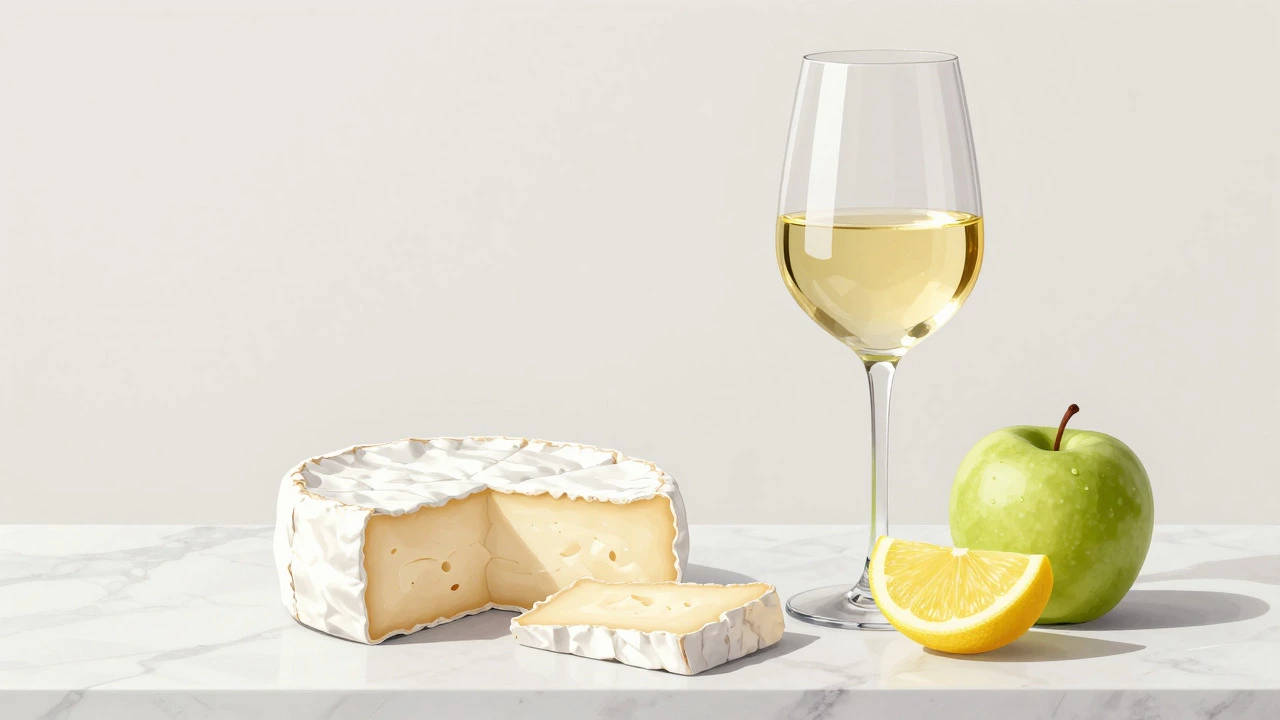
This dynamic isn’t just about cleaning the palate; it’s about highlighting flavors. A well-made Pinot Grigio often features notes of green apple, pear, and subtle citrus. These bright, fruity tones echo the mild, earthy undertones found in the paste of a young Brie. It’s a subtle conversation where neither element shouts over the other. If the wine were too heavy, say an oaked Chardonnay, it might mask the delicate nuances of the cheese. If the cheese were too pungent, it would flatten the wine’s fresh fruit character. But when balanced correctly, they amplify each other’s best qualities.
Choosing the Right Style of Brie
Not all Brie is created equal, and this distinction is critical for pairing success. Brie comes in various stages of ripeness, ranging from firm and mild to runny and intense. For Pinot Grigio, you want the former. Look for a Brie that is young, perhaps aged only four to six weeks. At this stage, the paste is soft but still holds its shape, and the aroma is gentle, hinting at mushrooms and cream without being overpowering.
Avoid fully ripe Brie if you plan to serve it with a standard Italian Pinot Grigio. Once Brie reaches full maturity, often after eight weeks or more, it develops stronger ammonia notes and a much softer, almost liquid center. This intensity requires a wine with more structure and body to stand up to it. While a mature Brie might pair beautifully with a richer, barrel-aged white or even a sparkling wine, it tends to overwhelm the delicate profile of a typical Pinot Grigio. So, check the label or ask your cheesemonger for a "young" or "mild" Brie. The wheels are usually around 30 to 35 cm in diameter, but the age matters far more than the size.
Selecting the Perfect Pinot Grigio
Now, let’s talk about the wine side of the equation. Pinot Grigio is a broad category, and there’s a significant difference between the crisp, unoaked styles from northern Italy and the fuller-bodied versions from elsewhere. For this pairing, you want the classic Italian style. Regions like Veneto, Friuli, and Trentino produce wines that are light-bodied, high in acidity, and dry. These are the bottles that will cut through the cheese effectively.
Steer clear of oak-aged Pinot Gris (the French name for the same grape). Oak aging adds vanilla, spice, and buttery notes, increasing the wine’s body and reducing its perceived acidity. While delicious on their own, these styles can clash with the subtlety of Brie. You want a wine that tastes fresh off the glass, with vibrant citrus and stone fruit flavors. If you see terms like "fermented in stainless steel" or "unoaked" on the label, that’s a good sign. The goal is to maintain that crisp, refreshing edge that keeps the pairing lively.
Practical Tips for Serving
Even the best ingredients can fail if served incorrectly. Temperature is your best friend here. Pinot Grigio should be served well chilled, ideally around 8°C to 10°C. This temperature enhances the wine’s acidity and fruitiness while keeping it crisp. On the other hand, Brie should be served at cool room temperature. Pull it from the fridge about 30 minutes before serving. This allows the fats to soften, releasing more aroma and making the cheese easier to spread. If you serve Brie cold, it can feel waxy and less flavorful, ruining the textural contrast you’re aiming for.
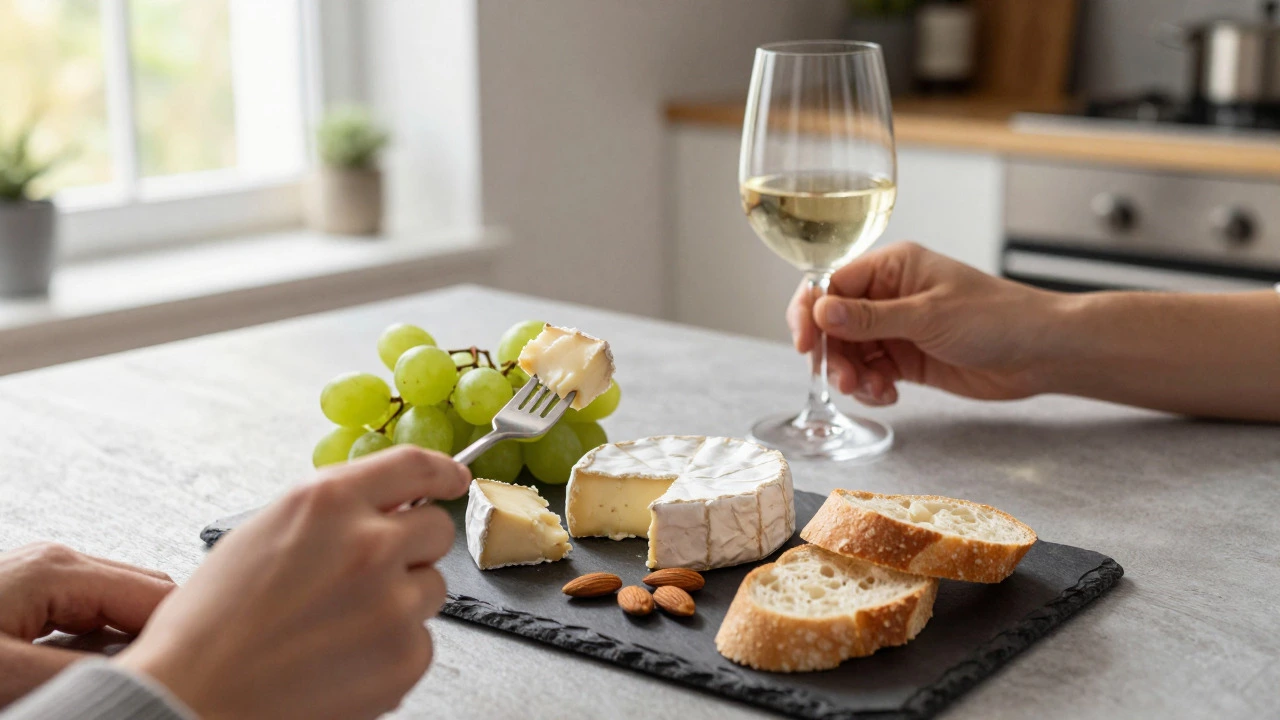
When assembling your board, keep it simple. Brie doesn’t need a lot of competition. Add some fresh grapes, a handful of almonds, and maybe some sliced apples. These elements provide crunch and sweetness that complement both the cheese and the wine. Avoid strong crackers or heavily spiced breads that might distract from the delicate balance. A plain baguette or neutral cracker works perfectly. This setup is ideal for casual entertaining, whether you’re hosting a small dinner party or just relaxing with a friend.
| Brie Stage | Texture & Flavor Profile | Pinot Grigio Match Quality | Recommended Wine Style |
|---|---|---|---|
| Young / Mild (4-6 weeks) | Firm-soft, creamy, mild mushroom notes | Excellent | Crisp, unoaked Italian Pinot Grigio |
| Mature (7-8+ weeks) | Runny, intense, strong ammonia/earthy notes | Poor | Richer whites (e.g., Oaked Chardonnay) or Sparkling |
| Over-ripe | Liquid center, very pungent | Very Poor | High-alcohol, structured reds or fortified wines |
Why This Pairing Works Better Than Others
You might wonder why choose Pinot Grigio over other popular white wines like Sauvignon Blanc or Chardonnay. Sauvignon Blanc is another great option, but its herbal and grassy notes can sometimes compete with Brie’s earthiness, creating a slightly muddy flavor profile. Chardonnay, especially if oaked, brings its own strong personality that can dominate the plate. Pinot Grigio, however, is more neutral. It provides the necessary acidity and freshness without imposing heavy flavors. It acts as a supporting actor, letting the Brie shine while ensuring the palate stays clean. This neutrality makes it a safer bet for beginners who aren’t sure what they prefer.
Additionally, Pinot Grigio is widely available and affordable compared to premium Burgundy whites or rare Champagne. This accessibility makes it a practical choice for regular home entertaining. You don’t need to spend a fortune to enjoy a sophisticated pairing. Just a decent bottle of Italian Pinot Grigio and a fresh wheel of Brie can create a moment of genuine culinary pleasure. It’s one of those combinations that proves you don’t need complexity to achieve harmony.
Common Mistakes to Avoid
Even with the right ingredients, a few simple errors can ruin the experience. First, don’t mix and match intensities. If you buy a cheap, watery Pinot Grigio, it won’t have enough acidity to cut the fat, leaving you feeling heavy. Conversely, if you use a very expensive, complex Pinot Gris with strong mineral notes, it might be lost against a mild Brie. Stick to mid-range, quality-focused wines from reputable regions. Second, avoid adding strong condiments to the cheese. Honey, fig jam, or chutneys are delicious with Brie, but they add sugar and new flavor profiles that can confuse the wine pairing. Keep the cheese plain to let the wine and cheese interact directly.
Finally, pay attention to the timing. Brie changes rapidly once exposed to air. If you cut into the wheel hours before serving, the surface will dry out and the flavor will concentrate unevenly. Slice just before guests arrive. This ensures every piece has the same creamy texture and flavor intensity. Small details like these make the difference between a good pairing and a great one.
FAQ
Can I pair mature Brie with Pinot Grigio?
It is generally not recommended. Mature Brie has a stronger, more pungent flavor that can overwhelm the delicate acidity and fruit notes of Pinot Grigio. For mature Brie, consider richer wines like oaked Chardonnay, Pinot Noir, or sparkling wines that have more body and structure to match the cheese's intensity.
What is the ideal serving temperature for this pairing?
Serve the Pinot Grigio chilled at approximately 8°C to 10°C to maximize its crispness and acidity. Serve the Brie at cool room temperature, allowing it to sit out for about 30 minutes before serving so the fats soften and the flavors develop. This temperature contrast is key to the successful pairing.
Are there any specific foods I should avoid on the cheese board?
Avoid strongly flavored accompaniments like spicy crackers, heavy chutneys, or sweet jams if you want to highlight the wine-cheese interaction. Stick to neutral elements like plain baguette, unsalted nuts, fresh grapes, or sliced apples. These complements enhance the natural flavors without competing with the subtle balance of Brie and Pinot Grigio.
Is Pinot Gris different from Pinot Grigio in this context?
They come from the same grape variety, but the styles differ. Italian Pinot Grigio is typically lighter, crisper, and higher in acidity, making it ideal for Brie. French Pinot Gris is often fuller-bodied and may be oak-aged, which can be too heavy for mild Brie. Always look for the unoaked, crisp style regardless of the label name.
How long does the pairing stay effective after opening the bottle?
Pinot Grigio is best enjoyed within a few days of opening, as its fresh fruit aromas fade quickly. Brie, once cut, remains good for several days if wrapped tightly in wax paper and stored in the refrigerator. For the best experience, aim to consume both within the same day or evening to ensure peak freshness and flavor balance.