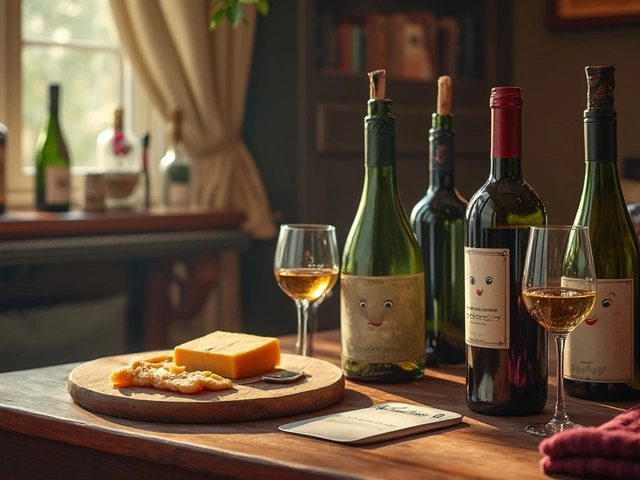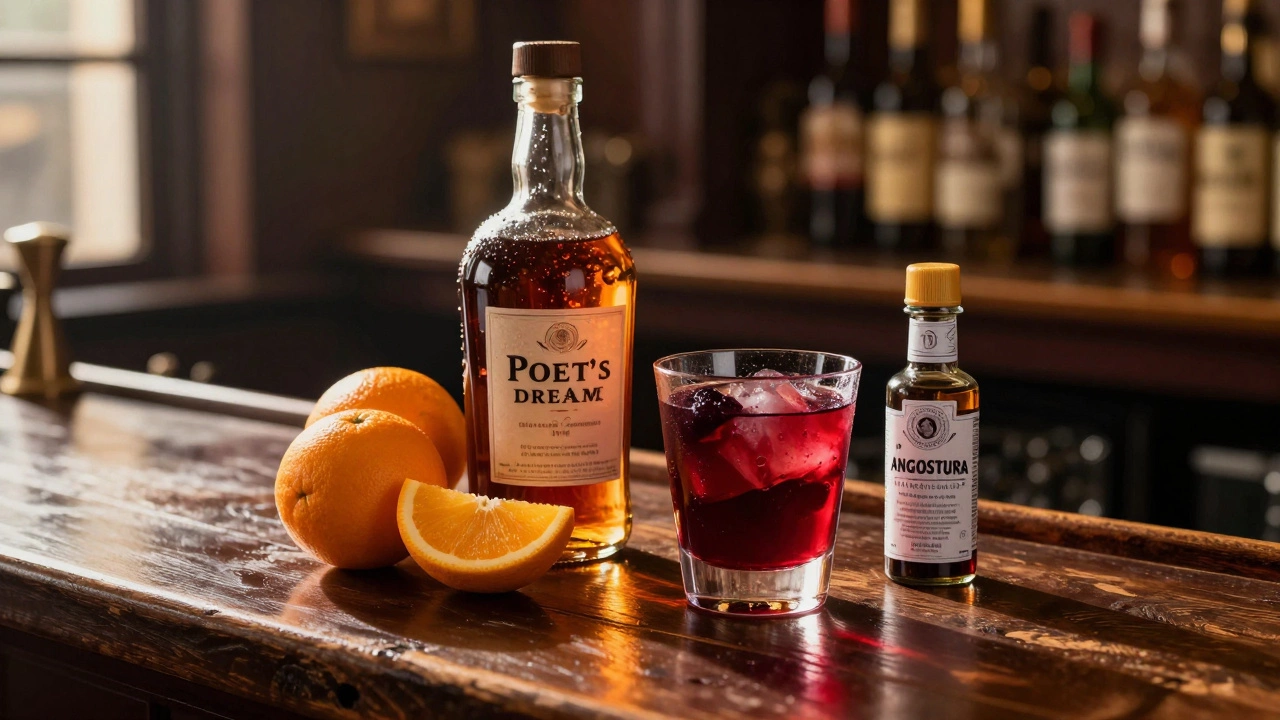
There is something almost magical about the Poet’s Dream, a classic cocktail that balances rich sweetness with a sharp, herbal bite. Traditionally made with dark rum, grenadine, orange juice, and Angostura bitters, it tastes like a sunset in a glass-warm, vibrant, and slightly mysterious. But here is the thing: classics are meant to be challenged.
If you have mastered the standard recipe, you might be looking for that next level of flavor complexity. Maybe you want more heat, or perhaps you crave a deeper fruit profile. Making a variation isn't just about swapping ingredients; it is about understanding the architecture of the drink. Today, we will break down how to build three distinct variations of the Poet’s Dream that keep the soul of the original but give it a fresh, modern twist.
The Anatomy of the Original Poet’s Dream
Before we start mixing, let's look at why the original works so well. The Dark Rum provides the backbone, offering molasses notes and body. The Grenadine adds color and sugar, while the Orange Juice brings acidity and brightness. Finally, the Angostura Bitters act as the seasoning, cutting through the sweetness with aromatic spices.
When creating a variation, you need to decide which element you want to elevate. Do you want to amplify the spice? Deepen the fruitiness? Or change the spirit entirely? Each choice leads to a completely different drinking experience. Let's explore three proven paths.
Variation 1: The Spicy Sunset (Heat & Depth)
This version leans into the "dream" aspect by adding a warm, lingering heat. It transforms the drink from a simple sweet sipper into a complex evening companion.
Ingredients:
- 60ml Dark Rum (preferably aged over 5 years)
- 30ml Fresh Orange Juice
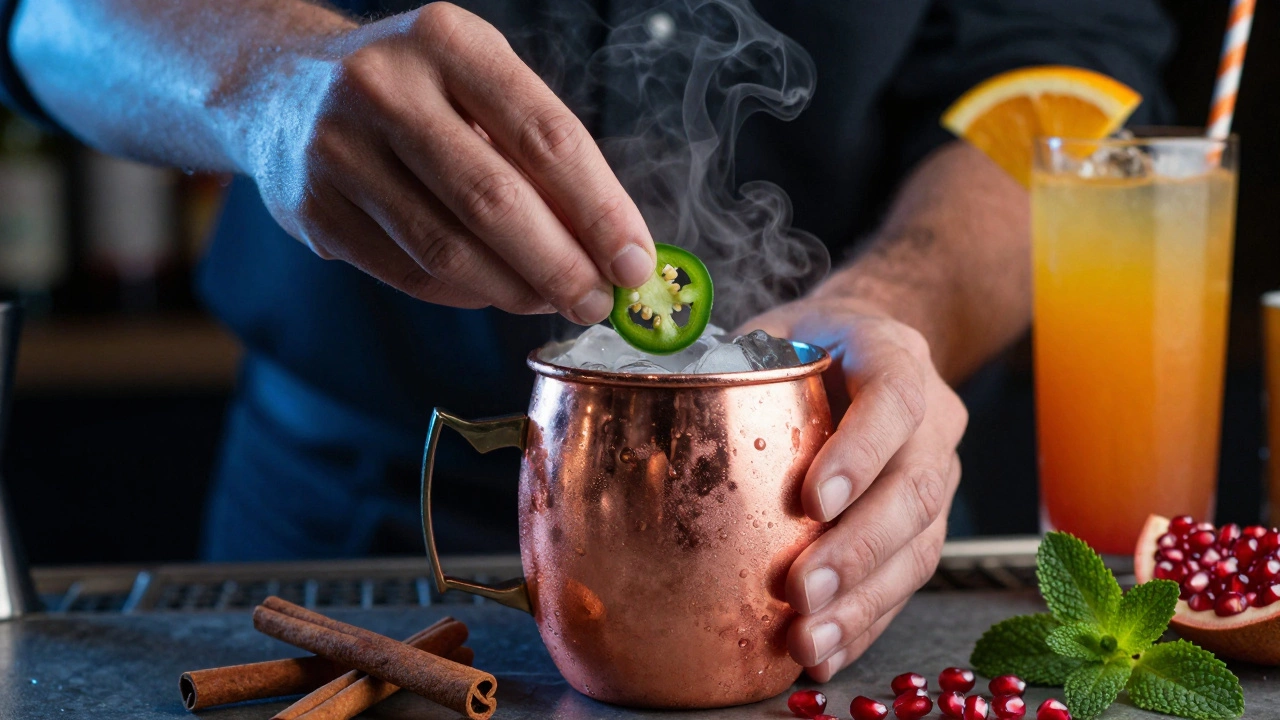
- 15ml Homemade Pomegranate Syrup (instead of commercial grenadine)
- 3 dashes Angostura Bitters
- 1 strip of cinnamon bark (for garnish)
- Optional: 1 thin slice of jalapeño muddled gently
Why it works: Commercial grenadine often tastes like pure sugar. By switching to a house-made pomegranate syrup, you introduce tannins and earthy depth that pair beautifully with aged rum. Adding a touch of jalapeño or simply stirring in a cinnamon stick introduces capsaicin or cinnamaldehyde, compounds that trigger warmth receptors in your mouth. This makes the alcohol feel smoother and the flavors last longer on the palate.
Pro Tip: If you use jalapeño, don't muddle it aggressively. Just press it against the side of the shaker to release oils without extracting too much green bitterness. You want heat, not grass.
Variation 2: The Tropical Poet (Fruit Forward)
Sometimes, you want the dream to feel like a vacation. This variation swaps the citrus-heavy profile for tropical lushness, making it perfect for summer gatherings.
Ingredients:
- 60ml Spiced Rum
- 30ml Passion Fruit Puree
- 15ml Lime Juice
- 15ml Honey Syrup (1:1 ratio of honey to water)
- 2 dashes Orange Bitters
- Garnish: Edible flower or mint sprig
Why it works: Passion fruit has a high acidity and intense aroma that cuts through the richness of spiced rum. Lime juice brightens the mix further, while honey syrup adds a floral sweetness that differs from cane sugar. Switching Angostura for orange bitters keeps the aromatic profile citrusy but less medicinal, allowing the passion fruit to shine.
Execution Note: Shake this vigorously. Passion fruit seeds can make the texture gritty if not emulsified properly. Strain twice (fine mesh) to ensure a silky mouthfeel.
Variation 3: The Midnight Muse (Herbal & Bold)
For those who find the original too sweet, this variation dials back the sugar and amps up the herbal complexity. It is darker, moodier, and incredibly sophisticated.
Ingredients:
- 60ml Overproof Rum (like Wray & Nephew)
- 30ml Grapefruit Juice
- 15ml Maraschino Liqueur
- 4 dashes Peychaud’s Bitters
- 2 dashes Chocolate Bitters
- Garnish: Charred lemon twist
Why it works: Overproof rum brings intensity and structure. Grapefruit juice is more bitter than orange, balancing the strong spirit. Maraschino liqueur adds a nutty, cherry-like nuance without being overly sweet. The combination of Peychaud’s (floral/anise) and chocolate bitters creates a deep, savory backdrop that feels almost like a dessert without the heaviness.
Technique: Stir this variation instead of shaking. Shaking would aerate the grapefruit too much, turning it cloudy and foamy. Stirring preserves the clarity and the sleek texture of the high-proof rum.
Mastering the Base Ingredients
To truly nail these variations, you need to understand your components. Here is a quick breakdown of what to look for when shopping.
| Ingredient | Role in Cocktail | Best Choice for Variations | Avoid |
|---|---|---|---|
| Rum | Base Spirit / Body | Aged Dark Rum or Spiced Rum | Light White Rum (too thin) |
| Sweetener | Balances Acidity | Honey Syrup or Pomegranate Syrup | Corn-syrup-based Grenadine |
| Citrus | Acidity / Brightness | Freshly squeezed only | From-concentrate juices |
| Bitters | Seasoning / Aroma | Angostura, Peychaud’s, or Chocolate | Generic supermarket brands |
Common Mistakes to Avoid
Even experienced home bartenders stumble on these points. Keep an eye out for them.
- Over-bittering: Bitters are potent. Start with two dashes and taste. You can always add more, but you can’t take them out. Too many bitters will turn your drink into medicine.
- Using old juice: Citrus oxidizes quickly. If your orange juice has been sitting in the fridge for more than 24 hours, toss it. It will taste flat and dull the other flavors.
- Ignoring ice quality: Use large, clear ice cubes for stirred drinks. They melt slower, preventing dilution. For shaken drinks, use plenty of small ice to chill rapidly before straining.
- Skipping the garnish: The nose accounts for 80% of flavor perception. A charred lemon twist releases essential oils that hit your olfactory bulb before the first sip. Don't skip it.

Troubleshooting Your Drink
Did your variation come out wrong? Here is how to fix it on the fly.
- Too Sweet? Add a splash of soda water or a squeeze of fresh lime. Acid cuts sugar.
- Too Sour? Add a teaspoon of simple syrup or a dash of richer liqueur like Amaretto.
- Too Strong? Dilute with a little more juice or soda. Alternatively, serve it over a larger ice cube to slow the burn.
- Flat Taste? You likely lack aromatic lift. Add a fresh herb (mint, basil) or express a citrus peel over the glass before serving.
Final Thoughts on Experimentation
Mixology is part science, part art. The Poet’s Dream is a canvas, not a cage. Once you understand how the rum, sweetener, acid, and bitters interact, you can swap elements endlessly. Try using mezcal instead of rum for a smoky twist, or swap orange juice for pineapple for a tropical vibe. The key is balance. Taste as you go, adjust carefully, and most importantly, enjoy the process. Your next favorite drink is just one experiment away.
What is the difference between a standard Poet’s Dream and a variation?
A standard Poet’s Dream uses specific ratios of dark rum, orange juice, grenadine, and Angostura bitters. A variation changes one or more of these core components-such as swapping grenadine for passion fruit puree or adding spicy elements-to create a new flavor profile while keeping the structural balance of the original.
Can I make a non-alcoholic version of the Poet’s Dream?
Yes. Replace the rum with a high-quality non-alcoholic spirit alternative or simply increase the amount of juice and add a dash of non-alcoholic bitters. Using a robust base like seedlip or a strong tea infusion can help mimic the body of the rum.
Why does my Poet’s Dream taste too watery?
This usually happens due to over-dilution. If you shake too long or use melting ice cubes, the drink becomes diluted. Use fresh, hard ice and strain immediately after shaking. For stirred variations, use large ice cubes that melt slowly.
What type of rum is best for a Poet’s Dream?
Dark rum is traditional because its molasses and caramel notes stand up to the sweet and sour ingredients. Aged rums (5+ years) offer more complexity, while spiced rums work well for tropical variations. Avoid light white rums as they lack the necessary body.
How do I make homemade grenadine?
Simmer equal parts pomegranate juice and sugar until dissolved, then cool. For better flavor, add a star anise pod or a cinnamon stick during simmering. This creates a thicker, more flavorful syrup than store-bought versions.