Whiskey Tasting Timer & Guide
Set Your Spirit
Instruction: Select your whiskey and press Start. Gently roll the liquid over your tongue and cheeks.
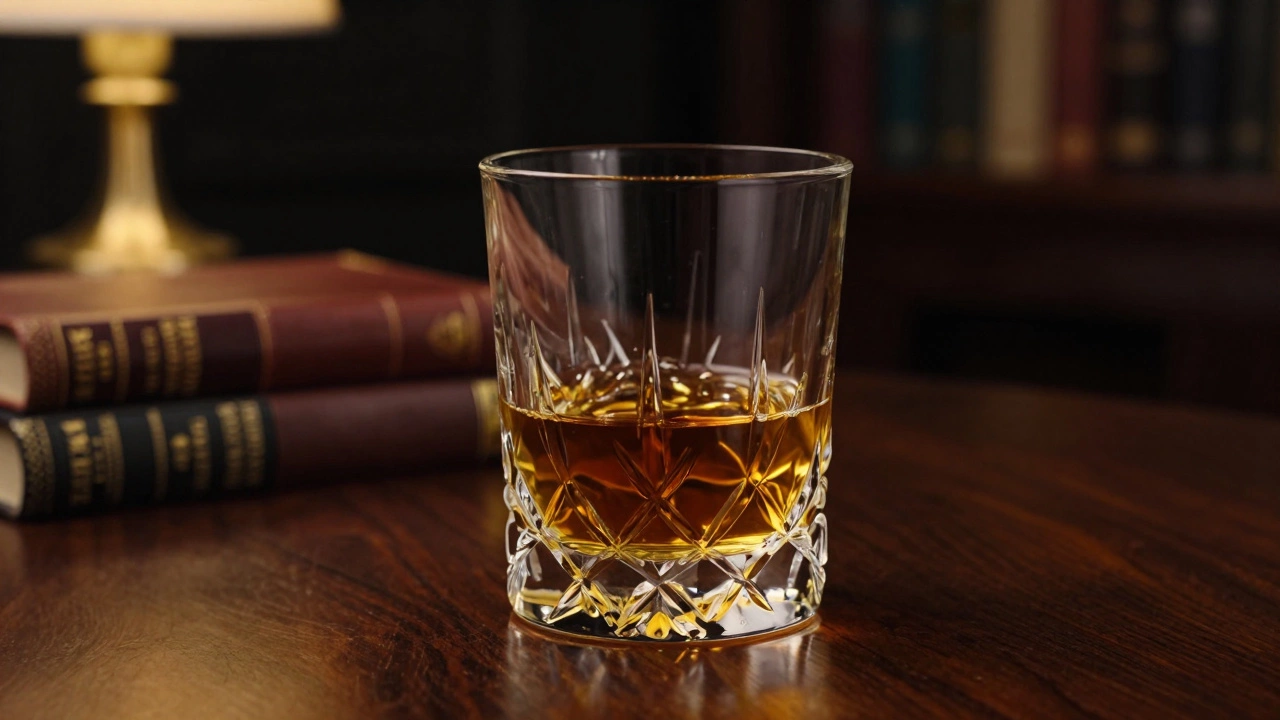
You've just poured a glass of a high-end Scotch or a rich Bourbon. You take a sip, swallow immediately, and wonder why it doesn't taste like the complex notes described on the bottle. The truth is, most people treat whiskey like a drink rather than an experience. If you're just gulping it down, you're missing about 70% of the flavor profile. To truly unlock those hidden notes of vanilla, peat, or dried fruit, you have to slow down and actually let the spirit interact with your mouth. But exactly how long should you hold it? whisky tasting is the sensory process of analyzing the aroma, flavor, and mouthfeel of a distilled spirit to identify its characteristics and quality. It is not about drinking to get a buzz; it is about using your palate as a tool.
The Magic Number: How Long Is Long Enough?
For most people, the sweet spot is between 10 and 15 seconds. This might feel like an eternity when you have a high-proof spirit burning your tongue, but there is a scientific reason for it. Your taste buds aren't just on the tip of your tongue; they are spread across your palate and cheeks. A quick swallow only hits a fraction of these receptors. By holding the liquid, you allow it to coat the entire mouth, giving every single receptor a chance to chime in on the flavor.
If you want a more tailored approach, you can try the "Age Rule" championed by Richard Paterson, a legendary master blender. He suggests holding the whiskey for one second for every year it has aged. So, a 12-year-old expression gets 12 seconds, while a 25-year-old gets 25 seconds. While this is a great benchmark, don't let it become a rigid law. If you're tasting a high-proof cask strength bottling, 25 seconds might feel like a chemical peel for your mouth. Use your intuition-if the alcohol burn is drowning out the flavor, swallow and try a smaller sip.
| Whiskey Type | Suggested Hold Time | Primary Goal |
|---|---|---|
| Young/High Proof | 3-7 Seconds | Acclimate the palate to alcohol heat |
| Standard (10-15 Years) | 10-15 Seconds | Balance sweetness, spice, and fruit |
| Aged (20+ Years) | 20+ Seconds | Uncover complex oak and tertiary notes |
| Peated/Smoky | 8-12 Seconds | Evaluate smoke intensity and saltiness |
The Science of the "Sip and Swirl"
Why does time actually change the taste? It comes down to temperature and dilution. When whiskey first enters your mouth, it's usually at room temperature. As it sits, it warms up further due to your body heat. This temperature shift releases volatile aromatic compounds that your nose picks up from the back of your throat (retro-nasal olfaction).
At the same time, your saliva begins to mix with the spirit. Saliva acts as a natural diluent, slightly lowering the alcohol concentration. This is similar to adding a drop of water to a glass of Scotch; it "opens up" the whiskey by suppressing the harsh ethanol burn and allowing the more delicate esters and phenols to surface. If you swallow instantly, you only taste the alcohol; if you wait, you taste the craft.
The Two-Sip Strategy for Better Accuracy
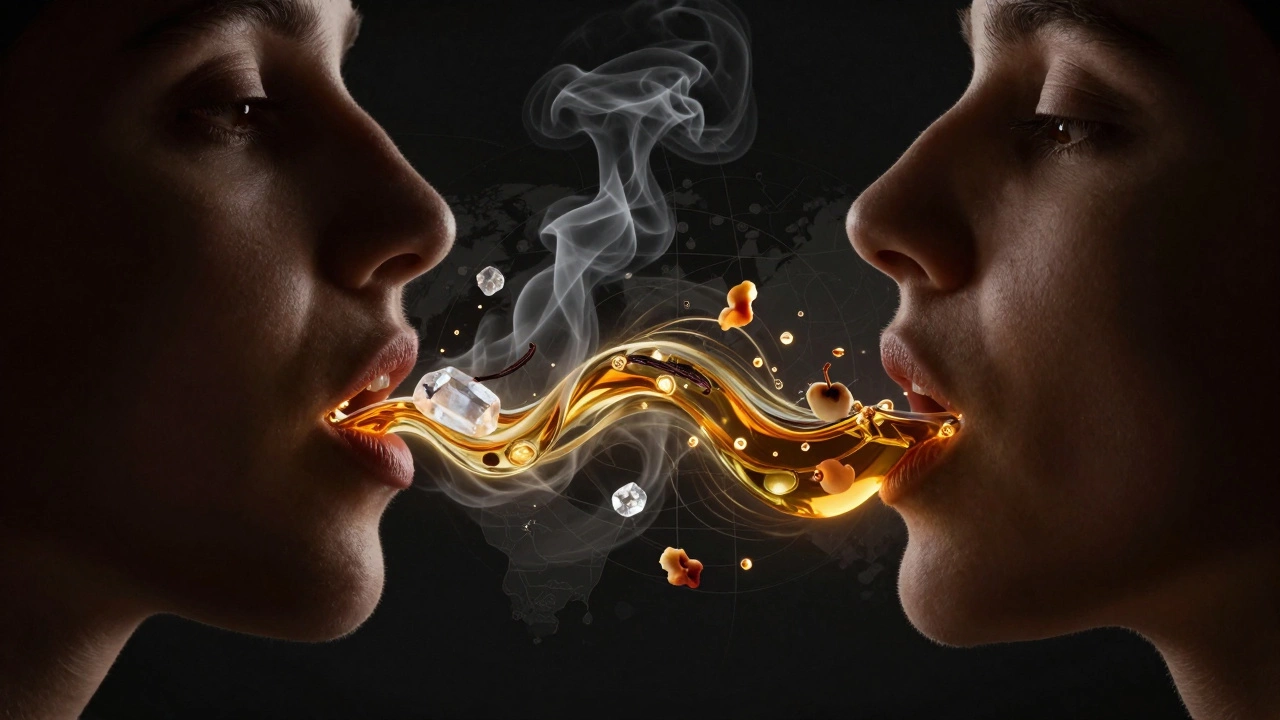
If you've ever noticed that the first sip tastes "flat" or just burns, you're experiencing sensory shock. The alcohol temporarily numbs your taste receptors. To get around this, many pros use a two-sip methodology.
- The Conditioning Sip: Take a small amount and hold it briefly. This tells your brain and your palate, "Hey, something strong is coming." It prepares your receptors for the intensity.
- The Analysis Sip: Now that your mouth is acclimated, take a second sip. This time, use a gentle "chewing" motion. Roll the liquid over your tongue, push it against the roof of your mouth, and let it hit the sides of your cheeks. This ensures the whiskey contacts every possible taste zone.
By the time you reach the second sip, you'll likely notice layers that were invisible before-maybe a hint of cinnamon, a touch of brine, or a creamy vanilla finish. This is where the real discovery happens.
Mastering the Art of the Finish
The experience doesn't end when you swallow. In fact, the "finish" is one of the most important attributes of a high-quality spirit. Instead of swallowing the moment you feel a tingle, wait until that initial tingling sensation subsides. This allows the flavors to fully peak before they travel down the esophagus.
Once the liquid is gone, pay attention to what lingers. Does the taste disappear instantly? Or does it leave a long, warming glow in your chest? Quality brands, such as Jameson, are known for finishes where the character of the grain remains present even after the liquid is gone. This lingering quality is a hallmark of well-balanced distillation and aging.
Common Mistakes to Avoid
One of the biggest pitfalls is the "alcohol burn" panic. When the spirit hits the back of the throat, the instinct is to swallow immediately to stop the heat. Resist this. Instead, focus on moving the whiskey to the front and middle of the tongue.
Another mistake is ignoring the nose. If you dive straight into tasting without smelling, you're missing a huge part of the equation. Keep your lips slightly parted and inhale through both your nose and mouth. This prevents the alcohol vapors from overwhelming your nasal passages and primes your brain for the flavors you're about to experience on your palate.
Finally, avoid ice-cold whiskey if you're trying to analyze flavor. Cold temperatures mute the aromatic compounds and numb your taste buds, making that 10-15 second hold time almost useless. Aim for a room temperature between 60-70°F to keep the spirit "active."
Will holding whiskey too long make it taste worse?
Yes, it can. If you hold a very high-proof (cask strength) whiskey for too long, the ethanol burn can become overwhelming, effectively "scorching" your taste buds. This can lead to a bitter taste or a loss of sensitivity for the rest of your tasting session. If the heat becomes a distraction rather than a highlight, it's time to swallow.
Should I add water before or after holding the sip in my mouth?
Standard practice is to taste it neat first to understand the distiller's original intent. Hold the neat sip for 10-15 seconds. Then, add a few drops of room-temperature distilled water and repeat the process. The water breaks the surface tension and releases different aromas, often revealing notes that were hidden by the alcohol.
Does the type of whiskey (Bourbon vs Scotch) change the hold time?
Generally, the principles remain the same, but the intensity varies. A heavily peated Islay Scotch might feel more aggressive on the palate, leading some tasters to prefer a shorter, more rolling hold. A sweeter, aged Bourbon may be more comfortable to hold for the full 15 seconds. Always adjust based on the "intensity" of the spirit.
What is a "palate cleanser" and when should I use it?
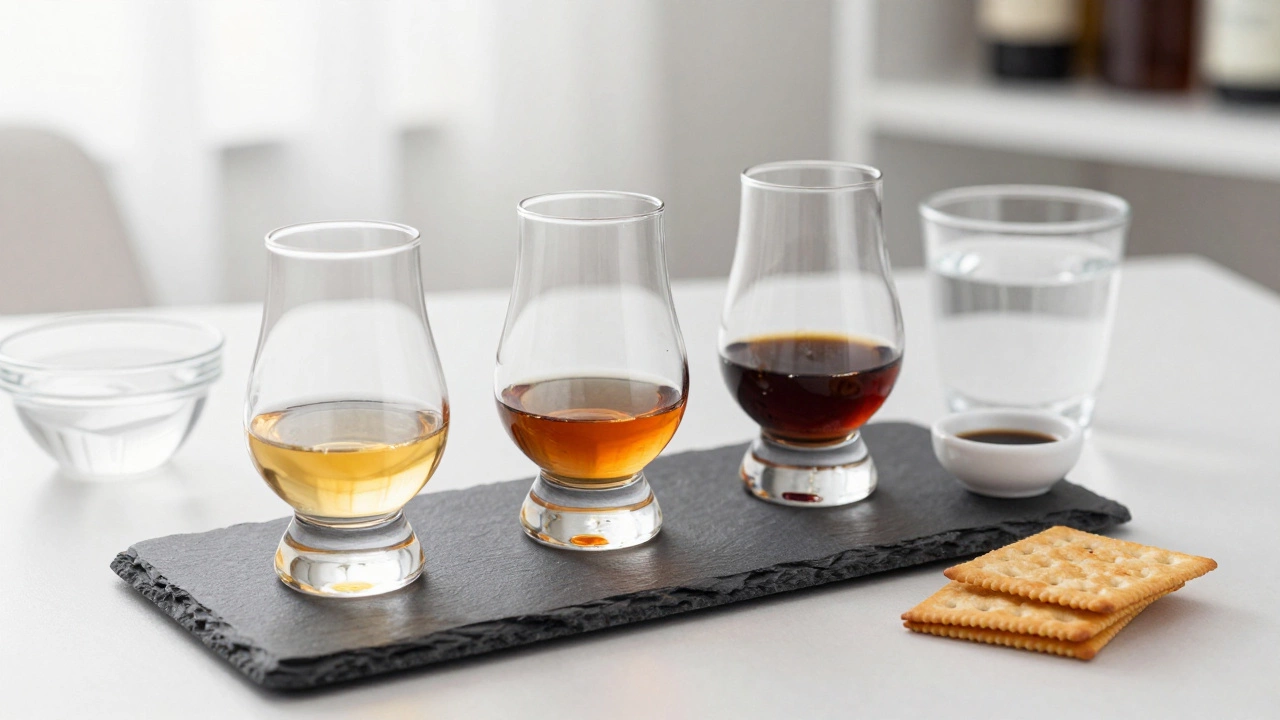
A palate cleanser is something like a sip of room-temperature water or a plain cracker used between different whiskeys. Use it after you've finished the "finish" of one whiskey and before you smell the next. This prevents the flavors of a heavy, smoky Scotch from bleeding into a light, floral Irish whiskey.
Why do some experts suggest swallowing quickly?
A minority of tasters believe that a quick swallow prevents the alcohol from overstimulating the nerves, allowing them to focus on the immediate "hit" of flavor. While this works for some, the vast majority of professional guidance emphasizes that longer contact time is the only way to experience the full chemical complexity of the spirit.
Next Steps for the Aspiring Taster
If you're just starting out, don't worry about the stopwatch. The goal is to move from "drinking" to "tasting." Start by practicing the two-sip method with a variety of ages-perhaps a 10-year-old and a 18-year-old of the same brand. Notice how the longer hold time on the older whiskey reveals deeper, woodier notes.
If you find the burn too intense, try taking a smaller sip-barely enough to coat your tongue. This reduces the total volume of ethanol in your mouth, making it much easier to maintain a 15-second hold without feeling like your mouth is on fire. With a bit of practice, you'll stop thinking about the seconds and start noticing the symphony of flavors.