Heart Health Beverage Calculator
Your Daily Drink Habits
There’s a myth going around that some drink can literally clean your heart-like a power wash for your arteries. You’ve probably heard it: red wine clears plaque, green tea flushes out toxins, or maybe even lemon water dissolves fat in your blood vessels. It sounds simple. Too simple. And it’s not true.
The heart doesn’t get dirty like a kitchen sink. It doesn’t accumulate gunk you can wash away with a drink. But here’s what actually matters: some beverages can help your heart work better over time. Others? They can hurt it. The real question isn’t what cleans your heart-it’s what supports it.
Why the Idea of a ‘Heart-Cleaning’ Drink Is Misleading
There’s no drink that dissolves plaque, unclogs arteries, or magically resets your blood pressure. The heart isn’t a pipe system you can flush. It’s a muscle, surrounded by blood vessels that respond to what you eat, drink, and do every day. What affects your heart isn’t one magic ingredient in a bottle-it’s long-term patterns.
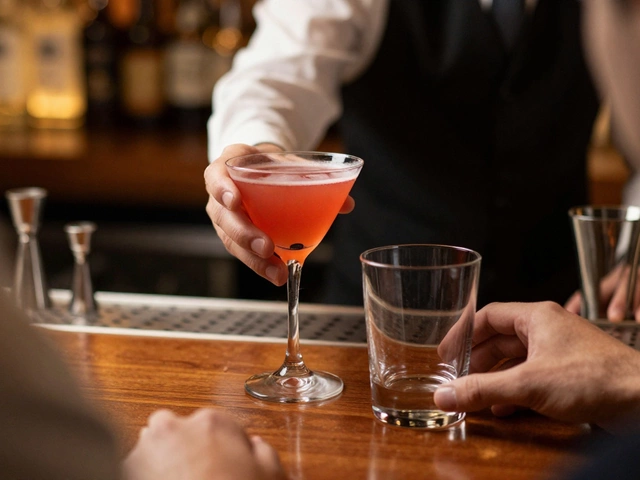
For decades, people believed moderate alcohol-especially red wine-was good for the heart. The story went like this: antioxidants like resveratrol in grape skins improved cholesterol and reduced inflammation. But that story was built on shaky science. Observational studies showed people who drank a little wine tended to live longer. But they also tended to be wealthier, more active, ate better, and smoked less. When researchers finally used genetic tools to separate alcohol’s effects from lifestyle, the picture changed.
A 2023 study of over 370,000 people in the UK Biobank found that even small amounts of alcohol increased the risk of high blood pressure and heart disease. The more you drank, the faster the risk shot up-not slowly, but exponentially. That means drinking one glass a day isn’t harmless. It’s still adding risk. The American Heart Association updated its stance in September 2025: “We do not recommend drinking alcohol to gain potential heart health benefits.” If you don’t drink, don’t start. If you do, cut back.
The Real Heroes: Non-Alcoholic Drinks That Actually Help
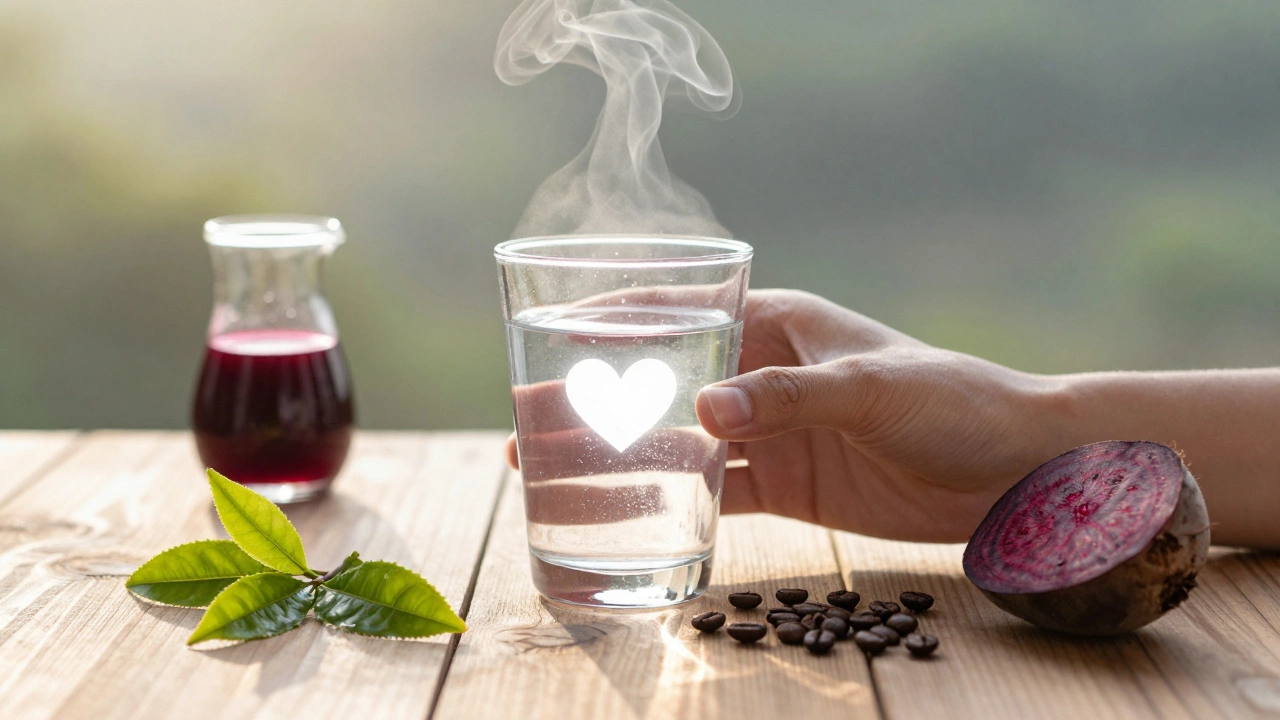
So what drinks actually support heart health? The answer isn’t flashy. It’s simple, consistent, and backed by solid data.
Coffee-especially morning coffee
Not all coffee is the same. A 2023 study tracking 40,725 adults found that people who drank coffee mostly in the morning had a 31% lower risk of dying from heart disease compared to non-coffee drinkers. Why morning? It may have to do with circadian rhythms. Your body processes caffeine differently depending on the time of day. Morning coffee seems to align better with your natural heart rhythm, reducing stress on your cardiovascular system.
Decaf didn’t show the same benefit. That suggests caffeine plays a role-but not in the way you think. It’s not just about stimulation. Coffee contains polyphenols and antioxidants that reduce inflammation and improve blood vessel function. The key? Stick to black or lightly sweetened. Skip the whipped cream lattes.
Green tea
Green tea is rich in catechins, especially EGCG, which helps relax blood vessels and lower LDL (bad) cholesterol. A 2021 meta-analysis of 14 studies found that people who drank at least three cups a day had a 20% lower risk of heart disease over 10 years. It’s not a miracle. But drinking it daily, like water, adds up.
Water
It sounds boring, but staying hydrated helps your blood flow smoothly. When you’re dehydrated, your blood thickens. Your heart has to work harder. A 2022 study in the American Journal of Epidemiology followed 15,000 adults for 20 years. Those who drank five or more glasses of water daily had a 50% lower risk of fatal heart disease than those who drank two or fewer. Simple. Direct. Powerful.
Beetroot juice
Beetroot is packed with nitrates, which your body turns into nitric oxide-a gas that widens blood vessels and lowers blood pressure. One small study showed that drinking 250ml of beetroot juice daily for four weeks lowered systolic blood pressure by an average of 8 points. That’s as much as some medications. It’s not a daily habit for everyone (it tastes earthy and can turn your urine pink), but it’s a powerful tool for people with high blood pressure.
What About Red Wine? The Myth vs. The Data
Red wine still gets a lot of love. Bottles labeled “heart-healthy” line supermarket shelves. Supplements with resveratrol sell for $50 a bottle. But here’s the truth: you’d need to drink 100 bottles of wine a day to get the amount of resveratrol used in lab studies. That’s not possible. And the alcohol? It’s the real problem.
Alcohol raises triglycerides, increases blood pressure, and can cause irregular heartbeats. Even moderate drinking increases the risk of atrial fibrillation-the most common heart rhythm disorder. The 2025 American Heart Association statement says it clearly: any potential benefit from alcohol is outweighed by the risks of cancer, liver disease, addiction, and accidents.
If you like the taste of red wine, fine. But don’t drink it for your heart. Drink it because you enjoy it. And keep it to one glass, if at all.
What to Avoid
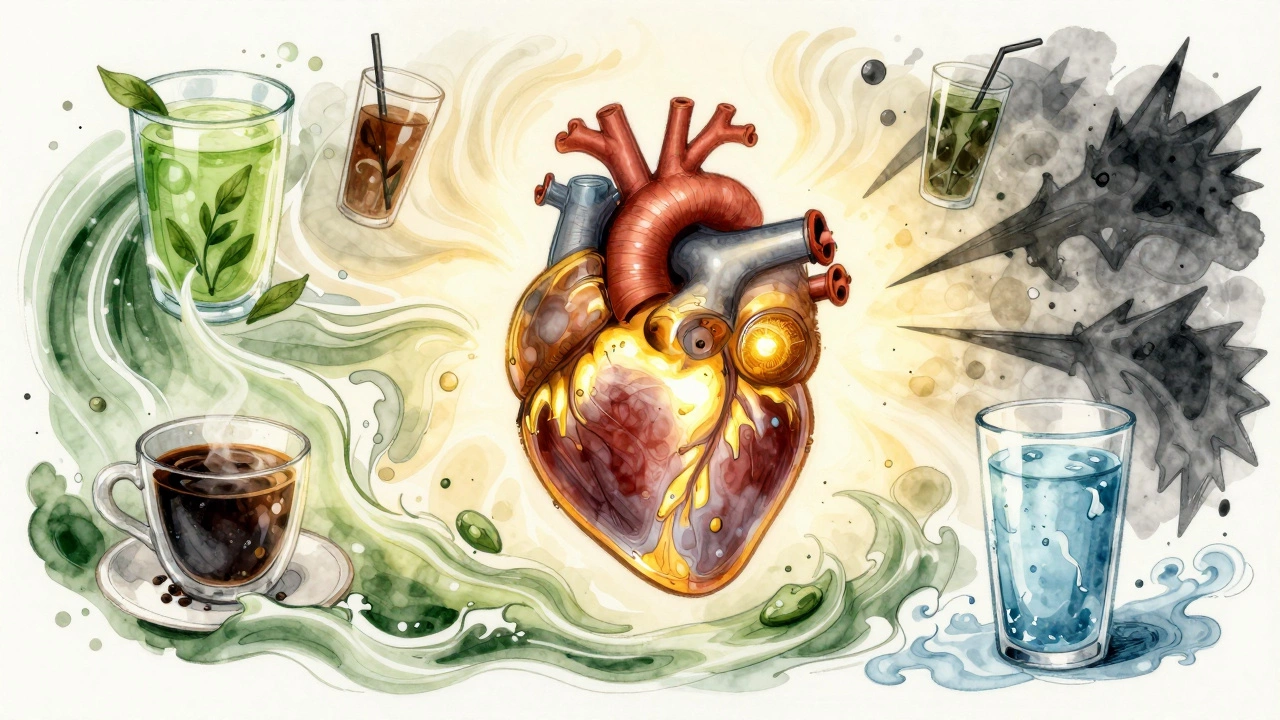
Some drinks are outright harmful to your heart. These aren’t even close to being “heart healthy.”
- Sugary sodas: One can a day increases heart disease risk by 20%. Sugar spikes insulin, promotes fat storage around organs, and inflames blood vessels.
- Energy drinks: High in caffeine and sugar, they can trigger dangerous heart rhythms, especially in young people. A 2024 study found a 40% higher risk of abnormal heartbeats within 2 hours of consumption.
- Flavored coffee drinks: A grande caramel macchiato can have 40 grams of sugar and 300 calories. That’s more than a candy bar.
- Commercial fruit juices: Even 100% juice is just concentrated sugar without fiber. A glass of orange juice has the sugar of four oranges-but none of the filling fiber.
Real People, Real Results
On Reddit’s r/HealthyPeople, one user wrote: “I gave up soda and switched to water and green tea. Three months later, my blood pressure dropped from 145/92 to 122/78. My doctor said I didn’t need meds anymore.”
Another shared: “I stopped drinking wine every night. I thought it was helping my heart. Turns out, I was sleeping worse and waking up with heart palpitations. After 60 days without alcohol, my resting heart rate dropped from 82 to 64.”
These aren’t outliers. They’re examples of what happens when you replace empty, harmful drinks with ones that actually support your body.

What You Can Do Today
You don’t need to overhaul your life. Start small.
- Swap one sugary drink a day for water or unsweetened tea.
- Try drinking coffee before noon, not all day.
- If you drink alcohol, cut back by half. Even small reductions help.
- Keep a glass of water next to your bed. Drink it when you wake up.
- Try beetroot juice once a week if you’re curious. Notice how you feel.
Heart health isn’t about one drink. It’s about what you choose most days. And the best drinks for your heart? They’re the ones that don’t come in a bottle with a health claim on the label. They’re the ones you’ve known for years: water, tea, coffee-simple, clean, and real.
Can drinking water really improve heart health?
Yes. Staying well-hydrated helps your blood stay thin and flow easily, reducing strain on your heart. A 20-year study of 15,000 adults found that those who drank five or more glasses of water daily had half the risk of dying from heart disease compared to those who drank two or fewer. It’s not a cure, but it’s one of the easiest, cheapest ways to support your cardiovascular system.
Is decaf coffee good for the heart?
Decaf coffee has some benefits-it still contains antioxidants-but it doesn’t offer the same level of protection as regular coffee. A 2023 study found that morning coffee drinkers had a 31% lower risk of cardiovascular death, while decaf drinkers saw little to no benefit. This suggests caffeine plays a role in how coffee affects heart rhythm and blood vessel function. Still, decaf is far better than sugary drinks.
Does red wine really protect the heart?
No. The idea that red wine is heart-healthy came from old observational studies that didn’t account for lifestyle differences. Newer genetic studies show that even small amounts of alcohol increase blood pressure and heart disease risk. The American Heart Association now says: don’t drink alcohol to protect your heart. If you drink, it’s for enjoyment-not health.
What’s the best non-alcoholic drink for lowering blood pressure?
Beetroot juice is one of the most effective. A daily 250ml serving can lower systolic blood pressure by up to 8 points in four weeks. Green tea and hibiscus tea also show strong results in clinical trials. But water remains the foundation-dehydration raises blood pressure, so staying hydrated is step one.
Are store-bought fruit juices healthy for the heart?
Not really. Even 100% fruit juice is high in sugar and lacks fiber. A glass of orange juice has the sugar of four oranges, but without the pulp that slows absorption. This causes blood sugar spikes, which over time increase inflammation and heart disease risk. Whole fruit is always better. If you drink juice, limit it to 4 ounces a day and choose unsweetened varieties.
Final Thought: It’s Not About Cleansing-It’s About Supporting
Your heart doesn’t need cleaning. It needs consistent care. Water keeps it moving. Coffee, when timed right, helps it beat steady. Tea lowers inflammation. Beetroot opens up your vessels. Alcohol? It’s a risk-not a remedy.
The best drink for your heart isn’t the one with the fanciest label. It’s the one you choose when you’re thirsty. And the next one. And the one after that.