Tea Brewing Parameter Calculator
Select a tea type to get the ideal water temperature and steep time based on professional guidelines.
You don't need a fancy degree or a centuries-old family tradition to be a "tea person." You just need to stop treating tea like a background beverage and start treating it like an experience. Right now, you might grab a bag, pour boiling water, and wait until you remember it five minutes later. That’s fine for survival, but it won’t make you a tea enthusiast. Becoming a tea person is about shifting your mindset from passive consumption to active appreciation. It’s about learning why that green tea tastes grassy, why your black tea turns bitter, and how the right cup can actually change your mood.
This isn’t about snobbery. It’s about getting more out of what you drink. Whether you want to cut back on coffee, find a calming evening ritual, or simply understand the hype around matcha and oolong, this guide will walk you through the practical steps to build that identity. We’ll cover everything from buying the right leaves to training your palate, so you can brew with confidence and taste with intention.
Quick Summary / Key Takeaways
- Switch to loose-leaf: Tea bags contain dust; loose leaves offer complex flavors and better health benefits.
- Control your temperature: Boiling water ruins delicate teas. Use a thermometer or let water cool before pouring.
- Master the steep time: Over-steeping causes bitterness. Use a timer and follow specific guidelines for each tea type.
- Train your senses: Look at the color, smell the aroma, and note the mouthfeel before you even swallow.
- Build a routine: Make tea a daily ritual, not just a caffeine fix. Match teas to times of day (black in morning, herbal at night).
Understanding What Makes a "Tea Person"
So, what actually defines a tea person? In the modern context, it’s not a certification you hang on the wall (though those exist). It’s a lifestyle choice. A tea person is someone who has moved beyond the binary of "I drink tea" vs. "I drink coffee." They understand that Camellia sinensis is the single plant species from which true teas-black, green, white, and oolong-are derived. They know that herbal infusions are technically tisanes, not true teas, because they come from different plants entirely.
Becoming a tea person means you start paying attention. You notice that the tea you drank yesterday was slightly sweeter than the one today. You care about where the leaves came from. You’ve stopped fearing the loose leaf. This identity emerges when you choose tea as your preferred daily beverage and deliberately cultivate the skills to brew it well. It’s a gradual evolution from casual drinker to engaged enthusiast, driven by curiosity rather than obligation.
The Big Shift: Ditching Bags for Loose Leaf
If there is one non-negotiable step to becoming a tea person, it’s switching to loose-leaf tea. I know, it sounds intimidating. You worry about mess, strainers, and extra cleanup. But here’s the truth: standard tea bags are filled with "fannings" or "dust"-the broken leftover bits from higher-quality processing. These tiny particles have a massive surface area, which means they release their flavor incredibly fast and then turn bitter within seconds.
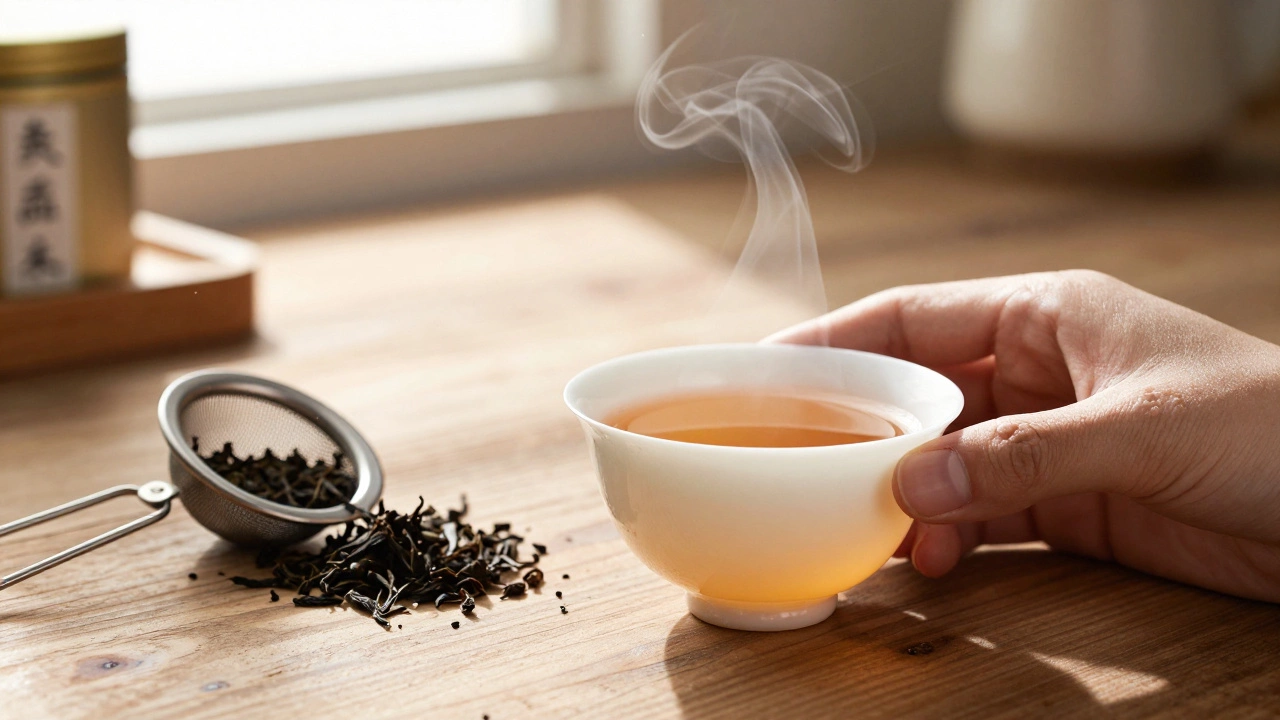
Loose-leaf tea consists of whole or large broken leaves. They unfold slowly in hot water, releasing layers of flavor that bags simply cannot replicate. To make this transition easier, invest in a good fine-mesh infuser is a stainless steel or silicone device that holds loose leaves while allowing water to flow freely, preventing sediment in your cup. Avoid flimsy metal balls that restrict water movement. You want the leaves to dance, not sit cramped in a cage. Once you taste the difference between a dusty bag and a fresh leaf, you likely won’t go back.
Brewing Fundamentals: Water, Temperature, and Time
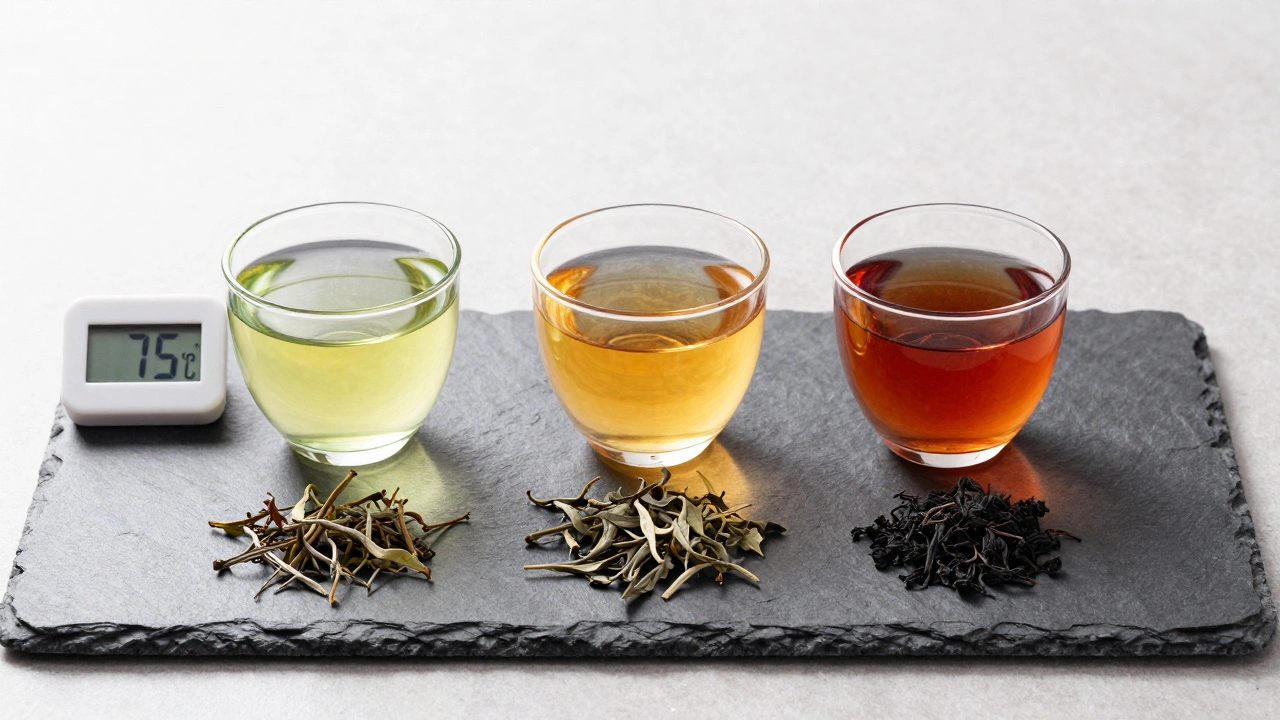
Brewing tea is chemistry. If you get the variables wrong, the result is unpleasant. Most beginners fail because they treat all tea the same way. They use boiling water for everything. This is a mistake. Different teas require different temperatures to extract their best qualities without pulling out harsh tannins.
| Tea Type | Water Temp (°F) | Water Temp (°C) | Steep Time | Flavor Profile |
|---|---|---|---|---|
| Black Tea | 200-212 °F | 93-100 °C | 3-5 mins | Robust, malty, brisk |
| Oolong Tea | 185-195 °F | 85-90 °C | 3-5 mins | Floral, fruity, creamy |
| Green Tea | 170-180 °F | 77-82 °C | 2-3 mins | Grassy, vegetal, sweet |
| White Tea | 160-185 °F | 71-85 °C | 4-5 mins | Delicate, floral, subtle |
| Herbal Tisane | 200-212 °F | 93-100 °C | 5-7 mins | Varies widely (mint, fruit, spice) |
Notice the drop in temperature for green and white teas? Using boiling water on these delicate leaves scorches them, resulting in a bitter, astringent cup that masks their natural sweetness. If you don’t have a variable-temperature kettle, boil the water and let it sit open for 2-3 minutes before pouring over green tea. For black tea, rolling boil is perfect.
Also, pay attention to your water source. Fresh, cold tap water is usually best. Never re-boil water. When water sits and cools, it loses dissolved oxygen, making the tea taste flat. And if your tap water smells like chlorine, consider using filtered water. Tea is mostly water, so if your water tastes bad, your tea will too.
Developing Your Palate: How to Taste Like a Pro
Drinking tea is easy. Tasting tea is a skill. To become a tea person, you need to engage all your senses, not just your tongue. Here is a simple framework to practice every time you brew a new variety:
- Inspect the Dry Leaves: Look at the color and shape. Are they twisted? Needle-like? Silvery buds? This gives you a clue about the processing method and origin.
- Smell the Aroma: Before adding water, smell the dry leaves. Then, after pouring, inhale deeply from the cup. Identify notes: floral, nutty, earthy, citrusy, or smoky?
- Observe the Liquor: Pour the tea into a clear glass or white cup. Note the color. Is it bright yellow, deep amber, or pale gold? Color indicates oxidation level and quality.
- Sip and Feel: Take a small sip. Let it coat your mouth. Don’t swallow immediately. Notice the texture. Is it smooth and silky, or thick and coating? This is called "mouthfeel."
- Note the Aftertaste: Swallow and breathe out through your nose. What lingers? Sweetness? Bitterness? A cooling sensation? This is the finish.
Don’t worry if you can’t identify "bergamot" or "orchid" right away. Start with broad categories: sweet, sour, bitter, salty, umami. Over time, your brain will build a database of flavors. Compare teas side-by-side. Brew a cheap green tea next to a high-end Japanese Sencha. The difference will teach you more than any textbook.
Building a Daily Tea Routine
A tea person doesn’t just drink tea randomly; they have rituals. Think about how you use caffeine. Do you need a jolt in the morning? Or do you want to wind down at night? Tailor your tea choices to your lifestyle.
Morning: Black teas or roasted oolongs provide a steady caffeine boost without the jittery crash of coffee. Try an Assam or a Ceylon for something bold.
Afternoon: Green teas or lighter oolongs offer focus and clarity. They are less acidic than coffee, so they’re gentler on your stomach if you’re eating lunch.
Evening: Switch to herbal tisanes. Chamomile, peppermint, or rooibos are naturally caffeine-free. This helps signal to your body that it’s time to relax. Avoid true teas (from Camellia sinensis) after 6 PM unless you are sure you can sleep despite the caffeine.
Make tea a "daily discovery." Even if you drink the same blend three days in a row, approach each cup with curiosity. Ask yourself: "Did I steep this too long? Was the water too hot?" This mindfulness turns a mundane habit into a meditative practice.
Common Mistakes to Avoid
As you start this journey, watch out for these pitfalls that keep beginners from progressing:
- Over-steeping: Leaving the leaves in too long extracts tannins, which cause bitterness. Set a timer. Seriously.
- Using dirty equipment: Tea oils can build up in pots and kettles, leading to rancid flavors. Wash your teaware with mild soap and warm water regularly.
- Ignoring storage: Tea is hygroscopic, meaning it absorbs moisture and odors. Store your loose leaves in airtight, opaque containers away from light and heat. Keep them away from spices or coffee beans.
- Fearing complexity: You don’t need a $500 gaiwan set to start. A mug, an infuser, and a kettle are enough. Upgrade your gear only when you feel ready.
Next Steps and Troubleshooting
If your tea tastes bland, check your leaf-to-water ratio. A good rule of thumb is one teaspoon of loose leaf per 8 ounces (237 ml) of water. If it’s too weak, add more leaf, not more time. If it’s too strong, reduce the steep time.
Once you’ve mastered the basics, explore further. Try a gaiwan is a traditional Chinese lidded bowl used for brewing tea, allowing precise control over temperature and steeping time. It’s affordable and teaches you a lot about handling leaves. Attend a local tea tasting or join an online community to compare notes. Consider taking a structured course if you want to dive deep into terroir and processing methods.
Remember, being a tea person is a marathon, not a sprint. Enjoy the process. Be patient with your palate. And most importantly, drink what you love. There’s no wrong answer, only preferences waiting to be discovered.
Is loose-leaf tea healthier than tea bags?
Yes, generally. Loose-leaf tea contains whole or large broken leaves, which retain more antioxidants and essential oils. Tea bags often contain fannings or dust, which have been processed more heavily and may lose some nutritional value. Additionally, some tea bags contain microplastics or glues that can leach into hot water, whereas loose leaf is pure plant material.
Can I reuse tea leaves?
Absolutely. High-quality loose-leaf teas, especially oolongs and pu-erhs, can be steeped multiple times. Each infusion reveals different flavor notes. Start with short steeps (30-60 seconds) and increase the time slightly with each subsequent brew. Black and green teas usually hold up for 2-3 infusions, while oolongs and pu-erhs can go for 5-10 or more.
What is the best water for brewing tea?
Fresh, cold, filtered water is ideal. Avoid distilled water, as it lacks minerals needed for proper extraction and can taste flat. Also, avoid re-boiling water, as it loses oxygen and makes the tea taste stale. If your tap water has a strong chlorine smell, use bottled spring water or a good filtration system.
Do I need a special kettle?
Not initially. Any kettle works for black and herbal teas. However, if you plan to drink green, white, or delicate oolongs regularly, a variable-temperature kettle is highly recommended. It allows you to hit the precise lower temperatures required to avoid bitterness. Until then, letting boiled water sit for a few minutes is a effective workaround.
How should I store my tea?
Store tea in airtight, opaque containers away from light, heat, moisture, and strong odors. Tea absorbs smells easily, so never store it near spices or coffee. Metal tins or dark glass jars work well. Keep them in a cool, dry cupboard. Properly stored, most teas stay fresh for 6-12 months, though green tea is best consumed within 6 months.