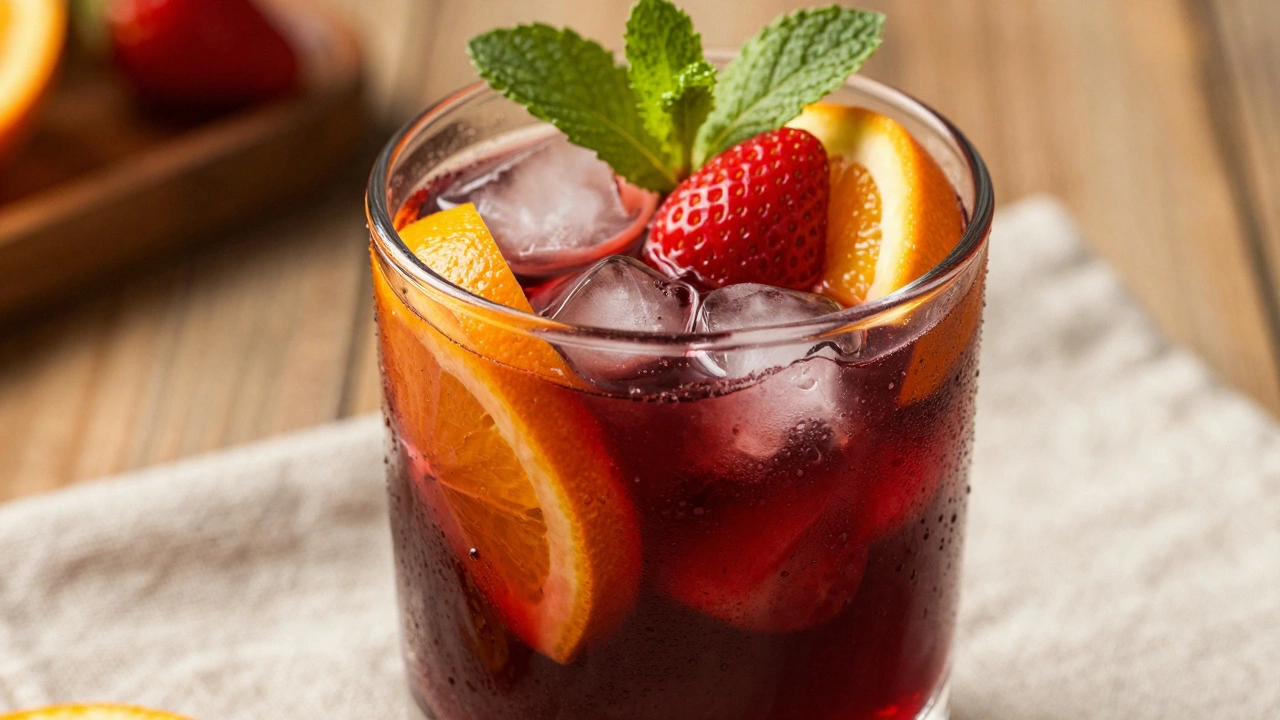
There is something undeniably charming about the Port Wine Cobbler, a drink that feels less like a modern concoction and more like a warm hug from history. It is not just another cocktail; it is a bridge back to the 19th century when social gatherings revolved around communal vessels and simple, robust flavors. If you have ever wondered how people drank before the age of complex infusions and molecular gastronomy, this is your answer. The beauty of this drink lies in its simplicity. You do not need a fancy shaker or obscure bitters. You just need good fruit, quality wine, and a bit of patience.
Many bartenders today overlook the cobbler family because they prefer high-energy, shaken drinks. But there is a reason why the Port Cobbler survived the test of time. It relies on the natural sweetness of fresh fruit rather than heavy syrups. This makes it lighter, more refreshing, and surprisingly versatile depending on the season. Whether you are hosting a dinner party or enjoying a quiet evening at home, mastering this recipe adds a sophisticated yet approachable element to your repertoire.
The History Behind the Cobbler Family
To truly appreciate the Port Wine Cobbler, you have to understand where it comes from. The term "cobbler" in mixology does not refer to footwear. Instead, it traces back to the early 1800s in America. Originally, these drinks were made with whatever spirits were available-often brandy, rum, or wine-and served over crushed ice. The name likely comes from the way the ingredients were "cobbled" together in a glass, creating a rough but delicious mixture.
During the Prohibition era, many classic recipes fell out of favor as people turned to bootlegged spirits. However, wine-based cobblers persisted because wine was harder to ban effectively in some regions. The Port Wine Cobbler specifically gained popularity in the Victorian era, where port wine was a staple for digestion after meals. Today, we view it through the lens of heritage cocktails, similar to how we might look at an Old Fashioned or a Sazerac. It represents a time when drinking was slower, more deliberate, and deeply connected to the quality of raw ingredients.
Choosing Your Ingredients
The secret to a great Port Wine Cobbler is not in the technique-it is in the selection. Since the recipe has only a few components, each one must shine. Let us break down what you need to buy.
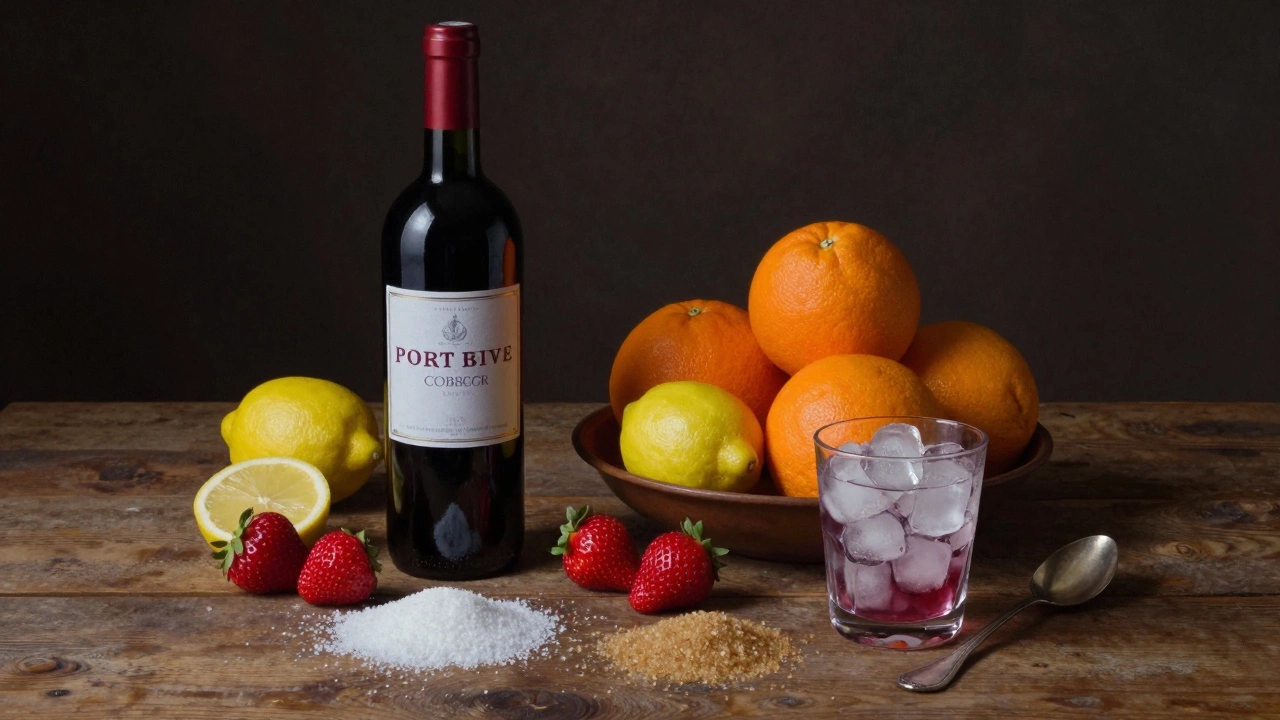
Port Wine: You want a ruby port. Ruby ports are younger, fresher, and retain more of the grape's natural fruitiness compared to tawny ports, which develop nutty, oxidative notes over decades. A bottle of Graham's or Taylor's works perfectly here. Do not use vintage port unless you want to spend a fortune on a single drink. Look for bottles labeled "Late Bottled Vintage" (LBV) if you want a step up in quality without breaking the bank.
Fresh Fruit: Citrus is non-negotiable. Oranges and lemons provide the necessary acidity to cut through the richness of the port. In the summer, adding strawberries or raspberries enhances the floral notes. If you are making this in winter, stick to citrus and perhaps add a cinnamon stick for warmth. Always use fresh fruit. Canned or frozen fruit lacks the structural integrity and bright flavor needed to stand up to the alcohol.
Sugar: White sugar is traditional, but brown sugar adds a molasses depth that pairs beautifully with port. Simple syrup works too, especially if you are serving multiple guests, as it dissolves faster in cold liquids.
Ice: Crushed ice is essential. Large cubes will melt too slowly, leaving you with a watery drink by the end. Crushed ice creates a slush-like texture that chills the drink rapidly while gently diluting it, balancing the intense sweetness of the port.
Step-by-Step Recipe Instructions
Making a Port Wine Cobbler is straightforward, but timing matters. Here is how to execute it flawlessly.
- Prepare the Glass: Start with a sturdy tumbler or a classic cobbler glass. These glasses usually have a rounded bottom and a wide mouth, perfect for holding fruit and ice.
- Add the Fruit: Place two orange slices and two lemon slices into the glass. Add three to four fresh strawberries or raspberries if you have them. Gently muddle the fruit with a spoon to release the juices. You are not trying to make a puree; just enough to extract the essence.
- Add Sweetener: Sprinkle one teaspoon of granulated sugar over the fruit. If using simple syrup, add half a ounce. The sugar will help draw out more juice from the citrus as it sits.
- Pour the Port: Fill the glass almost to the top with chilled port wine. Chilling the port beforehand helps maintain the temperature longer.
- Add Ice: Top with plenty of crushed ice. Pack it down slightly so the fruit floats near the surface.
- Garnish: Finish with a sprig of mint or a maraschino cherry for color. A twist of orange peel expressed over the top adds an aromatic lift.
The key here is balance. Taste as you go. If the drink tastes too tart, add a little more sugar. If it feels too sweet, squeeze a bit more lemon. Every batch of fruit varies in sweetness, so adjust accordingly.
Variations and Seasonal Twists
One of the best things about the Port Wine Cobbler is its adaptability. You can tweak it to suit different seasons or dietary preferences.
In the spring, try adding elderflower cordial. The delicate floral notes complement the berry undertones in ruby port. For autumn, swap the strawberries for pears and add a dash of Angostura bitters. The spice profile shifts dramatically, making it feel cozy and hearty. During winter holidays, infuse your port with star anise and cloves for 24 hours before serving. This creates a mulled-wine effect that is incredibly festive.
If you want a stronger kick, add a splash of dark rum. Rum and port share similar caramel and vanilla notes, so they blend seamlessly. Alternatively, a float of amaretto adds a nutty dimension that appeals to those who enjoy dessert-like cocktails.
| Season | Fruit Addition | Flavor Enhancer | Garnish |
|---|---|---|---|
| Spring | Strawberries | Elderflower Cordial | Mint Sprig |
| Summer | Raspberries | Lemon Juice | Orange Slice |
| Autumn | Pears | Angostura Bitters | Cinnamon Stick |
| Winter | Dried Figs | Star Anise Infusion | Clove-Studded Orange |
Serving Suggestions and Pairings
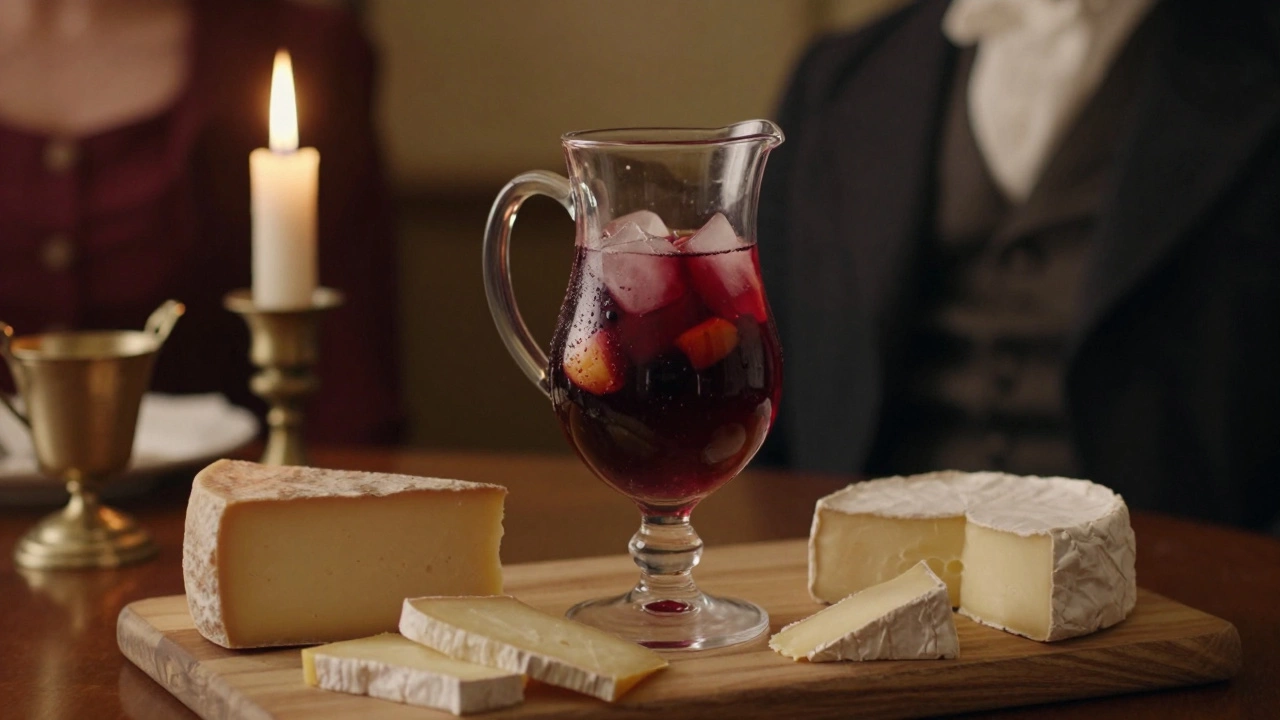
A Port Wine Cobbler is not just a drink; it is an experience. Serve it during appetizers or as a digestif after a rich meal. Its sweetness pairs exceptionally well with cheese boards. Think sharp cheddar, creamy brie, or even blue cheese. The contrast between the salty, tangy cheese and the fruity, alcoholic punch is delightful.
For food pairings, consider dishes with earthy tones. Mushroom risotto, roasted root vegetables, or chocolate desserts work wonderfully. Avoid spicy foods, as the heat can clash with the subtle fruit notes in the port. Instead, opt for mild, comforting meals that allow the cocktail to take center stage.
If you are hosting a group, make a pitcher version. Scale up the ingredients proportionally, but remember to taste before adding all the ice. Pitcher drinks tend to dilute faster, so keep the ice separate until serving time. This ensures everyone gets a consistent flavor profile.
Troubleshooting Common Issues
Even simple recipes can go wrong. Here are some common pitfalls and how to fix them.
Too Watery: This happens if you let the drink sit too long with ice. Use larger chunks of crushed ice or replenish the ice frequently. Also, chill your glassware beforehand to reduce melting.
Too Sour: If your oranges or lemons are particularly acidic, increase the sugar content. Brown sugar adds depth and masks excessive tartness better than white sugar.
Flat Flavor: Freshness is key. Stale fruit or oxidized port will result in a dull drink. Always use recently opened port and ripe, vibrant fruit. If the port has been open for more than a week, it may have lost its aroma.
Can I use sparkling wine instead of port?
Yes, you can create a Sparkling Cobbler using prosecco or cava. However, the flavor profile changes significantly. Sparkling wines are drier and less viscous, so you may need to add more sugar or fruit syrup to balance the acidity. The bubbles also dissipate quickly, so serve immediately.
How long can I store leftover Port Wine Cobbler?
It is best consumed fresh. The fruit begins to break down and lose its brightness within a few hours. If you must store it, keep it in the refrigerator for no more than 24 hours. Stir well before serving, as the flavors will settle.
Is Port Wine Cobbler strong?
Port wine typically has an alcohol content of 19-22%, which is higher than table wine but lower than spirits. The addition of fruit, sugar, and ice dilutes the strength, making it a moderately potent drink. It is easy to sip, so be mindful of your intake.
What type of glass should I use?
A traditional cobbler glass is ideal due to its shape, but any short, wide tumbler works. Avoid tall, narrow glasses as they do not accommodate the fruit and ice properly. The wide mouth allows the aromas of the fruit and port to escape, enhancing the drinking experience.
Can I make a non-alcoholic version?
Absolutely. Replace the port wine with a high-quality grape juice or a non-alcoholic fortified wine substitute. Add extra citrus and sugar to mimic the complexity of port. It makes a fantastic mocktail for all ages.