There’s no such thing as a classy woman's drink-not really. Not anymore. Not if you care about what you actually like.
For decades, bars and advertisers told women what to order. Pink drinks. Sweet drinks. Drinks served in tiny glasses with a fancy straw. The Cosmopolitan. The Pink Lady. The Margarita. These weren’t chosen because they tasted better. They were chosen because they fit a stereotype. A marketing stereotype. And it stuck.
Let’s be clear: the Cosmopolitan didn’t become famous because it was elegant. It became famous because Sex and the City showed four women sipping it in New York City bars, 78 times across six seasons. That’s not culture-that’s TV. The drink itself? A 2:1:1:0.5 mix of vodka, triple sec, cranberry juice, and lime. It’s tart, sweet, and bright. But so is a gin and tonic. So is a whiskey sour. So is a Negroni. Why is one ‘for women’ and another ‘for men’?
It Was Never About Taste-It Was About Marketing
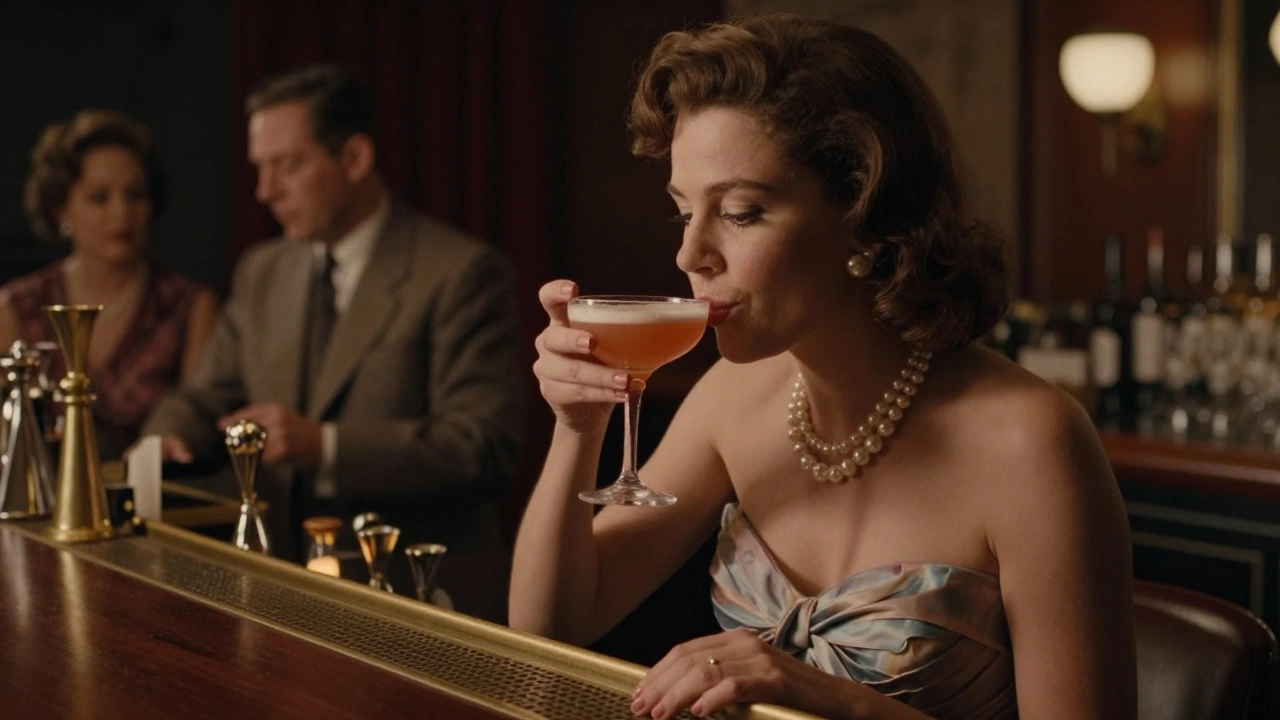
The idea that women should drink sweet, low-alcohol cocktails started in the 1950s. That’s when brands like Bacardi began running ads showing women in pearls sipping Daiquiris. It wasn’t about flavor. It was about selling more alcohol by convincing women they needed ‘lady-friendly’ options. The same companies sold bourbon to men as ‘strong,’ ‘bold,’ and ‘for real men.’
But history tells a different story. Before the Cosmopolitan, women in speakeasies during Prohibition were drinking the Pink Lady: gin, egg white, grenadine, lemon juice. It took skill to make it right-dry shake for 15 seconds, then shake with ice. It was frothy, complex, and not sweet in the way modern cocktails are. It was classy. And it was made by bartenders, not marketers.
The Margarita? Created in 1936 by a Mexican bartender named Carlos ‘Danny’ Herrera. He made it for a customer who was allergic to all alcohol except tequila. He added lime and salt. It wasn’t designed for women. It just became popular with them. Today, it’s still the most ordered cocktail by women in U.S. bars-32% of all female cocktail orders, according to Nielsen’s 2022 data. But that doesn’t mean it’s a ‘woman’s drink.’ It means it’s delicious.
What Actually Makes a Drink Classy?
Classiness isn’t in the color. It’s not in the garnish. It’s not even in the glass.
It’s in the details.
A classy drink is made with fresh ingredients. It’s balanced-not too sweet, not too sour. It’s served in the right glass. Not a plastic tumbler. Not a mason jar. A coupe. A wine glass. A martini glass. Something that lets you hold it, feel it, smell it. And it’s made with care. One large ice cube, not crushed. A twist of citrus, not a sugary rim.
Studies show 78% of women in a 2022 Zagat survey said drinks served in stemware felt more sophisticated. Why? Because the glass changes the experience. It slows you down. It makes you pay attention. That’s class.
And then there’s the alcohol. The Cosmopolitan? Around 22% ABV. The Aperol Spritz? Just 11%. That’s not because spritzes are ‘feminine.’ It’s because people are drinking less now. In 2019, women aged 25-44 increased low-ABV cocktail orders by 37%. That’s not about gender. That’s about health. About taste. About wanting to enjoy more than one drink without feeling it.
The Drinks That Actually Got It Right
Some drinks never cared about gender. And they still hold up.
- The Aviation-gin, lemon, maraschino, crème de violette. Pale purple. Delicate. Made in the 1910s. It was called ‘ladylike’ because of its color. Today, it’s just a beautiful cocktail.
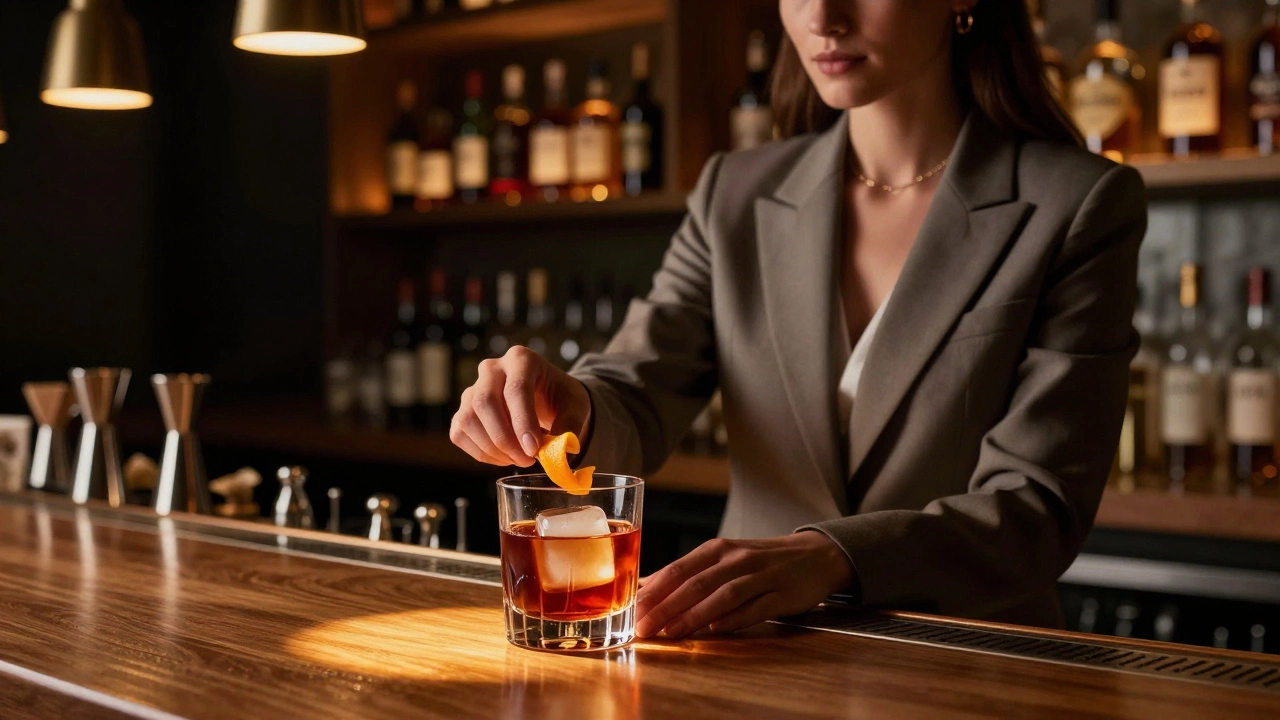
- The Old Fashioned-bourbon, sugar, bitters, orange. Simple. Strong. 32% ABV. Still 68% male-ordered. But women have been drinking it since the 1800s. You just didn’t hear about it.
- The Boulevardier-bourbon, Campari, sweet vermouth. Like a Negroni, but richer. 24% ABV. Gen Z women are ordering it 220% more than Millennials did at the same age.
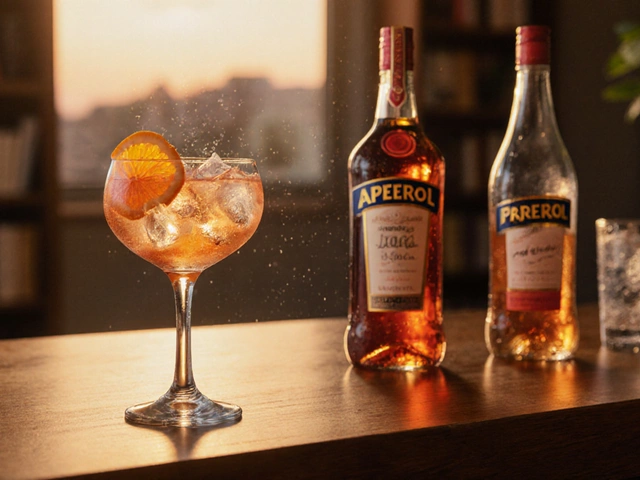
- The Aperol Spritz-Prosecco, Aperol, soda. Bitter, bright, fizzy. 11% ABV. Popular in Italy. Now everywhere. Not because it’s ‘for women.’ Because it’s refreshing.
These drinks don’t need labels. They stand on their own.
Why the Myth Is Hurting Women
There’s a real cost to this myth.
A 2020 study from the University of Birmingham found that women who ordered a whiskey neat were seen as 37% more competent in professional settings-but 28% less approachable socially. That’s the double bind. If you drink like a man, you’re strong but cold. If you drink like a woman, you’re sweet but weak.
And it’s not just perception. It’s service. A 2023 Reddit thread from a woman who ordered an Old Fashioned at a fancy bar got 2,843 upvotes because the bartender asked, ‘Do you want it with less whiskey? It’s strong for a lady.’
That’s not hospitality. That’s assumption.
Bars that still use phrases like ‘for ladies’ on their menus? They’re getting lower ratings. Zagat’s 2023 analysis of 15,000 bars showed drinks labeled ‘for women’ scored 1.2 stars lower than identical drinks without that label. People are tired of being told what to like.
What You Should Order Instead
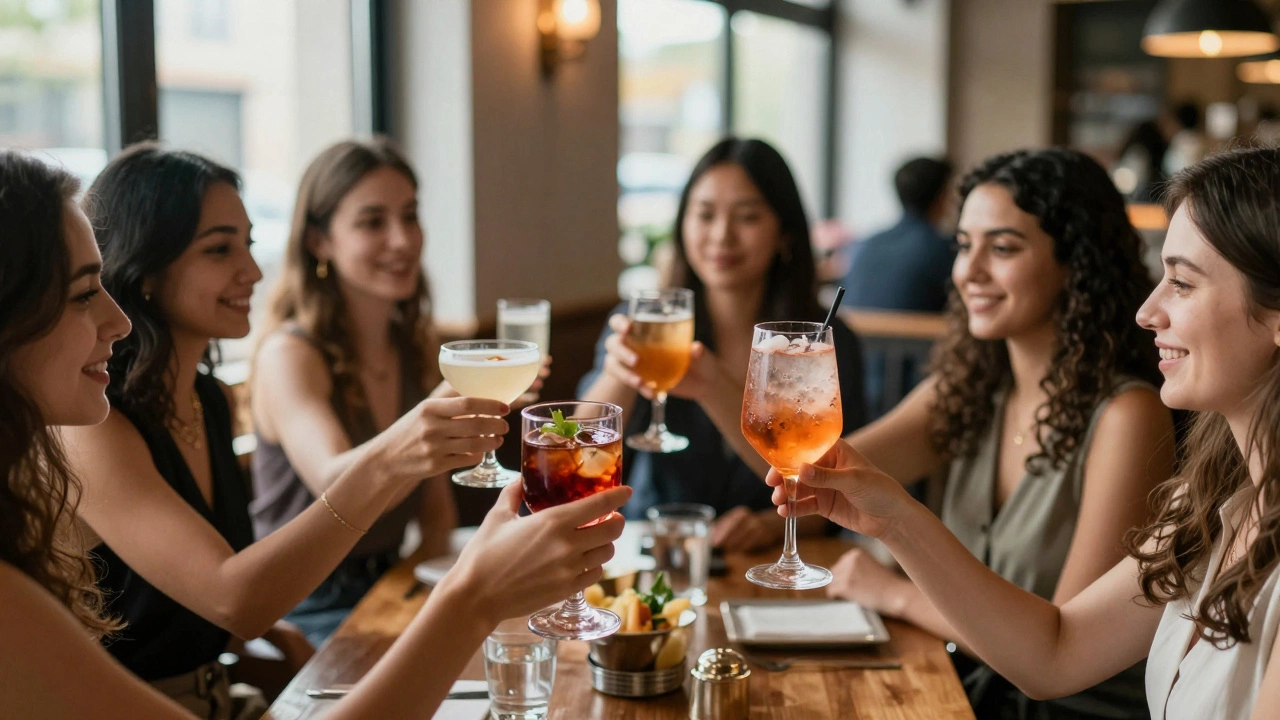
Forget gender. Think about what you enjoy.
Do you like sweet? Try a Negroni Sbagliato-Prosecco instead of gin. Light. Bitter. Fizzy.
Do you like citrus? Go for a Gimlet-gin, lime, simple syrup. Clean. Sharp. Perfect.
Do you like something warm and herbal? A Hot Toddy with rye whiskey, honey, lemon, and a cinnamon stick. Comforting. Simple. Real.
Do you want to impress? Ask the bartender: ‘What are you drinking tonight?’
That’s the new classy move. Not the Cosmopolitan. Not the Margarita. Not the Pink Lady. Just asking someone who knows.
A 2022 Eater interview with bartender Natasha David showed that 40% more women are now saying, ‘Whatever you’re drinking.’ That’s not a trend. That’s a revolution.
The Future Doesn’t Have Gendered Drinks
The World Class Global Bartender Competition dropped its ‘Best Cocktail for Women’ category in 2023. 1,200 industry professionals signed the petition. 78 of them were women.
83% of new cocktail bars opening in 2022-2023 don’t label drinks by gender. That’s up from 37% in 2018.
And it’s not just bars. The global premium cocktail market is worth $14.3 billion. Women make up 41% of consumers-but 52% of sales in the ‘feminine’ segment. That’s not because they like pink drinks. It’s because they’ve been sold them for decades.
Now, the tide is turning. Women are ordering Boulevardiers. Old Fashioneds. Sours. Negronis. Highballs. They’re asking for local ingredients. Single-origin spirits. Proper ice. Made-to-order.
Classiness isn’t about what’s in the glass. It’s about what’s behind the order.
It’s confidence.
It’s curiosity.
It’s knowing your own taste-and not letting anyone tell you what you should like.
The next time someone says, ‘What’s a classy woman’s drink?’-just smile and say: ‘The one I’m drinking.’