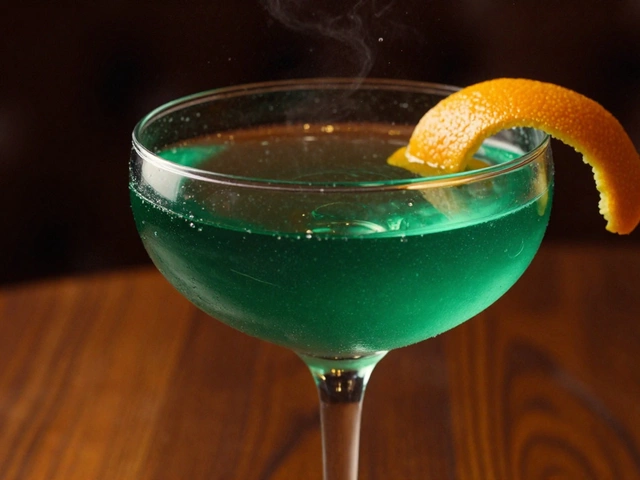
There is a moment in every bartender’s career when they realize that less is often more. You don’t need exotic syrups, house-made bitters from obscure botanicals, or garnishes that look like tiny sculptures. Sometimes, the best drink you can make is just two ingredients, shaken with ice, and strained into a chilled glass. That is the essence of the Racquet Club cocktail.
If you have spent any time exploring classic mixology, you might recognize this drink as a close cousin to the Martini. In fact, many people confuse them. But while the Martini leans heavily on gin, the Racquet Club gives equal weight to dry vermouth, a fortified wine aromatized with herbs and spices. This balance makes it lighter, slightly drier, and incredibly refreshing. It was born in the early 20th century at the Racquet Club in New York City, a place where socialites and athletes alike sought refuge from the heat and the noise of the city.
The History Behind the Name
To understand why this drink tastes the way it does, you have to look at where it came from. The Racquet Club wasn’t just any bar; it was an exclusive social club in Manhattan during the 1910s and 1920s. Back then, "racquet" referred to sports like tennis and badminton, which were becoming popular among the upper class. The club catered to people who wanted a sophisticated but relaxed atmosphere after a game or a day of business.
The drink itself appeared in print around 1917. It was simple because simplicity was elegant. Before the widespread availability of complex liqueurs and flavored spirits, bartenders relied on high-quality base ingredients. The Racquet Club cocktail reflected that era’s preference for clarity and purity. It wasn’t trying to hide behind sweeteners or fruit juices. It was about showcasing the quality of the gin and the vermouth.
Interestingly, the name stuck even though the original club no longer exists in its original form. Today, when you order a Racquet Club, you are ordering a piece of Prohibition-era history. It represents a time when cocktails were defined by their spirit-forward nature and precise preparation rather than flashy presentation.
Ingredients: Quality Over Quantity
You only need three things to make this drink: gin, dry vermouth, and ice. Some recipes suggest a lemon twist for garnish, but purists argue that the citrus oil should be expressed over the drink before discarding the peel, not left inside to infuse bitterness. Let’s break down what you actually need.
- London Dry Gin: A juniper-forward spirit with botanical notes of coriander, angelica, and citrus peel. Look for brands like Tanqueray, Beefeater, or Hendrick’s. Avoid gins that are too floral or overly sweet, as they will clash with the dryness of the vermouth.
- Dry Vermouth: A white fortified wine infused with wormwood and other botanicals. Cinzano, Dolin, and Noilly Prat are reliable choices. Freshness matters here. Once opened, vermouth oxidizes quickly, so keep it refrigerated and use it within a month.
- Cold Ice Cubes. Large, clear cubes are ideal because they melt slower, preventing your drink from becoming watered down too quickly.
The ratio is critical. A standard Martini might use 6 parts gin to 1 part vermouth. The Racquet Club is different. It uses a 2:1 ratio. Two ounces of gin to one ounce of dry vermouth. This equal footing allows the herbal complexity of the vermouth to shine through without being overwhelmed by the alcohol burn of the gin.
Step-by-Step Preparation
Making a Racquet Club is straightforward, but technique matters. Here is how you do it right.
- Chill Your Glass: Start by placing a coupe glass or a martini glass in the freezer for at least 10 minutes. If you don’t have a freezer, fill it with ice water while you prepare the drink. A cold glass keeps the cocktail colder longer.
- Measure Accurately: Pour 2 ounces of London Dry Gin and 1 ounce of Dry Vermouth into a mixing glass or a shaker tin. Precision ensures the balance stays true.
- Add Ice: Fill the vessel with plenty of ice cubes. You want enough ice to surround the liquid completely.
- Stir, Don’t Shake: This is a common point of debate. For a Racquet Club, stirring is preferred. Shaking introduces air bubbles and chills the drink faster, but it also dilutes it more and creates a cloudy appearance. Stirring gently for about 30 seconds chills the drink smoothly while maintaining its crystal-clear look. Use a bar spoon and rotate it steadily against the side of the glass.
- Strain: Discard the ice water from your chilled glass. Place a Hawthorne strainer or a julep strainer over the mixing glass and pour the contents into the serving glass.
- Garnish: Express a lemon twist over the surface of the drink. Rub the peel along the rim to release the oils, then drop it in or discard it, depending on your preference.
Why stir instead of shake? Because clarity is key. The Racquet Club is supposed to look elegant and transparent. Shaking turns it frothy and opaque, which changes the visual appeal entirely. Plus, the gentle agitation of stirring preserves the delicate aromatic compounds in the gin and vermouth better than violent shaking.

Variations and Modern Twists
While the classic recipe is timeless, modern bartenders sometimes experiment with variations. If you want to try something different, consider these adjustments.
| Variation | Modification | Flavor Profile |
|---|---|---|
| Green Racquet Club | Use dry vermouth and add a dash of absinthe | Anise-forward, more herbal, slightly bitter |
| Low-ABV Version | Reduce gin to 1.5 oz, increase vermouth to 1.5 oz | Drier, less alcoholic, more wine-like |
| Botanical Twist | Use a floral gin like Hendrick’s | Sweeter, cucumber notes, softer finish |
The Green Racquet Club adds a layer of complexity with absinthe, echoing the style of a Sazerac. It’s for those who enjoy bold, medicinal flavors. The low-ABV version is perfect for afternoon drinking when you want the taste without the heavy buzz. And using a floral gin transforms the drink into something softer and more approachable for beginners.
Troubleshooting Common Mistakes
Even simple drinks can go wrong if you aren’t careful. Here are the most frequent issues people face when making a Racquet Club.
- Warm Drink: If your cocktail isn’t cold enough, your ice wasn’t cold enough, or you didn’t chill the glass properly. Always start with frozen ice and a pre-chilled vessel.
- Bitter Taste: This usually comes from old vermouth. Vermouth is perishable. If it has been open for more than a month, throw it out. Oxidized vermouth tastes like stale cardboard and ruins the balance.
- Too Strong: If the gin overwhelms the palate, you likely used too much gin or not enough vermouth. Stick to the 2:1 ratio. If you still find it strong, try adding a splash of soda water to lighten it up.
- Cloudy Appearance: Did you shake it? Shaking aerates the liquid. Stirring keeps it clear. If you prefer a shaken version, accept that it will look different, but know that it deviates from tradition.
Another mistake is using cheap gin. Since there are only two main ingredients, the quality of the gin is paramount. A poorly made gin will taste harsh and chemical. Invest in a decent bottle, and the difference will be night and day.

Pairing Suggestions
What do you eat with a Racquet Club? Because it is dry and herbaceous, it pairs well with light, savory foods. Think oysters, smoked salmon, or a simple cheese plate with goat cheese and figs. Avoid heavy, creamy sauces or spicy dishes, as they will clash with the delicate botanicals in the gin.
A Racquet Club is also a great aperitif. Serve it before dinner to stimulate the appetite. Its dryness cuts through richness and prepares your palate for heavier courses. It’s not a drink you sip slowly over hours; it’s a drink you enjoy in one sitting, appreciating its crisp finish.
Why You Should Try It
In a world of complicated craft cocktails, the Racquet Club stands out for its restraint. It reminds us that great drinks don’t need to shout to be heard. They just need to be well-made. Whether you are hosting a dinner party or enjoying a quiet evening at home, this cocktail offers sophistication without pretension.
Next time you reach for your gin, skip the tonic water. Grab some dry vermouth, chill a glass, and stir yourself a piece of history. You might just discover your new favorite drink.
Is a Racquet Club cocktail the same as a Martini?
No, they are not the same. While both use gin and dry vermouth, the ratios differ. A Martini typically uses more gin (e.g., 6:1), making it stronger and less herbal. A Racquet Club uses a 2:1 ratio, giving the vermouth a more prominent role and resulting in a drier, lighter drink.
Should I shake or stir a Racquet Club cocktail?
You should stir it. Stirring chills the drink without aerating it, keeping the liquid clear and smooth. Shaking introduces bubbles and clouds the drink, which is not traditional for this style of cocktail.
Can I use sweet vermouth instead of dry vermouth?
Technically yes, but it will change the drink significantly. Using sweet vermouth makes it closer to a Manhattans flavor profile. The classic Racquet Club relies on the dryness of white vermouth to balance the gin. If you prefer sweeter drinks, stick to a Manhattan or a Rob Roy.
How long does opened vermouth last?
Opened vermouth should be refrigerated and used within 3-4 weeks. After that, it begins to oxidize and lose its fresh flavor, turning bitter and flat. For best results, buy small bottles if you don’t use it frequently.
What type of glass is best for a Racquet Club?
A chilled coupe glass or a martini glass is traditional. These wide-bowled glasses allow the aromas of the gin and vermouth to escape, enhancing the drinking experience. Avoid tall glasses like highballs, as they are designed for mixed drinks with mixers.