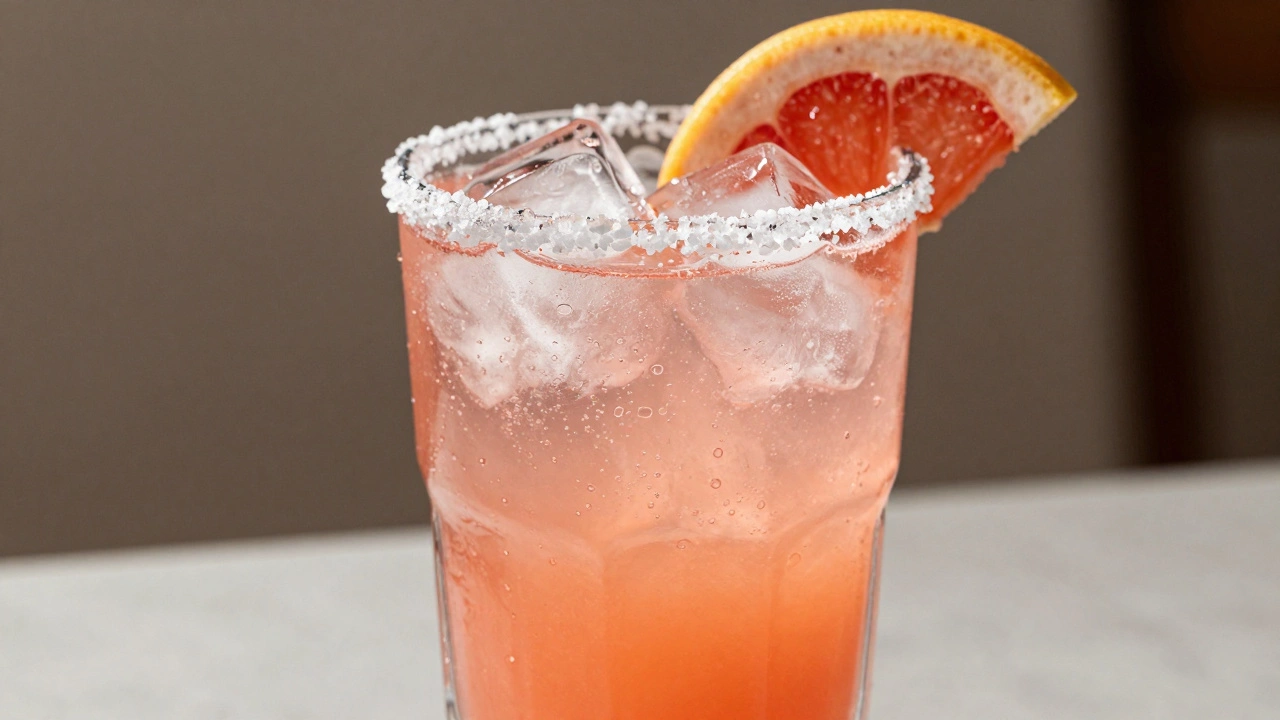
There is nothing worse than being the only one at a dinner party without something refreshing in hand. You want that bright, zesty kick of citrus and salt, but you don't want the alcohol. That is exactly where the Virgin Paloma comes in. It is a sophisticated, non-alcoholic drink that mimics the classic tequila-based cocktail using fresh grapefruit juice, lime, and soda. Whether you are driving, pregnant, or just cutting back on booze, this drink delivers all the flavor without the hangover.
The original Paloma is famous for its simplicity: tequila blanco, fresh grapefruit juice, lime, salt, and soda. When you strip away the spirit, you might think the drink falls flat. It doesn’t have to. In fact, removing the alcohol allows the delicate bitterness of the grapefruit and the sharp acidity of the lime to shine even brighter. The key is balancing those flavors so they stand up on their own.
Why the Virgin Paloma Works So Well
Most mocktails fail because they try to replicate the 'burn' of alcohol with sugar or artificial syrups. A good Virgin Paloma avoids that trap. It relies on texture and temperature. The carbonation from the soda provides body, while the salt rim enhances the perception of sweetness and sourness simultaneously. This is basic food science working in your favor.
Grapefruit is a polarizing fruit. Some people love its bitter tang; others find it too harsh. In a cocktail context, however, that bitterness is essential. It cuts through the sweetness of agave syrup and creates a complex flavor profile that feels adult and refined. Unlike orange juice, which can be cloying, grapefruit keeps the palate clean and refreshed.
Ingredients You Need for the Perfect Batch
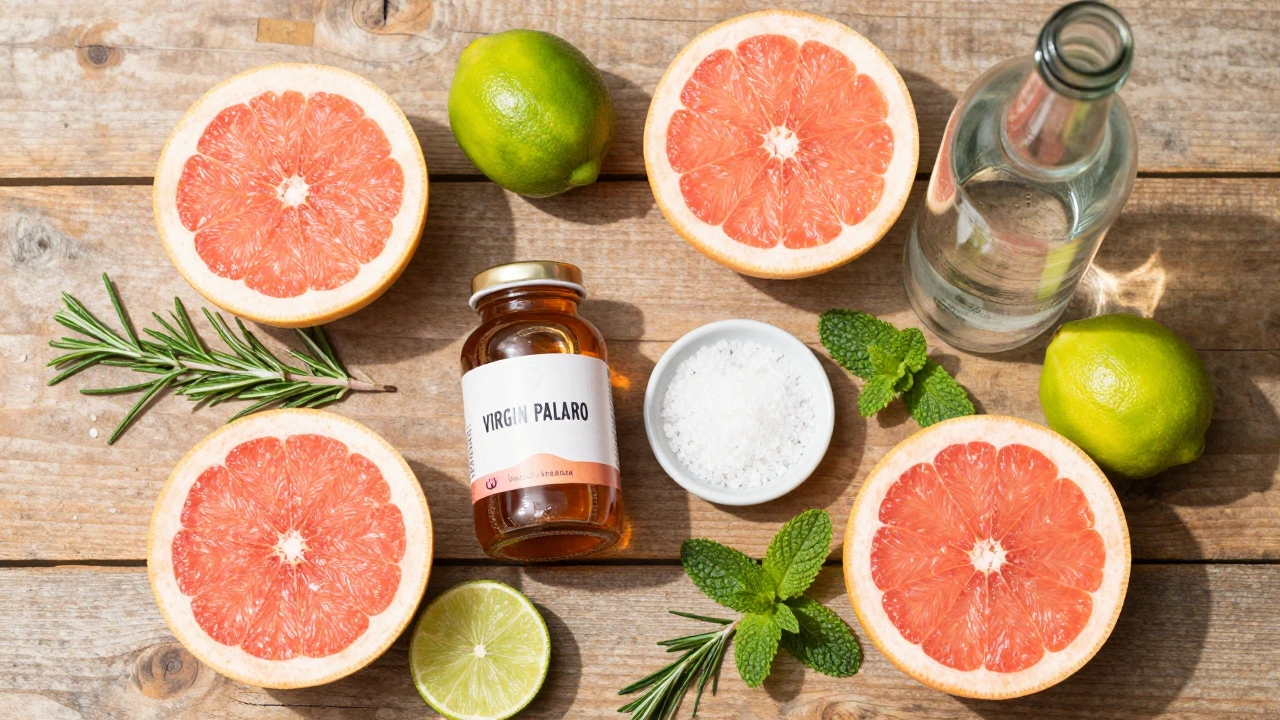
You do not need fancy equipment to make this. Just a few high-quality ingredients will do the trick. Here is what you should gather before you start:
- Fresh Grapefruit Juice: Use pink or red grapefruit if possible. They are slightly sweeter and less bitter than white varieties. Avoid bottled juice-it tastes metallic and lacks the vibrant aroma of freshly squeezed fruit.
- Fresh Lime Juice: Never use lime cordial or bottled mix. Freshly squeezed lime adds brightness and preserves the natural oils that give the drink its aromatic quality.
- Agave Nectar: This is your sweetener. Agave has a neutral flavor compared to honey or maple syrup, so it won’t overpower the citrus. If you don’t have agave, simple syrup (equal parts sugar and water dissolved) works too.
- Soda Water: High-quality club soda or sparkling mineral water. Look for brands with low sodium if you are sensitive to salt, as some sodas contain hidden minerals.
- Coarse Sea Salt: For the rim. Kosher salt or flaky sea salt adheres better to the glass than fine table salt.
- Ice: Large cubes are best. They melt slower, preventing your drink from getting watered down quickly.
Step-by-Step Instructions
Making a Virgin Paloma takes less than five minutes. The secret lies in the technique-specifically, how you handle the ice and the shaking process.
- Rim the Glass: Take a wedge of lime and run it around the top edge of a highball glass. Dip the rim into a small plate of coarse sea salt. Only coat half the rim if you prefer a milder salty experience.
- Add Ice: Fill the glass to the top with large ice cubes. Cold is crucial here. If your ice is warm, the drink will dilute instantly, ruining the balance.
- Combine Liquids: Pour 60ml (2 oz) of fresh grapefruit juice into the glass. Add 15ml (0.5 oz) of fresh lime juice. Squeeze in 10-15ml (0.3-0.5 oz) of agave nectar. Start with less; you can always add more later.
- Stir Gently: Use a long spoon to stir the mixture for about 10 seconds. This chills the juices and blends the agave evenly without aerating the liquid too much.
- Top with Soda: Slowly pour in the soda water until the glass is nearly full. Pouring slowly helps maintain the carbonation bubbles.
- Garnish: Add a twist of grapefruit peel over the top to release the essential oils, then drop it in. A sprig of rosemary or mint can add an herbal note if you want to experiment.
Troubleshooting Common Mistakes
If your first attempt didn’t taste right, don’t worry. It happens. Here are the most common issues and how to fix them.
It’s too bitter. Grapefruit varies wildly in sweetness depending on the season and variety. If your drink tastes like medicine, add another teaspoon of agave nectar. Alternatively, switch to pink grapefruit next time, as it is naturally sweeter than white.
It’s too sour. Limes also vary in acidity. If the lime dominates the grapefruit, reduce the lime juice by half. You can also add a tiny pinch of salt directly into the drink, which suppresses the perception of sourness.
It’s flat. If the soda went flat during preparation, your drink will lack body. Always chill your soda bottle in the fridge beforehand. Cold soda retains carbonation better than room-temperature soda. Also, avoid stirring vigorously after adding the soda, as this releases the gas.
Variations to Try
Once you master the base recipe, you can play with flavors. The Virgin Paloma is incredibly versatile.
| Variation Name | Key Ingredient Change | Flavor Profile |
|---|---|---|
| Spicy Paloma | Add a slice of jalapeño or chili powder to the rim | Heat meets cool citrus; great for summer parties |
| Herbal Paloma | Muddle fresh basil or mint leaves before adding ice | Fresh, garden-like aroma with a cooling finish |
| Berry Paloma | Add 5-6 muddled raspberries or blackberries | Sweeter, fruitier, and visually striking with deep red hues |
| Cucumber Paloma | Muddle two thin slices of cucumber | Ultra-refreshing, spa-like quality; very light |
Serving Suggestions
A Virgin Paloma pairs beautifully with spicy foods. The acidity cuts through rich sauces and balances heat. Think tacos al pastor, grilled shrimp skewers, or even spicy Thai curry. It also works well with charcuterie boards, especially those featuring salty cheeses like manchego or feta.
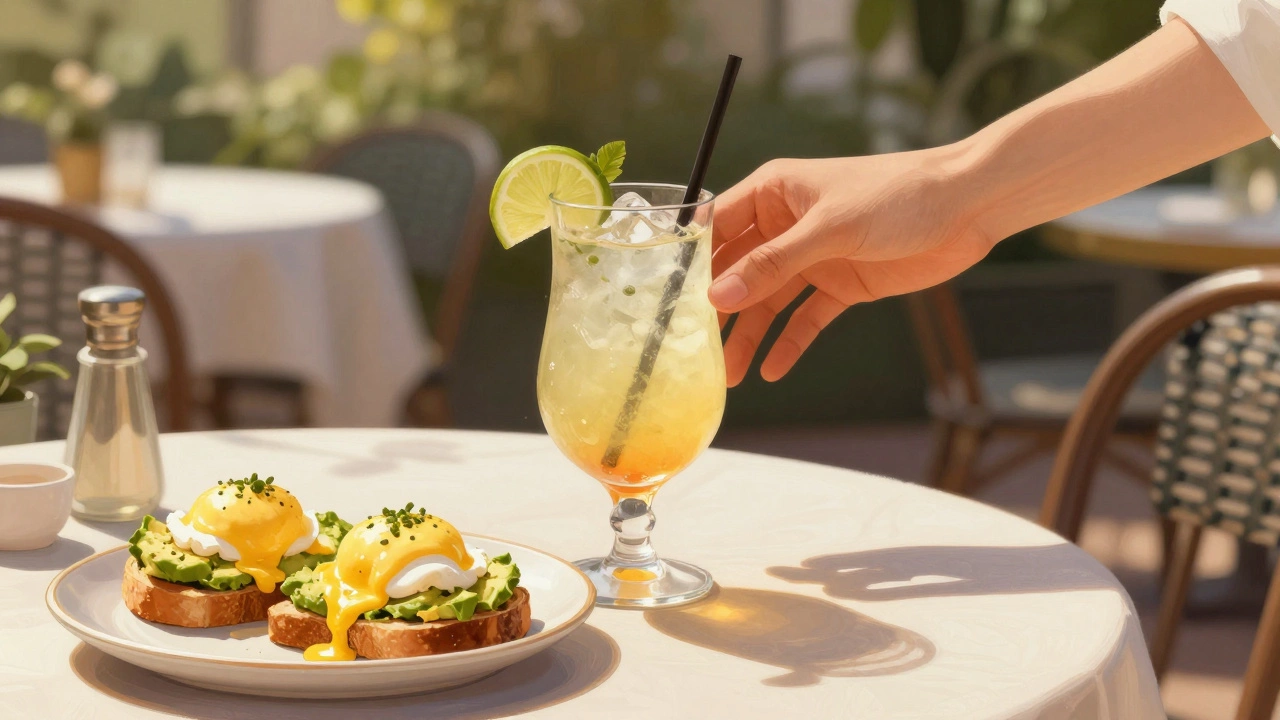
For a brunch setting, serve it alongside avocado toast or eggs benedict. The grapefruit complements the richness of the egg yolks and the creaminess of the avocado. Just remember to keep the drinks cold and the ice plentiful.
Storage and Prep Ahead
You can prep components ahead of time to speed up service when guests arrive. Squeeze grapefruit and lime juice the night before and store them in airtight containers in the fridge. The juice will oxidize slightly, losing some brightness, but it will still work. Do not mix the agave in until serving day to prevent crystallization.
Make a batch of simple syrup if you don’t have agave. Equal parts sugar and hot water, stirred until dissolved, lasts up to two weeks in the fridge. Rim multiple glasses with salt and store them upside down on a tray covered with plastic wrap to keep dust out.
Can I use bottled grapefruit juice?
You can, but it won’t taste as good. Bottled juice often contains preservatives and lacks the fresh, aromatic oils found in freshly squeezed fruit. For the best results, always squeeze your own grapefruit. If you must use bottled, look for 100% pure juice with no added sugars or flavors.
What type of grapefruit is best?
Pink or red grapefruit is ideal because it is naturally sweeter and less bitter than white grapefruit. Ruby Red and Oroblanco varieties are popular choices. White grapefruit can be used if you prefer a sharper, more bitter profile, but you may need to adjust the sweetness accordingly.
Is there a substitute for agave nectar?
Yes. Simple syrup (equal parts sugar and water) is the easiest substitute. Honey or maple syrup can also work, but they will add their own distinct flavors. If using honey, warm it slightly to make it easier to mix into the cold drink.
Can I make this in a pitcher for a party?
Absolutely. Combine the grapefruit juice, lime juice, and agave in a pitcher and refrigerate. When ready to serve, fill individual glasses with ice and soda, then pour the mixture over the top. This prevents the soda from going flat in the pitcher.
Does the salt rim affect the taste significantly?
Yes. Salt suppresses bitterness and enhances sweetness, making the grapefruit taste smoother and more balanced. It also adds a savory element that complements the citrus. If you dislike salty rims, skip it, but you may find the drink tastes slightly sharper.