Professional Cupping Evaluation Sheet
Step-by-Step Assessment
Evaluate your brewed sample against the core pillars mentioned in the professional cupping protocol.
Total Cup Score
Profile Insights
- Recommendation: Good daily drinker. Consider lowering water temp slightly.
- Roast Hint: Based on high body scores, try a medium roast next time to highlight acidity.
You can sip a mug of coffee every morning, but are you actually tasting it? Most people drink for caffeine, yet professionals analyze the liquid like a scientist examining a chemical compound. There is a massive gap between chugging a latte and executing proper coffee cupping, which is the standardized method for evaluating specialty coffee. It involves breaking down the experience into specific attributes like aroma, acidity, and body rather than just saying it tastes "good." By learning this systematic approach, you start seeing why that Ethiopian bean sings while the Colombian one sleeps.
The first thing you realize when attempting professional tasting is that preparation dictates perception. You cannot evaluate the bean's true potential if your environment introduces bias. This means finding a quiet space with neutral lighting. Strong external odors like perfume, cooking smoke, or air fresheners ruin the sensitivity of your nose before you even touch the spoon. Experts suggest using filtered water free from chlorine or mineral hardness, as tap water chemistry alters extraction and masks delicate flavors. When the water isn't perfect, your data isn't accurate.
The Science Behind the Sensory Experience
Understanding the biology helps you trust the weird techniques. Your tongue detects five basic tastes: sweet, sour, salty, bitter, and umami. However, what we call "flavor" is mostly smell. This happens through a mechanism called retronasal olfaction. This occurs when volatile aromatic compounds travel from your mouth to your nasal cavity while you are swallowing. If you swallow silently, you miss approximately 80% of the flavor profile. That is why experts emphasize forceful inhaling sounds. You aren't being rude; you are aerating the liquid to force it across the entire roof of your mouth and up through your nose.
The timing of your assessment also shifts the flavor map. A brew at 200°F feels heavy and intense. At 160°F, sweetness emerges. By the time it hits room temperature, defects become obvious because the heat is no longer masking them. You need to track these changes over time to get the full picture. Many drinkers stop too early, missing the critical aftertaste phase where true quality reveals itself.
Setting Up Your Cupping Station
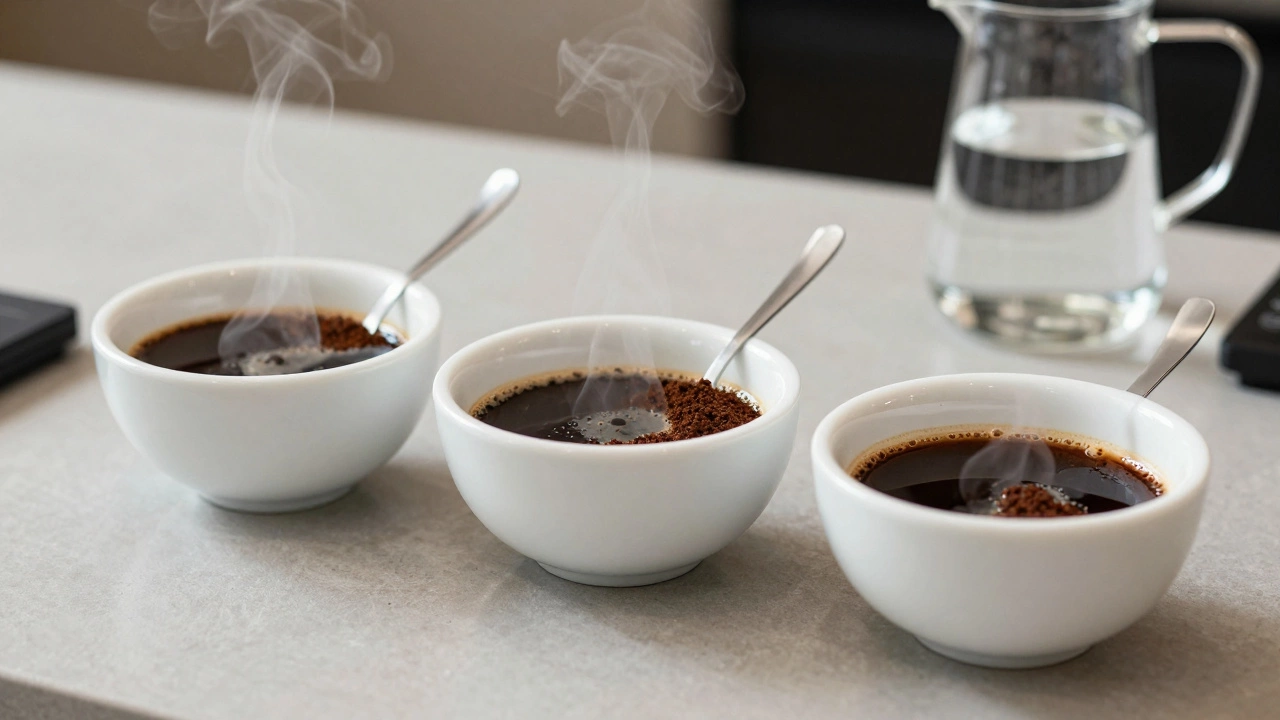
You do not need expensive gadgets, but standardization is non-negotiable. If you want to compare two bags of beans fairly, every variable must remain constant except for the coffee itself. The vessels used should be identical ceramic bowls with wide rims, allowing you to see the crust formation clearly.
Element
Standard Specification
Purpose
Brew Ratio
8.25g to 150ml water (approx 1:18)
Ensures consistent strength for comparison
Water Temp
93°C - 96°C (200°F - 205°F)
Optimal extraction of oils and solids
Grind Size
Medium-Coarse (Kosher Salt texture)
Allows grounds to float for crust formation
Freshness
7-14 days post-roast
Peak degassing for maximum aroma release
When measuring your dose, precision matters more than exactness. If you weigh out 8.25 grams of coffee, you match industry standards. For the water, measure by weight rather than volume to avoid density errors. Freshly ground beans are crucial, so bring a grinder capable of reaching that medium-coarse setting. If you use pre-ground coffee, the oxidation has likely already damaged the delicate aromatic compounds, resulting in flat tasting results.
The Five-Step Evaluation Protocol
Once your station is set, follow a strict sequence to avoid missing cues. The process typically takes about 15 minutes from brewing to final note. Here is the logical flow you should follow for a professional-grade session:
- Dry Fragrance Assessment: Before adding water, smell the dry grounds. Look for immediate fruit notes, chocolate undertones, or floral scents. This tells you what aromas are available before heat extracts them.
- Aroma Release: Pour hot water over the grounds and wait four minutes. As the crust forms, gently push it aside and inhale deeply. This burst contains the most volatile compounds, often revealing citrus or jasmine notes hidden in the blend.
- Making the Liquid: Skim floating grounds from the surface. Let the liquid settle to achieve clarity for slurping.
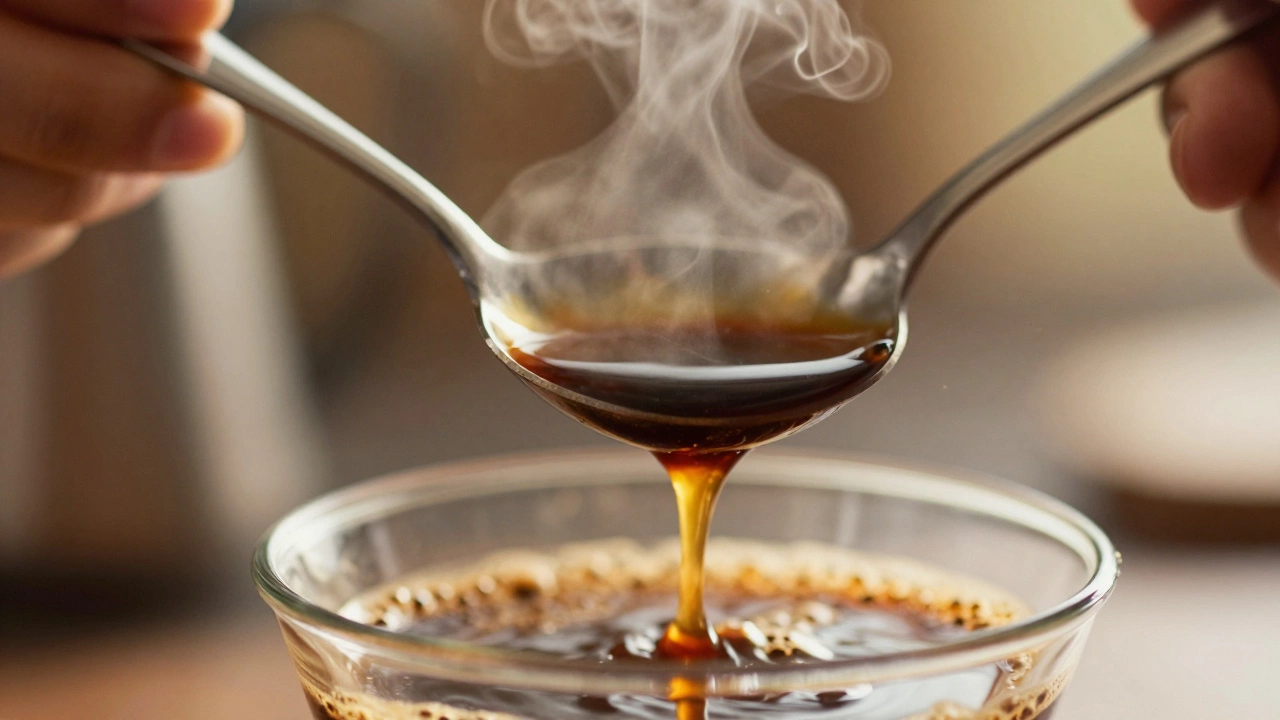
- Slurping and Aerating: Wait until the temperature drops below 160°F. Take a spoonful, inhale sharply, and draw the liquid across your palate. Listen for the sound; it ensures aeration.
- Aftertaste Analysis: Swallow and keep your mouth open slightly. Breathe through your nose to catch lingering sweetness or bitterness that defines the finish.
Many people skip the waiting period, but temperature control is vital. Drinking scalding hot coffee numbs the taste buds and triggers pain receptors, blocking subtle sweet notes. Conversely, tasting cold coffee misses the body and heat-dependent volatiles. Patience yields better data. Note how the profile changes as the cup cools. Acidity often sharpens in the cool-down phase, while bitterness may recede.
Navigating the Flavor Wheel
Describing what you taste requires vocabulary beyond "delicious" or "burnt." The Coffee Flavor Wheel was designed by tasters to bridge the communication gap between producers and consumers. It starts at the center with broad terms like Fruity or Nutty and spirals outward into specifics like Blackberry, Almond, or Caramelized Sugar. During your session, consult this chart when identifying notes. Don't force a description if it isn't there, but look for positive associations.
Record your observations immediately. Human memory fades quickly regarding scent nuances. Writing down "clove" right after the experience locks that association into your neural pathways. Over months of practice, you will find yourself identifying spices instantly without needing the wheel. This builds a personal database of flavor profiles unique to different regions.
Evaluating Core Attributes
To grade a coffee properly, focus on four pillars. First is Acidity. This isn't stomach irritation; it refers to brightness and liveliness. Think of lemon zest or apple juice. High quality usually correlates with vibrant acidity. Second is Body, the physical sensation of thickness or oiliness. Does it feel watery like skim milk or creamy like whole milk? Third is Balance. A single note shouldn't dominate. Does the sweetness support the acid, or does bitterness overpower the finish?
Sweetness is the fourth pillar. Even dark roast coffees possess some sugar. If a coffee lacks sweetness, it often indicates under-extraction or defect. Look for caramel, honey, or stone fruit sweetness depending on origin. Finally, assess Cleanliness. Any off-notes like wet cardboard, rubber, or vinegar signal a problem in processing or roasting. These defects lower the score regardless of other qualities.
Troubleshooting Common Pitfalls
New tasters often struggle with consistency. If your sessions vary wildly day-to-day, check your variables first. Did you grind finer than usual? Was the water cooler? Did you use dirty spoons carrying residue from the previous batch? Cross-contamination kills the integrity of the test. Always rinse your spoon thoroughly with clean water between cups.
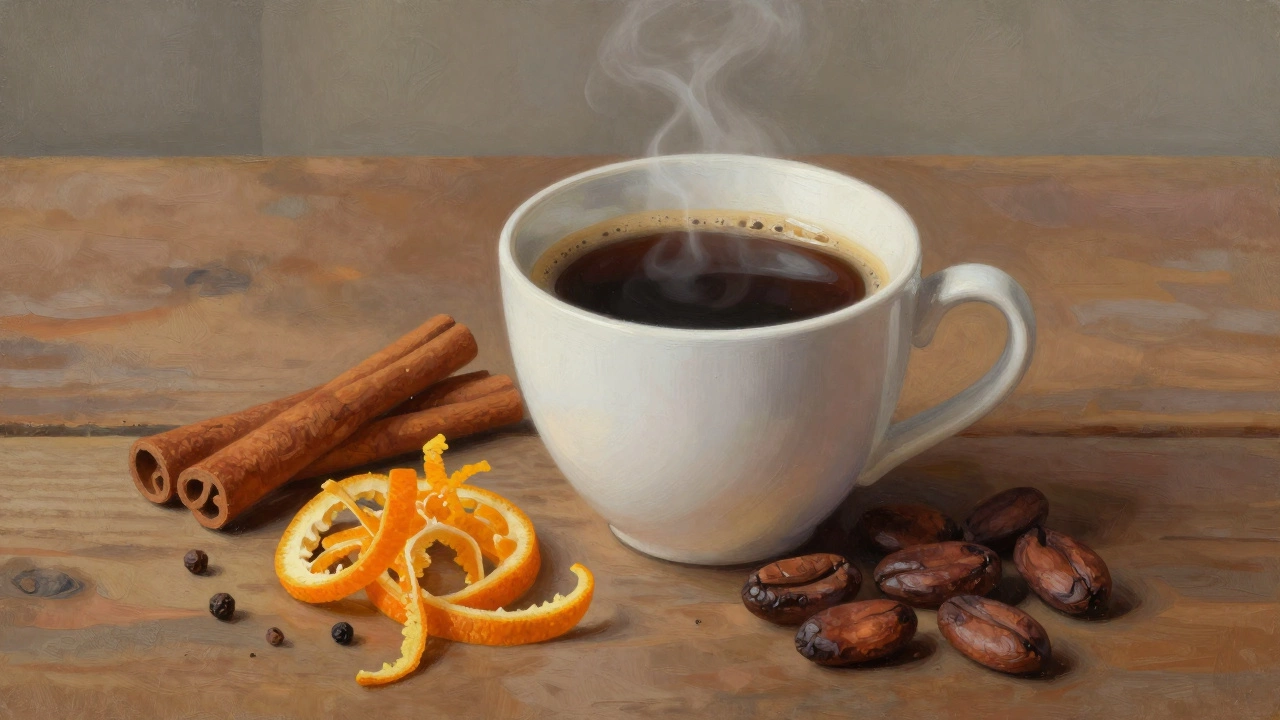
Your palate can also fatigue after tasting three or four samples in a row. This happens because your sensory receptors get overwhelmed. Drink plain water and sniff orange peel between rounds to reset your olfactory senses. Take breaks if your nose stops responding. Consistency is more important than speed.
Why do I need to slurp coffee loudly?
The loud slurping serves a scientific function. It forces the liquid to spray across the entire surface of your tongue and engages the retronasal passage. Without this aeration, you primarily taste the tip of your tongue, missing complex aromas trapped in the liquid. It maximizes the contact area for flavor receptors.
What water temperature works best for cupping?
The ideal range is between 93°C and 96°C (200°F - 205°F). Temperatures above this extract too much bitterness and harshness. Below this range fails to fully dissolve the desirable sugars and oils needed for sweetness and body.
Can I use my regular kitchen coffee grinder?
Yes, provided it can hit a medium-coarse setting. Consistency is key. If your grinder produces uneven particles (some dust, some boulders), extraction will be chaotic. A blade grinder often creates inconsistent results compared to a burr grinder, so upgrade if possible.
How do I know if the coffee is defective?
Defects appear as specific negative descriptors. Wet cardboard implies fermentation issues. Rubber suggests soil contamination. Vinegar or rotting fruit smells indicate spoilage during the drying process. If you detect any of these, mark the sample as failed immediately.
Does roast level affect the cupping score?
Roast level changes the flavor profile, not necessarily the intrinsic quality of the green bean. However, extremely dark roasts burn off unique origin characteristics, making it hard to identify specific varietal notes. Lighter roasts preserve more of the terroir and distinct flavors.