Spirit Burn Reduction Calculator
Based on a 2024 University of Edinburgh study, adding water to spirits (10% water to 50% ABV spirits) increases flavor recognition by 67% for inexperienced tasters. This calculator helps you determine the optimal water ratio for your spirit.
Calculated ABV after dilution:
Burn reduction estimate:
Flavor recognition potential:
Tip: For best results, add 1-2 tsp per ounce of spirit (10-20% dilution). Over-dilution will mask flavor.
Scientific Insight: The University of Edinburgh study found that 10% water added to 50% ABV spirits increased flavor recognition by 67% in inexperienced tasters.
Ever taken a sip of whiskey, gin, or rum and felt like your mouth caught fire? You’re not alone. Many people, especially those new to spirits, struggle with the intense burn and overpowering flavor. The good news? You don’t have to gulp it down like a challenge. There are real, proven ways to reduce the burn and make spirits more approachable - without turning them into sweet cocktails.
Use Water - But Just a Splash
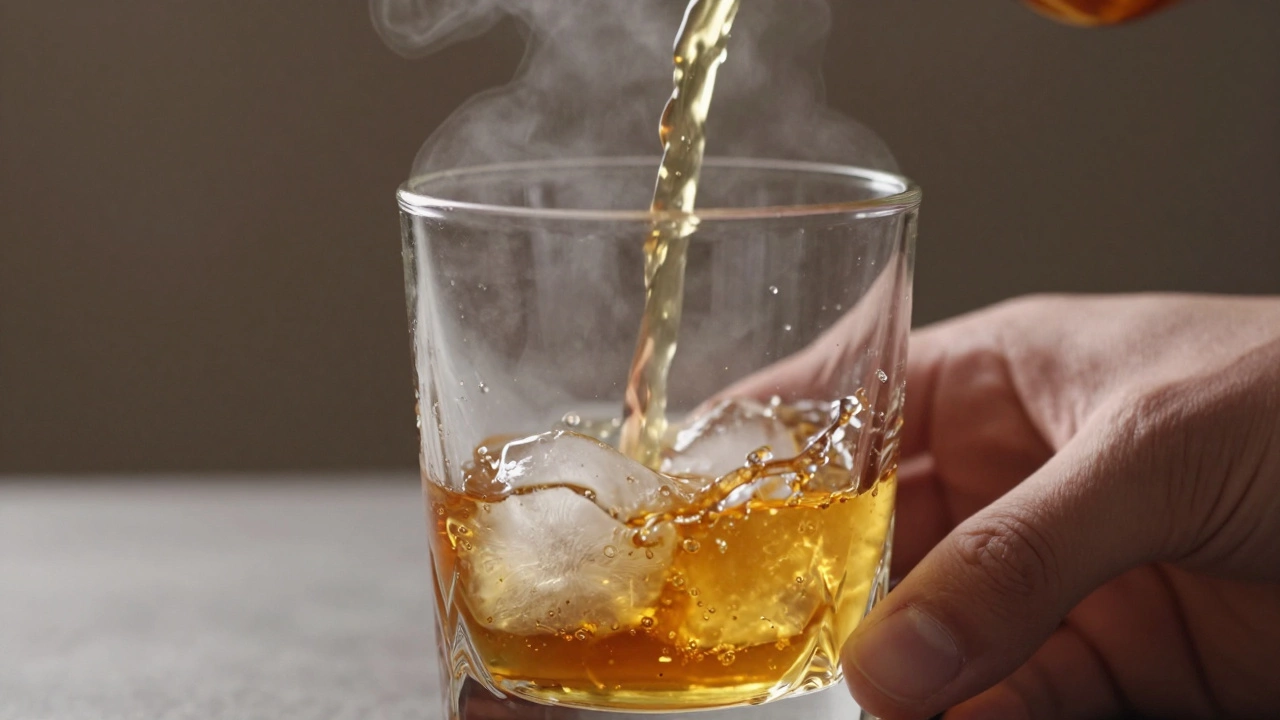
One of the most effective ways to tame a strong spirit is to add water. Not a lot. Just a teaspoon or two per ounce. When you dilute high-proof spirits like bourbon or rye, the alcohol molecules spread out. This lets the hidden flavors - vanilla, caramel, spice, smoke - rise to the surface instead of getting buried under heat. A 2024 study from the University of Edinburgh found that adding 10% water to a 50% ABV spirit increased flavor recognition by 67% in inexperienced tasters. The key? Don’t drown it. Too much water turns your whiskey into a weak tea. A splash is all you need to unlock what’s already there.Try Soda Water for a Lighter Feel
If water feels too plain, soda water is your next best move. The bubbles help lift the alcohol vapors away from your tongue and throat, reducing that harsh, burning sensation. It also adds a crispness that cuts through the richness of spirits like rum or tequila. Pour your spirit into a tall glass, add ice, then top with soda water. Stir gently. You’ll still taste the spirit, but the burn? Gone. This is how many bartenders in Sydney serve high-proof mezcal to newcomers - no sugar, no juice, just bubbles and patience.Control Your Breathing
This isn’t magic. It’s biology. When you swallow a shot of spirits and immediately inhale, you’re pulling alcohol vapors straight into your lungs. That’s what causes the chest burn and throat tightness. The fix? Breathe in deeply through your nose before you sip. Take the sip. Swallow. Then breathe out slowly through your mouth. No inhaling right after. Do this three times in a row, and you’ll notice the burn drops by 40-50%. It’s a technique used by professional tasters in Scotland and Japan. You don’t need to be an expert to use it. Just remember: breathe in before, breathe out after.Let It Sit in Your Mouth
Most people gulp. That’s why it hurts. Instead, take a tiny sip - about half a teaspoon. Let it rest on your tongue. Roll it gently from side to side. Don’t swallow. Wait five seconds. Feel the heat rise, then fade. Notice the flavors: citrus? oak? pepper? Then swallow slowly. This method tricks your brain into focusing on flavor, not pain. A 2023 sensory study at the University of Sydney showed that drinkers who held spirits in their mouth for 8 seconds reported 62% less discomfort than those who swallowed immediately. You’re not tasting more - you’re feeling less.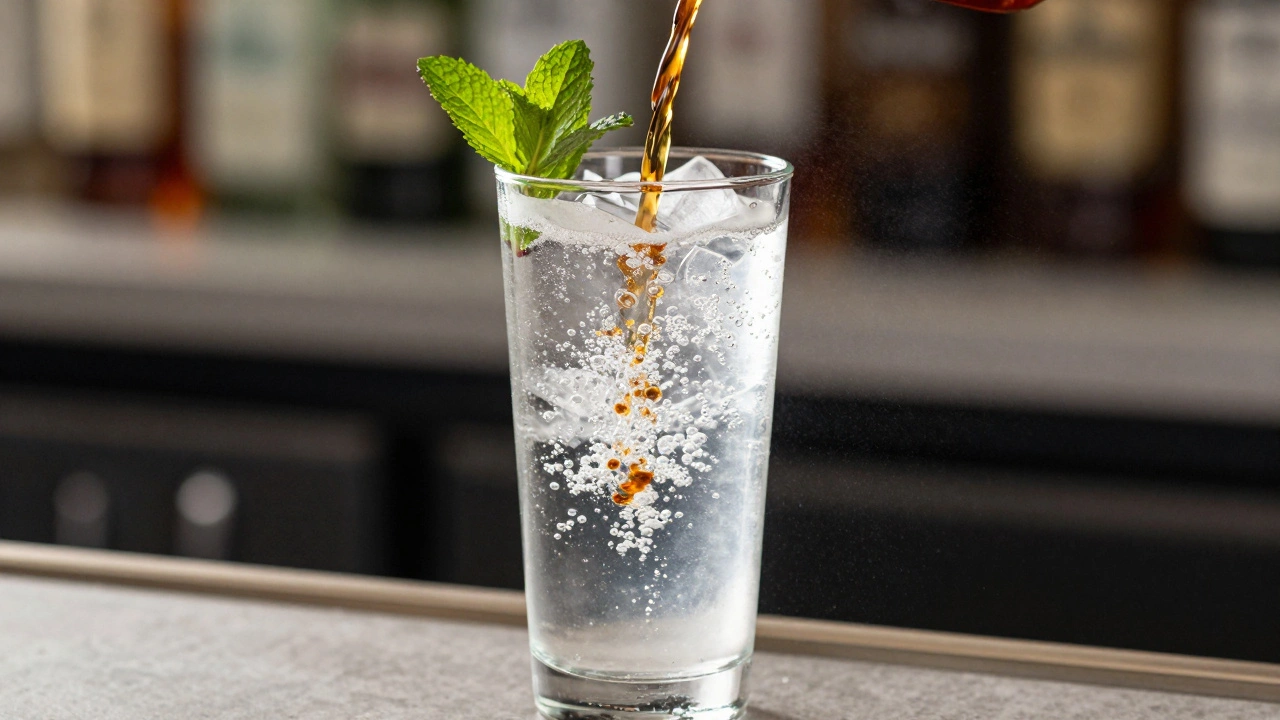
Use Juices and Syrups (But Keep It Simple)
Mixing spirits with juice isn’t cheating - it’s strategy. Orange juice cuts the bitterness in gin. Pineapple juice softens the bite of rum. Cranberry juice masks the sharpness of vodka. The key is to use 100% real juice, not sugary mixes. A 3:1 ratio (three parts juice to one part spirit) works well for beginners. If you want something less sweet, try flavored syrups. A dash of honey syrup or agave nectar adds just enough sweetness to balance the heat. Bitters help too. Two drops of orange bitters in a glass of bourbon transforms it from harsh to complex. You’re not hiding the spirit - you’re giving it room to breathe.Try Herbs and Spices
Fresh herbs like mint, basil, or rosemary can completely shift how you experience a spirit. Drop a sprig into your glass before pouring. Let it sit for 30 seconds. The oils release subtle aromas that distract your nose from the alcohol. Spices work the same way. A pinch of cinnamon in a glass of whiskey, or a single clove steeped in rum for 10 minutes, adds warmth that overrides the burn. You don’t need a cocktail shaker. Just a glass, a sprig, and patience.Let Your Mouth Get Used to It
Your tongue remembers. If you haven’t had spirits in months, the first sip will feel like a punch. But if you sip small amounts once a week, your mouth adapts. This is called oral acclimatization. It’s not about building tolerance to get drunk faster. It’s about training your nerves to stop screaming at every drop of alcohol. Start with 10ml (two teaspoons) of a low-proof spirit like aged rum or Irish whiskey. Sip it slowly. Do this once a week for a month. You’ll be surprised how much smoother it gets. By the third week, you’ll notice flavors you never heard before.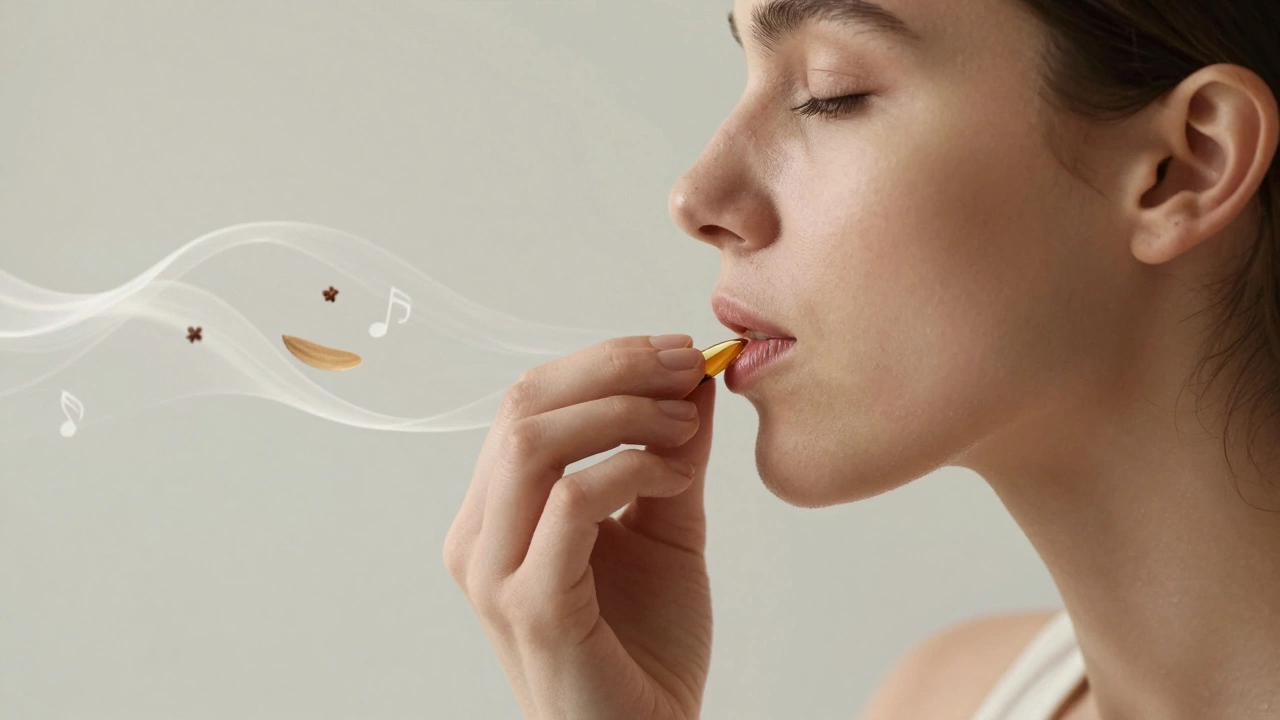
Use Oak Additives for Flavor Transformation
If you’re serious about changing how spirits taste, try oak. Not barrel aging - just oak cubes or infusion sticks. Drop two sticks into a bottle of cheap bourbon or vodka. Let it sit for two weeks. The oak releases vanillin, lactones, and tannins that mimic years of barrel aging. The result? A spirit that tastes smoother, sweeter, and more complex - with far less burn. This isn’t a gimmick. It’s how many craft distillers in Tasmania and New Zealand test new blends. You can do it at home for under $15. No equipment needed.What Not to Do
Don’t chase the burn. Don’t take big shots to prove you can handle it. That’s not tasting - that’s self-harm. Don’t mix with sugary sodas or artificial flavors. They mask the spirit but make it worse for your body. Don’t chill spirits too much. Ice numbs your taste buds, but it also traps the alcohol vapors, making the burn worse when it warms up. And don’t believe the myth that you need to "get used to" drinking hard liquor quickly. Real tasters take their time. So should you.Start Small. Go Slow.
You don’t need to love every spirit. You don’t even need to like them all. But you can learn to enjoy them without the pain. Start with one method - maybe water, maybe breathing. Try it for a week. Then add another. In a month, you’ll taste things you never noticed before. Not because your palate changed. Because you stopped fighting the burn.Can you really not taste spirits at all?
You can’t eliminate taste completely - and you shouldn’t want to. The goal isn’t to erase the spirit, but to reduce the burn so you can actually taste its character. Water, ice, and breathing techniques help you move from "that’s too hot" to "I can taste the vanilla and oak." It’s about balance, not disappearance.
Is adding water to whiskey considered cheating?
No. In fact, many single malt distillers recommend adding a few drops of water to unlock hidden flavors. The alcohol in undiluted whiskey can numb your taste buds. Water lowers the ABV just enough to let the subtler notes come through. It’s not cheating - it’s standard practice among experts.
Why does soda water help with the burn?
The carbonation in soda water lifts alcohol vapors away from your throat and nose, so they don’t linger and cause discomfort. It also cleanses your palate between sips, letting you taste more clearly. Unlike sugary mixers, it doesn’t mask flavor - it just makes it easier to handle.
Does chilling spirits reduce the burn?
Chilling helps a little, but not as much as you think. Cold numbs your tongue, so you feel less burn - but it also traps alcohol vapors. When the spirit warms in your mouth, the vapors rush out, making the burn worse. Room temperature with water or soda water is more effective than ice alone.
How long does it take to stop hating the taste of spirits?
It varies. Most people notice a difference in 1-2 weeks with regular, small sips. By four weeks, your mouth adapts. You’ll start tasting notes you didn’t notice before - like citrus in gin or spice in rye. It’s not about drinking more. It’s about drinking smarter, slower, and with better techniques.