Champagne Tasting Experience Planner
Choose Your Experience
Grand House Tour
History & flagship cuvées
€20-50Grower (RM)
Terroir & small-batch
€15-40Premium/Vintage
Rare vintages & pairings
€80-200+Estimated Budget
€50
per person
Cost Breakdown
Your Itinerary
- Duration: 1.5 hours
- Group size: 2 people
- Season: Summer
- Location: Champagne Region
Pro Tips for Your Visit
What to Ask
- Ask about Chardonnay vs Pinot Noir proportions
- Inquire about the wine's age and aging process
- Learn how soil affects flavor profiles
Dress Code
- Comfortable shoes for stone floors
- Layers for cool cellar temperatures
- Smart casual for grand houses
You’ve heard the term tossed around at dinner parties or seen it on Instagram stories from Reims. But is Champagne tasting actually a distinct activity, or just a fancy way of saying "drinking bubbly"? The short answer is yes. It is a highly structured, globally recognized experience that has evolved far beyond simply popping a cork in a vineyard.
What used to be an informal drink at the end of a factory tour is now a sophisticated industry blending education, tourism, and sensory analysis. Whether you are planning a trip to France or looking for a local event in your city, understanding what makes this specific type of tasting unique will help you get more out of the experience.
The Evolution from Tourist Stop to Immersive Experience
To understand why Champagne tasting is such a big deal, you have to look at how the industry has shifted. In the past, visiting a Champagne house was mostly about seeing the machinery and history. Today, the focus is squarely on the liquid itself.
France’s national tourism agency, Atout France, reported that wine tourism grew by over 33% between 2009 and 2016, with Champagne becoming the second most popular wine region in the country after Bordeaux. This surge wasn’t accidental. Houses like Veuve Clicquot, Taittinger, and Pommery realized that visitors wanted to engage with the product, not just observe it.
This shift led to dedicated tasting rooms and immersive museums. Take Pressoria in Aÿ, which opened in 2021. It isn’t just a museum; it’s an interactive journey where you virtually harvest grapes, smell different aromas, and watch fermentation processes before sitting down for a curated tasting. This move toward "edutainment"-education combined with entertainment-has turned a simple drink into a memorable narrative.
Why Champagne Tasting Is Different From Other Wine Tastings
If you’ve done a standard red or white wine tasting, you know the drill: swirl, sniff, sip. Champagne tasting follows similar steps but adds layers of complexity due to the production method and the nature of sparkling wine.
Champagne can only come from the legally defined region in northeastern France, covering 319 villages across four departments. Because of this strict geographic definition, a tasting often becomes a lesson in terroir-how the soil and climate affect the wine. You aren’t just tasting grape varieties; you are tasting chalky soils, cool climates, and specific micro-regions like the Montagne de Reims or the Côte des Blancs.
Here is how a professional Champagne tasting typically breaks down:
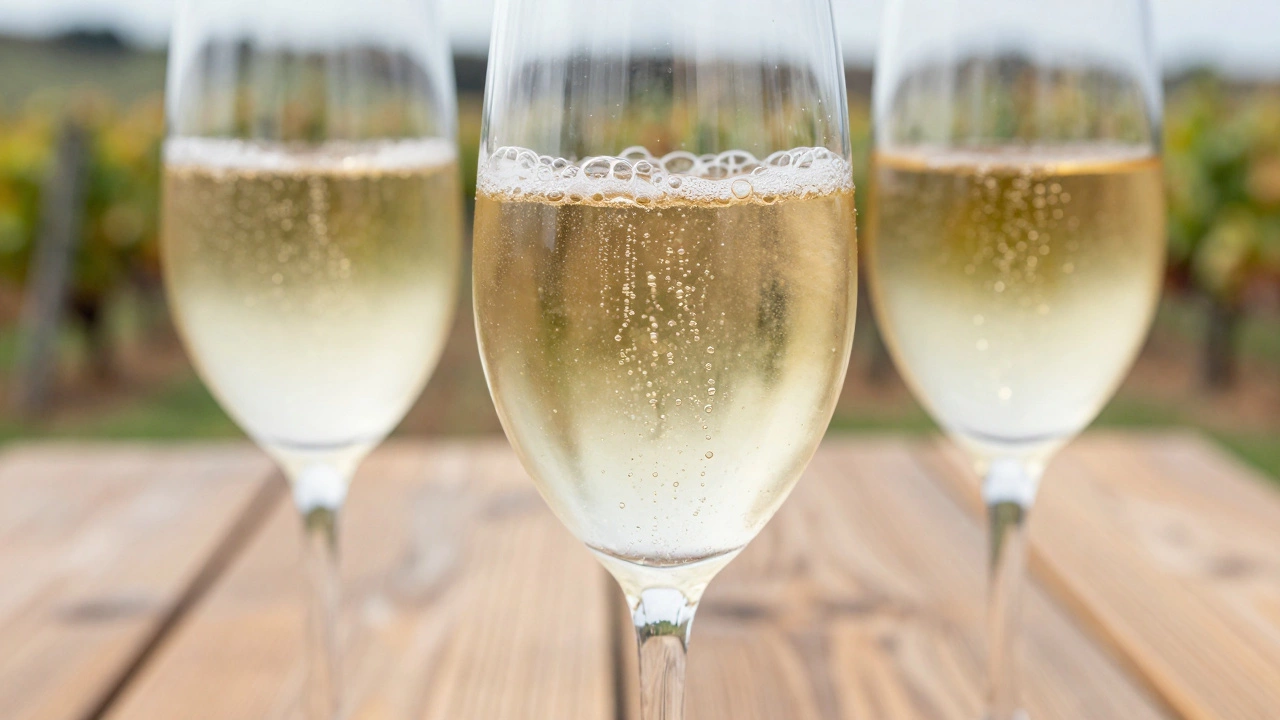
- Visual Analysis: You look at the color (from pale lemon to gold) and the mousse (the bubbles). Are they fine and persistent? This indicates quality and proper aging.
- Aromatic Profile: Sparkling wines release aromas differently than still wines because of the carbon dioxide. You might detect brioche, citrus, green apple, or toasted nuts.
- Palate Structure: You assess acidity, sweetness levels (Brut, Extra Dry, Demi-Sec), and mouthfeel. The "bite" of the bubbles interacts with the fruit flavors in a unique way.
- Comparative Flights: Most tastings involve comparing two or three cuvées side-by-side. This could mean comparing a non-vintage blend to a vintage reserve, or a Blanc de Blancs (100% Chardonnay) against a Blanc de Noirs (Pinot Noir and Meunier).
This structure turns drinking into learning. You start noticing differences you would miss if you were just enjoying a glass casually.
Where Can You Go Champagne Tasting?
While the authentic experience happens in the Champagne region of France, the concept has gone global. You don’t need a passport to participate in a structured Champagne tasting.
In the Champagne Region, France
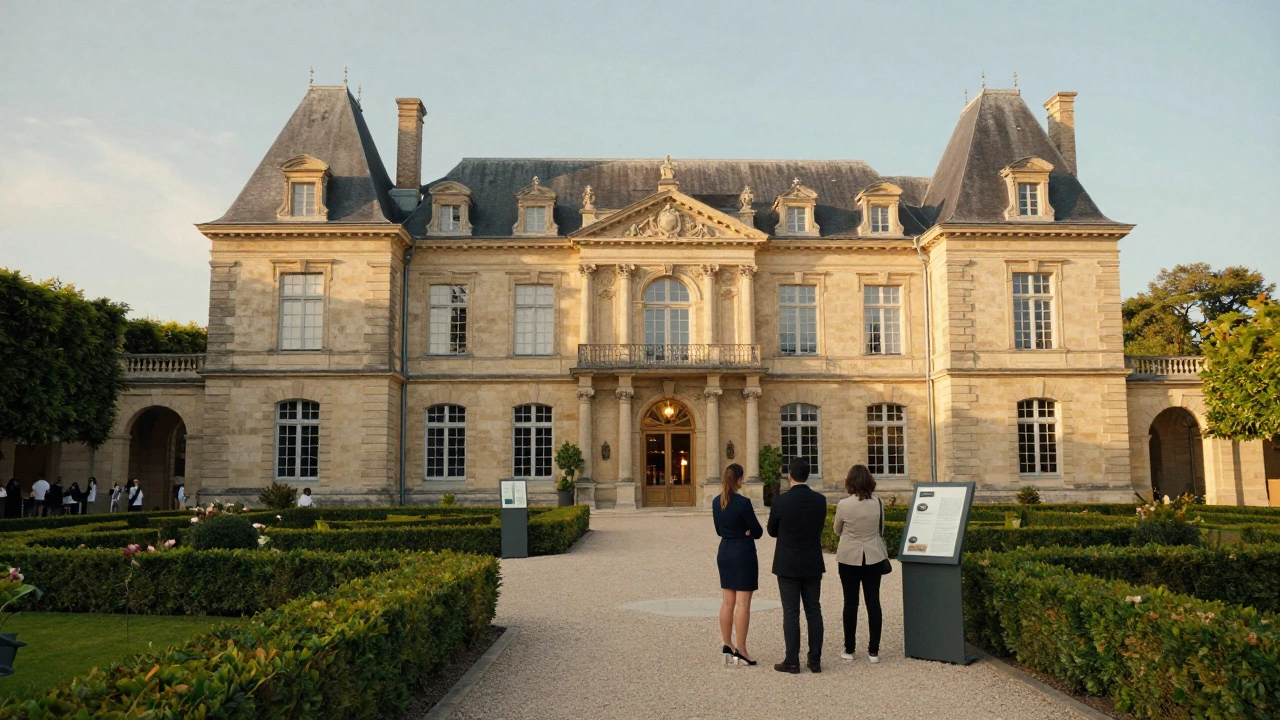
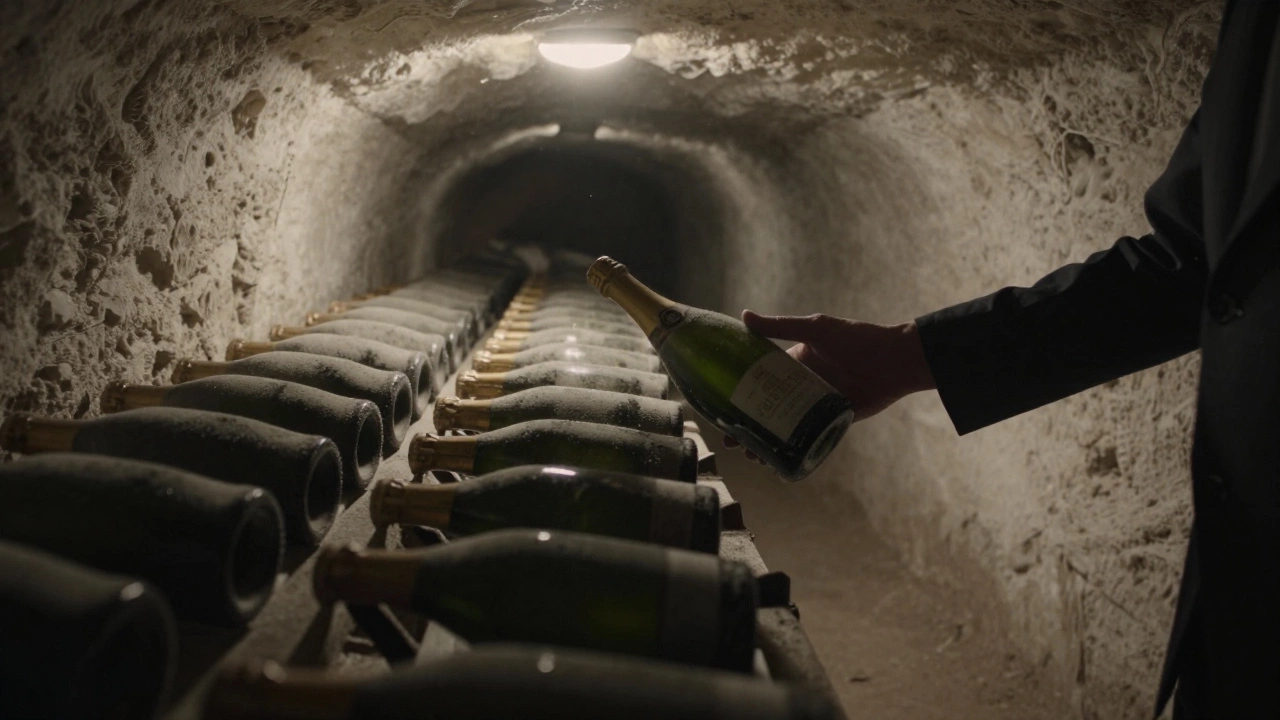
This is the heartland. The area around Reims and Épernay is packed with options. Large houses offer guided tours through underground cellars (crayères) followed by tastings. Smaller growers (récoltant-manipulant) offer more intimate sessions, often focusing on single-vineyard plots.
| Experience Type | Typical Duration | Focus | Price Range (EUR) |
|---|---|---|---|
| Grand House Tour | 1.5 - 2 hours | History, brand story, flagship cuvées | €20 - €50 per person |
| Grower (RM) Tasting | 1 hour | Terroir, small-batch production, personal interaction | €15 - €40 per person |
| Premium/Vintage Flight | 2+ hours | Rare vintages, food pairing, sommelier guidance | €80 - €200+ per person |
Outside of France
In cities like New York, Detroit, and Sydney, you can find "Champagne bars" that offer flights. These are often educational events hosted by sommeliers who bring bottles from various houses. In wine regions like Napa Valley, some producers specialize in méthode traditionnelle sparkling wines and offer "Champagne-style" tastings, though technically these cannot be called Champagne unless they are from France.
Platforms like GetYourGuide and specialized booking sites list dozens of itineraries, proving that this is a standardized travel product. You can book a day trip from Paris to Reims, visit two family-run producers, and taste six different cuvées in a single afternoon.
How Much Does It Cost?
Budgeting is key because prices vary wildly depending on the prestige of the house and the exclusivity of the tasting.
For a basic weekend in the Champagne region, including accommodation and standard tastings, expect to spend around 300-500 euros for two people. If you are looking for a luxury experience with Michelin-starred dining and access to rare reserves, that budget jumps to 800-1,500 euros.
Individual tastings at major houses usually range from €20 to €50 per person. However, premium experiences-such as those involving older vintages or private cellars-can cost significantly more. Some high-end houses, like Taittinger, have started capping visitor numbers (at 60,000 annually) to maintain quality, which drives up the perceived value and price of their offerings.
When Is the Best Time to Go?
Timing matters more than you might think. The Champagne region is open year-round, but the atmosphere changes drastically with the seasons.
- April to June: The vines are green and lush. The weather is mild, making it perfect for walking through vineyards. This is a great time for photography and relaxed tours.
- September to October: This is harvest season (vendanges). It is atmospheric and exciting, but also busy. Some smaller producers may close briefly during peak winemaking activities. Note that climate change is pushing harvest dates earlier, so mid-September might already be post-harvest.
- November to March: Fewer tourists, but some cellar tours may have reduced hours. The focus shifts entirely indoors to the cellars and tasting rooms.
Summer months (July-August) see a surge in tourism, so bookings fill up quickly. If you want a quieter experience, aim for the shoulder seasons of May or late September.
Practical Tips for Your First Champagne Tasting
Whether you are heading to Reims or a local bar, here is how to make the most of it:
- Book in Advance: Especially for famous houses like Pommery or GH Mumm. Walk-ins are rarely accepted for guided tastings.
- Dress Comfortably but Smartly: Cellars are underground and can be damp and cool. Wear comfortable shoes for walking on stone floors, but avoid overly casual attire if visiting a grand house.
- Ask Questions: Sommeliers love explaining the nuances. Ask about the proportion of Chardonnay vs. Pinot Noir, the age of the wine, or how the soil affects the flavor.
- Try Pairings: Champagne is incredibly versatile. Many tastings include cheese, chocolate, or oysters. Don’t skip this part; it highlights the wine’s acidity and texture.
- Don’t Rush: Good Champagne tasting takes time. Let the bubbles settle slightly before sipping to appreciate the aroma fully.
The Future of Champagne Tasting
The trend is moving toward immersion and personalization. We are seeing fewer mass-tourism groups and more curated, small-group experiences. Houses are investing in art installations within their cellars (like Pommery’s contemporary art galleries) and multi-sensory exhibits. The goal is no longer just to sell a bottle, but to sell a story and an emotion.
As climate change alters harvest times and grape characteristics, tastings will also become platforms for discussing sustainability and adaptation. You might soon find yourself tasting wines made from grapes harvested weeks earlier than traditional calendars suggested, with explanations on how the winemaker adjusted the process to preserve acidity.
So, is Champagne tasting a thing? Absolutely. It is a mature, evolving, and deeply rewarding way to connect with one of the world’s most iconic beverages. Whether you are a novice curious about bubbles or a seasoned wine lover, there is a level of engagement waiting for you.
Do I need to go to France to do a Champagne tasting?
No. While the most authentic experience is in the Champagne region of France, many cities worldwide offer Champagne flights and educational tastings. Look for specialized wine bars or events hosted by sommeliers in your local area.
How much does a typical Champagne tasting cost?
In the Champagne region, standard tastings at large houses range from €20 to €50 per person. Premium or vintage tastings can cost €80 to €200+. In other countries, flights at bars typically range from $15 to $40 depending on the venue and number of pours.
What is the difference between a Grand House and a Grower tasting?
A Grand House (NM) like Moët & Chandon buys grapes from many growers and blends them for consistency. Their tastings focus on brand history and flagship styles. A Grower (RM) produces wine primarily from their own vineyards. Their tastings are often more intimate and highlight specific terroirs and small-batch variations.
When is the best time to visit the Champagne region?
May to June offers pleasant weather and green vineyards. September is atmospheric during harvest but busier. Avoid peak summer if you dislike crowds. Book well in advance regardless of the season.
Can I do a Champagne tasting as a day trip from Paris?
Yes. Reims is about 45 minutes away by train. Many tour operators offer full-day excursions that include transport, visits to two or three producers, and multiple tastings. It is a very popular option for international visitors.